REVIEW · KEMER
Kemer: Scuba Diving Experience in Aquarium and Kiris Bays
Book on GetYourGuide →Operated by Yükay Turizm · Bookable on GetYourGuide
Two bays, one boat, and fish at hand. I like the clear plan: one underwater session around 5 meters, then another at 10–15 meters with a professional instructor. I also like the supervised fish-feeding moments in Aquarium Bay, plus time to snorkel and swim in open water. The only catch: cameras are not allowed, so you’ll need to plan for photos another way.
If you’ve never done this before, the setup is designed to feel manageable. You get a briefing on equipment use, boat routines, and safety procedures, and the operator notes that even non-swimmers can take part. Still, they also say it is not suitable if you have heart problems.
You’re based in Kemer in Antalya Province, and the day runs about 7 hours. You can expect instructors who cover Turkish, German, Russian, and English, with the meeting point at Kemer Marina when transfer isn’t selected.
In This Review
- Quick take: Aquarium and Kiris Bays in one 7-hour day
- Two underwater sessions in Kemer: 5 m, then 10–15 m
- Aquarium Bay vs. Kiris Bay: where the action happens
- The briefing before you enter the water
- Gear, masks, and comfort tips for your day
- Feeding fish from your hands: the “close-up” moment
- Boat time, snorkeling, and a lunch that helps you enjoy the second half
- Instructor support and languages: Turkish, German, Russian, English
- Price and value: what $29 really buys you
- Meeting point and timing: start at Kemer Marina
- What to bring (and what to skip)
- Who this Kemer underwater day suits best
- Extras and depth options: what you might be offered
- Should you book this Kemer Aquarium and Kiris Bay experience?
- FAQ
- How many underwater sessions are included?
- What depths are the sessions?
- Do I need a diving license?
- Can non-swimmers join?
- What languages will the instructor speak?
- Is lunch included, and are drinks included?
- Are cameras allowed?
Quick take: Aquarium and Kiris Bays in one 7-hour day
- Two underwater sessions: ~20–25 minutes at about 5 m, then ~20–25 minutes at 10–15 m
- Fish-feeding from your hands at Aquarium Bay with staff guidance
- You get instruction first: gear setup, safety steps, and boat routines before you go in
- Boat time matters: you’ll also snorkel and swim on the surface
- No certification required for this program, with options for extra depth only for some situations
- Camera rules apply: plan to enjoy the moment instead of filming every second
Two underwater sessions in Kemer: 5 m, then 10–15 m
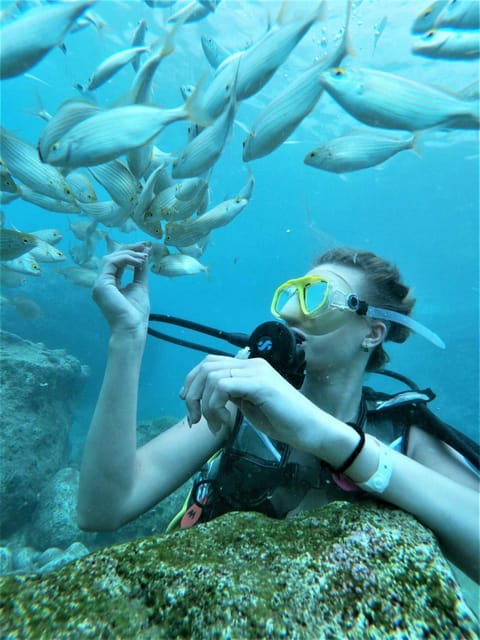
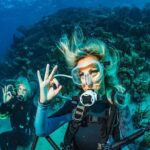
This is a classic “try it, then go a bit further” structure. You’ll get two separate underwater sessions during the day, and they’re spaced so your brain has time to settle after the first one. The first is set at about 5 meters. The second goes deeper at around 10–15 meters. Each underwater stint is roughly 20–25 minutes, so you’re not rushing around under stress.
Why that depth progression is a good thing for most people: at 5 meters, you can focus on breathing, buoyancy, and staying calm. Then at 10–15 meters, the water feels cooler and the view can open up a bit more. It’s a step up, not a leap.
If you’re hoping for a single long underwater hour, this isn’t that kind of outing. But if you want a balanced day—learning, seeing life underwater, and still having plenty of surface time—the pacing is a strong match.
You can also read our reviews of more scuba diving tours in Kemer
Aquarium Bay vs. Kiris Bay: where the action happens
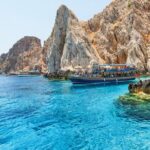
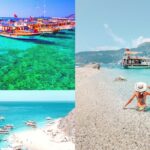
The day is built around two named areas: Aquarium Bay and Kiris Bay. You’ll travel by boat between them, and the crew picks the spots they consider the best.
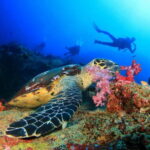
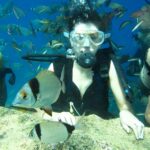
Aquarium Bay is where you’ll likely feel the most “wow” moments. The program specifically includes time to feed fish directly from your hands. That detail changes the experience. Instead of staring at distant fish, you’re watching them come close because you’re part of the interaction—within the boundaries of what the crew allows.
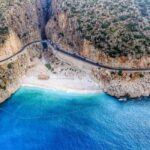
Kiris Bay is the second stop, paired with the deeper session. You should expect a different underwater feel simply because of the depth and the way fish and visibility tend to vary by location and time of day. The operator also notes they know the best spots very well, which matters because good conditions and the right place make a big difference in what you’ll actually see.
One practical note: you might be tempted to bring extra gear to get more footage. Don’t. The rules say cameras, professional cameras, and waterproof cameras are not allowed. So your “memory method” has to be attention, not equipment.
The briefing before you enter the water
Before you start, instructors go over the essentials. This isn’t just a quick nod-and-go. The tour includes instruction on how to use the equipment, what to expect on the boat, and the safety procedures you need to follow.
That briefing is valuable for two reasons. First, it helps you avoid the common beginner problems—poor mask fit, rushing your breathing, or not knowing what to do if you feel confused. Second, it keeps the group moving smoothly, which often leads to a calmer and safer experience overall.
Even better: the operator states that no diving license is required. So the day is designed around guided learning rather than demanding prior experience.
What to remember as you listen: focus on clear signals from the instructor, follow the boat routines exactly, and take your time. If you’re new, it’s normal to feel slightly “aware” of your breathing gear. The goal is steady, not fast.
Gear, masks, and comfort tips for your day
You’re provided with diving equipment, which is a big part of why this tour can feel good value. You won’t have to figure out weights, regulators, or fit on your own before you show up.
That said, mask fit can make or break your comfort. One person noted that their swimming goggles weren’t too good or didn’t fit their face size well. That’s a heads-up for you: if you have a smaller face, a narrow nose bridge, or glasses-related fit needs, pay extra attention when you’re assigned gear. Ask for adjustments early—before you’re already on the boat.
What you do get to control:
- Wear swimwear you’re comfortable in under a wetsuit (or similar setup, if provided)
- Bring a towel and sunscreen so you can dry off and protect your skin quickly afterward
- Take the time to settle the mask seal, then keep still while it forms a good seal
Also, even though the day includes fish-feeding, the rules also mention no feeding animals. In practice, you should assume feeding is supervised and limited to what the crew provides. If you’re uncertain, ask on the boat. It’s safer to clarify than to guess.
Feeding fish from your hands: the “close-up” moment
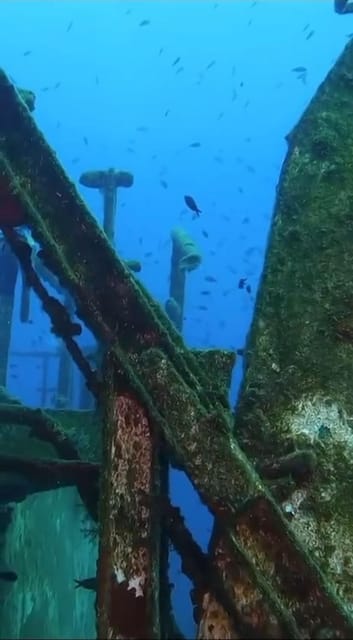
This is one of the headline experiences for the day, and it’s exactly the kind of activity that makes people talk about their day afterward.
You’ll have the chance to feed fish directly from your hands during the Aquarium Bay stop. This is not just surface sightseeing. It turns the water into something interactive, where fish behavior becomes part of your viewing.
For best results, stay relaxed and follow the instructor’s timing. Don’t rush. If you grip too tightly or move too fast, it can spook fish and also make your own breathing feel harder. Think slow, steady, and controlled.
And because you can’t bring cameras, you’ll want to mentally “tag” that moment while it’s happening. Look, feed, breathe calmly, then enjoy the rest of the session without trying to multitask.


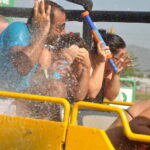
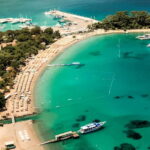
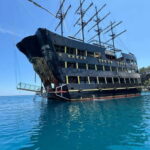
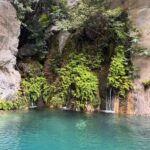
Boat time, snorkeling, and a lunch that helps you enjoy the second half
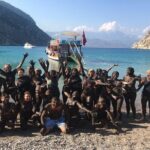
The tour doesn’t end when the water work is done. You’ll spend time on the boat relaxing on the way between bays and during breaks. Then you also get snorkeling and swimming time in the sea.
That surface time is important, especially if you get a bit tired after gearing up and managing your breathing underwater. Snorkeling can be a nice middle ground—still seeing underwater life, but without the same pressure-control demands.
Lunch is included. In one experience, the meal was described as warm and consistent, which is a good sign because boat days can be rough if you’re hungry. Having food on board helps you recover so you’re not counting minutes until you can sit down somewhere dry.
When you plan your day, think of it as three parts:
1) instruction and setup
2) two underwater sessions
3) downtime plus snorkel and swim
That structure is what keeps this from feeling like a rushed checklist.
Instructor support and languages: Turkish, German, Russian, English
Good scuba days usually come down to communication. This operator lists instructors who speak Turkish, German, Russian, and English, so you should be able to understand the safety talk and the key underwater instructions.
One traveler specifically praised the staff for speaking English well. That’s not guaranteed for every group, of course, but it’s a good indicator that the team can handle basic explanations clearly—especially for first-timers.
How I’d use this info if you’re booking: if you prefer English, choose the option that best matches your language comfort. If the group is mixed, ask how instruction will be delivered before you get in the water.
Price and value: what $29 really buys you
At about $29 per person, this is positioned as an affordable way to get an organized underwater day without paying boutique-level prices. You’re not just paying for the experience itself. You’re also paying for the structure: gear, professional instructor time, two underwater sessions, lunch, and the program coordination.
What’s not included makes the value clearer:
- Photos and videos are not included (so you may want to rely on a phone for non-water times, but note camera rules while underwater)
- Drinks are not included
Also important: in this option, roundtrip transfer is not included. You meet at Kemer marina. That can be totally fine if you’re staying nearby, but if you’re not, your real cost could increase once you add transport to the start point.
If you already have a way to get to Kemer Marina, this price can feel like a solid bargain because you’re getting equipment + instructors + a full day plan, not just a short water ticket.
Meeting point and timing: start at Kemer Marina
In this version, you’ll be welcomed at Kemer Marina. If you select pickup, you’re told to be outside your hotel about 5 minutes before pickup time, and the operator will confirm the exact pickup time after booking.
Why that matters: if you’re not near the marina, waiting around can eat into the day. I’d plan to arrive early enough that you don’t feel rushed during check-in, gear assignment, and the start briefing.
The tour runs for about 7 hours, and starting times depend on availability. So if you’re trying to fit it around other Kemer plans, check the schedule early.
What to bring (and what to skip)
You’ll want the basics for comfort and sun:
- hat
- swimwear
- towel
- sunscreen
Skip cameras. The rules say cameras, professional cameras, and waterproof cameras are not allowed. They also list no feeding animals, so assume fish-feeding is supervised by the crew as part of the program.
If you’re thinking about photos: one person mentioned a photographer provided nice pictures. Photos and videos are not listed as included, though, so treat photography as something you might purchase after. Bring your expectations in line with the rules so you don’t get surprised on the day.
Who this Kemer underwater day suits best
This is a good fit if:
- you want guided underwater experiences with instruction and safety procedures
- you’re curious about the Mediterranean underwater world but don’t have a license
- you like the idea of fish-feeding plus snorkeling time on the surface
- you want a full day that still feels relaxed, thanks to boat time and lunch
It may not be a good fit if:
- you have heart problems, since the tour is not suitable for that
- you’re sensitive to rules that limit personal cameras and equipment
Also, even if you can’t swim, you can still join. That’s useful. It suggests the program doesn’t rely on strong swimming ability the way some open-water activities do.
Extras and depth options: what you might be offered
One review mentioned an offer for an extra option at around -15 meters near a Poseidon statue, but it was described as costing 50 EUR and tied to having a scuba diving certificate. The details weren’t presented as part of the core inclusion, so treat it as an add-on you might hear about if you qualify.
If you’re certified and interested in extra depth, it’s worth asking politely during the briefing. If you’re not certified, stick to the planned program depths.
Should you book this Kemer Aquarium and Kiris Bay experience?
Book it if you want a structured, beginner-friendly underwater day that doesn’t leave you stuck planning logistics. The two-session format at 5 m and then 10–15 m is a nice way to build confidence, and the fish-feeding moment in Aquarium Bay is the kind of detail that can make the day memorable.
I’d pass or reconsider if cameras are a must for you or if you’re concerned about health suitability. Also, if you don’t live near Kemer Marina and don’t want to add transport costs, check whether you can arrange pickup.
If you match the profile—comfortable following instructions, ready for sun and sea time—this is a good-value way to spend a single day in Kemer with professional guidance.
FAQ
How many underwater sessions are included?
The tour includes 2 underwater sessions.
What depths are the sessions?
The first session is about 5 meters, and the second session is about 10–15 meters.
Do I need a diving license?
No diving license is required for this tour.
Can non-swimmers join?
Yes. The operator states that even those who cannot swim can join.
What languages will the instructor speak?
The instructor team lists Turkish, German, Russian, and English.
Is lunch included, and are drinks included?
Lunch is included. Drinks are not included.
Are cameras allowed?
No. The tour rules state that cameras, professional cameras, and waterproof cameras are not allowed.
—
Provider: Yükay Turizm