REVIEW · ISTANBUL
Jewels of Turkey – 4 Day Trip to Pamukkale Ephesus Cappadocia with Balloon Ride
Book on Viator →Operated by Travel Experts · Bookable on Viator
Turkey pulls you in fast on this 4-day loop. You’ll see Pamukkale travertines and Ephesus ruins, then end in Cappadocia with dramatic sunrise views.
Two things I really like: the itinerary is built to minimize wasted time by using domestic flights between regions, and the touring approach is structured around your time on the ground—supported by a licensed guide, skip-the-line style access for key sites, and hotel pickup where possible.
One thing to consider: this is a packed schedule with an early start (and long travel days). If you want lots of free time or zero logistics pressure, you might feel squeezed.
In This Review
- Key things to know before you go
- Why this Pamukkale–Ephesus–Cappadocia route is such good value
- Day 1: White travertines, Hierapolis ruins, and the Pamukkale spa moment
- Hierapolis Ancient City: Roman-era highlights you can actually picture
- Pamukkale Thermal Pools: walk in the “white” and choose your swim
- Cleopatra’s Pool (Antique Pool): worth it if you’re okay with the add-on
- Lunch, then Laodicea Ancient City: more ruins, less waiting
- Optional paragliding at Pamukkale
- Drop in Kusadasi (with quick self-visit suggestions)
- Day 2: Ephesus and the Virgin Mary’s House, plus Artemis at Selçuk
- Kusadasi Bay photo stop: Gazi Begendi Park
- House of the Virgin Mary: quiet pilgrimage energy
- Ephesus Ancient City: the big names, plus the right kind of walking time
- Selçuk lunch and then Temple of Artemis
- Flightroute to Cappadocia: the day ends with logistics
- Day 3: Sunrise balloon ride (if included) and Cappadocia in a small-group pace
- The balloon experience: what you get and what can change
- Urgup day tour energy: less generic viewpoints
- Göreme Open Air Museum and Tokalı Church
- Ortahisar and weaving cooperative: a different kind of pause
- Avanos lunch: testi kebab and pottery town feel
- Uchisar panoramic views and Devrent Valley imagination shapes
- Day 4: Keslik Monastery, Sobesos mosaics, pigeon views, and Kaymakli Underground City
- Keslik Monastery: two churches and a whole cave complex
- Sobesos Ancient City: geometric mosaics from a less-famous site
- Uchisar lunch and a real food break
- Pigeon Valley and optional onyx factory
- Kaymakli Underground City: tunnels, stables, kitchens, and the claustrophobia warning
- Back to Istanbul
- Hotels, meals, and those in-between stops that matter
- Price and logistics: what you should weigh before paying
- Who this tour fits best (and who should look elsewhere)
- Should you book Jewels of Turkey?
- FAQ
- What time does the tour start?
- Is the hot air balloon ride included?
- What meals are included?
- Do you visit Cleopatra’s Pool at Pamukkale?
- Is Terrace Houses included in Ephesus?
- What’s the group size for Cappadocia tours?
- Is the Kaymakli Underground City visit okay for claustrophobia?
- What luggage limits are allowed on domestic flights?
Key things to know before you go
- Domestic flights cut the driving grind between Istanbul, Denizli, Kusadasi/Selçuk, and Cappadocia
- Pamukkale + Hierapolis in one day gives you both the white travertines and the Roman-era ruins
- Semi-private touring in Cappadocia (max 10) keeps the day from feeling like a cattle line
- Sunrise balloon timing is weather-dependent, so you’re booking an experience, not a guarantee
- Underground city visits are a treat if you like tunnels, but not if you dislike enclosed spaces
- Extra-fee options exist like Cleopatra’s Pool (Antique Pool) and paragliding—decide ahead of time
Why this Pamukkale–Ephesus–Cappadocia route is such good value
You’re paying around $1,902 per person for a 4-day package that strings together three of Turkey’s biggest draws—plus domestic flights, hotel transfers, and guided site visits. That sounds like a lot until you price it out yourself: Istanbul to Denizli, Izmir to Kayseri, then Cappadocia back to Istanbul is exactly the kind of travel that adds up fast.
What makes the value feel real is how the tour uses that flight time. Instead of spending half a day on buses, you get guided blocks in each region: travertines and Roman ruins, Ephesus and Artemis, then Cappadocia’s cave churches, valleys, and underground city. You’ll still move quickly, but you won’t be stuck in transit like some “same-day” itineraries.
A few more Istanbul tours and experiences worth a look
Day 1: White travertines, Hierapolis ruins, and the Pamukkale spa moment
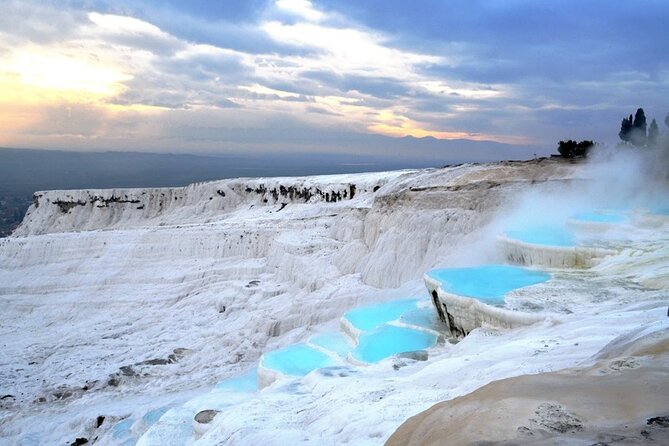
Your day starts with a transfer to the airport area and a flight to Denizli/Pamukkale, followed by a drive to the Pamukkale area. When you arrive, the tour focuses on one of Turkey’s most visual places: Hierapolis and the travertines at Pamukkale.
Hierapolis Ancient City: Roman-era highlights you can actually picture
You’ll spend time walking through the necropolis and major ruins, with stops that include the Roman Baths, Domitian Gate, Agora, Triton Fountain, Cathedral, Apollon Temple, Theater, and Antique Pool (the area tied to Cleopatra’s story). This isn’t just a list of ancient stones—these spots help you understand how the city worked: health, worship, public gatherings, and daily life.
I like that you also get photo time from some of the nicest angles while you’re there. In a place like this, timing matters: light and crowds both change fast.
Pamukkale Thermal Pools: walk in the “white” and choose your swim
After Hierapolis, you get about 60–75 minutes of free time to explore and swim in the white travertine pools (or go for the Antique Pool / Cleopatra’s Pool if you pay the extra fee). Then the group reconvenes and you’ll do a guided walk along the travertines—down the slopes, without shoes or socks—so you see the pools in a more structured way.
This is the moment most people come for. It’s also the moment you want to plan for practically: expect damp ground underfoot and keep an eye on where you’re stepping.
Cleopatra’s Pool (Antique Pool): worth it if you’re okay with the add-on
The Antique Pool sits above the lower travertines and is fed by the same hot springs. It’s a professionally run facility with clear warm water and a more “spa-like” feel than the lower travertines.
If you’re the type who likes the story, this is where you’ll get the payoff. If you’d rather keep costs down, you can still do the main Pamukkale swimming without it.
A few more Istanbul tours and experiences worth a look

Lunch, then Laodicea Ancient City: more ruins, less waiting
Lunch is included at a local restaurant. After that, you’ll stop for Karahayit, which is tied to a local handcraft workshop experience and a short lecture about the special stones/metals of the Pamukkale area.
Then comes Laodicea Ancient City, with artifacts dating back to very early periods and a later connection to the “Seven Churches” of Revelation. Even if you don’t know the names yet, the site helps you see how the region stayed important over centuries.
Optional paragliding at Pamukkale
There’s an optional paragliding add-on that flies over the UNESCO-listed Pamukkale/Hierapolis area. It’s short, but it’s also one of those “only here” experiences.
Drop in Kusadasi (with quick self-visit suggestions)
At the end of Day 1 you’ll transfer to your hotel in Kusadasi. Two nearby places aren’t visited as part of the tour stops—you can visit on your own after hotel drop:
- the small renovated Byzantine fortress on Guvercin Adasi (Pigeon Island)
- a caravanserai built by Okuz Mehmed Pasha, near the cruise port
If you want a low-effort evening plan, these are the kinds of options that don’t require extra planning once you’re already in the area.
Day 2: Ephesus and the Virgin Mary’s House, plus Artemis at Selçuk
Day 2 is built around a single idea: Ephesus is the headliner, with powerful religious sites nearby.
Kusadasi Bay photo stop: Gazi Begendi Park
Before heading to Ephesus, you’ll stop at Gazi Begendi Park for views over Kusadasi Bay. It’s a short pause, but it helps you reset your eyes before the ancient-city walk.
House of the Virgin Mary: quiet pilgrimage energy
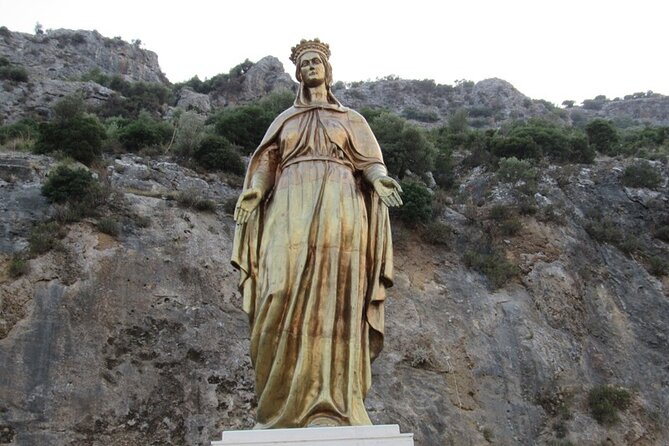
Next is The House of the Virgin Mary, described as the claimed last home of the Virgin Mary. The key is the setting—this one feels different from a ruin because it’s surrounded by natural beauty and functions as a pilgrimage stop. You’ll get around 45 minutes, enough time to absorb it without rushing.
Ephesus Ancient City: the big names, plus the right kind of walking time
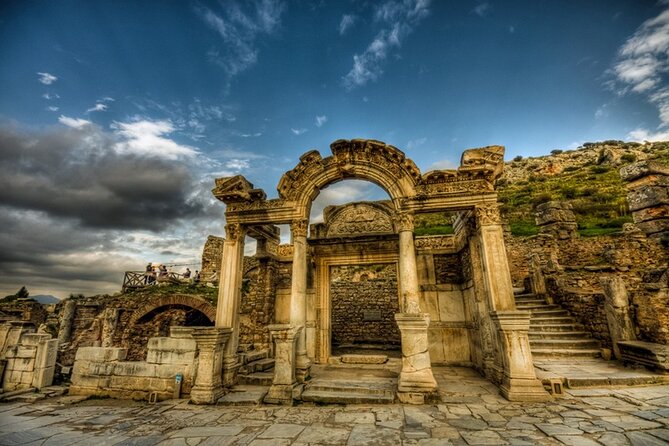
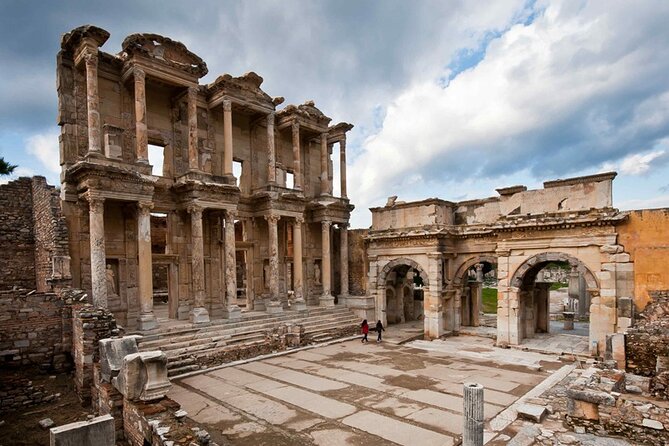
You’ll spend about 1 hour 45 minutes in Ephesus Ancient City, one of the most important harbor cities of the antique world and named as one of the Seven Churches. Highlights include the Celsus Library, Grand Theater, Temple of Hadrian, Odeon, Agora, fountains, gates, and ancient toilets (yes, it’s part of what makes the site feel real—ancient cities had infrastructure).
Two practical notes:
- You’ll likely pass by the Terrace Houses area while your guide explains them, but you’re not stopping for a full visit.
- This is a walking day. Wear shoes you trust.
Selçuk lunch and then Temple of Artemis
After Ephesus, you’ll have lunch in Selçuk. Then you’ll visit the Temple of Artemis, one of the ancient Wonders of the World, still standing near the Ephesus area.
Flightroute to Cappadocia: the day ends with logistics
After Ephesus, you transfer to Izmir Adnan Menderes Airport for a flight to Kayseri, then transfer to your hotel in Cappadocia.
This is where the tour’s “time-saving flights” show their value. You trade control for speed—and if you accept that trade, the plan works.
Day 3: Sunrise balloon ride (if included) and Cappadocia in a small-group pace
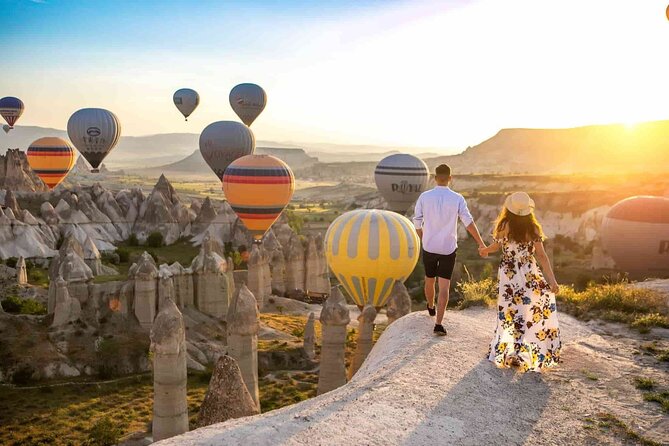
Day 3 is your payoff day. It’s also the day with the most moving parts, because the balloon ride happens at sunrise.
The balloon experience: what you get and what can change
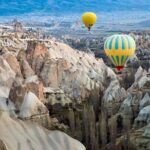
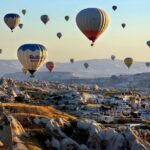
A hot air balloon flight is listed as included depending on your package option. The activity is described as about 60 minutes of flight, plus roughly 3 hours total including pickup, prep, and celebrations. You’ll watch balloon prep, then rise to around 700–1000 meters with sweeping views.
There’s also a note that balloon flight is weather-dependent, and aviation authorities decide whether flights go. So this is a “weather books your sky” situation. If your balloon flight is canceled due to weather, the data states you’d be entitled to a partial refund connected to the difference between options (it’s described as a difference between Standard and Optimal package options).
Urgup day tour energy: less generic viewpoints
After balloon time, your tour guide picks you up again for a structured, semi-private day. The approach is specifically described as more than just panoramic viewpoints—it aims at historical, cultural, and architectural understanding, with max 10 guests for the day.
Göreme Open Air Museum and Tokalı Church
You’ll visit the Göreme Open Air Museum with a focus on rock-cut churches and frescoes. The Tokalı Church (Buckle Church) is highlighted for its famous interior frescoes and importance within the Byzantine cave-church tradition.
This is one of the best stretches to take slow notes. Cave churches can look similar from the outside, but the frescoes and church details give each site its own personality.
Ortahisar and weaving cooperative: a different kind of pause
You’ll get a panoramic visit of Ortahisar (with a note that walking to the rock castle itself is not included due to safety and walking difficulty). After that, you’ll see a weaving stop at a cooperative where carpets are crafted—brief but hands-on in theme.
If you like culture that you can touch, these workshop/cooperative stops are a nice break from constant stone walking.
Avanos lunch: testi kebab and pottery town feel
Lunch happens in Avanos, with the chance to try Testi Kebab and a note that vegetarian options are available. Avanos is also known for earthenware and pottery production, tied to the area’s long-running clay tradition.
Uchisar panoramic views and Devrent Valley imagination shapes
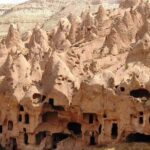
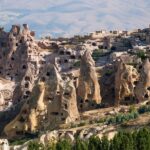
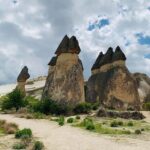
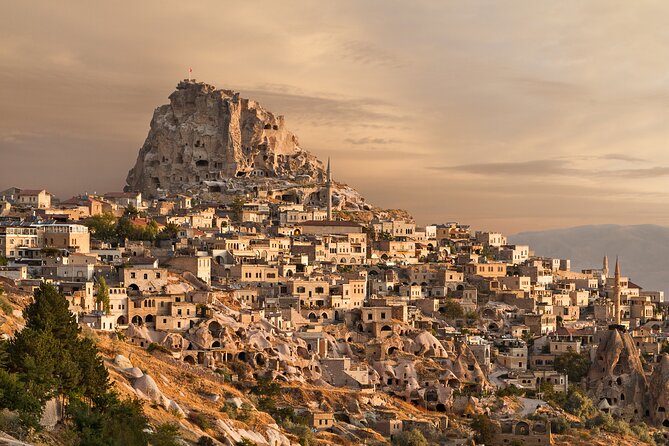
You’ll have a stop at Uchisar for panoramic views of fairy chimneys and rock formations. Then there’s Devrent Valley, also called Imagination Valley, where rock shapes resemble animals—especially camel shapes.
And yes, you’ll also see more fairy chimney examples as part of the day’s touring.
By the end, you’ll be transferred back to your hotel in Cappadocia.
Day 4: Keslik Monastery, Sobesos mosaics, pigeon views, and Kaymakli Underground City
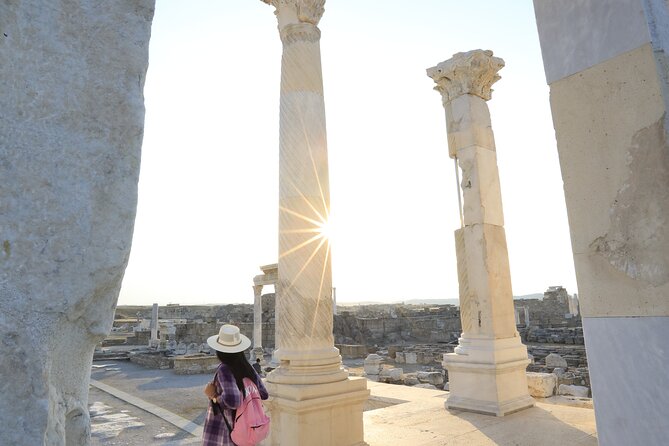
Day 4 keeps the theme: religion, daily life, and survival architecture, all in one region.
Keslik Monastery: two churches and a whole cave complex
You’ll visit Keslik Monastery, described as the largest monastery in Cappadocia. It includes two churches, a refectory hall, a sacred spring, and many cave rooms. The site has been used across eras: burial ground, then monastery, then a modern tourist destination.
This stop matters because it shifts you from the postcard views into something more like lived-in history.
Sobesos Ancient City: geometric mosaics from a less-famous site
Next is Sobesos Ancient City, discovered in 2002 with mosaics made with colored-stone designs. If you like feeling like you saw something off the usual checklist, this is where that happens.
Uchisar lunch and a real food break
You’ll have lunch in Uchisar at restaurants described as quieter and more authentic-feeling than the most tour-loaded spots. That matters in Cappadocia—some areas are gorgeous but can get salesy fast.
Pigeon Valley and optional onyx factory
You’ll stop at Pigeon Valley for panoramic views and to see pigeon houses built by ancient inhabitants. The itinerary notes that if you want, you can visit a renowned onyx stone factory in the region. If not, you still get the view.
Kaymakli Underground City: tunnels, stables, kitchens, and the claustrophobia warning
Your final major site is Kaymakli Underground City, described as spanning 8 levels (not all are accessible). You’ll see details like corridors connecting living areas and churches separated from stables, plus storage rooms, kitchens, and workshop spaces.
If you’re okay with enclosed spaces, this is fascinating. If you’re not, the tour data says it’s not recommended for travelers with claustrophobia.
One helpful detail from the feedback: the underground city experience can feel guided and story-driven, including a case where the guide for the underground caves was Mustafa.
Back to Istanbul
You’ll be transferred to Cappadocia airport for your flight back to Istanbul, then picked up and dropped at your hotel. The return flight is described as landing roughly between 9:30pm and 10:45pm, depending on the exact departure time range (8:00pm to 9:30pm). Plan your night accordingly.
Hotels, meals, and those in-between stops that matter
This tour includes 3 nights hotel accommodation with breakfast, and 4 lunches. Dinner is not included, so you’ll want to plan to eat out in Istanbul, Kusadasi, and Cappadocia on your own schedule.
The pre-planned hotel list includes:
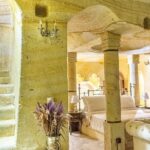
- Cappadocia: Yunak Evleri Hotel, Zeydem Suites Cave Hotel, 1811 Cave Hotel
- Other nights: Charisma De Luxe Hotel, Carina Boutique Hotel, Efe Boutique Hotel
The key practical point: if your first-choice category isn’t available, the operator can swap you to an equivalent hotel. That happened in at least one real trip experience reported as a mismatch, so I’d treat this as a “beautiful hotel, but double-check location preferences before you lock it in” type of situation.
You’ll also touch local crafts: stone/metals in Pamukkale, carpet weaving in Ortahisar, pottery culture in Avanos. Those aren’t museum-style detours. They help the sites feel connected to how people live now.
Price and logistics: what you should weigh before paying
Let’s talk about the $1,902-ish price tag in a grounded way.
You’re getting:
- domestic flight tickets across Turkey
- guided tours in Pamukkale, Ephesus, and Cappadocia
- hotel pickup and drop-off where specified (in Istanbul and Cappadocia; the data also notes limitations if your hotel is inside the airport zones)
- entrance fees for listed ruins/national park sites
- breakfast (3) and lunch (4)
What can affect your personal cost:
- Cleopatra’s Pool / Antique Pool is an extra fee
- paragliding in Pamukkale is optional
- balloon ride depends on which package you choose (and is weather-dependent)
Also: you’ll start early on tour days, with an official start time of 4:00am listed for the activity. Even if that’s not exactly your whole schedule each day, it’s a signal that you should sleep early and keep mornings light on plans.
Finally, confirm your balloon option. The descriptions conflict a bit on whether it’s included across packages, so treat this as a “check your booking option name” moment rather than guessing.
Who this tour fits best (and who should look elsewhere)
This is a great fit if you:
- want big-hitters (Pamukkale, Ephesus, Cappadocia) without spending days on buses
- like guided pacing and structured stop times
- are comfortable with walking and a moderately active schedule
- value sunrise-time experiences like ballooning (if included)
It may not fit you as well if you:
- want lots of unstructured downtime
- dislike tight logistics around airports and flight timing
- have trouble with enclosed spaces, since Kaymakli is part of the plan and claustrophobia isn’t recommended
Should you book Jewels of Turkey?
If your priority is seeing Pamukkale, Ephesus, and Cappadocia in one trip without turning your vacation into a transportation marathon, I’d say yes—with eyes open.
Book it if you’re excited by guided ruins, the travertine swimming moment, and the chance at a sunrise balloon flight. Skip it (or plan a different style of travel) if you hate early mornings, you want flexible pacing, or you’re wary of underground spaces like Kaymakli.
If you do book, my best advice is simple: decide in advance whether you want the Antique Pool add-on and whether ballooning is part of your chosen package. Then pack for comfort on slippery travertine paths and tunnel-style walking.
FAQ
What time does the tour start?
The activity start time is listed as 4:00am, and balloon activities are described as happening at sunrise time.
Is the hot air balloon ride included?
It depends on your booking option. The balloon ride is described as included for all options except the Standard Package, but the included-items section also describes it as something you can add while booking. Confirm your package name before you go.
What meals are included?
Breakfast is included for 3 mornings, and lunch is included for 4 days. Dinner and drinks are not included.
Do you visit Cleopatra’s Pool at Pamukkale?
The main Pamukkale travertine pools are included for swimming. Cleopatra’s Pool (Antique Pool) is described as an extra-fee option.
Is Terrace Houses included in Ephesus?
You will walk from the Terrace Houses area and your guide will explain them, but it’s listed as pass by without stopping / no visit.
What’s the group size for Cappadocia tours?
Cappadocia tours are described as semi-private with a maximum of 10 guests per group.
Is the Kaymakli Underground City visit okay for claustrophobia?
No. The tour notes it is not recommended for travelers who has claustrophobia.
What luggage limits are allowed on domestic flights?
You get a quota of 15kg luggage plus 8kg hand bag per person for each domestic flight, and extra luggage may require an additional fee.