REVIEW · ISTANBUL
Istanbul: Troy Guided Bus Tour with Ferry Tickets & Lunch
Book on GetYourGuide →Operated by TOURMANIA · Bookable on GetYourGuide
A Trojan Horse day trip from Istanbul works. This long but tightly run outing mixes Troy’s UNESCO ruins with storytelling you can follow, and it adds the Dardanelles ferry so the route feels like part of the history. You’re up early, you travel far, and you come back with a real sense of where the Iliad fits into the landscape of Turkey’s past.
I love how the day gives you more than photos: you walk the ruins with an English-speaking guide who connects the sites to the myths. I also love that lunch is built in at Eceabat, so you’re not scrambling after hours on the bus.
One thing to consider: the tour price does not include Troy entrance (listed as €27), and the day’s timing can feel stretched because you’re traveling a long distance from Istanbul.
In This Review
- Key highlights worth planning for
- Leaving Istanbul: early pickup and the 16-hour reality check
- Hotel pickup timing and why it affects the whole day
- The Dardanelles ferry ride: the route becomes the story
- Eceabat lunch stop: food is timed to your day, not the other way around
- Çanakkale Province photo stop: scenic breaks and the film horse moment
- Walking Troy’s ruins: Temple of Athena, Odeon, Bouleuterion
- The Temple of Athena (and what it represents)
- The Odeon: where performances fit into city life
- The Bouleuterion: politics made physical
- Excavations in progress: you can see history being uncovered
- The Trojan Horse replica: the famous image, placed where it matters
- Layers of Troy: why the ruins feel like time travel
- Museum time: you might, you might not
- Getting around inside the day: guide talk, walking pace, and comfort
- Price and value: what you pay, what you still pay, and what you get back
- Who this Troy tour suits best
- Should you book this Istanbul to Troy guided bus tour?
- FAQ
- What is the total duration of the tour?
- Where does the pickup happen in Istanbul?
- What is the pickup time window?
- Is lunch included?
- Are ferry tickets included?
- Do I need to pay for Troy entrance?
- Is there an English-speaking guide?
- What ruins and stops are included at Troy?
- Where do you return to after the tour?
- What is the cancellation policy?
- Is there a reserve now, pay later option?
Key highlights worth planning for
- Early pickup (05:30–06:30) from Sultanahmet and Taksim, with possible nearby meeting points for logistics
- Ferry crossings on the Dardanelles, including the fun feel of being between Europe and Asia
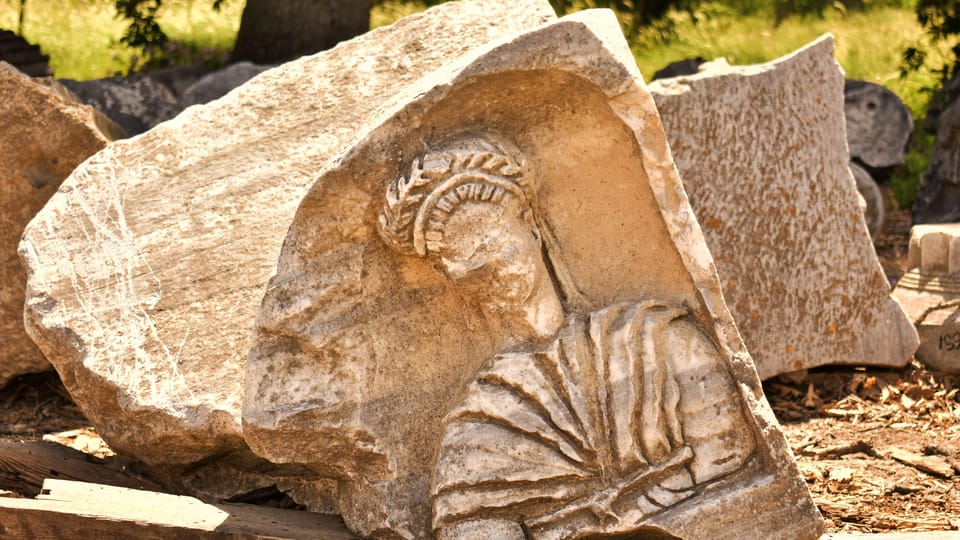
- A guided walk through Troy’s major remains, including the Temple of Athena, Odeon, and Bouleuterion
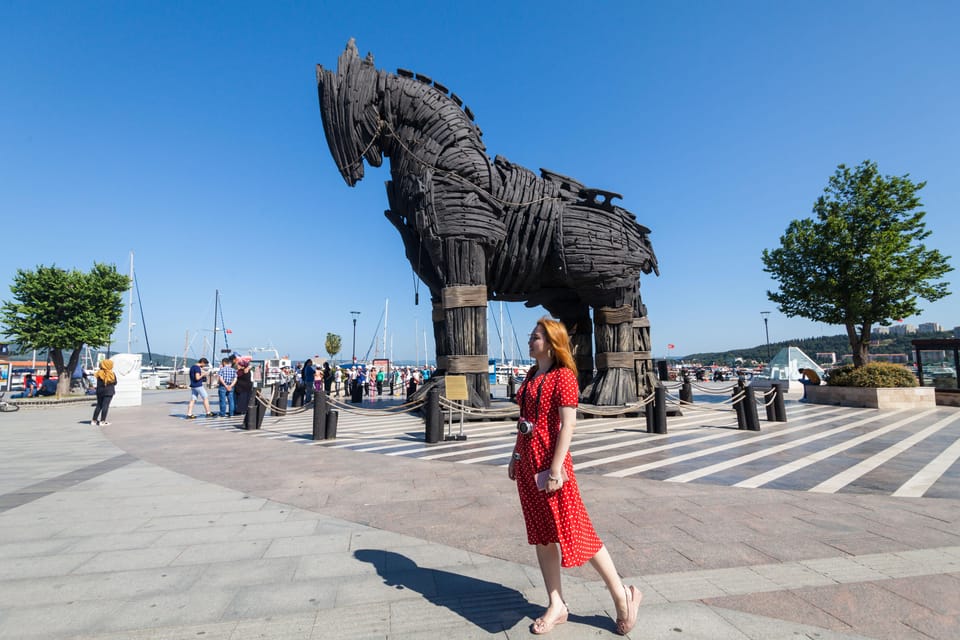
- The Trojan Horse replica on-site, built in the 1970s
- Excavations in progress you can see while the story is being uncovered
- Lunch at Eceabat plus ferry tickets and hotel transfers already included
Leaving Istanbul: early pickup and the 16-hour reality check
This is a classic Istanbul “big day” trip. You start in the pre-dawn hours, ride a bus for hours, then spend focused time in the Troy area before heading back. It sounds intense because it is. The trick is that the schedule is structured so you’re not wasting the day on figuring stuff out.
Your pickup is from the Sultanahmet and Taksim areas, generally between 05:30 and 06:30. One practical note: even if your hotel is selectable, the operator may give you a nearby meeting point instead, depending on what’s easiest for the transfer. I’d treat that as normal for Istanbul logistics, not a surprise. If you like sleep, plan for a quiet night before and keep your morning flexible.
Once you’re on the road, you’ll get a couple of breaks and photo stops along the way. Some of that downtime is simply travel reality, not a failure of the plan. Still, you should expect some waiting, especially in and around pickup points and around transport connections. If you’re the type who gets grumpy when the day runs long, this might try your patience.
The good part: because hotel pickup, guide, lunch, and ferry tickets are bundled, you spend your energy on the actual sites—Troy, the Dardanelles, and the key ruins—rather than on logistics.
A few more Istanbul tours and experiences worth a look



Hotel pickup timing and why it affects the whole day
That 05:30–06:30 pickup window shapes everything. It determines what time you reach the Eceabat lunch area, when you board ferries, and how your guided time at Troy lands.
In the comments from recent guests, punctual driver service gets praised. When Istanbul traffic causes delays, the organizers typically keep people updated. So the plan usually holds, but you should build in the mindset that Istanbul can slow down anything that relies on city driving. If you’re staying near Sultanahmet or Taksim, you’ll likely be closer to the original plan; if you’re elsewhere, you may be directed to a nearby meeting point.
Pack like it’s a long day outdoors. The bus ride and ruin walking both take energy, and Troy can get hot (it’s on the exposed side of a historic site, not a shaded mall). Bring water if you’re able, and wear shoes that handle uneven ground.
Also: charge your phone. There’s no guarantee of strong onboard amenities, and even if you have charging ports on the bus, battery life still matters. I’d download maps and save key stops offline so you’re not relying on signal when you want it most.
The Dardanelles ferry ride: the route becomes the story
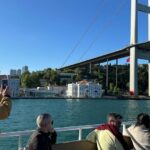
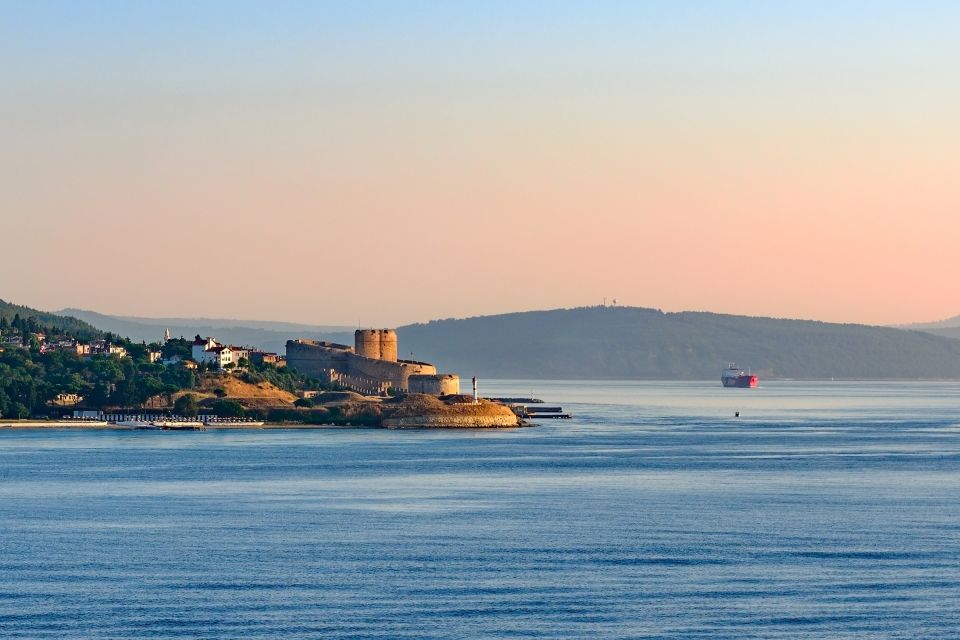
This tour uses ferries as more than transport. You take rides across the Dardanelles, the strait that acts as a boundary between Europe and Asia. That alone is a cool “I’m really moving across Turkey’s geography” feeling.
The schedule includes a ferry crossing around the early portion of the day (after the Eceabat lunch segment) and another ferry ride later as you return toward Istanbul. The exact timing moves around slightly with traffic and connections, but the idea stays the same: you don’t just drive to Troy. You cross the water in between.
Why it matters for your experience: you get a break from the bus, and you also get a visual sense of the region. Watching coastlines slide by while your guide narrates the broader historic frame makes the day feel more cohesive. It turns the transfer time into part of the lesson.
If you get motion sick, think ahead. Even short ferry rides can bother some people, especially if you’re sensitive. Bring any usual remedy you rely on, and consider sitting where you can see the water rather than just staring at the bus wall.
Eceabat lunch stop: food is timed to your day, not the other way around
Lunch is included, and it happens in Eceabat, a practical staging point that lets the tour break up the long drive. I like this setup because it prevents a common day-trip problem: arriving hungry, scattered, and trying to find something quickly near a major attraction.
The meal is served at a local restaurant, with a mix of choices mentioned by guests such as fish, chicken, meatballs, and a vegetarian option. That variety matters. You don’t want the only option to be something you can’t eat or don’t feel like.
One timing detail to know: your meal may land around late morning, and if you also grab an early breakfast on your own, you could end up eating too much too fast. It’s not a disaster, but it can make the first stretch feel heavy. My advice: go lighter earlier, and treat lunch as the main meal of the day.
This stop is also a chance to reset before the archaeological part of the day starts. Use the restroom, stretch your legs, and take a few minutes to slow down your brain. When you reach Troy, you’ll want your attention.
Çanakkale Province photo stop: scenic breaks and the film horse moment
After the first travel segment and ferry crossing, there’s time for a photo stop and sightseeing in Çanakkale Province with a guided walk. This portion can feel like a palate cleanser between transport and the big-ticket site.
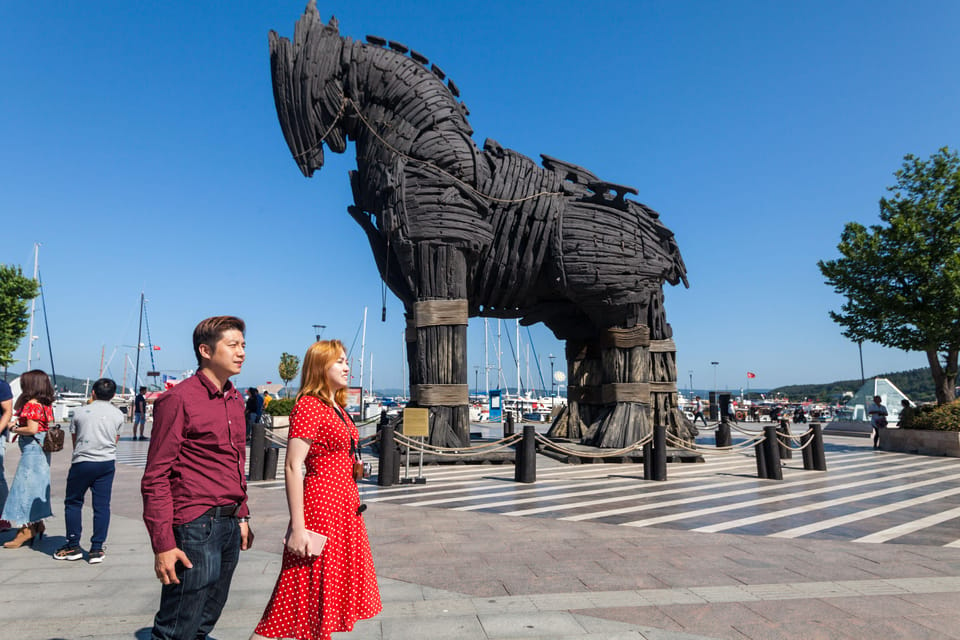
One standout detail from the field: there’s a local landmark that people nickname the “Brad Pitt Horse,” because it was created for the film and donated in 2004. Even if you’re not a film trivia person, it’s a fun reminder that Troy doesn’t live only in textbooks—it shows up in modern culture too.
The other value of this stop is practical. It stretches the day so you’re not constantly in transit. That can reduce the fatigue you feel by the time you reach Troy’s ruins.
Still, don’t assume it’s long. This is a day trip. Think of it as a quick, guided break with photo opportunities, not a full second sightseeing program.
You can also read our reviews of more guided tours in Istanbul



Walking Troy’s ruins: Temple of Athena, Odeon, Bouleuterion
Now for the main act: Troy. The site is UNESCO-listed, and the tour uses a guided approach to help you place what you’re seeing. You’ll make time for a walk through key remains and learn how the myth and the archaeology connect.
Here are the highlights you should look for as your guide points them out:
The Temple of Athena (and what it represents)
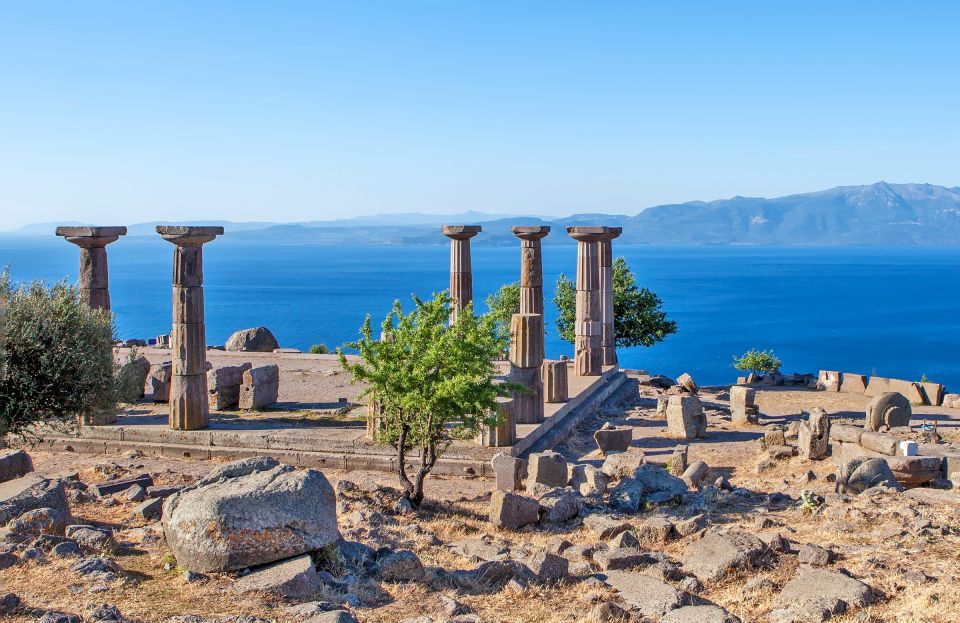
You’ll get to spend time at the ruins of the Temple of Athena. This is one of the spots that helps explain why Troy mattered in the first place—not just as a battlefield in stories, but as a real place with religious and civic gravity.
Pay attention to the way your guide links the mythic roles to the layout and monuments. Even if you’re not deep into Homer yet, this site usually gives you a quick path to understanding why certain characters and themes stuck around for centuries.
The Odeon: where performances fit into city life
The Odeon is next on the list of architectural marvels you’re shown. An odeon is tied to public gatherings—poetry recitals and musical performances. That detail is easy to skip on your own, but with a guide, it turns the ruins from scattered stones into evidence of daily culture.
When you picture people sitting in a theater-like space, the ruins stop feeling like background and start feeling like a lived-in world.
The Bouleuterion: politics made physical
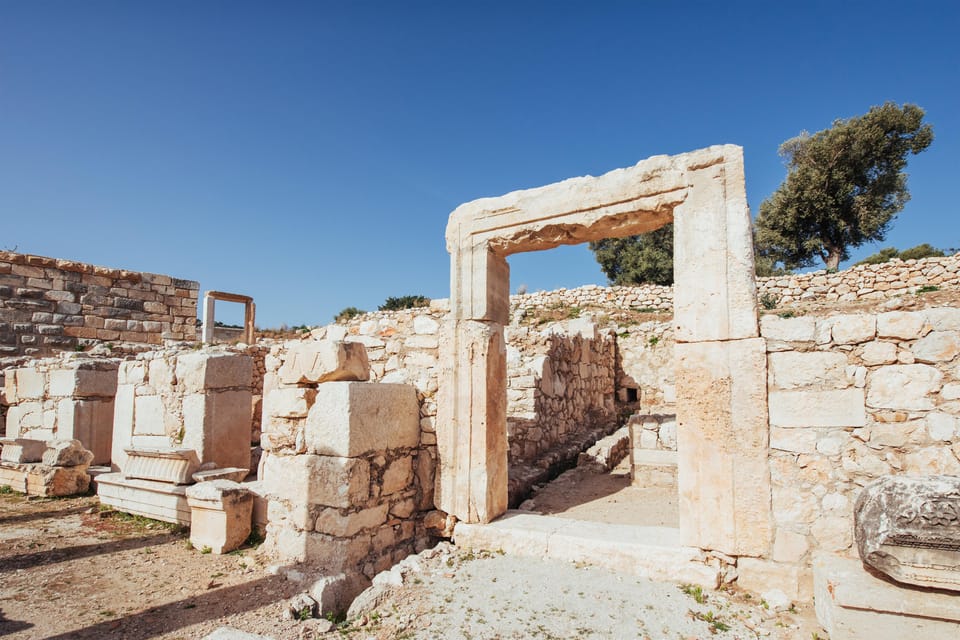
At the Bouleuterion, you’ll learn about where political affairs were discussed. This is a reminder that Troy wasn’t just myth and war. It had governance, decisions, and civic order—things you can’t easily see from a quick glance.
This stop is where guides help most. The ruins don’t label themselves. A good explanation gives you a mental map so you remember what each structure was for.
Excavations in progress: you can see history being uncovered
Another praised part of the tour is the chance to see excavations happening now. That’s a big value-add. You’re not just touring a finished museum. You’re watching archaeology unfold, and it changes the tone of your visit. It makes the site feel active rather than frozen.
In practical terms, you’ll usually spend enough time at the main ruins to hear the story, take photos, and see the areas where work is underway.
The Trojan Horse replica: the famous image, placed where it matters
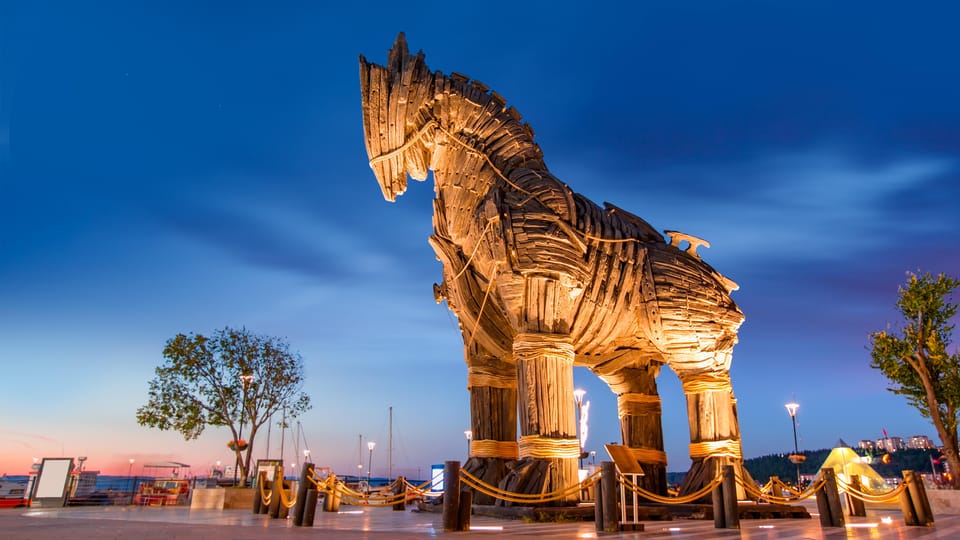
At the entrance of the archaeological site, you’ll see a towering replica of the Trojan Horse, reconstructed by Turks in the 1970s. It’s hard to miss. It’s also one of those “yes, I know it’s a replica, but still” moments.
What I like about this stop is how it anchors your entire understanding of Troy for the day. Even if you’re thinking, I’ve seen this myth everywhere, the replica gives you a physical starting point so you can follow the guide’s references.
Layers of Troy: why the ruins feel like time travel
Troy isn’t one single moment. The site holds remains across multiple eras. In the explanations you get, you’ll hear how the remains span from early Bronze Age levels through later Greek and Roman periods. That’s why the architecture feels layered and why your guide spends time connecting the dots.
If you remember one idea, make it this: Troy is a stack of cities. You’re walking through time, not visiting one date.
Museum time: you might, you might not
Timing can affect whether you have room for the Troy museum or a context stop before the ruins. Some schedules include it; other days may not. If museum context matters a lot to you, arrive with a flexible mindset. Even without the museum, the guided walking route still gives you a solid framework.
Getting around inside the day: guide talk, walking pace, and comfort
This tour is built around a guided pace. You’ll hear stories from an English-speaking guide the whole time, especially during the ruin sections. Recent guest feedback consistently highlights the guides—names like Levant, Ibrahim, Sandy, and Duygu come up with praise for clear explanations and engaging delivery.
That’s not a promise of any specific guide for your date, but it does tell you something about what the operator prioritizes: the story matters, and they’re selecting guides who can carry it.
On transportation, bus comfort can vary by vehicle and route traffic. One guest noted an air-conditioned 16-seater bus with USB charging points and no WiFi. So treat it like a normal long coach day: plan to look out the window, listen when the guide talks, and save your phone usage for photos and navigation.
Walking at Troy is manageable for many people, but it’s still a ruin site. Expect uneven surfaces, stairs or slopes in places, and sun exposure.
Price and value: what you pay, what you still pay, and what you get back
At $148 per person, this is not a cheap “quick look at Troy” add-on. The value comes from what’s included:
- Hotel pickup and drop-off (in the Sultanahmet and Taksim area)
- Lunch
- Ferry tickets on the Dardanelles
- An English-speaking guide
Those pieces matter because they remove the biggest time drains: finding transportation, booking ferries, and building an itinerary. You’re paying for convenience plus interpretation.
The main extra cost is Troy entrance, listed as €27. Some guests wished this was clearer upfront, so treat the entrance fee as part of your real budget even if it’s not in the headline price.
Is it worth it? If you want to see Troy in one day from Istanbul, and you like having a guide connect myth, archaeology, and structure, the bundled day makes sense. If you’d rather go at your own pace and don’t care about ferry logistics, you could spend less on a DIY plan—but you’d trade away the guided narrative and the built-in schedule.
Also consider time value. Sixteen hours is a lot. If you’re the type who likes travel to feel easy, you may prefer an overnight option in the region. But if you only have one day and you want Troy off your list, this tour is built for exactly that.
Who this Troy tour suits best
This trip is a strong match if you:
- Love classical stories and want them explained in context
- Prefer guided structure over DIY logistics
- Want the Dardanelles ferry element without extra planning
- Are okay with an early start and a long day
It may feel less ideal if you:
- Hate long coach rides and are sensitive to schedule delays
- Want an unhurried ruin experience with lots of free time
- Are traveling with very strict timing constraints that depend on Istanbul traffic behaving nicely
Should you book this Istanbul to Troy guided bus tour?
I’d book it if Troy is a priority and you want a guided day that handles the hard parts: transportation from central hotels, ferry tickets, and a ready-made day plan with lunch. The biggest reason to say yes is the mix of storytelling plus walking at major points like the Temple of Athena, Odeon, and Bouleuterion, plus the on-site Trojan Horse replica.
I’d hold off if you’re mainly chasing photos and you don’t care about the explanations. You’ll still see Troy, but the tour’s value is in the guide-led connections.
If you decide to go, I’d plan your day like this: go to bed early, pack comfortable shoes and sun protection, and budget the Troy entrance fee separately. Do that, and you’ll get a memorable, story-filled day that feels bigger than just getting from Istanbul to ruins.
FAQ
What is the total duration of the tour?
The tour duration is listed as 16 hours.
Where does the pickup happen in Istanbul?
Pickup is included from hotels in the Sultanahmet and Taksim area.
What is the pickup time window?
Pickup is between 05:30 and 06:30, depending on your hotel location. The operator may use a nearby meeting point to make transfers smoother.
Is lunch included?
Yes. Lunch is included, served at a local restaurant in Eceabat.
Are ferry tickets included?
Yes. Ferry tickets are included, with ferry rides on the Dardanelles during the day.
Do I need to pay for Troy entrance?
Yes. Entrance to Troy is not included and is listed as €27.
Is there an English-speaking guide?
Yes. The guide is provided in English.
What ruins and stops are included at Troy?
The tour includes guided time at the ruins, with stops such as the replica of the Trojan Horse, the Temple of Athena, the Odeon, the Bouleuterion, and areas where excavations are in progress.
Where do you return to after the tour?
After the tour, you’re brought back to your hotel.
What is the cancellation policy?
Free cancellation is offered up to 24 hours in advance for a full refund.
Is there a reserve now, pay later option?
Yes. You can reserve now and pay later to keep plans flexible.