REVIEW · ISTANBUL
Istanbul: Private Gallipoli Peninsula Day Trip
Book on GetYourGuide →Operated by Welcome Pickups · Bookable on GetYourGuide
WWI memorials meet the Bosporus for a day. This private Gallipoli Peninsula trip turns a long drive into a guided story of the Battle of Çanakkale, with cemetery stops along the shoreline and hotel pickup that makes the whole thing feel practical. You also get room to steer the day toward what matters most to you.
I love the hotel pickup and drop-off convenience, because Istanbul traffic can be a headache and this keeps your day focused. I also like that your English-speaking local driver-guide doesn’t just drive—you’ll get explanations, context, and chances to ask questions as you visit places like Beach Cemetery and Lone Pine.
One consideration: the driver-guide is there to guide you outside, but they aren’t permitted to enter museums or archaeological areas. That means you’ll do the on-site exploring and reading yourself once you’re there.
In This Review
- Key points worth knowing
- Why Gallipoli feels different from Istanbul
- The private driver-guide setup: what you’re really paying for
- 14 hours on the road: how to make the day feel manageable
- Beach Cemetery: the emotional opening act
- Lone Pine Cemetery and Memorial: names, positions, and meaning
- Walker’s Ridge and the climb in your understanding
- Chunuk Bair (New Zealand memorial zone) and Unknown Soldier markers
- Mehmetçik Monument, Ari Burnu, and 7Anzac Cove: one shoreline, many layers
- The bigger WWI context your driver should help you connect
- What’s included (and what’s not) for real-life planning
- Price and value: is $412 per person fair?
- What to pack and how to stay comfortable on a coast-heavy day
- Who should book this private Gallipoli day trip?
- Should you book this? My straight answer
- FAQ
- How long is the Istanbul to Gallipoli day trip?
- How much does the private Gallipoli Peninsula day trip cost?
- What are the main highlights you’ll see?
- What’s included in the price?
- Are meals or drinks included?
- Can the itinerary be changed to match my preferences?
- Is there an English-speaking guide?
- Will the driver enter museums or archaeological areas with you?
- What should I bring for the day?
- Is pickup from the airport included automatically?
Key points worth knowing
- Door-to-door comfort with Istanbul pickup and return, plus a private car sized for your group
- English-speaking local guide-style driving with history and Ottoman-era context during the drive and at stops
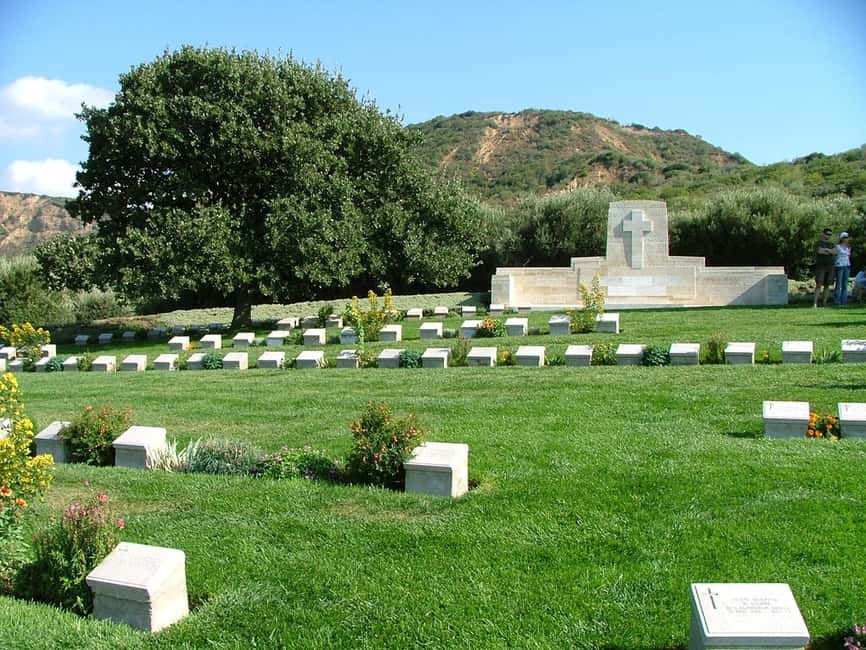
- Big, meaningful cemetery visits tied to specific battleground zones, including Beach Cemetery and Lone Pine
- A customizable route where you can add or remove stops based on your interests and timing
- Clear expectations about inside access, since the driver can’t go into museums or archaeological areas
- A long, full-day pace (14 hours) that’s best planned with water, breaks, and comfortable shoes
Why Gallipoli feels different from Istanbul
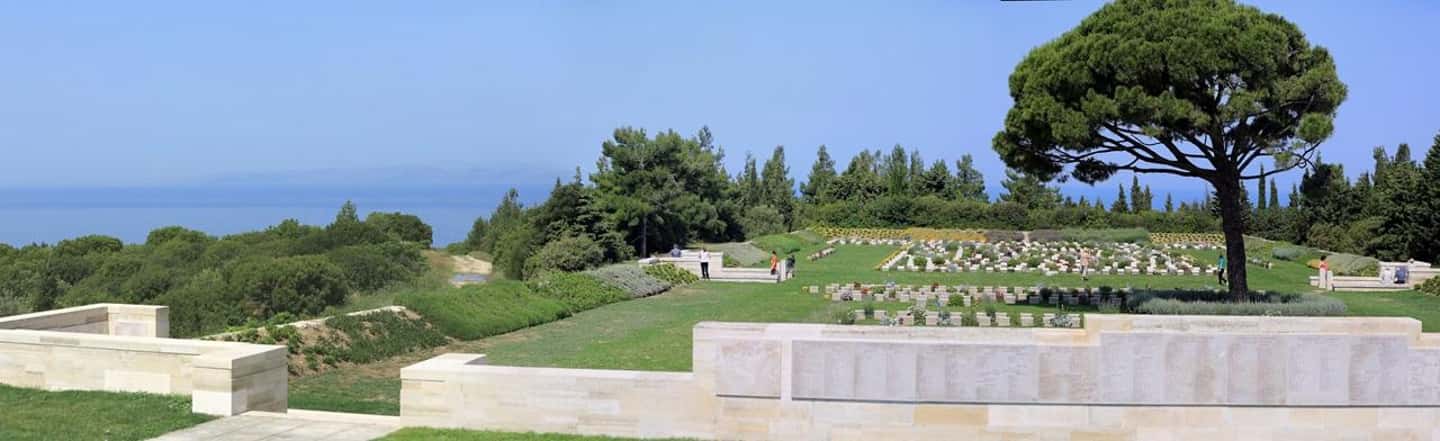
Gallipoli is one of those places where distance tricks your brain. Istanbul feels like a modern city with layers, noise, and pace. Then you cross into a coastline that’s quiet in comparison—and suddenly the World War I story stops being abstract.
This day trip works because it’s built around seeing the sites in person, not just hearing facts. You drive along the coast, you pause at cemeteries and memorials tied to particular actions, and you get time to look closely. The battle lasted more than half a year and cost tens of thousands of lives, so the day has a slow gravity to it. It’s not a quick photo stop tour; it’s a “stand here, read what’s written, and connect it to the larger campaign” kind of outing.
And because it’s private, you’re not stuck with a rigid group rhythm. If you want extra time at one cemetery or you’d rather skip another stop, you can usually shape the day around that.
You can also read our reviews of more private tours in Istanbul



The private driver-guide setup: what you’re really paying for
The big value here isn’t only transportation. It’s the blend of private driving + live English explanations during the day.
Welcome Pickups provides a local English-speaking driver-guide, and you’re told up front you’ll receive your driver’s details (name, phone number, and car info). That matters in practice: you can find them quickly and avoid that awkward “where is my ride” anxiety on a long day.
Also, the driver isn’t just repeating a script. In the best versions of this kind of tour, the guide helps you understand how the war unfolded and why these locations matter. Names you may hear in the driver pool include Omer and Verdat, both described as friendly, attentive, and good at handling questions, including practical help like translation when needed. That’s the point: you want someone who can connect what you’re seeing to what you came to learn.
Still, the limits are real. You won’t get a fully licensed guide walking you inside museums or archaeological areas. Your driver can set context before you go in, but once you’re inside, you’ll be on your own for exhibits and interpretation.
14 hours on the road: how to make the day feel manageable
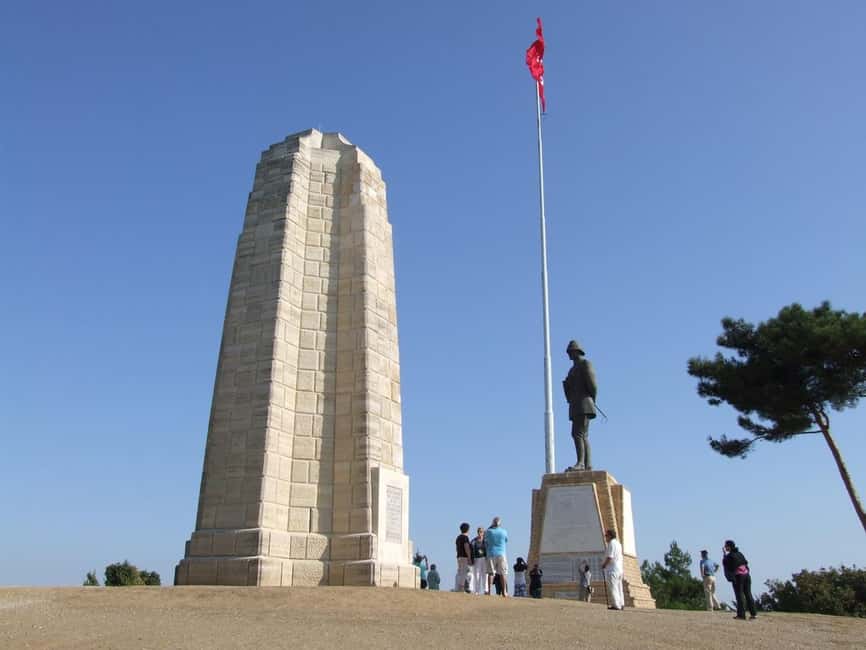
Fourteen hours sounds brutal until you see what’s actually happening. Gallipoli is far enough from Istanbul that you’re committing to a full day: travel time, multiple stops, and time to walk.
This is where a private format helps. You can control how long you stay at each cemetery, whether you need breaks, and how fast you move between points. The vehicle setup also matters. For small parties (1–3 people), you’ll typically be in a sedan. For larger groups (4–8 people), expect a minivan. Either way, the day is about comfort and staying focused.
One practical tip: plan your day like you would a long hike, not like a city sightseeing loop. Bring water, wear comfortable shoes, and consider a hat and sunscreen. The tour itself lists all of that for a reason—the coastline and outdoor memorial spaces mean sun exposure and lots of walking.
Beach Cemetery: the emotional opening act
You’ll start with Beach Cemetery, one of the sites that sets the tone for the whole trip. Even if you only know Gallipoli from a school lesson, cemeteries like this change the experience quickly. The scale and closeness of the memorial spaces make the campaign feel personal.
This stop also helps you connect the dots. The Allied landings at Gallipoli began with the goal of reaching and invading Istanbul. That big strategic aim becomes concrete here, because the cemetery is tied to the fighting around the shoreline.
Give yourself time at the cemetery to read and look. Try to slow down rather than treating it as a checkpoint. If you’re taking photos, do it like a person studying a scene, not like a person rushing to finish a list. You’ll remember the right moments later.
One more practical thing: cemetery terrain can be uneven in places. Comfortable shoes aren’t just a suggestion—they reduce friction when you’re trying to stay present.
Lone Pine Cemetery and Memorial: names, positions, and meaning
Next up is Lone Pine Cemetery. If you’re interested in how the battle unfolded at ground level, this stop is especially useful. Cemeteries here aren’t random; they’re tied to locations where units fought and where the fighting left its permanent record.
Lone Pine is a strong “bridge” between your drive-and-learn story and your deeper understanding of the campaign. Your driver-guide should be able to explain what you’re looking at—why this area mattered, and how it fits into the overall Gallipoli campaign that ran for months.
This is also a great place to ask direct questions. If you want to know how the different forces faced one another, or how the fighting shifted, you can do it while you’re standing in context. Since this is private, you don’t lose your chance to ask because a group is waiting.
A few more Istanbul tours and experiences worth a look





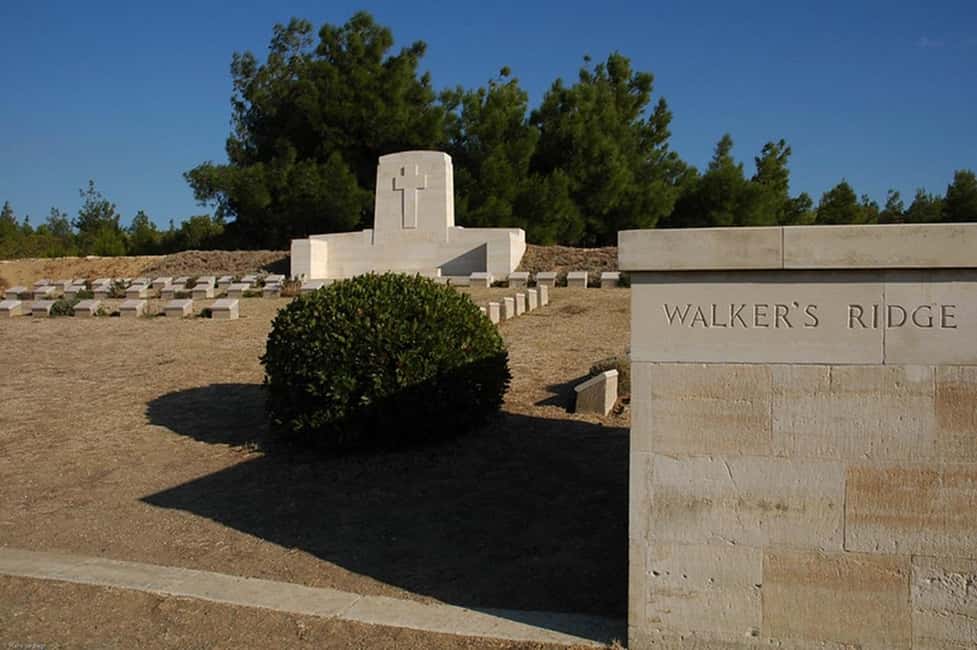
Walker’s Ridge and the climb in your understanding
Walker’s Ridge is another major stop that helps you “zoom out” without losing the details. The battle wasn’t one flat shoreline event. It involved fighting across ridges and areas where control of terrain shaped what soldiers could do next.
A driver-guide approach shines here. You’re not only getting information about dates and units—you’re getting help seeing the terrain logic. When you understand why a ridge matters, the names and memorial markers stop being just text.
As you move through the day, it helps to keep one simple question in mind: What decision does this place represent in the campaign? Even without deep military knowledge, that question keeps you grounded.
Chunuk Bair (New Zealand memorial zone) and Unknown Soldier markers
Chunuk Bair is often highlighted because it connects the Gallipoli story to the New Zealand and broader ANZAC involvement. In the experience format you’ll choose, Chunuk Bair is included as a key site, alongside memorials connected to the Unknown Soldier’s grave.
This is where the campaign’s international dimension becomes more than a list of countries. The Commonwealth and ANZAC forces are part of the landscape of memory on the peninsula, and the memorials give that presence a human shape.
If you’re the type who likes to take mental notes, this is a good moment. You’ll likely want to track how different sites represent different units, different actions, and different “chapters” of the same overall fight. Your driver-guide can help put the pieces in order while you’re still in the flow of the day.
And because this is a long day, watch your pace. It’s easy to feel emotionally heavy at multiple memorial sites back-to-back. Don’t skip breaks; they help you keep your focus.
Mehmetçik Monument, Ari Burnu, and 7Anzac Cove: one shoreline, many layers
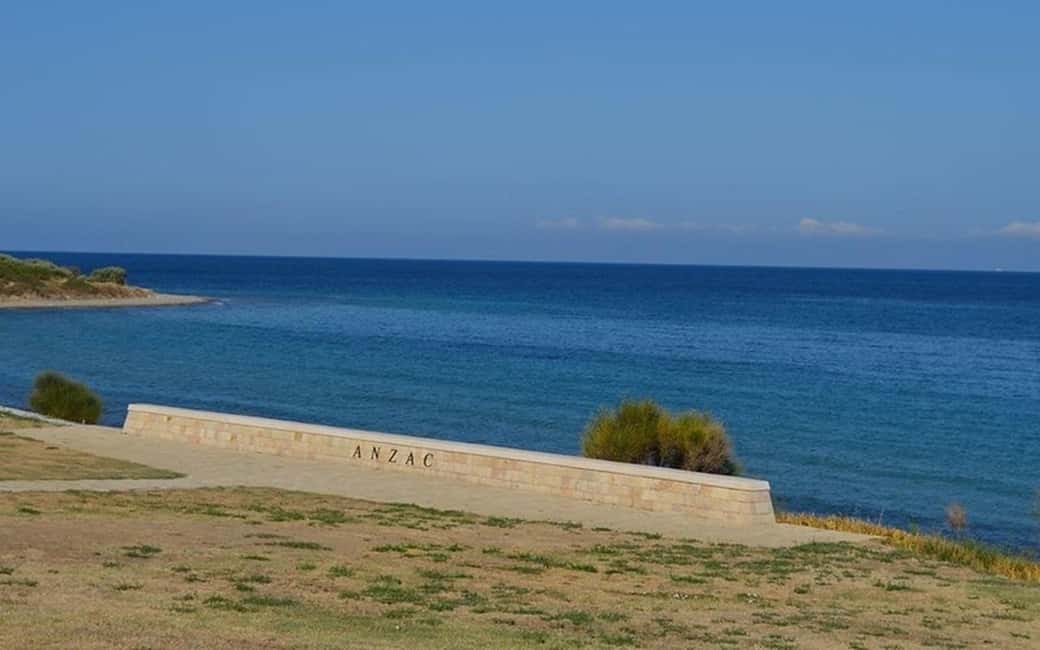
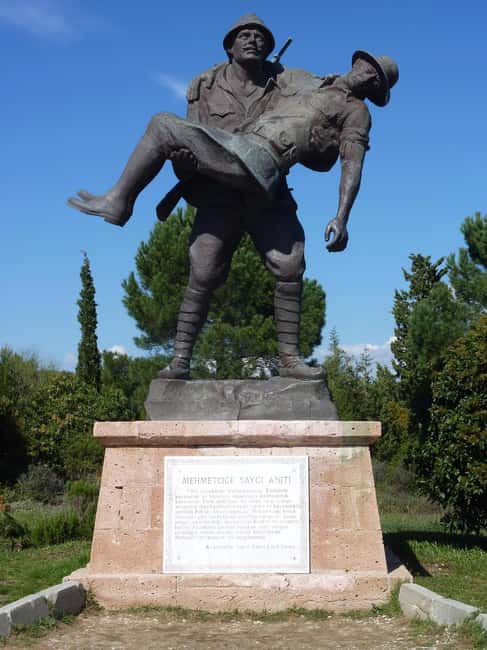
The tour also includes sites such as Mehmetçik Monument and Ari Burnu Cemetery, plus Anzac Cove (often referred to as 7Anzac Cove in this context). This stretch is valuable because it shows the Gallipoli story through different lenses.
Mehmetçik Monument connects the Turkish side of remembrance to the same events. That matters because Gallipoli isn’t only an ANZAC narrative; it’s part of how modern Turkey talks about national memory and wartime sacrifice.
Meanwhile, Ari Burnu Cemetery and Anzac Cove focus on the landing areas and early fighting zones. When you stand there, you can better understand why the Allies’ plan—invading Istanbul after landing on the peninsula—ended in disaster. The outcome wasn’t just a human tragedy; it also created major political weakness for the Allies after this catastrophic defeat.
This part of the day is also practical: the coastline setting makes the walking and viewing feel more “real-world” than museum slides. You see the curves of the shoreline, the openings and sightlines, and how the land meets the sea.
The bigger WWI context your driver should help you connect
By the time you’re halfway through, you’ll likely notice one theme: the Gallipoli Campaign is often taught as a single episode. On the peninsula, it feels more like a series of battles with shifting pressure over time.
Your driver-guide is there to explain the broader story—why the campaign lasted more than half a year, how the fighting claimed tens of thousands of lives, and why the Allies lost badly under the command structure described for the landings. The Turkish side of the story is part of that, too, through the memorial focus and the way sites are presented.
One reason I like this format is that it respects your curiosity. If you want the historical thread only at a surface level, you can follow it. If you want to ask deeper questions—about forces, timing, or why certain sites are emphasized—the driver can respond in a way that fits your pace.
What’s included (and what’s not) for real-life planning
This day trip includes fuel and tolls, all taxes and handling charges, free Wi-Fi on board, a personal English-speaking local driver-guide, and hotel pickup/drop-off.
What’s not included is just as important: beverages and meals. So plan your own food and water. Don’t count on finding a quick snack without thinking. On a long day, one missed meal can turn into a bad mood and slower energy.
Also, the experience doesn’t automatically include a licensed guide who goes inside attractions. Your driver-guide is part historian, part translator, part route coach—but you shouldn’t treat this as a museum tour with someone handling every exhibit for you.
Price and value: is $412 per person fair?
At $412 per person, you’re not paying for a bargain bus. You’re paying for a private car for 14 hours plus an English-speaking driver-guide who explains the campaign while you’re on the road.
Whether it’s good value depends on your group. If you’re traveling as a couple or small family, the private format can feel very reasonable compared with piecing together separate transfers and timed museum entry help. If you’re solo, the cost is harder to justify—but you may still find it worthwhile because you’re buying time and access: door-to-door pickup, a flexible pace, and stops that would be hard to coordinate efficiently on your own.
Also consider what you want most. If you’re mainly after “getting to Gallipoli,” a cheaper transportation option might work. But if you want your stops connected with clear historical context, the driver-guide component is the value engine here.
What to pack and how to stay comfortable on a coast-heavy day
The tour is straightforward about what to bring: comfortable shoes, a hat, camera, sunscreen, and water. I agree with that list. Sun and walking add up quickly at outdoor memorial sites and along the shoreline.
A few common-sense add-ons:
- Bring layers. Coastal areas can feel cooler than the city, especially later in the day.
- Keep your camera handy but don’t shoot nonstop. Read first, then photograph.
- If you wear glasses or contacts, clean them before you go—wind can make it annoying to see small text.
Also note a basic rule: no smoking in the vehicle.
Who should book this private Gallipoli day trip?
This experience is a strong fit if you want:
- A full-day Gallipoli Peninsula outing with major cemeteries and memorials
- An English-speaking guide during the drive, with chances to ask questions
- Flexibility to adjust stops and pacing without managing transit logistics
It’s private, so you’ll be in control of the rhythm. That makes it a good choice for history-minded couples, friends, or anyone who wants a calm, structured day without group pressure.
It’s not suitable for children under 6, pregnant women, or wheelchair users based on the tour’s stated limitations. It also may feel like a long day if you don’t handle long drives and repeated outdoor walking well.
Should you book this? My straight answer
Book it if you want Gallipoli to feel organized, personal, and connected—especially if you care about seeing specific memorial sites and understanding how the Battle of Çanakkale unfolded. The private driver-guide style is the right match for people who like asking questions on the ground.
Skip it if your top priority is lowest cost or if you specifically want a licensed museum guide inside every exhibit. The driver helps at stops, but inside access isn’t handled the same way as a full guided program.
If you have a day to spare and you’re serious about the human side of World War I memory, this is an efficient, comfortable way to do it from Istanbul.
FAQ
How long is the Istanbul to Gallipoli day trip?
It runs for 14 hours total.
How much does the private Gallipoli Peninsula day trip cost?
The price is $412 per person.
What are the main highlights you’ll see?
You’ll learn about the Gallipoli Campaign and the Battle of Çanakkale, visit cemeteries and memorials such as Beach Cemetery and Lone Pine, drive along the coastline, and enjoy hotel pickup and drop-off in Istanbul.
What’s included in the price?
Included are fuel and tolls, all taxes and handling charges, free Wi-Fi on board, a personal English-speaking local driver-guide, and hotel pickup and drop-off.
Are meals or drinks included?
No. Beverages and meals are not included.
Can the itinerary be changed to match my preferences?
Yes. You can add or remove stops from the suggested plan to customize the day.
Is there an English-speaking guide?
Yes. The driver-guide provides English during the tour.
Will the driver enter museums or archaeological areas with you?
No. Drivers are not permitted to enter museums or archaeological areas, though they will help with context before you go in.
What should I bring for the day?
Bring comfortable shoes, a hat, a camera, sunscreen, and water.
Is pickup from the airport included automatically?
No, airport pickup is not automatically included. If airport pickup options are available during booking, you can select the option that includes it.