REVIEW · CESME
In The Footsteps Of Rumi
Book on Viator →Operated by Selene Travel · Bookable on Viator
Konya turns Rumi’s words into real places. This 6 to 7 hour route is a satisfying way to track Mevlâna Museum landmarks tied to Celaleddin-i Rumi and his circle, and I like how the day is explained through English-speaking guidance that keeps the ideas clear instead of vague. One possible drawback: it’s centered on religious sites and tombs, so if you’re chasing modern shopping or nightlife, this won’t scratch that itch.
You’ll start with pickup anywhere in Konya, then move by private transportation so your morning doesn’t turn into an urban scavenger hunt. I also like that lunch is handled for you, with traditional Konya etliekmek included, which makes the day feel complete rather than rushed.
The other thing I appreciate is that the stops connect like a story, from Rumi’s spiritual home to the places linked with Shams-i Tebrizi’s arrival and even the kitchen world of the dervish lodge.
In This Review
- Key highlights at a glance
- Following Rumi’s footprint through Konya in one focused day
- Entering the Mevlâna Museum and Rumi’s tomb complex
- A quick practical note for this stop
- Kultur Park and the first meeting that changed everything
- Iplikci Mosque and the trace of a madrasah site
- Shams-i Tebrizi’s tomb and the meaning behind the next link
- The gold bazaar story: sound, craft, and why it matters
- The tekke world: Ateşbaz-ı Velî and a dervish kitchen perspective
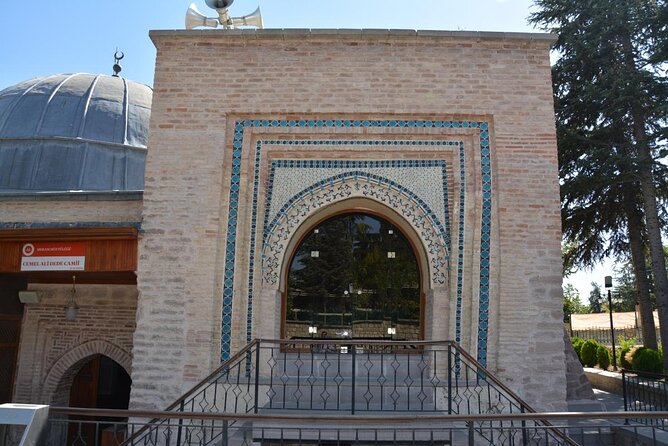
- Meram Baglari and Cemel Ali Dede’s tomb
- Lunch in Konya: etliekmek and what it does for the day
- Price and logistics: why $140 can feel fair
- Who should book this Rumi-focused Konya tour?
- Should you book In The Footsteps Of Rumi?
- FAQ
- What’s included in the tour price?
- Do you provide pickup in Konya?
- How long is the tour?
- Is the tour private?
- What language is the tour conducted in?
- Is free cancellation available?
Key highlights at a glance
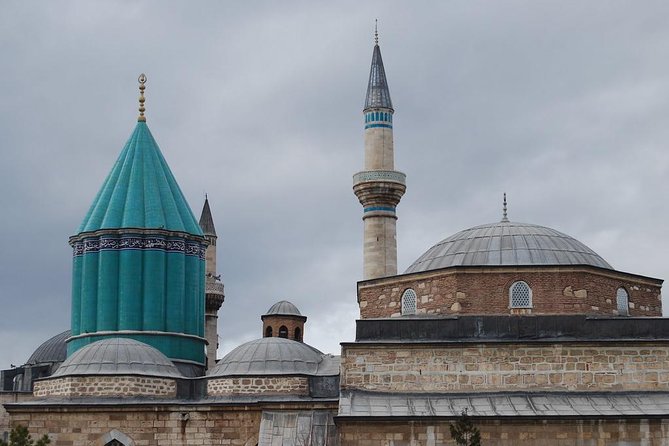
- Mevlâna Museum entry included so you can focus on the tomb complex and the dome-lined architecture
- Marecel Bahreyn in Kultur Park, tied to the first meeting of Rumi and Shams
- Iplikci Mosque (1202) plus the nearby Altunaba Madrasah site, linked to Rumi’s education
- Sems-i Tebrizi Tomb & Mosque as a major stop in the Mevlevi spiritual story
- Gold Bazaar lore connected to the sound of hammers that sparked the whirling tradition
- Ateşbaz-ı Velî and the tekke kitchen showing dervish life beyond ceremony
Following Rumi’s footprint through Konya in one focused day
This tour is built for people who want one strong day in Konya without cobbling together tickets, rides, and directions. It’s private, so your group stays together, and you’re not stuck waiting around for a larger crowd to shuffle through entrances.
The best part of this format is the pacing. Konya’s Mevlevi-related sites aren’t all clustered in one tiny square. By rolling them into a logical line, you get a clean sense of how Rumi’s world sits across different parts of the city.
And yes, the tone is spiritual. But it’s also practical: you’ll get a guided explanation of Sufism’s core tenets and why whirling dervishes mattered to the people living it, not just performing it. I like that it treats the subject like human history—people, relationships, and places—rather than a museum label.
You can also read our reviews of more tours and experiences in Cesme.
Entering the Mevlâna Museum and Rumi’s tomb complex
Your day usually anchors at the Mevlâna Muzesi, the biggest Sufi center in Turkey and the key reason most people make the trip to Konya. The tomb of Mevlânâ Celaleddin Rumi sits inside this complex, and the building’s fluted dome with turquoise tiles is one of those visuals you’ll remember even after the rest of the day blends together.
Because museum admission is included, you can spend less mental energy on logistics and more on the actual site. Give yourself time to look slowly—this place rewards it. Even if you don’t know much about Rumi, you’ll likely feel the weight of the setting as soon as you step into the space.
You’ll also see the museum portion that links back to the former lodge of the whirling dervishes. That matters, because it shifts the idea from performance to daily life. The dervish order wasn’t just an event. It was a community with rules, routines, teaching, and care for visitors.
If you’re the type who likes to understand symbols, this stop is packed. You’re not just looking at a tomb. You’re walking through a physical map of devotion, education, and memory.
A quick practical note for this stop
Allow for the fact that religious complexes have moments where people move with different rhythms—some areas can feel busy, and visitors follow respectful behavior patterns. Going in with patience will make the experience feel smoother.
Kultur Park and the first meeting that changed everything
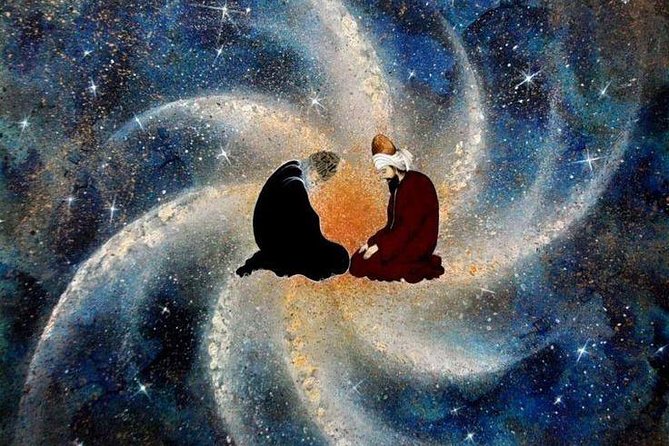
Next comes a short stop at Kultur Park on Alaeddin Tepesi, tied to Marecel Bahreyn, described as the place where the two seas meet. The big storyline here is the first meeting between Mevlâna Celaleddin-i Rumi and Shams-i Tebrizi.
Even though the visit time is brief, this is the kind of stop that gives meaning to the rest of the day. Shams isn’t just a name in a book. In this tour’s narrative, he’s the spiritual companion whose presence is linked to a shift in Rumi’s life and work.
Think of this as the connective tissue stop. You’ll likely walk away with a clearer sense of why Shams is treated as essential in the Mevlevi memory. When you later reach Shams-i Tebrizi’s tomb, you’ll be more ready for the emotional tone of the place.
If you’re into learning through stories, these short “anchor” points are a smart way to keep attention from drifting. If you’re hoping for a long scenic park break, you might find this portion shorter than you’d like—though it’s still useful.
Iplikci Mosque and the trace of a madrasah site
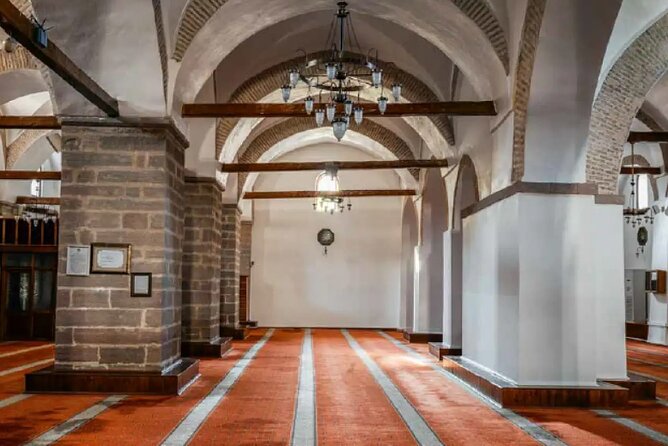
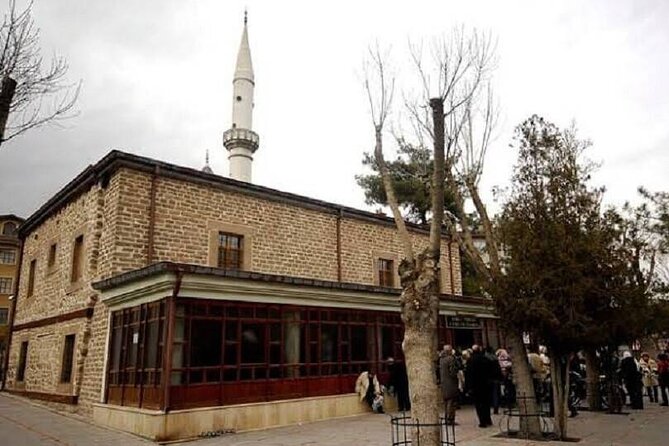
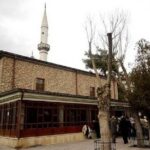
Then you move to İplikçi Cami, the Iplikci Mosque, built in 1202. Nearby is the Altunaba Madrasah area, known as Mevlânâ Celaleddin-i Rumi’s madrasah, which once stood adjacent to the mosque but hasn’t survived.
This stop is a good reminder that heritage isn’t always intact. Sometimes what you’re seeing is a surviving structure, and sometimes you’re standing near a place that used to be there. That contrast can actually be fascinating when your guide explains what this location meant in the early Seljuk era and in Rumi’s educational orbit.
It also adds variety. After the museum’s heavy symbolism, the mosque stop feels lighter but still meaningful. Even the “partial” nature of what remains can make you slow down and ask questions: what was built here, what function did it serve, and how did that shape people’s lives?
If you prefer experiences where everything is fully preserved and museum-like, you might feel this stop is more about context than spectacle. But if you enjoy piecing together history, it’s a strong mid-day checkpoint.

Shams-i Tebrizi’s tomb and the meaning behind the next link
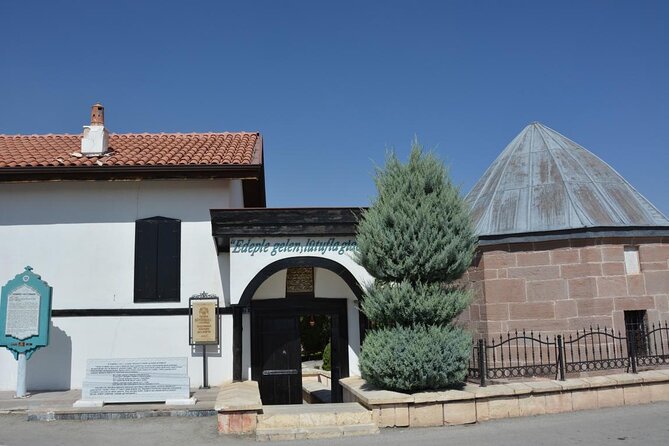
Sems-i Tebrizi Tomb & Mosque is one of the most important stops for anyone who cares about the Mevlevi story. This is where Shams-i Tabrizi’s tomb is found, and Shams is presented as Rumi’s spiritual guide, inspiration, and companion.
This is the emotional center-right after the Mevlâna complex. It’s also the point where the day’s theme starts to click for many people: the tour isn’t just sightseeing. It’s a guided path through relationships—how teachings travel through people, not just texts.
You’ll spend enough time here to take in the space without feeling like you’re speed-walking. And because the stop includes the tomb and mosque setting, you get both the physical and spiritual layers.
Some guides on this route are particularly good at explaining Sufism in plain terms—how humility, self-control, and love for the divine relate to dervish practices. If you’ve read Rumi, you’ll likely enjoy hearing how those ideas show up in the way the order remembers Shams.
The gold bazaar story: sound, craft, and why it matters
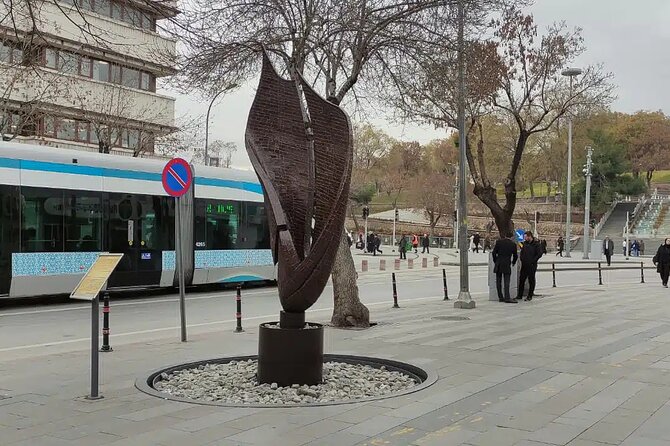
After Shams, you head to the historical gold bazaar. This part isn’t only about buying stuff. It’s about lore: according to the sources, it’s connected to the start of Rumi’s whirling when he heard the sound of apprentices pounding gold.
That detail is clever for a tour like this. It ties spirituality to the everyday world of work and sound. Instead of presenting whirling as a sudden mystical bolt-from-the-blue, the story connects it to a specific sensory moment you can picture.
Plan to use this time for two things:
1) absorb the explanation and the cultural meaning of the tradition
2) take a short look around so the bazaar doesn’t feel like a drive-by photo stop
The time is limited, so don’t expect a long shopping loop. But if you want a moment where your guide connects art, labor, and devotion, this is a highlight.
The tekke world: Ateşbaz-ı Velî and a dervish kitchen perspective
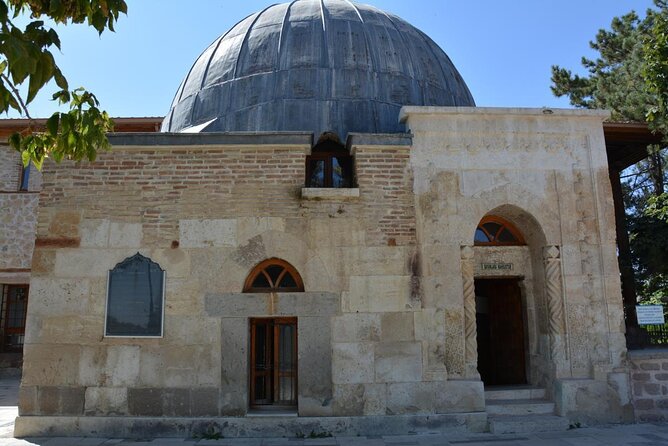
Ateşbaz-ı Veli Turbesi brings you to one of the more human parts of the story: the cook of Mevlâna Celaleddin Rumi. The tour frames him as a key person in Mevlevi dervish houses, specifically tied to Matbah-ı Şerif, the kitchen.
Most visitor plans focus on tombs and ceremony. This stop shifts attention to daily life. In real communities, kitchens feed everyone—teachers and students, visitors and caretakers. Seeing a sacred story attached to food and hospitality helps you understand how spiritual practice is supported by ordinary labor.
You’ll also get a sense of why the dervish lodge (tekke) is more than a backdrop. It was an organization with roles, responsibilities, and a rhythm of care. For me, that makes the whole whirling tradition feel less like a spectacle and more like a lived system.
If you’re the kind of person who likes practical “how did they actually live” questions, this stop will land well.
Meram Baglari and Cemel Ali Dede’s tomb
The final notable stop you’ll reach is Meram Baglari, where you can visit Cemel Ali Dede’s tomb. He’s described as Rumi’s nanny, respected for his care, and given the name Cemel, meaning camel, connected to entertaining Rumi when he was little by putting him on his back.
This is a smaller stop, but it works because it adds warmth. The dervish story can feel lofty. This brings it back to childhood care and affection.
I like how that balance matters. You finish the day with not only spiritual milestones but also a personal human memory tied to Rumi’s early life. It’s the kind of detail that helps Rumi feel more like a person and less like a distant genius behind a glass case.
Lunch in Konya: etliekmek and what it does for the day
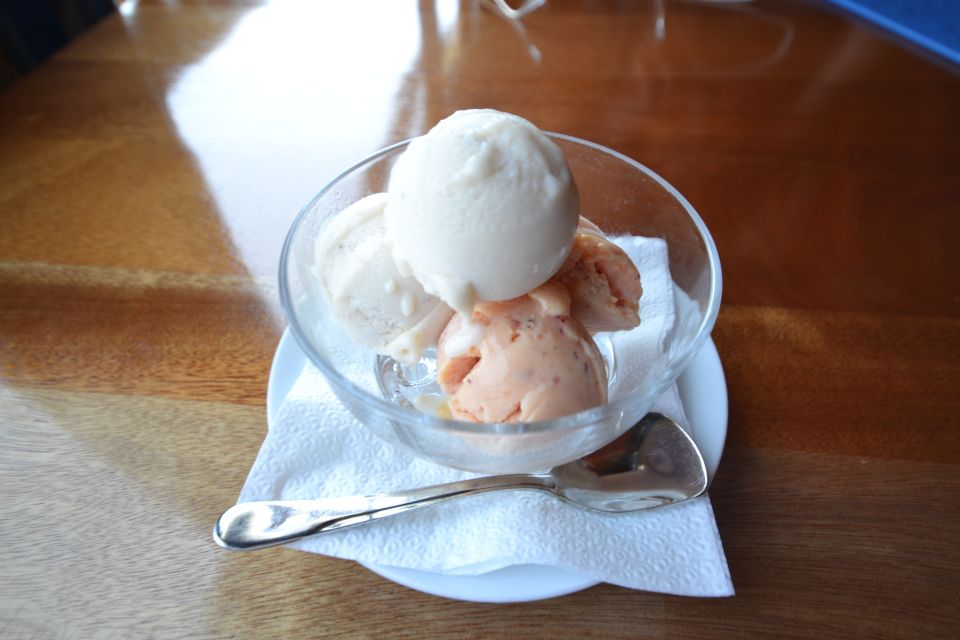
The tour includes lunch at a strong local restaurant serving traditional Konya etliekmek. If you’ve never had it, think of this as one of the foods that gives Konya its identity in a way postcards can’t.
Including lunch is a big value point in a city where you might otherwise burn time hunting for something that fits your schedule. You also avoid the common day-tour problem: everyone scatters and the day’s flow breaks.
If you have dietary needs, you’ll want to check in with the operator ahead of time, because the tour data doesn’t list alternatives beyond the included meal. Still, having a planned lunch can make your day feel easier, not just spiritual.
Also, if you’re a sweet-tooth person, keep an eye out for Hosmerim during your overall Konya stay. Some guides on this route mention it as a must-try local treat, which is useful if you’re planning your evening around dessert after the tour ends.
Price and logistics: why $140 can feel fair
At $140 per person for a 6 to 7 hour private tour, the headline cost isn’t tiny. The question is what you get for it—and here, the included pieces matter.
You get:
- private transportation
- a professional guide
- all fees and taxes
- lunch (etliekmek)
- admission coverage for the main museum stop
That combination is what makes the price feel reasonable rather than steep. If you were to arrange pickup, transport, and paid entry on your own, you’d likely spend more time coordinating and possibly more money anyway—especially if you’re limited to one day.
One small note for budgeting: tips for the guide and driver aren’t included. If you want to be sure you’re covered, set aside a bit for that at the end.
Timing matters too. The tour runs in a morning window (9:00 AM to 11:00 AM listed), which helps you tackle the major sites before midday crowds and before your energy drops. If you’re used to late starts on vacation, this is one day where you’ll probably want to shift your routine.
Who should book this Rumi-focused Konya tour?
Book it if you:
- want a single, well-structured way to understand Rumi and Sufism through places tied to his life
- prefer a private day with pickup and transport instead of self-guided wandering
- like guidance that explains the meaning behind sites, not just dates and stonework
It may not be the best fit if:
- you’re only interested in secular sights or modern attractions
- you’re looking for lots of free time to wander independently at every stop
- you want a long bazaar shopping session rather than a story-focused visit
For solo travelers, this kind of private format can feel especially comfortable, because you can ask questions without it turning into a group lecture. Many people also seem to appreciate English explanations and the way named guides such as Hayri, Hüseyin, Fatma/Fatima, and Belkis are described as bringing the day to life with clear storytelling.
Should you book In The Footsteps Of Rumi?
If you’re planning Konya around Rumi, I’d say yes. This is one of those tours where the “why” is as important as the “where.” You leave with a mental map: Rumi’s central sanctuary, the Shams connection, and even the daily tekke world represented by a kitchen figure.
The value is strongest if you want structure, included lunch, and easy logistics. You’ll get a meaningful day without needing to become a part-time tour planner.
Just go in with the right expectations: it’s a respectful, faith-linked route through tombs, mosques, and storied spaces. If that matches your interests, you’ll likely feel like Konya gave you more than a checklist.
FAQ
What’s included in the tour price?
The tour includes lunch (traditional Konya etliekmek), private transportation, all fees and taxes, and professional guiding. Admission ticket for the Mevlâna Museum is included, while other visited sites listed are free during the tour.
Do you provide pickup in Konya?
Yes. Pickup is offered from any hotel, airport, bus station, and train station in Konya.
How long is the tour?
The duration is about 6 to 7 hours.
Is the tour private?
Yes. It’s a private tour/activity, so only your group participates.
What language is the tour conducted in?
The tour is offered in English.
Is free cancellation available?
Yes. You can cancel up to 24 hours in advance for a full refund. If you cancel less than 24 hours before the start time, the amount paid is not refunded.