Mevlana’s world is easier to grasp with a guide. This private Sufi tour strings together the most meaningful Konya landmarks tied to Sufism, so you walk away with story, symbols, and context, not just photos. The day can also be customized, and it runs with pickup around Konya for a low-stress start.
What I like most is how the route pairs a visual “time machine” with real pilgrimage stops. I especially like the Konyanuma Panorama Museum for its 3D look at 13th-century Konya, and I like the Mevlana Museum because it’s the main stage for Rumi’s legacy. You also get a traditional Konya etli ekmek lunch so you’re fueled for a long cultural day.
The main drawback is simple: the day is packed with sacred sites and you’ll be moving between them for hours. If you prefer a slow pace or minimal walking, this might feel like a lot, even though it’s manageable for people with moderate fitness.
In This Review
- Quick reasons this private Sufi tour works
- Konya’s Sufi story, told in a single private day
- Pickup and pacing: making 7–8 hours feel workable
- Konyanuma Panorama Museum: 13th-century Konya in 3D
- Mevlana Muzesi: the tomb complex and the turquoise dome
- Shams-i Tabrizi and the spiritual bond behind Mevlana
- Alaeddin Mosque: Seljuk-era prayers and architectural clues
- Sadreddin Konevi and other turbes with close ties to Rumi’s circle
- Tavusbaba ve Camii: the story of music, the ney, and coming from India
- Ateşbaz Veli: a cook with symbolic importance
- Lunch in Konya: etli ekmek and a much-needed pause
- Guides make the difference: Fatima, Mete, and Hayri’s style of storytelling
- Price and value: what $130 per person really covers
- Who should book this private Sufi tour in Konya
- Should you book this private Sufi tour?
- FAQ
- Is this a private tour?
- Where does pickup happen?
- What language is the tour offered in?
- How long is the tour?
- Is lunch included?
- Are admission tickets included?
- Is there a mobile ticket?
- What about cancellation?
- Is the tour suitable for everyone physically?
- Are tips included in the price?
Quick reasons this private Sufi tour works
- A route built around big Sufi names: Mevlana, Shams-i Tabrizi, and more.
- Context before tombs: Konyanuma uses 3D models and art to set the scene.
- A top Konya centerpiece: the Mevlana Museum’s turquoise dome and tomb complex.
- Short stops, strong stories: multiple turbes and mosques tied to the order.
- Etli ekmek lunch included in the middle of the day.
- Real customization based on your interests, with guides like Fatima, Mete, and Hayri mentioned for making it personal.
Konya’s Sufi story, told in a single private day
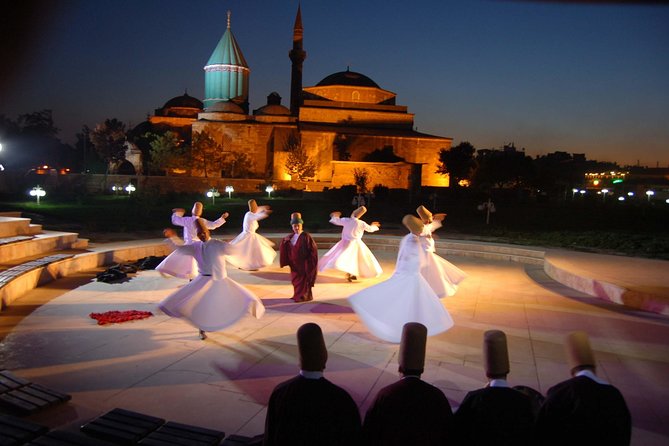
Konya is where Sufi poetry, music, and devotion became something you can actually visit. In this private setup, you spend your time in the places that shaped and surrounded Mevlana Celaleddin-i Rumi—plus key figures orbiting his life and ideas. The result is a day that feels like a guided lecture you can walk through.
For me, the smartest part is the order of the experience. You don’t start with a tomb and hope it makes sense. You begin with a setting that frames the era, then you move toward the sites people come to see for spiritual reasons.
You’ll also get something many public tours skip: an ability to match your pace and curiosity. Guides on past runs have used that flexibility to adjust the day and add meaningful stops—without turning the outing into chaos.
You can also read our reviews of more private tours in Cesme

Pickup and pacing: making 7–8 hours feel workable
This is a private tour, meaning it’s just your group, not a mixed crowd. Pickup is offered from essentially anywhere you’re staying in Konya—hotels, airports, and train or bus stations—so you avoid the “meet at the bus stop” scramble.
The day runs about 7 to 8 hours, and the route includes a few longer museum moments plus several shorter landmark visits. That pacing is a good fit if you like structure. It’s also worth knowing so you can plan your energy: you’ll spend time sitting in presentations or museum rooms, but you’ll also move between nearby sites.
There’s also a practical detail: the provider notes moderate physical fitness. Most stops are short, but you still want comfortable shoes and the expectation of steady walking.
Konyanuma Panorama Museum: 13th-century Konya in 3D
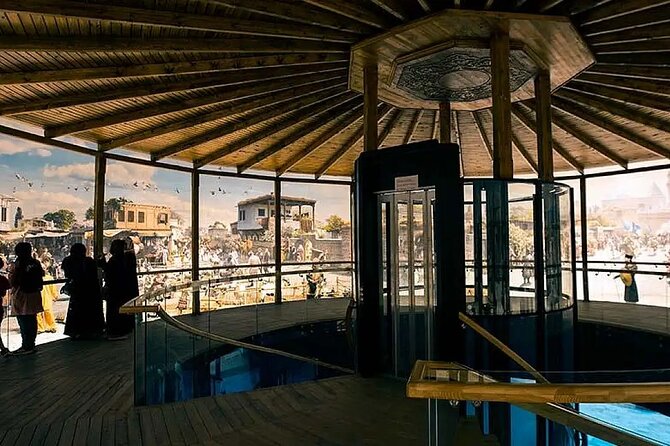
You start at the Konyanuma Panorama Museum, a kind of historical warm-up. The museum focuses on how 13th-century Konya looked through three-dimensional models. It’s a smart way to get oriented because it turns “old city” into something you can picture.
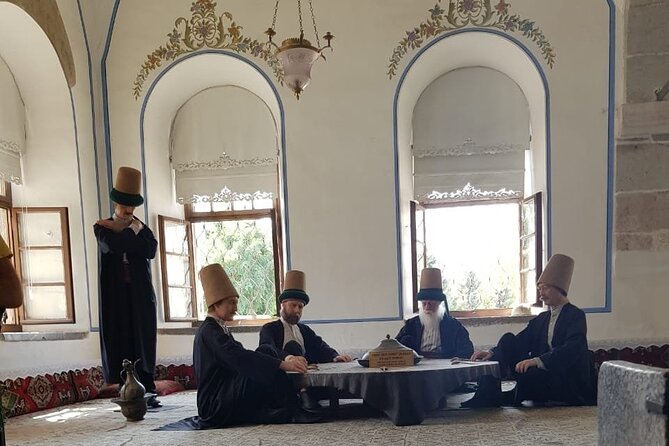
You’ll see models connected to the Mevlevi lodges (the spiritual houses tied to the Mevlevi tradition), including examples from Turkey and other countries. The museum also covers key events in Mevlana Celaleddin-i Rumi’s life—from childhood through his death—using oil paintings and smaller wax sculptures.
My takeaway: this is the stop that makes the rest of the day click. When you later stand in the Mevlana Museum area, you’re not just looking at beautiful architecture. You can connect what you’re seeing to the people and timeline the stories come from.
Admission is included here, and the time on site is about 50 minutes, which is enough to get value without feeling trapped.
Mevlana Muzesi: the tomb complex and the turquoise dome
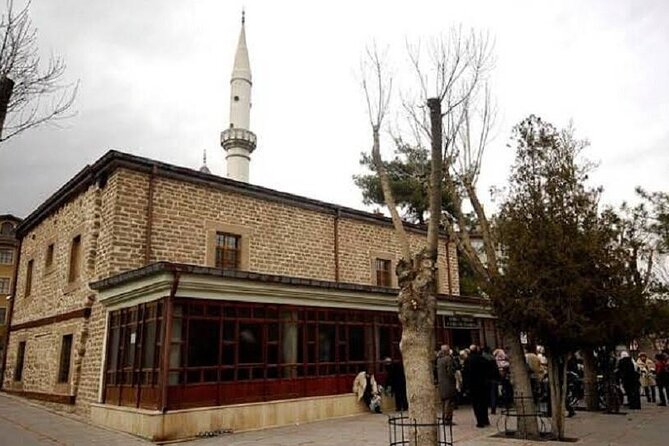
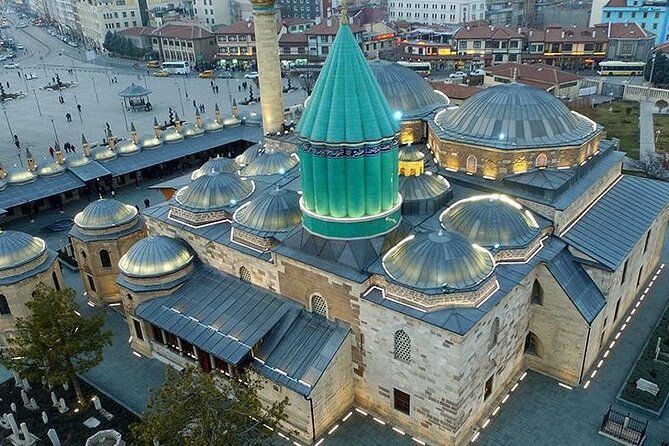
If Konya has a single “main event,” it’s the Mevlana Muzesi—the Mevlana Museum and tomb complex. This is the former lodge connected with the whirling dervishes and it’s home to the tomb of Mevlana Celaleddin-i Rumi.
Plan for a real block of time here: about 2 hours. You’ll see the iconic fluted dome with turquoise tiles, one of the most recognizable sights in Turkey. Even if you’ve read Rumi’s poetry, being in the space where his tomb is housed adds a different kind of understanding.
This is also the stop where a strong guide changes everything. In Konya, you’re surrounded by symbols and architectural details. A good explanation helps you notice things you’d otherwise miss—like the way the complex functions as both spiritual center and historical monument.
Admission is included, and it’s the kind of place where you’ll appreciate slowing down inside the main structures rather than rushing for photos.
Shams-i Tabrizi and the spiritual bond behind Mevlana
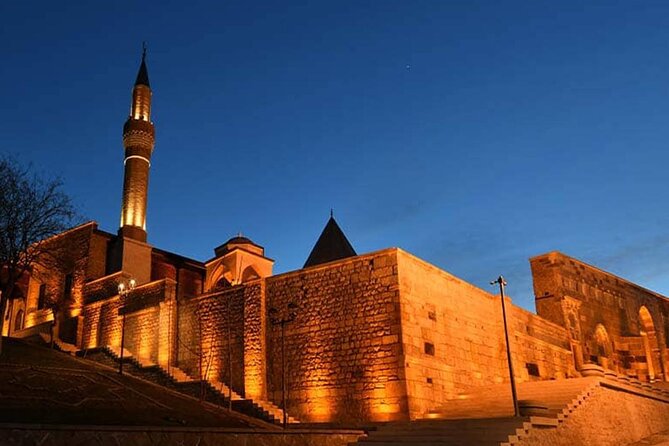
Next comes Sems-i Tebrizi Tomb & Mosque, connected to Shams-i Tabrizi, the spiritual guide, inspiration, and companion of Mevlana. This is a short stop—around 15 minutes—but it carries weight.
Shams-i Tabrizi is one of those figures whose presence changes the entire tone of a story. Even in a brief visit, you’ll likely understand why people treat this as more than a stop on a sightseeing list.
Admission here is listed as free. If you’re the type who likes to soak in atmosphere rather than run through rooms, this quick stop is a good place to do that—especially because your day includes several other landmarks right after.
Alaeddin Mosque: Seljuk-era prayers and architectural clues
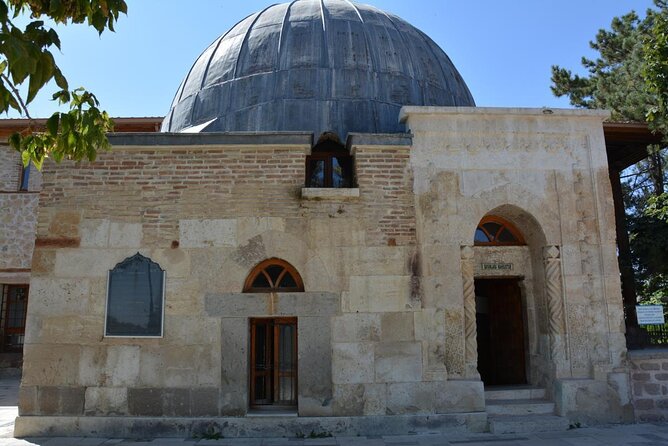
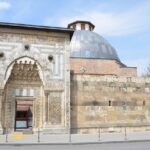
The Alaeddin Mosque is one of Konya’s older sacred sites. It’s described as a mosque where Mevlana Celaleddin-i Rumi and other important Sufis—such as Muhyiddin-i Ibni Arabi—often prayed.
You’ll also learn the architecture is part of the message. The mosque was constructed by the Seljuk Sultans of Rum between 1116 and 1220, and it features columns of different sizes, tied to earlier periods. Nearby, there’s also mention of the Seljuk Palace, built during the reign of Sultan Kılıçarslan II (1156–1192).
This stop is about 30 minutes, and admission is free. The practical value is that you see Sufism not only in famous tombs, but also in older prayer spaces that shaped daily devotion.
Sadreddin Konevi and other turbes with close ties to Rumi’s circle
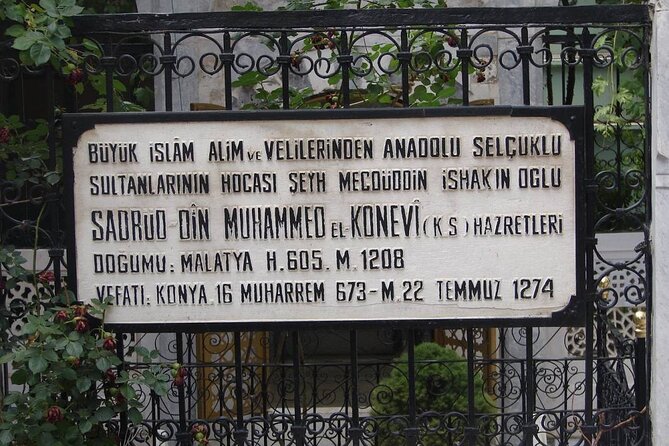
You’ll then visit Seyh Sadreddin Konevi Turbesi. The guide’s story matters a lot here because the site connects you to the broader intellectual world around the Mevlevi tradition.
Sadreddin Konevi lived in the 13th century and is described as a major scholar connected to the Anatolian Seljuks. The key relationship noted here is that he was the stepson of Muhyiddin-i Ibni Arabi, and that Sadreddin’s friendship with Mevlana was strong enough that Mevlana requested his funeral prayer be led by him.
This is another 30-minute stop with free admission. It’s also a good moment to slow down because turbes often feel quiet and personal compared with big museum halls.
Tavusbaba ve Camii: the story of music, the ney, and coming from India
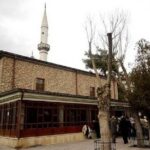
In the Meram district, you’ll see Seyh Tavusbaba Turbesi ve Camii, plus a historical bridge nearby. The story tied to Tavusbaba is one of the more vivid in the route.
You’re told Tavusbaba was a fan of Mevlana and came to Konya from India. His focus was music, especially playing the ney, a reed flute. You’ll also hear that Rumi and his followers often sought him out to listen and feel Divine love.
This stop runs about 1 hour, and admission is listed as free. The time here suggests it’s not just a quick glance. You get enough space for explanation and atmosphere, which is helpful if you want to understand Sufism as a practice involving sound and devotion, not only texts and ceremonies.
Ateşbaz Veli: a cook with symbolic importance
Finally, you visit Ateşbaz Veli Tomb, connected to Ateşbaz-ı Veli, described as the cook of Mevlana Celaleddin-i Rumi. That detail might sound small at first, but the tour frames him as representing an important authority within the Mevlevi order.
The stop is short—about 20 minutes—and admission is free. Still, it’s a good reminder of something I like about this kind of religious history: it treats everyday roles as meaningful. You’re not only seeing elite scholars and famous mystics. You’re also seeing the people whose work helped a community function and sustain its spiritual life.
Lunch in Konya: etli ekmek and a much-needed pause
A smart break sits right in the middle of your day. Lunch is included, and it’s served at one of the best traditional places focused on Konya etli ekmek, which is singled out as the city’s most popular dish.
Even if you’re not a big foodie, this is a practical win. It gives you energy for walking and sitting through multiple sacred spaces. It also helps you avoid the common “when do we eat?” trap that can stretch a 7–8 hour day into a 10-hour grind.
The included lunch is part of why this tour feels like good value, because you’re paying for more than just sightseeing.
Guides make the difference: Fatima, Mete, and Hayri’s style of storytelling
This tour lives or dies on the guidance. Past experiences highlight that the guides don’t just point out what’s there; they connect events to people, and buildings to meaning.
Names that come up clearly include Fatima, Mete, and Mr. Hayri. Fatima and Mete are described as engaging and able to put Konya into context, making the complexities of Sufi philosophy and practices feel more human and understandable over the course of the day. Mr. Hayri is specifically praised for moving someone from one place to another with patience and care, especially when schedules needed adjusting.
One extra detail that I find useful: guides have been open to suggestions so the day can grow with your interests. For example, there’s an account where getting to Sille was managed even though it wasn’t part of the main plan. That’s a sign you’re not locked into a rigid script.
So if you like your tours to feel conversational, not robotic, this private format is a strong match.
Price and value: what $130 per person really covers
At $130 per person, this tour isn’t cheap, but it’s not priced like a luxury bubble either. Here’s why the value can be strong:
- You get private transportation, which saves time and stress in a city like Konya.
- Professional guiding is included.
- All fees and taxes are included, and multiple entrance tickets are covered during the day.
- Lunch is included, specifically traditional etli ekmek.
- It’s a private tour, so you’re not splitting the cost across strangers while still stuck with a group pace.
When you compare it to piecing together tickets, a driver, and a guide separately, the math often improves. You also get the benefit of a guided day that’s designed to be coherent, not just a list of stops.
The price consideration is timing and flexibility. If you can’t take a full 7–8 hour window, the value drops, because the day is designed as a complete storyline.
Also note: tips for the guide and driver are not included. If you plan to tip, set that aside in advance so you’re not doing math at the end of a long day.
Who should book this private Sufi tour in Konya
This tour is a great fit if you want:
- a structured private day that connects major Sufi figures to places you can visit
- an English-speaking guide who can explain why things matter, not only what they are
- a blend of big-ticket sites and smaller shrines that you might otherwise skip
It may not be ideal if you want a very relaxed day with long free time, or if you strongly prefer fewer stops. The route is built for momentum, and you’ll feel it.
If you’re coming for Mevlana and whirling dervishes, you’ll absolutely get your money’s worth in the Mevlana Museum. If you’re also interested in the wider circle of teachers, musicians, and scholars around Rumi, the turbes and mosques make the day feel complete.
Should you book this private Sufi tour?
If you want Konya’s Sufi world to make sense while you’re standing in the right places, I’d book it. The key reason is the combination: a short historical setup at Konyanuma Panorama Museum, the centerpiece at Mevlana Muzesi, and then a sequence of shrines where the relationships behind the stories become clearer.
Book it especially if you like your tours guided and narrative-driven, or if you’re the type who wants to ask questions. The private format, the included lunch, and the focus on Sufi landmarks tied to real names are a strong match for independent-minded visitors.
If you’re sensitive to busy pacing or long days, plan your expectations for a full 7–8 hours and wear shoes that don’t punish you.
FAQ
Is this a private tour?
Yes. It’s a private activity, and only your group participates.
Where does pickup happen?
Pickup is offered from any hotel, airport, bus station, or train station in Konya.
What language is the tour offered in?
The tour is offered in English.
How long is the tour?
It runs about 7 to 8 hours.
Is lunch included?
Yes. Lunch is included and is at a traditional restaurant serving Konya etli ekmek.
Are admission tickets included?
Some admissions are included and some stops are marked as free. The tour also notes that all fees and taxes are included, so you don’t need to handle those charges during the day.
Is there a mobile ticket?
Yes, a mobile ticket is offered.
What about cancellation?
You can cancel for a full refund up to 24 hours before the experience starts. Free cancellation is available, but changes within 24 hours are not accepted.
Is the tour suitable for everyone physically?
The provider notes a moderate physical fitness level is recommended.
Are tips included in the price?
No. Tips for the guide and driver are not included.