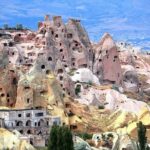
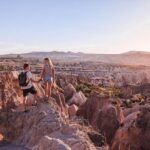
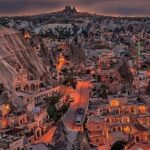
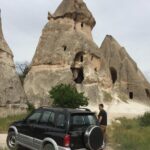
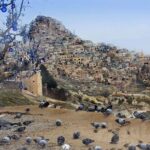
Cappadocia meets Istanbul at full speed. This Grand Tour strings together big-name UNESCO stops and low-key local moments, all with a professional English-speaking guide and an air-conditioned ride. I especially like the way the first days focus on Cappadocia’s best viewpoints and signature valleys, so you get the region’s look before you leave it behind.
Two things I really value here: you’re not just ticking off sights, you’re also learning the story behind them, and you’ll do it with guides who clearly care. The reviews call out Rosa and her team for meticulous planning and attentive guiding, even down to checking in on what you want as you go. The one drawback to think about is the pacing: with so many major sites (including underground walking and steep ruins), you’ll want moderate fitness and patience for long, busy days.
In This Review
- Key Highlights You’ll Actually Feel
- Price and Logistics: What $7,689 Really Buys
- Starting in Ürgüp: The Tour’s Easy First Step
- Göreme Panorama and Göreme Open Air Museum: Start Strong in Cappadocia
- Paşabağ (Monks Valley) to Uçhisar: Fairy Chimney Best Hits in a Single Day
- Avanos, Pigeon Valley, and Uchisar: The Stops That Make It Feel Like You’re There
- Mustafapaşa, Soğanlı Valley, and Kaymaklı Underground City
- Sultanhanı Caravanserai and Konya’s Mevlana Museum: A Silk Road Pause
- Roman Antalya: Perge, Side, and Aspendos Theater
- Kaş, Myra, and Termessos: Coastal Towns and Mountain Ruins
- Hierapolis and Pamukkale: Travertine Terraces and the Spa-City Story
- Ephesus and Selçuk: Big Roman City, Quiet Sacred Spots
- Pergamon: Acropolis Views and the Asklepion Healing Center
- Istanbul Historic Peninsula: Hagia Sophia, Blue Mosque, Topkapı, Bazaar
- Bosphorus Cruise and Fener & Balat: Europe-Asia City Notes
- End at Istanbul Airport: Make the Last Day Feel Easy
- Should You Book This Grand Tour of Turkey?
- FAQ
- How long is the Grand Tour of Turkey?
- Where does the tour start?
- Do you offer pickup?
- What language is the tour in?
- Is this a private tour?
- What meals are included?
- Are entrance fees included?
- What about accommodation and transport?
- What should I know about physical demands?
- What is the cancellation policy?
Key Highlights You’ll Actually Feel
- Göreme Panorama, Uçhisar and the fairy chimneys: you get multiple “wow” angles early, not just one.
- UNESCO Open Air Museum in Göreme: rock-cut churches and frescoes with included time to explore.
- Kaymaklı Underground City: a major underground complex that adds variety after daytime valleys.
- Roman theater overload, in a good way: Aspendos and Ephesus are both top-tier.
- Istanbul without the guesswork: Hagia Sophia, Blue Mosque, Topkapı, plus a Bosphorus cruise.
- Rosa and team-style service: strong emphasis on attention and smooth coordination across cities.
Price and Logistics: What $7,689 Really Buys
At about $7,689.02 per person, this isn’t a budget tour. What you’re paying for is the heavy lifting: intercity travel by air-conditioned vehicle, a professional guide, and a long list of sites where entrance fees and lunch are handled as part of the package.
The included hotel setup is also worth noting: the tour lists 10 nights / 9 days B&B in 4-5 hotels, which lines up with a 12-day schedule that starts in Ürgüp (Cappadocia) and ends with an Istanbul Airport drop-off. Because those numbers can look a little mismatched on paper, I’d treat it as a “confirm once, relax after” situation: ask your operator to verify the exact number of hotel nights for your departure date.
If your goal is to move efficiently across Cappadocia, the Mediterranean coast, and Istanbul, this price starts to make more sense. If you’d rather travel slowly, chase side streets on your own, or spend extra days in one region, you’ll feel the pressure of an itinerary this full.
You can also read our reviews of more tours and experiences in Urgup.

Starting in Ürgüp: The Tour’s Easy First Step
The tour begins in Ürgüp (Cumhuriyet, Atatürk Blv. No:35, 50400 Ürgüp). Pickup is offered, and you’ll share your exact pickup location via WhatsApp or email after booking. On the final day, you’re transferred to Istanbul Airport (IST or SAW), so you’re not stuck finding your own route across the end of the trip.
This matters because the tour covers multiple regions. A smooth start reduces your stress immediately, and a planned ending keeps the last day from turning into a scramble.
You should also know the tour is private, meaning only your group participates. That usually helps with timing at smaller stops, where your guide can move you along at a pace that fits your group.
Göreme Panorama and Göreme Open Air Museum: Start Strong in Cappadocia
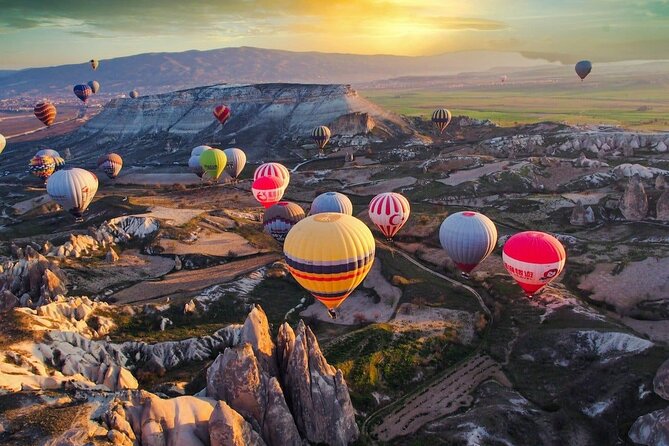
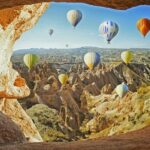
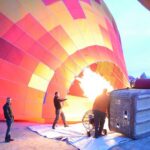
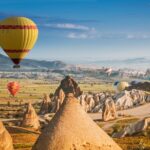
Day 1 is built around two of Cappadocia’s best “first impressions.” You begin at Göreme Panorama, a viewpoint that gives you sweeping views over fairy chimneys, cave dwellings, and the valleys spread out below. If you’re there in the morning, you may also see hot air balloons lifting in the distance, which is one of those Cappadocia moments that doesn’t need extra marketing.
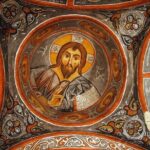
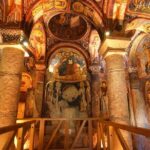
From there, you head to Göreme Open Air Museum, the UNESCO-listed core of Cappadocia’s rock-cut Christian heritage. The value here is how walkable it feels: rock-cut churches, monasteries, and frescoes you can actually see up close while your guide explains what you’re looking at.
A small practical note: this is “history you can walk through,” not a quick photo stop. So comfortable shoes and a calm pace pay off.
Paşabağ (Monks Valley) to Uçhisar: Fairy Chimney Best Hits in a Single Day
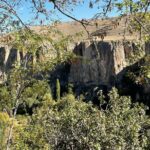
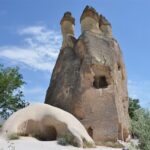
Day 1 continues with Paşabağ (Monks Valley), famous for fairy chimneys with multiple caps. This valley used to be connected to hermit monks, and that detail changes the way the formations feel. Instead of only looking at rocks, you’re noticing how the setting supported a spiritual life.
Then comes Avanos Pottery Workshop in the pottery town of Avanos. You watch locals shape red clay made from the Kızılırmak River into ceramics, and there’s time for you to try the potter’s wheel. This is one of the best “off-the-main-viewpoint” experiences on the itinerary, because it adds a hands-on element.
After that, you’ll pause at Pigeon Valley—short, scenic, and named for the ancient pigeon houses carved into volcanic rock. It’s a quick photo moment, but it also explains how pigeons mattered to agriculture there.
Finally, Uçhisar Castle Panorama gives you a 360° viewpoint from Cappadocia’s highest point. Even with all the other views, this is the one that pulls it together: all the valleys and chimneys come into one wide map.
Avanos, Pigeon Valley, and Uchisar: The Stops That Make It Feel Like You’re There
Cappadocia can be easy to reduce to fairy chimneys and balloon photos. This day fights that. You get:
- a cultural skill (pottery in Avanos),
- a functional historical detail (pigeon houses),
- and a top-altitude overview (Uçhisar).
That combination is why the day feels rounded. You’re not just collecting images; you’re building a mental model for how the area worked and why people stayed.
The main consideration is time. Day 1 is packed, so you’ll want to keep expectations realistic for how much lingering you can do at each stop. Your best strategy is to listen to your guide’s brief context, take your key photos, then move on to the next scene without burning yourself out.

Mustafapaşa, Soğanlı Valley, and Kaymaklı Underground City
Day 2 leans into a calmer side of Cappadocia with a history-and-rural rhythm.
First up: Mustafapaşa (Sinasos), a village with preserved Greek architecture and stone houses. This stop is shorter, but it’s valuable because it’s not all about caves and viewpoints. You’re seeing how Cappadocia looks when you’re not standing in a postcard location.
Then you visit Sobesos Ancient City, Roman-era ruins with elements like mosaic floors and bath remnants. The upside here is variety: you go from rock-cut churches to Roman urban traces within one day.
After that comes Keşlik Monastery, tucked into a peaceful valley with rock-cut churches and stone-carved rooms. These kinds of stops tend to be where photos look good without needing a lot of crowds.
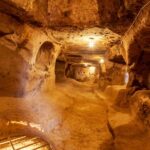
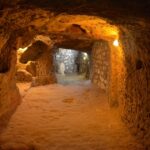
Next: Soğanlı Valley, known for fairy chimneys and ancient rock-cut churches, plus a more relaxed feel that’s great for a slow walk and photos. You’ll then descend into Kaymaklı Underground City, one of the larger underground networks carved into volcanic rock. This is a fun, slightly adventurous contrast to the open-air sites, but it also means you should expect uneven walking and enclosed spaces.
If you don’t love tight, underground areas, focus on pacing and ask your guide what’s manageable for you. The tour includes about an hour here, so it’s not an all-day cave event.
Sultanhanı Caravanserai and Konya’s Mevlana Museum: A Silk Road Pause
Day 3 shifts you from Cappadocia and into a different Turkey story.
You start at Sultanhanı Caravanserai, one of the largest and best-preserved stops from the Silk Road era. The architecture and layout are the point: traders and travelers once rested there, and the scale makes that history feel real.
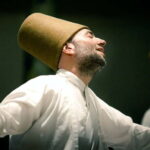
Then you head to Mevlana Museum (Rumi’s Mausoleum) in Konya. This is a spiritual and cultural anchor, with the turquoise-tiled dome and museum artifacts tied to Rumi and the philosophy associated with the Whirling Dervishes.
What I like about this day is that it breaks the pattern. After several days of geology and ruins, this focuses on ideas, faith, and the lived culture behind them.
Roman Antalya: Perge, Side, and Aspendos Theater
Days 4 and 5 move you into the Mediterranean zone, where Roman architecture dominates the highlights.
In Perge Ancient City, you walk through a former Roman center with big pieces still visible: a grand theater, stadium, colonnaded streets, and Roman baths. It’s an easy place to understand how a city functioned.
Then Side Ancient City adds a coastal flavor. You get ruins tied to a port city: sites like the Temple of Apollo and the Roman theater, plus city walls and the sense of sea proximity that makes the whole place feel different than inland ruins.
Finally, Aspendos Ancient Theater is the star for sheer preservation and performance potential. It’s famous for acoustics and grand architecture and was built in the 2nd century AD, with a seating capacity that still impresses on a modern visit.
This day is one reason the tour works well: it stacks top-tier Roman sites in a way that builds momentum instead of repeating the same “walk through rocks” experience.
Kaş, Myra, and Termessos: Coastal Towns and Mountain Ruins
Day 5 introduces Antalya and Kaş. Antalya’s old town area (Kaleiçi) is where you’ll see narrow streets, Ottoman-era houses, and the feel of a historic harbor town. Then Kaş brings a more laid-back seaside vibe with bougainvillea-covered streets, a harbor setting, and nearby Lycian rock tomb references.
After that, Myra Ancient City delivers rock-cut tombs and a Roman theater linked to Lycian culture.
Day 6 shifts you into the Taurus Mountains with Termessos Ancient City. The value here is the setting: the ruins sit high above and you get mountain views along the way. Termessos also tends to feel less commercial than many easier-to-reach sites, and that difference can help your photos and your attention.
Hierapolis and Pamukkale: Travertine Terraces and the Spa-City Story
Day 7 is built around a UNESCO natural wonder plus the ancient city above it.
You visit Hierapolis Ancient City, known for its theater and monumental gates, along with necropolis areas and Roman baths. The story here is spa-city evolution: ancient people came for health and hot water, and the ruins show how the Romans staged a whole experience around that idea.
Then comes Pamukkale and the thermal pools with travertine terraces. You can walk along the mineral-rich white terraces formed by cascading waters. The barefoot angle is part of what makes Pamukkale feel special, but it also means you should pack practical footwear you can manage quickly.
This is also one of those days where timing matters. It’s often the most physically comfortable day if you come ready for the sun, water, and walking, but it can feel intense if you’re not used to heat.
Ephesus and Selçuk: Big Roman City, Quiet Sacred Spots
Day 8 is all about Ephesus and nearby sacred sites in Selçuk.
Ephesus Ancient City is one of the best-preserved Roman cities in the Mediterranean region. You’ll walk past marble-paved streets, theaters, the Library of Celsus, temples, and public baths. This is where a guide really helps, because the scale can overwhelm you. Your guide’s job is to help you focus on what mattered and where.
Then you visit The House of the Virgin Mary—a serene, spiritual stop believed to be Mary’s final residence. Even if you’re not religious, this place often works because the atmosphere is quiet and reflective.
After that: Basilica of St. John and Temple of Artemis (with a shorter stop at Artemis, since only a few columns remain). Together, these sites create a layered timeline: Roman empire, early Christianity, and ancient mythology all within a short radius.
Pergamon: Acropolis Views and the Asklepion Healing Center
Day 9 takes you to Pergamon Ancient City, famous for its acropolis and Hellenistic learning center reputation. You’ll climb through steep hillside ruins and see the ancient theater, temples, and the Asklepion healing sanctuary area.
Asklepion is especially interesting because it connects architecture to medicine. You’re shown temples, treatment halls, and the terraces where patients once sought cures in a sanctuary devoted to Asclepius.
Then you finish at Red Basilica (Kızıl Avlu) in Bergama, originally a Roman temple later converted into a Byzantine church. It’s also connected to the Seven Churches of Asia mention in the Book of Revelation—so if you care about early Christian geography, this stop will click.
This day can feel long due to the uphill ruins. Build in breaks with your guide, and don’t treat every viewpoint as a must-stop. Pick the ones that matter to you.
Istanbul Historic Peninsula: Hagia Sophia, Blue Mosque, Topkapı, Bazaar
Day 10 and 11 focus on Istanbul’s signature history.
You start with the Historic Peninsula area: the Hippodrome zone around major landmarks like Hagia Sophia, the Blue Mosque, Topkapı Palace, and the Hippodrome itself. The aim is to get your bearings fast and understand where the empires layered their power.
Then you visit Hagia Sophia Grand Mosque, a UNESCO site with its famous dome, mosaics, and calligraphy—an architecture story shaped by Byzantine and Ottoman eras.
Next: Blue Mosque, still an active place of worship, known for its interior decorated with over 20,000 İznik tiles and its six minarets.
After Topkapı Palace, you end at the Grand Bazaar, a covered market with thousands of shops. Even if you don’t want to buy anything, it’s a good place for understanding Istanbul’s trading culture.
The only “drawback” here is crowds and attention fatigue. Your strategy: keep shopping optional, focus on walking the main corridors, and use your guide to steer you toward what’s most meaningful.
Bosphorus Cruise and Fener & Balat: Europe-Asia City Notes
Day 11 adds two different flavors of Istanbul.
You take a Bosphorus cruise, sailing along the strait between two continents. From the water you’ll see Ottoman palaces, grand mosques, fortresses, and waterfront mansions. This is where your brain finally “sees” the city’s geography rather than just reading about it.
Then you explore Fener and Balat, neighborhoods along the Golden Horn. You’ll see Greek Orthodox heritage in Fener and colorful streets and houses in Balat. It’s excellent for photography and slow wandering.
This day is also a good reset before your final airport transfer.
End at Istanbul Airport: Make the Last Day Feel Easy
Day 12 is a simple finale: transfer to Istanbul Airport (IST or SAW) so you can depart without last-minute logistics.
For a smooth end, plan your packing with two priorities: (1) comfortable walking shoes you can manage quickly for airport transfers, and (2) anything you’ll want for the plane in an easy-access bag. When a tour ends with a direct airport transfer, you want your energy reserved for travel, not problem solving.
Should You Book This Grand Tour of Turkey?
Book it if you want one trip that covers Cappadocia, the Turkish Mediterranean, and Istanbul with guided context and a clear plan. It’s especially a good fit if you like structure, hate coordinating across multiple regions, and value good guiding—Rosa and the team style of service is consistently highlighted, including attentive follow-ups and careful handling across stops.
Skip it or think hard if you hate packed itineraries, you get worn out by frequent site transitions, or you strongly prefer slow travel in fewer places. This tour is about getting the big sights and learning the “why” behind them, and it expects you to keep moving.
FAQ
How long is the Grand Tour of Turkey?
The tour runs for about 12 days.
Where does the tour start?
It starts in Ürgüp at Cumhuriyet, Atatürk Blv. No:35, 50400 Ürgüp/Nevşehir, Türkiye.
Do you offer pickup?
Yes. Pickup is offered, and you’ll be contacted via WhatsApp or email after booking to confirm the exact pickup location area.
What language is the tour in?
The tour is offered in English.
Is this a private tour?
Yes. It’s a private tour/activity, and only your group participates.
What meals are included?
Lunch is included (listed as 11 lunches).
Are entrance fees included?
The tour includes entrance fees (listed as entrance fee / entrance fee in the inclusions), with many specific sites marked as admission included or free.
What about accommodation and transport?
You get 10 nights of B&B accommodation in 4-5 hotels, plus an air-conditioned vehicle and parking fees, with a professional guide.
What should I know about physical demands?
The tour notes that you should have a moderate physical fitness level.
What is the cancellation policy?
Free cancellation is available up to 24 hours in advance for a full refund. Changes within 24 hours aren’t accepted.