REVIEW · ISTANBUL
From Istanbul: Gallipoli and Anzac Full-Day Tour
Book on GetYourGuide →Operated by All Tours Istanbul · Bookable on GetYourGuide
Gallipoli still feels close up close. This full-day trip from Istanbul takes you to the ANZAC landing sites and the major memorials along the Dardanelles, all with a guide who ties the places together. You’ll cover Ottoman-era defenses too, including the Kilitbahir Castle area, not just the Allied viewpoints.
I love how the day is built around named, specific stops: Ariburnu, Anzac Cove, the Lone Pine and Chunuk Bair memorials, and cemeteries where you can actually slow down and look. I also really like the human delivery from guides such as Burak and Charlie, whose tours lean on clear English, sharp timing, and stories that make the sites feel less like a slideshow.
The main consideration is simple: it’s a long day. You’ll be up early from European-side central Istanbul, and you won’t be back until late (around 11:00 PM), so it’s not the one to book if you’re hoping for a calm, flexible schedule.
In This Review
- Key highlights you’ll actually care about
- The real tone of this day: remembrance, not just sightseeing
- Getting started in Istanbul: pickup times and where it’s offered
- Breakfast stop, then the long drive to the Dardanelles
- Eceabat lunch: a calm pause with big views
- Narrowest point overview and Kilitbahir Castle (why this stretch mattered)
- Ariburnu and the landing story: British Empire and Anzacs
- ANZAC landing beaches: Anzac Cove and the main base area
- John Simpson Kirkpatrick and the Lone Pine / Chunuk Bair memorials
- Turkish Canon Batteries: a reminder to look at more than one viewpoint
- ANZAC Museum: what it adds before you move on
- Transport and timing: what it feels like in real life
- Guides make the difference: Burak, Charlie, and the storycraft
- Price and value: is $159 worth it for a full-day commitment?
- Who should book this tour (and who should skip it)
- Should you book this Gallipoli and ANZAC full-day tour?
- FAQ
- FAQ
- What’s the duration of the Istanbul to Gallipoli full-day tour?
- How much does the tour cost?
- Where is hotel pickup available in Istanbul?
- Is pickup available from the Asian side of Istanbul?
- What time does pickup happen?
- What meals are included?
- Are entrance fees included?
- What language are the guide and audio guide?
- Is the tour wheelchair accessible?
- Are there any restrictions on luggage or pets?
Key highlights you’ll actually care about
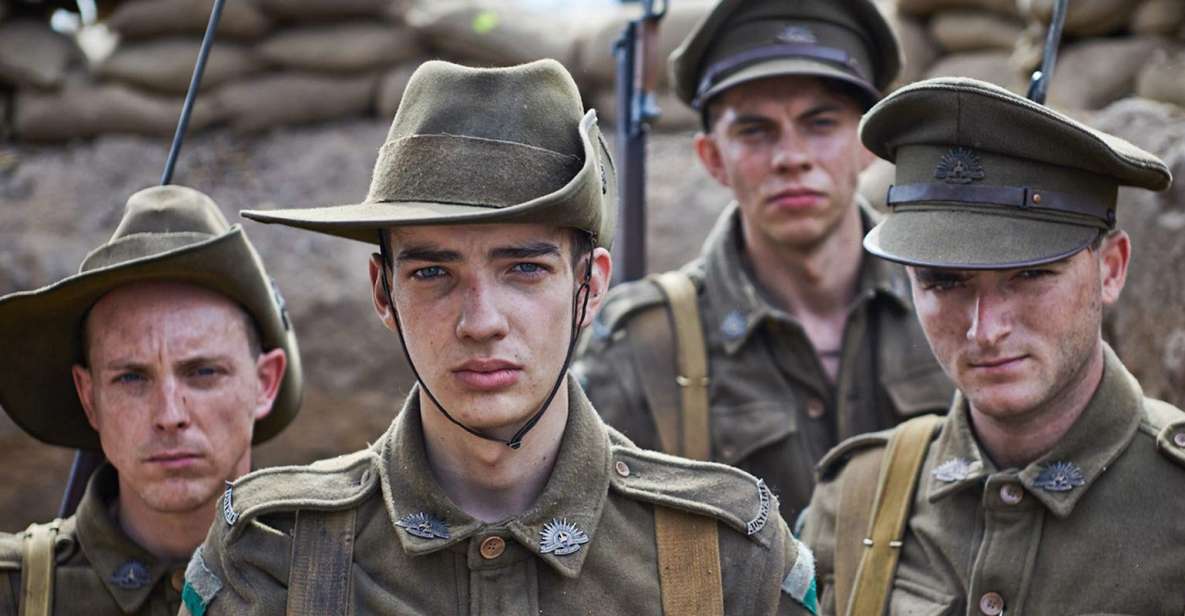
- Small group (up to 15 people) keeps the pace manageable on a site this emotionally heavy
- Hotel pickup from central European Istanbul makes the logistics easier than DIY
- Named stops across both sides of the campaign including Ariburnu, Anzac Cove, and key memorials
- ANZAC Museum time helps you understand what you’re seeing before you move again
- Kilitbahir Castle gives you a 15th-century perspective on why the Dardanelles mattered
- Eceabat lunch with panoramic Dardanelles views gives you a real break before the next battlefield loop
The real tone of this day: remembrance, not just sightseeing
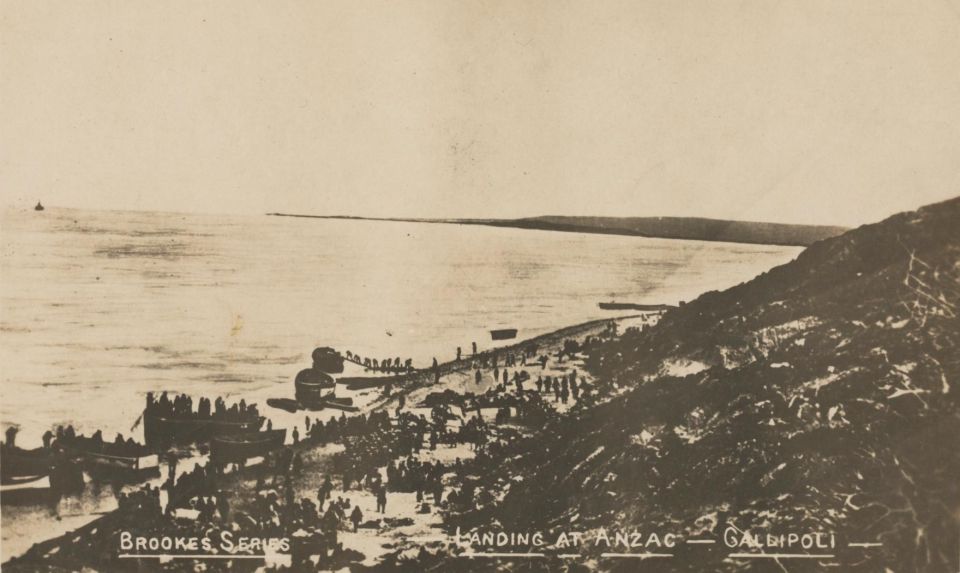
Gallipoli hits differently than most “history tours.” You’re moving through places where people are still remembered by name, including cemeteries and memorials tied to Australia and New Zealand. The best part of this tour format is that it doesn’t rush only the dramatic viewpoints; it keeps bringing you back to what each site represents.
The tour also does something practical: it connects geography to decision-making. When you stand at the narrowest point of the Dardanelles or look across the landing areas, you start understanding why ships and soldiers struggled and why this World War I campaign became so prolonged and costly.
A few more Istanbul tours and experiences worth a look

Getting started in Istanbul: pickup times and where it’s offered
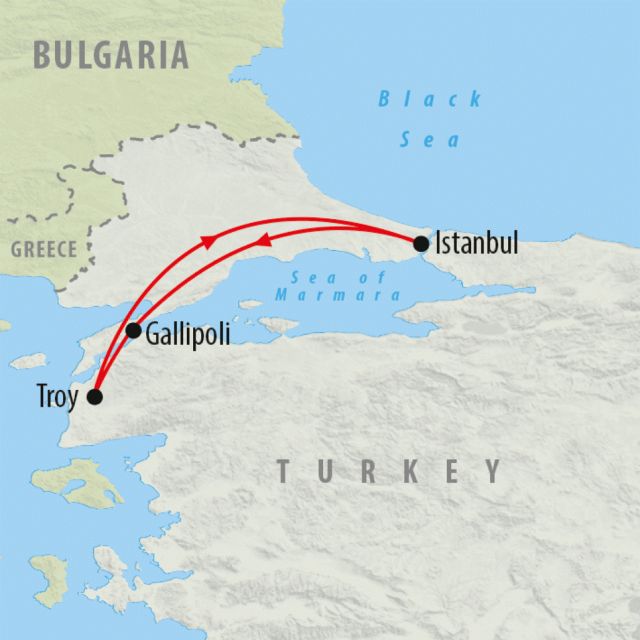
This is built as an early departure experience. Pickup is available only from hotels in the European-side central areas, including Taksim and Sultanahmet (plus surrounding districts such as Laleli, Topkapı, Aksaray, Sirkeci, and Şişli). Pickup windows are typically:
- Taksim area: between 6:00 AM and 6:20 AM
- Sultanahmet area: between 6:30 AM and 7:00 AM
There is no pickup or drop-off from the Asian side. If you’re staying across the water, you’ll need to plan your own way to the European-side meeting point area.
Tip: pack what you’ll want for the drive. You’ll be on an air-conditioned, no-smoking coach, but you still need comfortable shoes, sunglasses, and a camera ready for quick photo moments at each stop.
Breakfast stop, then the long drive to the Dardanelles

After the early start, you’ll have a planned break for breakfast en route, typically 09:30–10:00 AM. The tour description notes breakfast as available as an open-buffet option for an additional cost, so go in knowing that meal is on you while lunch is included later.
This kind of timing matters. You’re crossing a distance that takes time, and you’ll want that first stretch to reset your energy before the emotional part begins. The reviews also point to well-managed stops along the way (including clean restroom breaks), which is worth factoring in when you’re aiming for a smooth, all-day experience.
Eceabat lunch: a calm pause with big views
Once you reach the Eceabat area, you’ll get lunch at a village restaurant. It’s scheduled with panoramic views across the Dardanelles, which makes the break feel like more than a fuel stop. Lunch is included, and the tour is clear that drinks are not.
I like this lunch setup because it’s not thrown in randomly. It comes before the main sequence of Anzac-focused sites, so you’re fed and ready before you start walking through cemeteries and memorial areas where your pace naturally slows down.
Narrowest point overview and Kilitbahir Castle (why this stretch mattered)
The tour begins its main battlefield loop at the narrowest point of the Dardanelles. That’s a smart move: it gives you a quick orientation before you’re dropped into specific landing sites. Even if you already know the broad story of Gallipoli, this kind of “place-first” start helps you keep track of where everything is in relation to the strait.
Then you’ll visit Kilitbahir Castle, built by Fatih Sultan Mehmet in 1463 to protect the Dardanelles. This isn’t just a scenic detour. It’s a reminder that controlling this waterway has been a strategic obsession long before World War I—so the battlefield context becomes bigger than one campaign.
Practical note: fortress areas and viewpoints can mean uneven ground. Wear shoes that can handle walking and standing for photos, especially if you’re sensitive to long days and cold-to-warm shifts.





Ariburnu and the landing story: British Empire and Anzacs
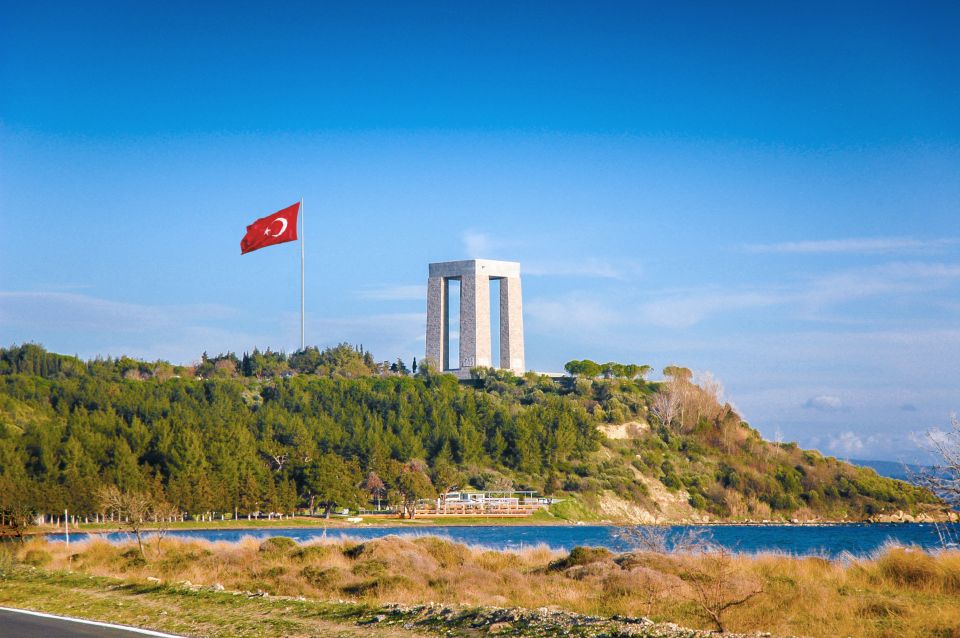
From Kilitbahir, you’ll head to the Gallipoli landing areas where soldiers set up base. You’ll learn about the Allied landings of the British Empire with French support, and how the Anzacs linked up at Ariburnu.
This is where I think this tour wins for first-timers. You’re not just told “they landed here.” You’re shown the terrain, and your guide uses the spots to explain what soldiers faced and how fighting moved over time. The end result is that when you see a cemetery, it feels tied to a sequence—not to a random dot on a map.
ANZAC landing beaches: Anzac Cove and the main base area
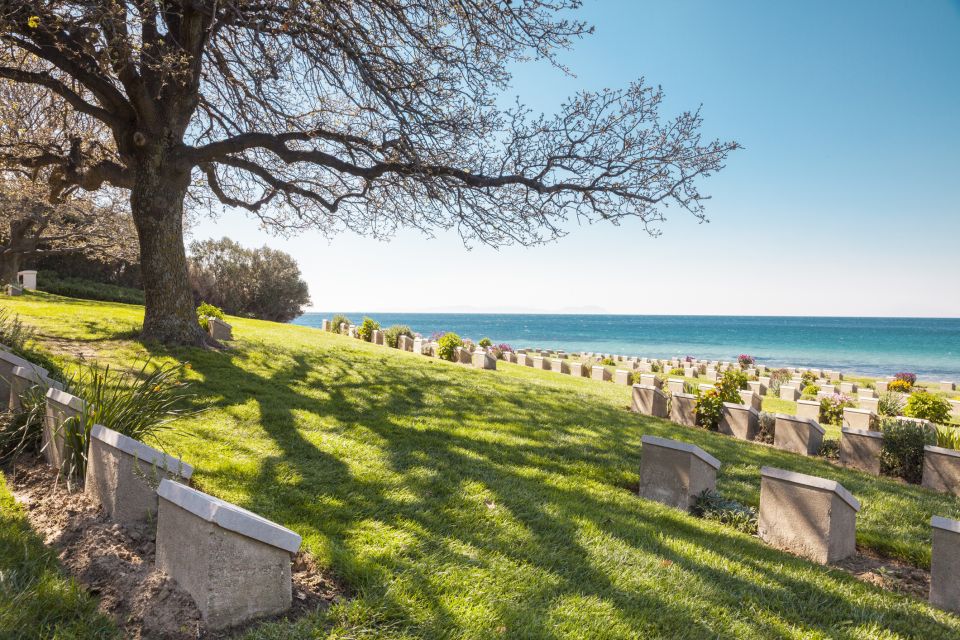
Next comes the part most people come for: the landing beach at Anzac Cove, described as the main base for Australian and New Zealand troops. You’ll get site time paired with interpretive stops at major markers.
A few key locations you should look out for on the route:
- Ariburnu Cemetery and ANZAC Commemorative Site
- Turkish Canon Batteries
- Anzac Cove and surrounding vantage points
This mix matters. It doesn’t lock you into one side’s story. You get your bearings around where artillery and defense were positioned too, which helps you understand why progress was so hard and why the campaign became such a brutal grind.
John Simpson Kirkpatrick and the Lone Pine / Chunuk Bair memorials
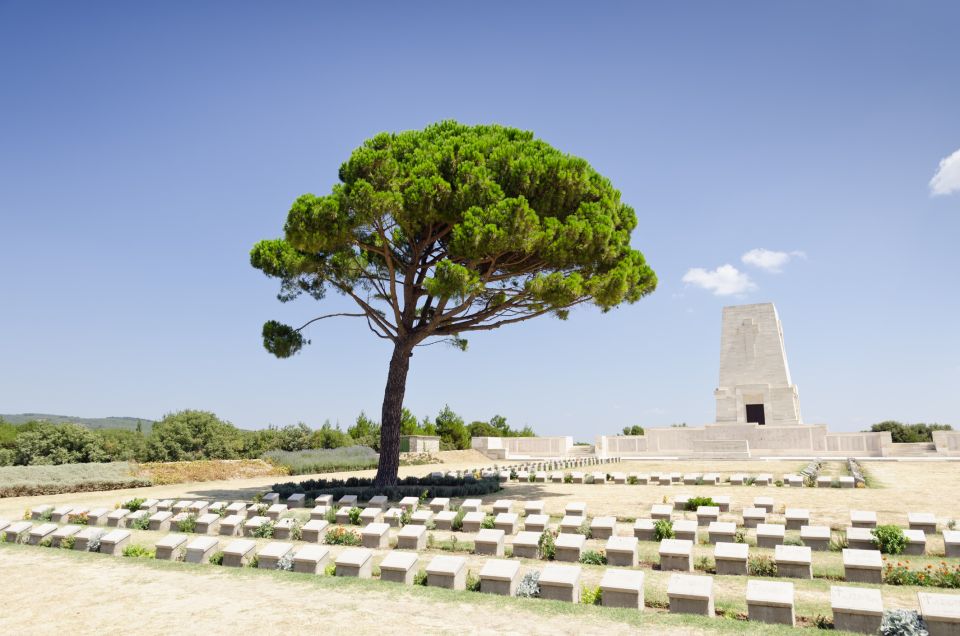
The tour includes a stop connected to one of the most famous names of the campaign: John Simpson Kirkpatrick. You’ll also have time at memorials such as the Lone Pine Australian Memorial and the Chunuk Bair New Zealand Memorial.
For many visitors, these memorial moments are what they’ll remember long after the drive back. They’re also the stops where the guide’s tone matters most. The reviews you provided strongly suggest guides handle sensitivities with care—funny when appropriate, respectful when it counts—so you can absorb the place without feeling like the day is turned into a lecture.
If you’re making this trip because of family history, this tour can feel especially personal. One review mentioned the guide researching and taking a detour to show a relative’s grave site, which is the kind of careful touch that goes beyond the standard checklist.
Turkish Canon Batteries: a reminder to look at more than one viewpoint
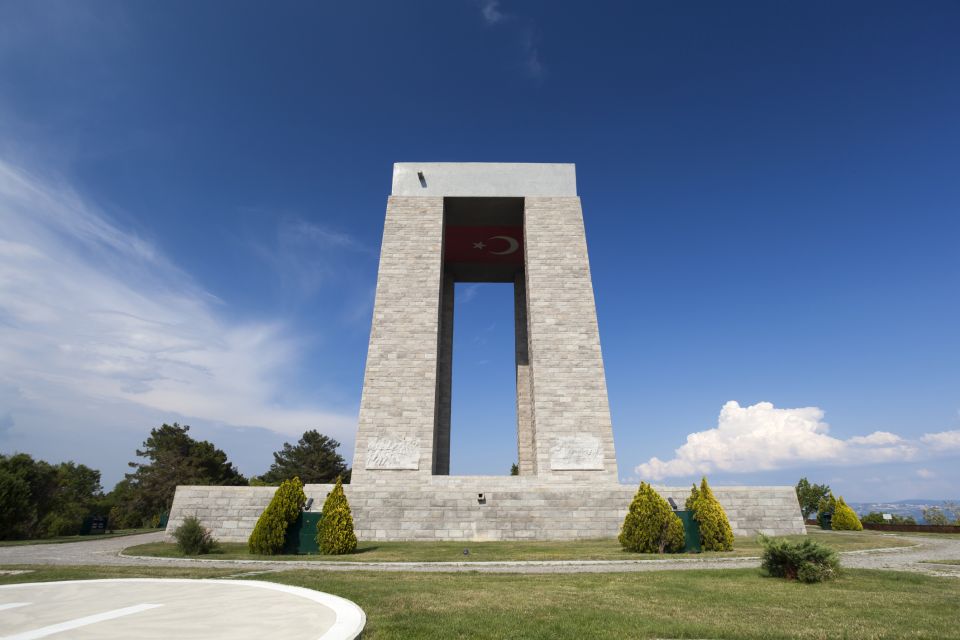
Seeing the Turkish Canon Batteries stop is a useful reality check. It reinforces that this was not a one-note Allied story, and that defense positions shaped what happened once troops came ashore.
Even if you’re primarily focused on ANZAC history, that wider perspective tends to help you understand why the battle didn’t follow a clean, hopeful script. You start seeing the campaign as a layered conflict played out across the strait, coastlines, and ridges—not just as one landing moment.
ANZAC Museum: what it adds before you move on
The tour includes time to learn about the tragic events of World War I at the ANZAC Museum. For me, the best museum moments on battlefield days are the ones that help you picture the campaign in motion: why it dragged on, what the fighting looked like, and how conditions affected both planning and morale.
A practical heads-up from the feedback you shared: a guest suggested the tour could add time for the Gallipoli museum. That doesn’t mean the ANZAC Museum is missing—it’s included—but if you’re a museum-focused person, you may want extra time on your own after the tour to see more exhibits in depth.
Transport and timing: what it feels like in real life
This tour runs about 15 hours. It departs Istanbul early in the morning and returns at around 11:00 PM, with departure from Istanbul at 6:00 PM.
That late return is important. It’s not a tour you tack onto a packed itinerary the same day or the next morning. Plan for a recovery block afterward—maybe a quiet dinner near your hotel or an easy day with no early commitments.
The upside is that the schedule is structured. The guide picks you up, you get breakfast en route, you hit lunch near the battlefield region, then you loop through the main sites with photo stops and explanations. Reviews also point to smooth organization and comfortable mini-bus or coach-style transport.
Guides make the difference: Burak, Charlie, and the storycraft
On battlefield tours, the guide can turn your experience from informative to unforgettable. Based on the names and comments you shared, several guides stand out for both depth and delivery, including Burak and Charlie, plus others mentioned like Ibo/Ibi and Hassan/Hussein.
What consistently shows up in the feedback is a combination of:
- strong English
- story detail that connects sites to events
- humor that doesn’t erase the sadness, but keeps the day from becoming too heavy to follow
- careful attention to group pacing and questions
If you’re choosing between tours, this is the kind of “check the guide” difference that matters more than a small itinerary tweak.
Price and value: is $159 worth it for a full-day commitment?
At $159 per person, you’re paying for a lot more than entry-level “sightseeing.” You get:
- central hotel pickup and drop-off (European side)
- air-conditioned transport for a long drive
- an English-speaking guide
- lunch at Eceabat Village
- entrance fees for the sites you visit
- an English audio guide
Is it cheap? No. But it’s also not just paying for transportation. Entrance fees and guided interpretation are where DIY plans usually get messy. You’d still face the same distance problem from Istanbul, plus you’d be responsible for navigating the timing across multiple memorial sites.
For me, this feels like fair value if you want the convenience and the storytelling structure. If you’re the type who prefers total independence and you already know exactly what you want to do at each site, then DIY could be cheaper. But you’ll trade that for convenience and interpretive help.
Who should book this tour (and who should skip it)
This tour is a strong match if:
- you’re an Australian or New Zealander visiting for ANZAC history
- you want a guided route that hits the big memorials and landing areas
- you’d rather handle one organized schedule than plan transport across the strait
You might want a different option if:
- you can’t handle long, early days (pickup can start around 6:00 AM)
- you need wheelchair access (this tour is noted as not suitable for wheelchair users)
- you’re traveling with pets or large luggage (both are restricted)
Should you book this Gallipoli and ANZAC full-day tour?
Yes, I’d book it if your goal is to see the major sites efficiently and leave with a clearer story of what happened and why it still matters. The route is built around named landing areas, cemeteries, and memorials, and the inclusion of the ANZAC Museum helps you understand the places instead of just standing on them.
If you’re sensitive to long days, treat this as a one-big-day commitment. Start early, plan to return late, and give yourself a buffer afterward. For most people coming from Istanbul, this is one of those trips where the time spent feels like the point.
FAQ
FAQ
What’s the duration of the Istanbul to Gallipoli full-day tour?
The tour lasts about 15 hours.
How much does the tour cost?
The price is $159 per person.
Where is hotel pickup available in Istanbul?
Pickup is available from hotels in the European-side central areas, including Sultanahmet, Laleli, Topkapı, Aksaray, Taksim, Sirkeci and Şişli.
Is pickup available from the Asian side of Istanbul?
No, there is no pickup or drop-off service available from the Asian side.
What time does pickup happen?
Pickup time depends on the area. Taksim area pickups are between 6:00 AM and 6:20 AM, and Sultanahmet area pickups are between 6:30 AM and 7:00 AM. Confirm your exact pickup time and location with the operator.
What meals are included?
Lunch at Eceabat Village is included. An open buffet breakfast is not included (it may be available for an additional cost during the en route stop).
Are entrance fees included?
Yes, all entrance fees are included.
What language are the guide and audio guide?
The guide is English-speaking, and an English audio guide is included.
Is the tour wheelchair accessible?
No, it is not suitable for wheelchair users.
Are there any restrictions on luggage or pets?
Pets are not allowed, and luggage or large bags are not allowed.