REVIEW · SELCUK
Ephesus: Local Tour Guide
Book on GetYourGuide →Operated by APS TRAVEL AGENCY · Bookable on GetYourGuide
Ephesus is big, but it makes sense fast. This 3-hour local guide tour takes you through the famous marble streets and major monuments of Ephesus, plus an exclusive visit to the Terrace Houses—with an English-speaking guide to connect the dots.
I like two things most: the pace is built for walking the site (about 2 hours exploring the ancient city on foot), and the guide experience is the main point here—so you’re not just looking at stones. The only drawback to keep in mind is that if you’re expecting a very talk-heavy, story-packed lecture, one past traveler felt the tour didn’t add much beyond an audio guide style.
In This Review
- Key things to know before you go
- Why Ephesus hits harder with a local English guide
- Meeting at the Upper Gate: the small choice that saves your legs
- Odeon to Curetes Street: the main ruins loop made for a 3-hour visit
- Terrace Houses on Curetes Street: mosaics, fountains, and comfort for the elite
- Celsus Library, Marble Road, and the Great Theater: where the city shows off
- Price and value: what $165 for up to 15 really buys you
- Guide performance: what to watch for in the real world
- What to wear and plan for on this 3-hour walk
- Who this tour suits best (and who should consider alternatives)
- Should you book this Ephesus Local Tour Guide?
- FAQ
- Where does the tour start?
- How long is the tour?
- Is the tour private?
- What languages are available?
- What is included in the price?
- What is not included?
- Does the tour help you avoid lines?
- Is the Terrace Houses visit included?
- What are the cancellation and payment options?
Key things to know before you go
- Start at the Upper Gate so you’re working downhill rather than fighting the slope.
- Skip the ticket line to keep your time focused on ruins, not paperwork.
- Terrace Houses visit is the standout add-on, with high-status homes from the 1st century AD.
- About 2 hours of walking the main ancient city with your English-speaking guide.
- $165 per group (up to 15) makes it more cost-friendly than many smaller tours.
Why Ephesus hits harder with a local English guide
Ephesus isn’t just an archaeological site where you say, wow, look at the columns. It’s a place that reflects multiple eras rubbing shoulders: Hellenistic traditions, Roman Imperial power, and early Christianity. That mix matters because the ruins look impressive from a distance—but a good guide helps you read them up close, like turning the volume up on what you’re seeing.
You also get a built-in reason the site mattered to early Christians. Ephesus is linked with the seven churches mentioned in Revelation, and Apostle Paul likely spent around two and a half years here during his third missionary journey. When someone ties that background to what you’re standing beside, it changes your mindset: you stop thinking of the buildings as isolated “attractions” and start seeing them as stages where real communities lived, argued, worshipped, and traded.
You can also read our reviews of more guided tours in Selcuk
Meeting at the Upper Gate: the small choice that saves your legs
You meet at Ephesus Archaeological Site, at the upper entrance (the Upper Gate). It’s a small detail, but it affects your comfort. Since the site runs slightly downhill, starting at the top helps you keep the walking rhythm smoother—less stop-and-go energy.
It also matters because the tour is only 3 hours total. That means you want those hours to be spent on the route that makes sense, not backtracking. The guide’s job is to keep the flow: matching your route to the monuments you’ll see and keeping the walk efficient enough that you still reach the big highlights without feeling rushed.
Odeon to Curetes Street: the main ruins loop made for a 3-hour visit
Your guided walk takes you through a long list of major landmarks, and the best way to think of it is like a loop through the city’s public life—entertainment, government, religion, and daily commerce—ending toward the more residential elite area.
Here’s how the big stops fit together:
Odeon
This is the kind of venue that signals public gatherings and performances. When you’re shown how it worked in the Roman world, it stops being “a theater” and becomes part of how Ephesus organized community life.
State Agora
Agoras were more than marketplaces. They were civic stages. Standing here with a guide helps you picture how politics and trade mixed in the same public spaces.
Prytaneion and the Memmius Monument
These are the sort of points where leadership and prestige become visible in stone. A guide’s explanations help you connect why certain monuments sit where they do, and what they were likely meant to communicate to residents.
Domitian Temple
Roman imperial worship was a major way power declared itself. Your guide’s context can help you understand why this temple fits into the broader Roman look of the city.
Hercules Gate
City gates aren’t just entrances. They’re symbols, and they usually cue travelers that they’ve crossed into a particular identity. It’s a good place to slow down for a minute and notice how the architecture frames movement into the city.
Curetes Street
This street becomes especially important because it leads you toward the area where you’ll later visit the high-status homes called the Terrace Houses. When the route is explained well, you’ll feel the shift—from public monuments to the private world of wealth.
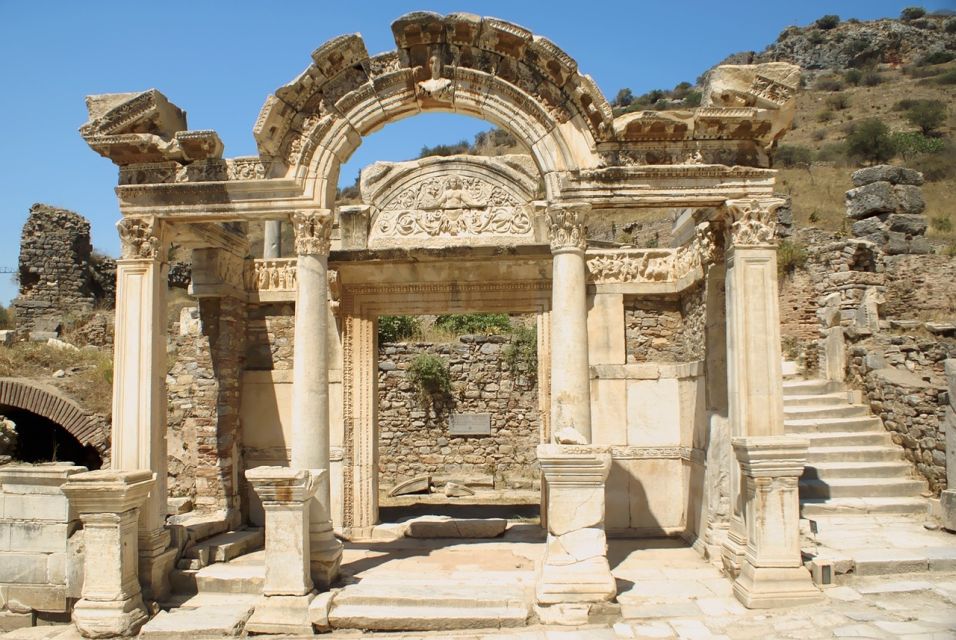
Hadrian Temple and Latriens
These add religious and practical everyday texture. Guides often help you see how these sites reflect both ceremony and routine life in an ancient city.
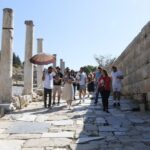
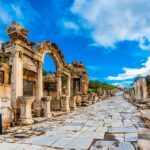
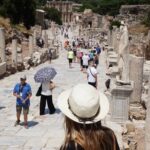
As you move along, you’ll be walking on the famous marble roadways through the ancient streets. The site is large, but the guided route keeps it from turning into one long “walk and hope” moment.
Terrace Houses on Curetes Street: mosaics, fountains, and comfort for the elite
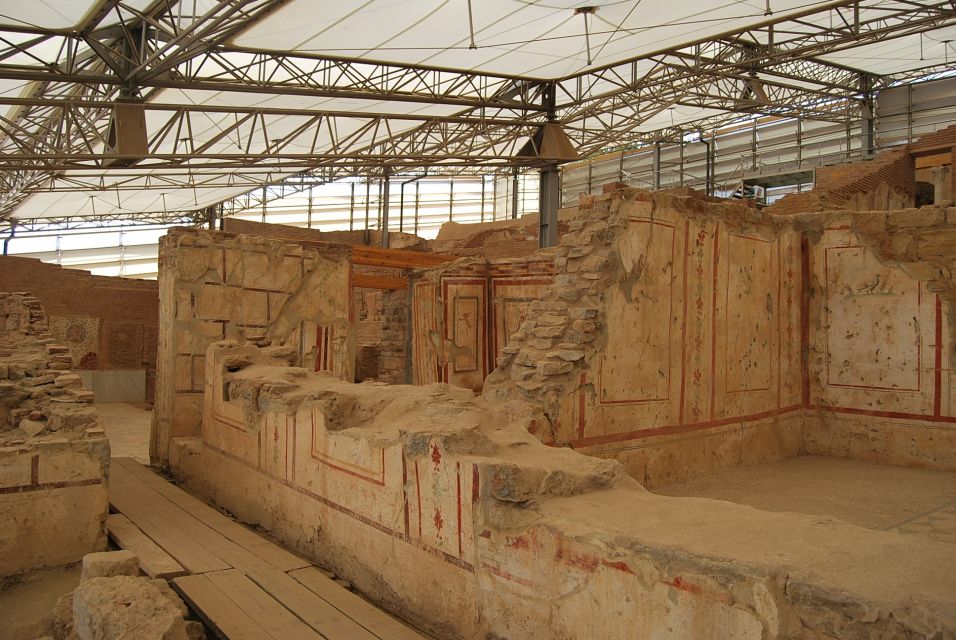
The Terrace Houses are the star of this tour package, and for a reason you can actually picture while you’re there. These homes on Curetes Street belonged to prominent people in Ephesus. They date back to the 1st century AD, and some were used by inhabitants into the 7th century.
What you’re seeing is a peek at how wealth translated into architecture and everyday life. The Terrace Houses are described as luxurious private residences with mosaic floors, fountains, and central heating. That last detail is the one that always catches people off guard. You’re not just looking at old walls; you’re seeing evidence that comfort technology existed in ways you might not expect.
And because this visit is called out as exclusive within the tour, it’s a strong reason to book rather than rely on a self-guided wander. A guide can also help you orient yourself through the layout—so the homes feel like places someone lived, not just rooms to photograph.
Celsus Library, Marble Road, and the Great Theater: where the city shows off
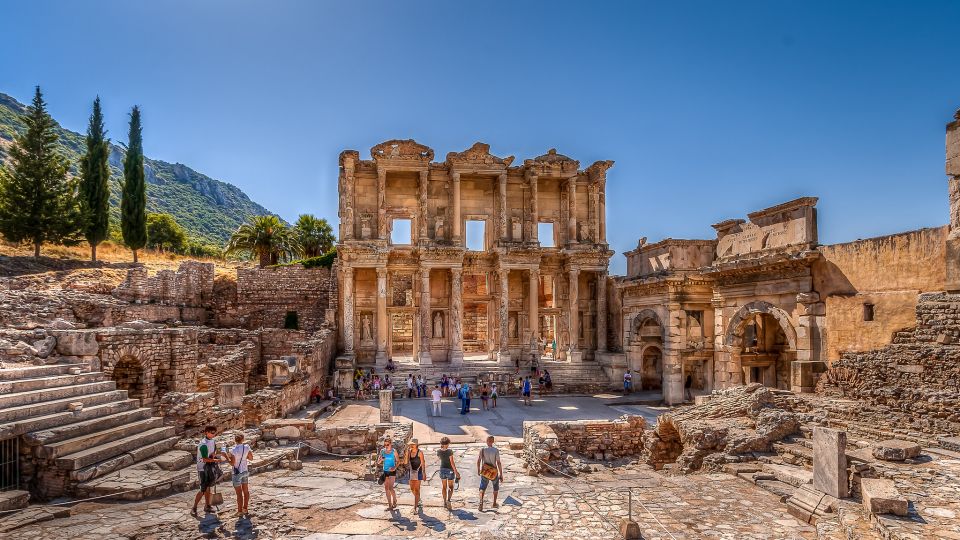
After the Terrace Houses, you continue through the major visual hits that make Ephesus famous on postcards—but with context that makes them more than photos.
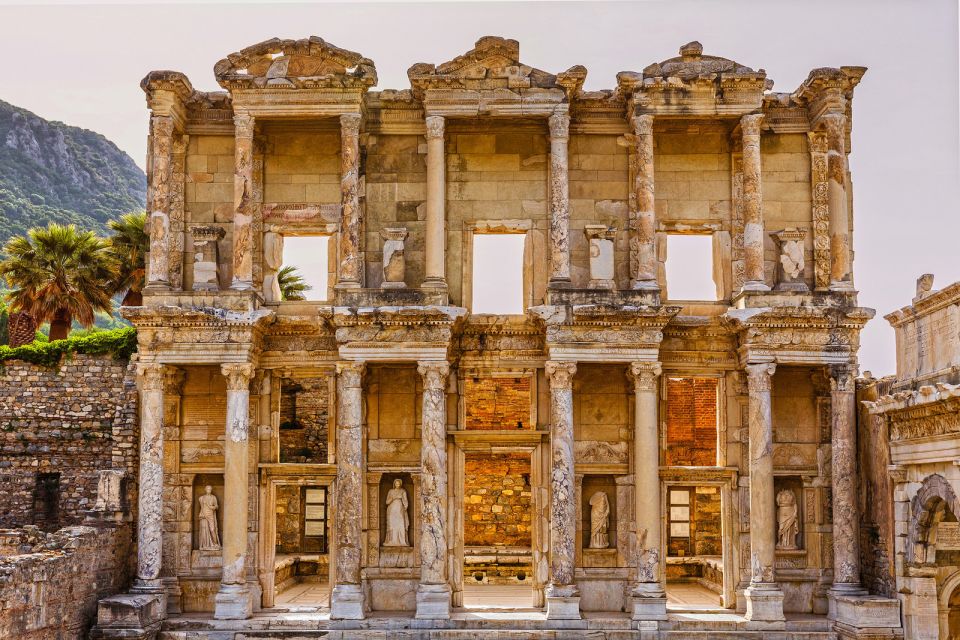
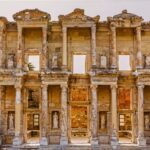
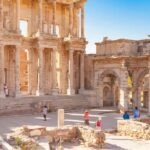
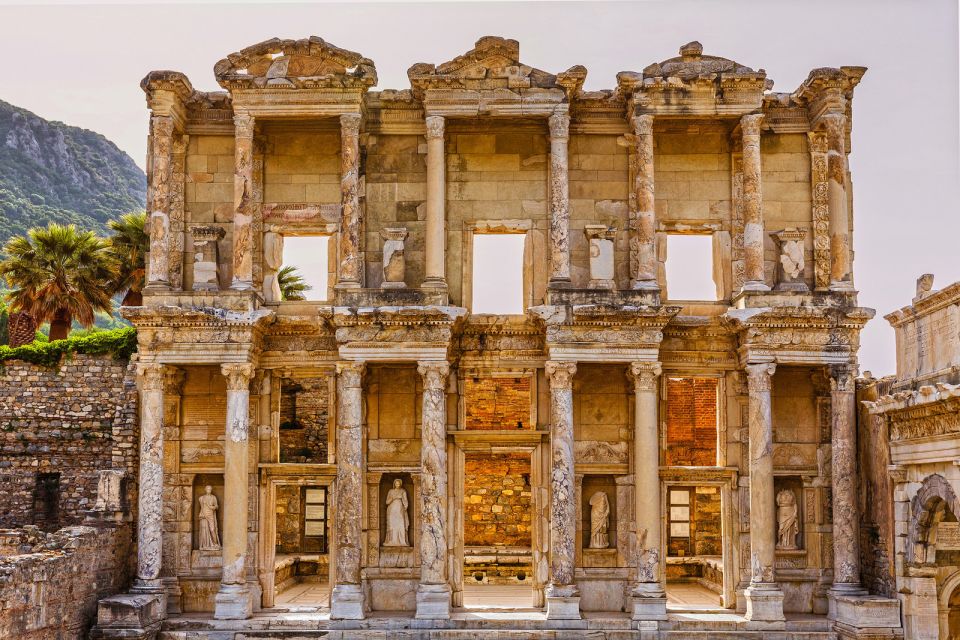
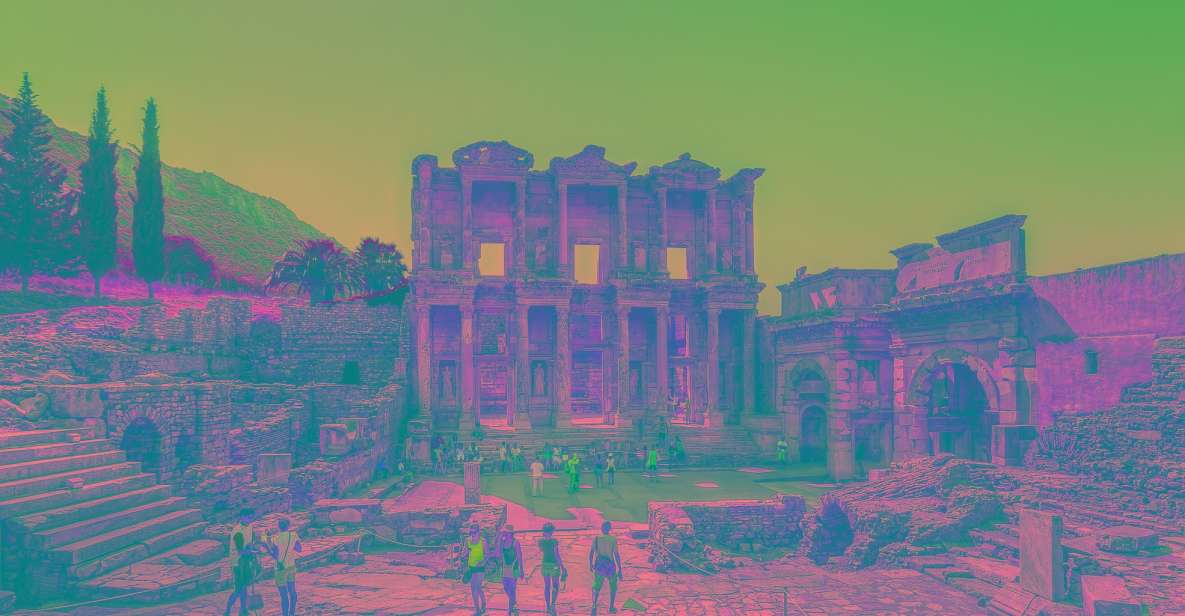
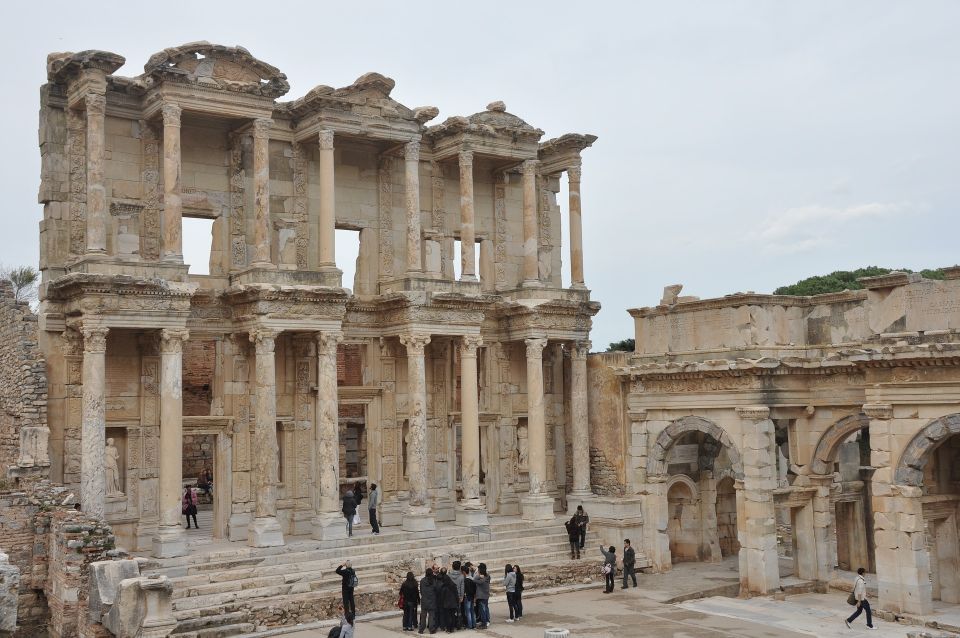
Celsus Library
The library is one of the most recognizable facades. What makes it special on a guided route is how the guide connects it to civic life: learning, prestige, and the idea that knowledge and public identity belonged together in this city.
Marble Road
This is the street-level “wow” moment. The guide helps you understand why the road matters—this wasn’t a rough track between ruins, it was part of how the city looked and moved.
Commercial Agora
Back to civic and economic life. With an explanation in place, you’ll notice the way these spaces were designed for movement and activity, and how the urban plan kept trade and public life intertwined.
Great Theater
A theater is where people gathered in huge numbers for performance and ceremony. With a guide’s timing and pacing, you’ll get a sense of scale rather than just standing in the middle of the stones. If you’re the type who likes history with a physical sense of space, this is where Ephesus clicks.
Arcadine (Harbour Road)
This connects the city to its wider world. The name alone points toward the harbor area, and it helps you understand that Ephesus wasn’t isolated. It was part of a coastal network where goods and ideas traveled.


Price and value: what $165 for up to 15 really buys you
At $165 per group (up to 15), the value depends on how you’re traveling.
If you’re a small group, this price can be very reasonable because you’re paying for a guide, not per person like some tours. A private group setup also helps because your guide can keep things organized around your route and timing.
That said, it’s not a “free everything included” deal. Entrance fees are not included, and transportation and lunch/drinks aren’t included either. So the true total cost will be entrance-related on top of the $165. Still, the tour does include skip the ticket line, which is one of those practical wins that can save time when crowds are thick.
The best value angle here is simple: for a 3-hour visit, you’re getting a guided route through the city’s big monuments plus the Terrace Houses. If you’re trying to see the highlights without spending your whole day inside ticketed zones, this format makes sense.
Guide performance: what to watch for in the real world
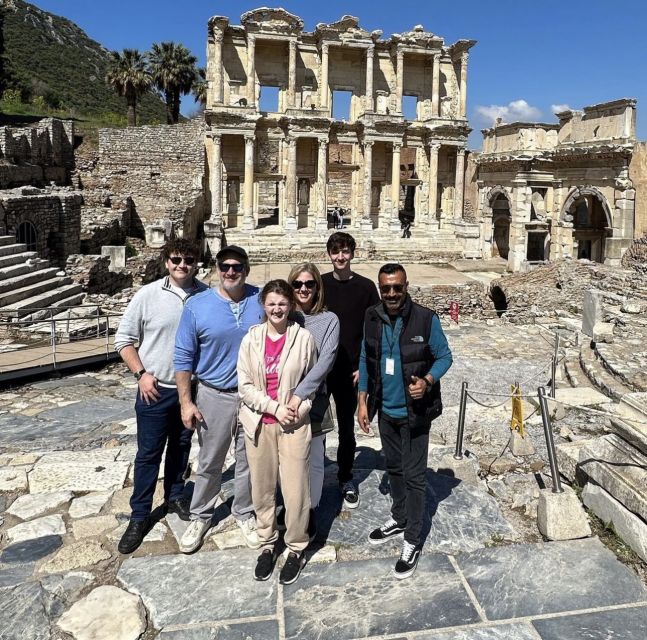
In practice, guide quality is the difference between a tour you love and one you tolerate. This one leans on strong local interpretation.
English-speaking guides linked to this experience include people like Nizam and Yildmaz, and the points praised most are:
- Strong command of the site
- A pleasant, helpful style
- A pace that doesn’t feel like the guide is racing the clock
One caution comes from a lower rating: a past visitor felt the tour didn’t add much in information terms and could have been similar to an audio guide. That doesn’t mean every departure is like that. It does mean you should go in with the right mindset: this is a walk + guided orientation experience. If you want very deep, lecture-style storytelling at every stop, you might find you want extra reading or a longer tour.
What to wear and plan for on this 3-hour walk
Since the tour is built around walking on the site (and includes a route through multiple monuments), you’ll be happier if you plan like it’s a proper walking outing.
I’d show up with:
- Comfortable shoes for uneven ground
- Sun protection if you’re visiting on a bright day
- A quick water strategy for after the tour (the tour doesn’t list water as included)
The site is outdoors and you’ll spend time moving. If you’re trying to pack this into a tight day, give yourself breathing room afterward so you don’t feel rushed when you’re still processing what you saw.
Who this tour suits best (and who should consider alternatives)
This is a strong choice if:
- You want a guided overview of Ephesus without getting lost
- You care about early Christian context and why the site mattered
- You want the Terrace Houses visit rather than only the “big facade” monuments
- You’re traveling with a group up to 15 and want shared value
It may be less ideal if:
- You’re looking for a long, slow museum-style experience
- You prefer going fully at your own pace with minimal guidance
- You’re hoping for an ultra-story-driven performance at every single stop
Should you book this Ephesus Local Tour Guide?
If your priority is hitting the essential monuments in about 3 hours, starting smart at the Upper Gate, and getting an exclusive look at the Terrace Houses, then yes, I’d book it. The pricing structure makes sense for groups, and the skip-the-ticket-line perk helps keep your day on track.
My recommendation hinges on expectations: treat this as a guided walk that gives you orientation, context, and a route you can follow. If you want a deep-dive lecture marathon, consider longer or more specialized tours. But if you want to walk away understanding why Ephesus mattered—politically, culturally, and spiritually—this one is a solid way to do it.
FAQ
Where does the tour start?
You meet at the Ephesus Archaeological Site, at the upper gate.
How long is the tour?
The duration is 3 hours.
Is the tour private?
Yes, it’s a private group tour.
What languages are available?
The tour is in English.
What is included in the price?
An English local tour guide is included.
What is not included?
Entrance fees, lunch and drinks, and transportation are not included.
Does the tour help you avoid lines?
Yes, it includes skip the ticket line.
Is the Terrace Houses visit included?
Yes, the tour includes an exclusive visit to the Terrace Houses.
What are the cancellation and payment options?
There is free cancellation up to 24 hours in advance for a full refund, and you can reserve now & pay later.