REVIEW · EPHESUS
Ephesus and Pamukkale: Day Trip by Plane from Istanbul
Book on GetYourGuide →Operated by Moira Travel Agency · Bookable on GetYourGuide
Some ancient sights just need speed.
This day trip strings together Ephesus and Pamukkale/Hierapolis with flights and a live English guide, so you’re not stuck planning logistics across the Aegean. I like that the pacing is built for one-day success, plus you get guided time in the places that most often get cut short.
The second thing I like is the focus: you’re taken to the headline monuments, from the Library of Celsus and Great Theater at Ephesus to Pamukkale’s stepped white travertines and Hierapolis’s Sacred Pool option. One possible drawback: it’s a long, full schedule with multiple transitions, so it’s not for slow mornings or people who hate crowds and sun.
In This Review
- Key things that make this trip work
- Flying one day to Ephesus and Pamukkale (without living out of suitcases)
- Istanbul pickup, airport transfers, and why timing matters
- Ephesus in a guided sprint: Celsus, Trajan, and the Great Theater
- The Library of Celsus and why it still feels theatrical
- Fountains and temples that explain how the city ran
- Great Theater: 24,000 seats and a reality check about crowds
- Temple of Artemis and the House of the Virgin Mary
- Pamukkale’s cotton castle: travertines, terraces, and hot-spring time
- The smart way to enjoy the terraces
- The hot springs and the Sacred Pool decision
- Hierapolis after Pamukkale: UNESCO ruins you can actually read
- What to expect from time on the ground
- Lunch and the hidden costs that shape real value
- The trade-offs: long day, limited shade, and extra stops
- Who this trip suits best (and who should skip it)
- Should you book this Ephesus and Pamukkale day trip?
- FAQ
- How long is the Ephesus and Pamukkale day trip from Istanbul?
- Does the price include flights?
- Is lunch included?
- Are entrance fees included for the sites?
- Is there a guided tour during the day?
- What do I need to bring?
- What’s the cancellation policy?
Key things that make this trip work
- Flights + hotel pickup: you start early, fly to the Aegean, and return the same day.
- English live guide: guided time at both sites, not just wandering with a map.
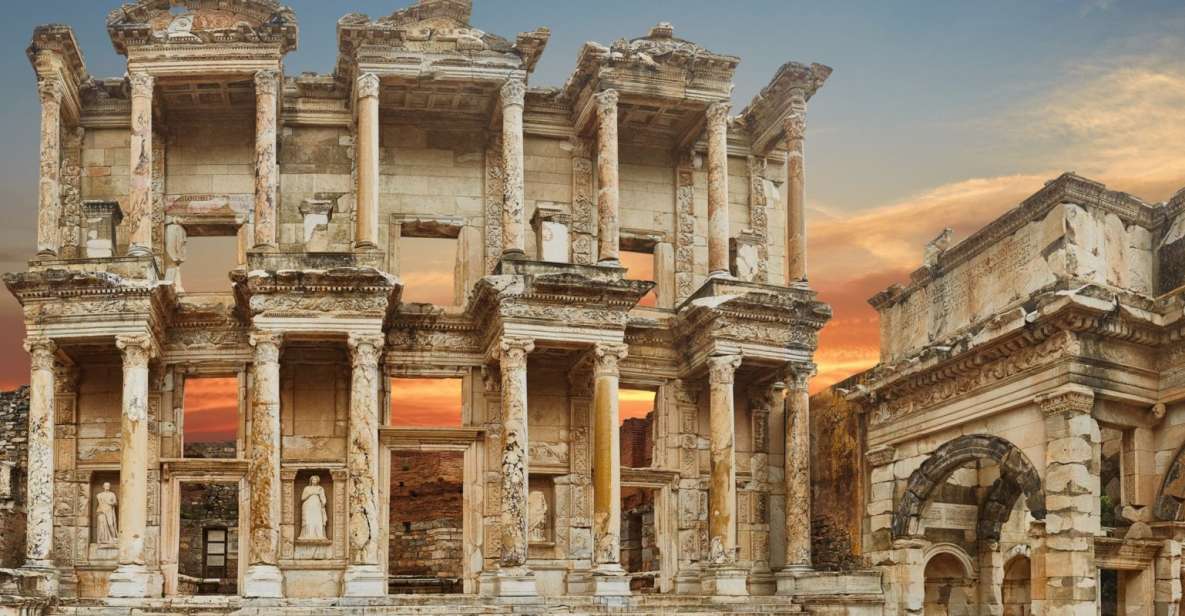
- Ephesus highlights: Celsus, Great Theater (24,000 seats), Artemis-area stops, and more key monuments.
- Pamukkale cotton terraces: natural hot-spring water shaping the famous white steps.
- Hierapolis UNESCO time: Sacred Pool entrance is optional, plus time at the ancient necropolis area.
Flying one day to Ephesus and Pamukkale (without living out of suitcases)
This is a “do it in one day” concept done the right way: you’re not trying to brute-force Ephesus and Pamukkale by road alone. The plan is built around two flights (Istanbul → Izmir, then Denizli → Istanbul) and short van transfers around the airports and attractions. That’s the difference between seeing two highlights and spending your day on roads.
Expect about 12 hours total. You’ll be picked up in Istanbul early and then the day becomes a chain of short, organized moves: airport transfer, flight, meet your guide, then sightseeing blocks with a mix of guided time and personal time.
It’s also sold as a private group, which tends to make the day feel less like a cattle car. Still, keep your expectations realistic: even a private group is dealing with popular sites, peak-season crowds, and that very simple truth—ancient ruins require walking.
A few more Ephesus tours and experiences worth a look
Istanbul pickup, airport transfers, and why timing matters
The big value here is stress reduction. Your day starts with hotel pickup in Istanbul, which means you’re not trying to figure out trains, taxis, or where to be for check-in. The itinerary includes ground transfer time to the airport, then another transfer after you land to reach Ephesus with your guide.
Flights can add uncertainty anywhere in the world, but the structure of the day is designed to protect your sightseeing. In past departures, people reported smooth coordination even when delays happened. That said, you should still treat the day like a tight schedule: arrive rested, use restroom breaks when offered, and keep your phone charged for airport moments.
Ephesus in a guided sprint: Celsus, Trajan, and the Great Theater
Ephesus is the reason many people come to Turkey. On this plan, you get guided time in the parts that help you understand what you’re actually looking at—why it mattered, who used it, and how Greek, Roman, and Byzantine layers show up in the same stones.
You’ll spend about two hours at Ephesus with your guide, so it’s not a slow museum-style visit. Instead, it’s a targeted hit that helps you see the big story fast.
Here are the stops that really shape the experience:
The Library of Celsus and why it still feels theatrical
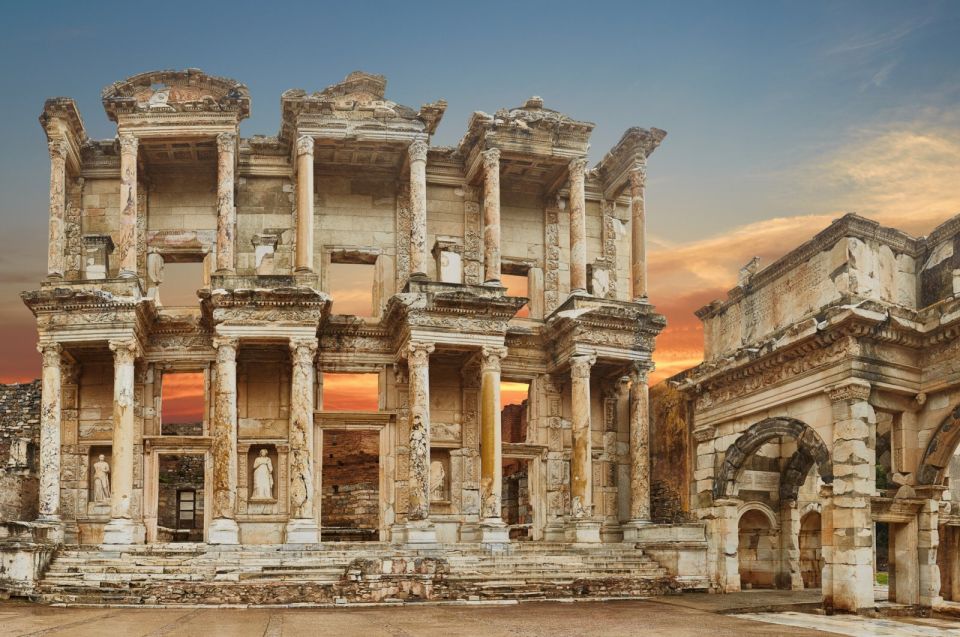
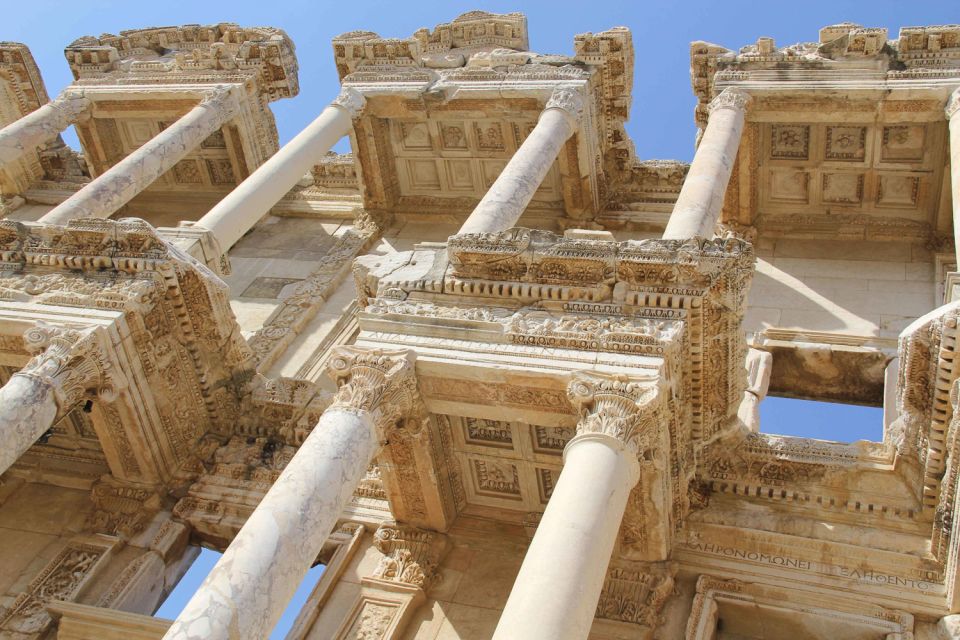
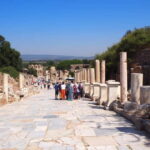
The Library of Celsus is one of those places that makes ruins feel alive. You’re not just staring at columns—you’re seeing a monumental facade designed to impress, educate, and project power. With a guide, it’s easier to connect the “pretty front” to the city’s role in commerce and culture.
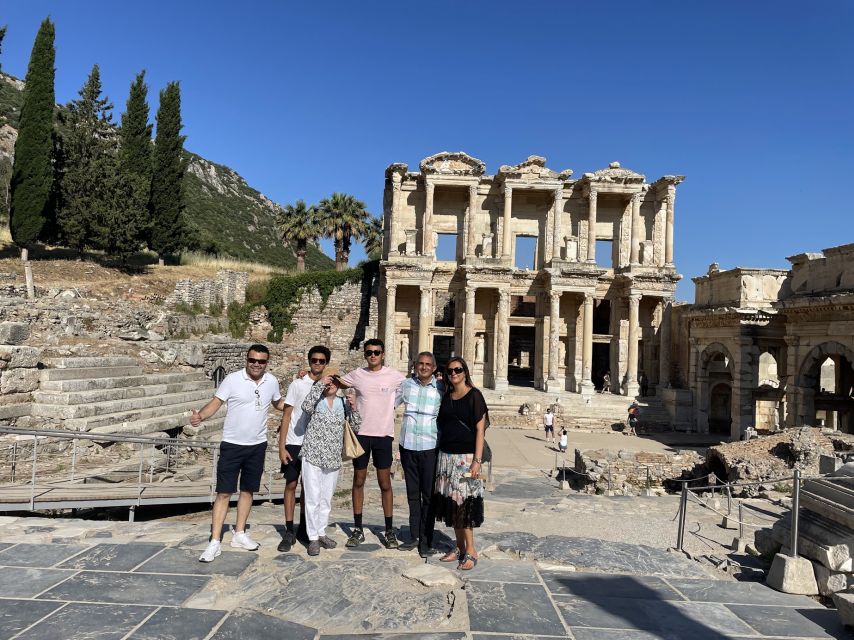
This is also where your guide’s pacing matters. If you want photos without constantly getting back up and down, go at the time your guide suggests—then take your time while the group is positioned well.
Fountains and temples that explain how the city ran
At Ephesus, you’ll also pass through major civic and religious landmarks, including the Fountains of Trajan and stops like the Temples of Hadrian and Domition. These aren’t random pile-ups of ancient rock. They show you how a city balanced public life: water, worship, and civic identity in one urban system.
If you care about architecture and city planning, this guided approach pays off. If you don’t, it still helps you make sense of what’s worth your attention.

Great Theater: 24,000 seats and a reality check about crowds
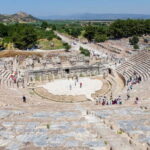
The Great Theater at Ephesus is built for scale. With capacity around 24,000 spectators, it’s hard not to imagine performances and assemblies in the exact spot where you’re standing. The guide context here matters, especially if you don’t speak the language of ancient Roman entertainment.
Then comes the very modern part: the area can be crowded and exposed. Bring water, use sunscreen, and plan for long sight lines.
Temple of Artemis and the House of the Virgin Mary
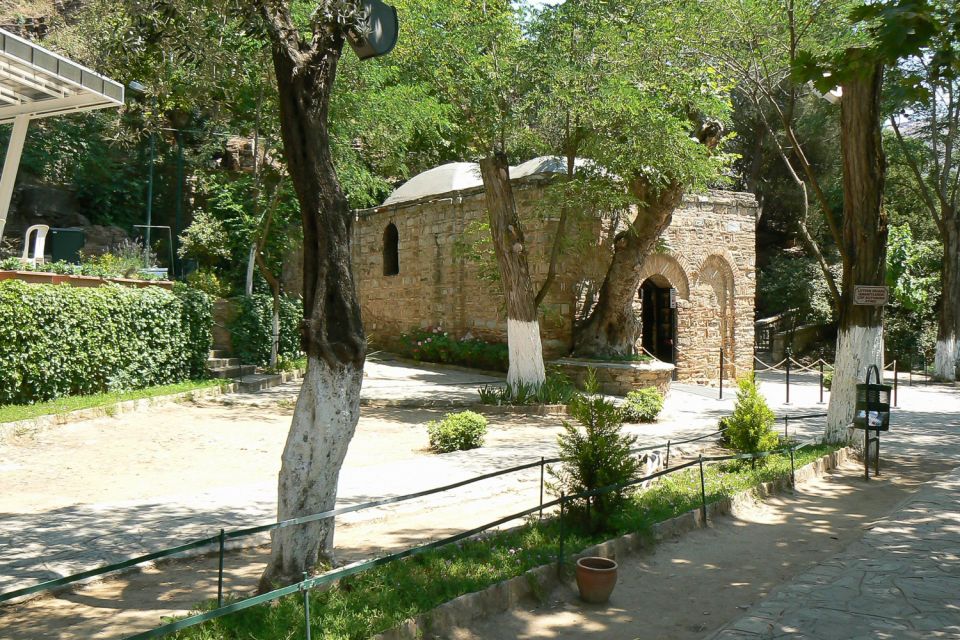
You’ll also include iconic Ephesus-adjacent stops like the Temple of Artemis area and the House of the Virgin Mary. These are “name sites” for a reason, but they also work well in a guided day because the guide can connect them to the larger religious and cultural map of the region.
My practical take: if you want the best photos and don’t want to spend forever waiting, pay attention to when your guide moves the group through each point. In a one-day plan, that small timing choice changes everything.
Pamukkale’s cotton castle: travertines, terraces, and hot-spring time
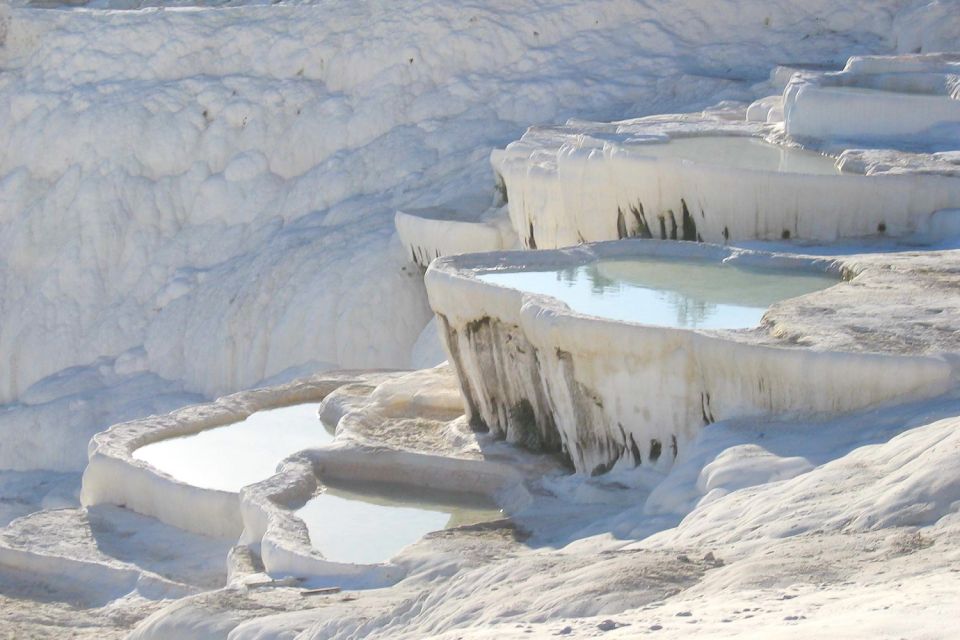
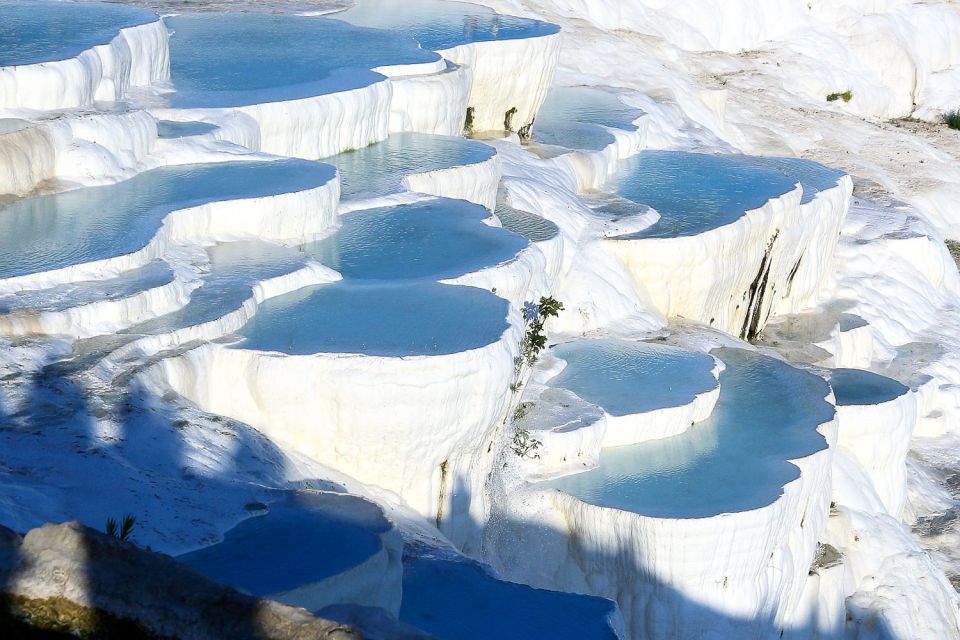
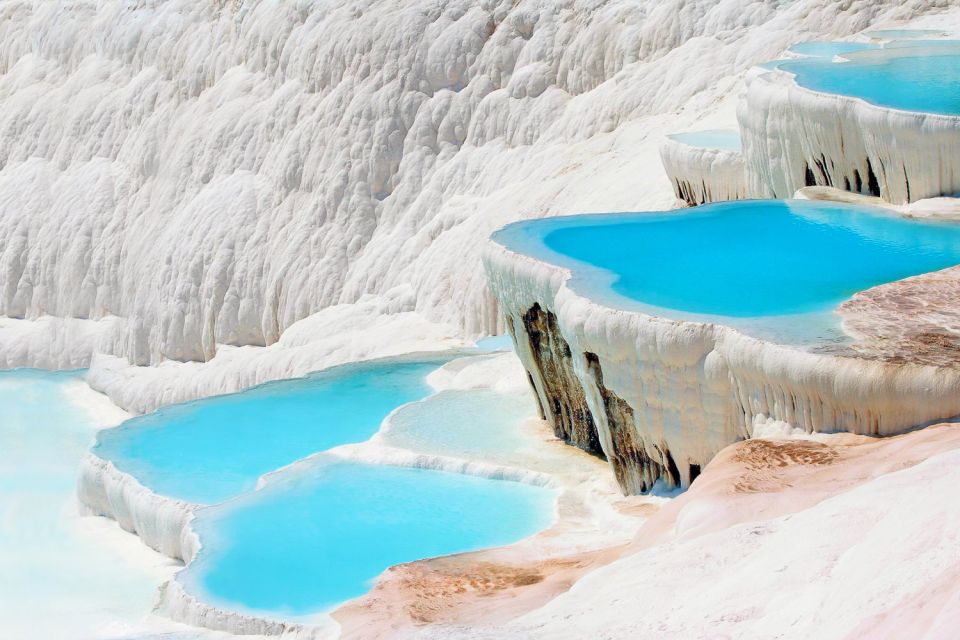
Then you shift from ancient city scale to a natural wonder you can’t fake. Pamukkale is known for thermal spring waters that deposit minerals over time, creating those stepped, white travertines that look like cotton.
You’ll have about two hours in the Pamukkale area during this day, with a mix of guided time, photos, and free time. There’s also mention of time for shopping and a general sightseeing window, so if you prefer zero-shopping days, you’ll want to treat those blocks as optional.
The smart way to enjoy the terraces
Pamukkale looks magical, but it can also feel like standing in bright sun for long stretches. I’d do three things:
- Wear shoes you don’t mind getting a bit wet (travertine surfaces can be slippery).
- Keep your time on the terrace efficient—get the key viewpoints early, then circle back if the crowds thin.
- Don’t underestimate how strong the sun can feel after the morning ruins.
The hot springs and the Sacred Pool decision
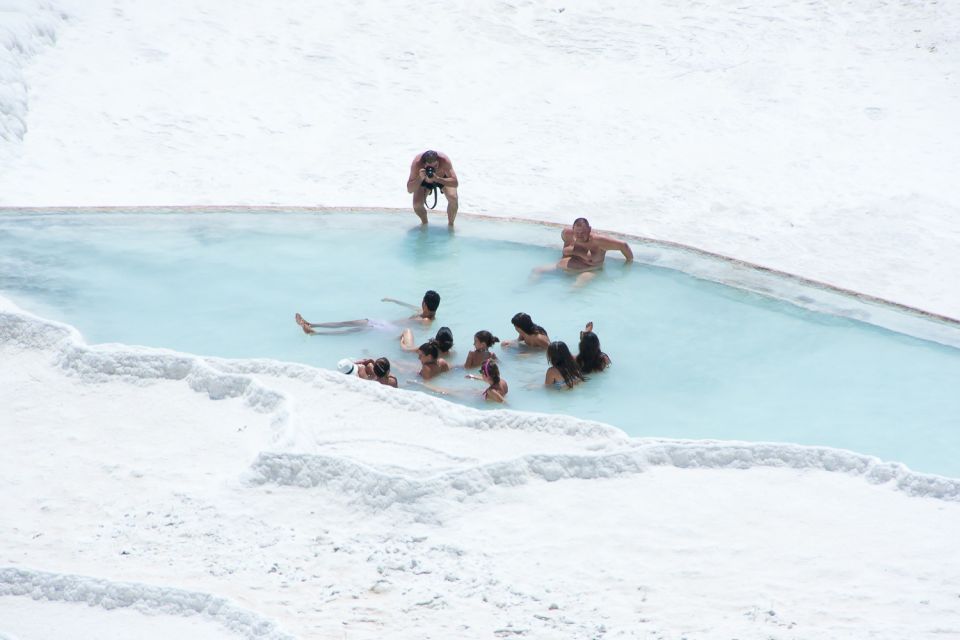
You can swim in Pamukkale hot springs as part of the experience. But here’s an important distinction: entry to the Sacred Pool is listed as not included. The tour description frames Sacred Pool access as optional, and you’ll decide if you want to pay that extra entrance.
If you’re the type who loves a hands-on moment, the Sacred Pool option is usually the payoff of the whole Pamukkale side trip. If you’d rather save money for other Turkey priorities, you can still enjoy the views and architecture without the pool entry.
Hierapolis after Pamukkale: UNESCO ruins you can actually read
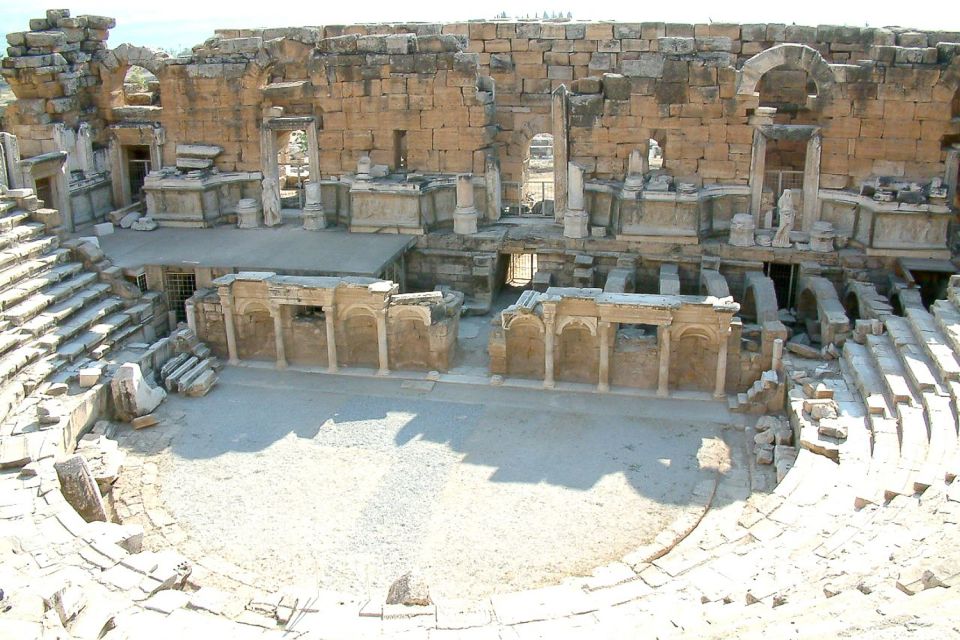
Pamukkale and Hierapolis are closely linked, and the UNESCO angle here isn’t a marketing label—it’s a way to help you understand why this area matters. After Pamukkale, you continue to Hierapolis, where you’ll get guided time among Roman-era remains.
The highlight is the Sacred Pool, with the detail that you can enter and see shallow thermal waters over Roman ruins beneath. That’s a unique way to experience ruins: you’re not just looking at them; you’re seeing them through the water.
Then you move to the Necropolis of Hierapolis, which is famous for having around 1,200 gravestones, including that of Marcus Aurelius Ammianos. This is one of the places where scale hits you. A necropolis isn’t just “a cemetery”—it shows you how the city remembered itself and how families marked presence over generations.
What to expect from time on the ground
This part of the day is walking-heavy. Even with a guide and organized transitions, you’re moving between ancient structures and open areas, and some sections can be uneven. Also, note the mixed accessibility messaging: while the activity is listed as wheelchair accessible, it is also marked as not suitable for people with mobility impairments. If that applies to you, it’s worth clarifying with the operator before booking.
Lunch and the hidden costs that shape real value
The tour includes lunch (drinks not included). That’s a real advantage in a day like this, because buying food around airport chaos and popular sites can turn into overpriced sandwiches and missed sightseeing time.
But to judge the value of the $563 price tag, you need to track the main exclusions:
- Entrance fees to sites are not included.
- Sacred Pool entrance is not included.
- Drinks with lunch cost extra.
- Dinner is extra (you’ll be back to Istanbul at the end of the day, not after an overnight).
One way to think about it: you’re paying for the whole machine—flights, guide, airport transfers, air-conditioned van transportation, and lunch. If you were to try to arrange all of that yourself, you’d still spend time on tickets, routing, and meeting points, plus you’d likely lose some of the structured guidance.
Yet, this is also where a day trip can feel pricey. If you already plan to visit these sites and you’re comfortable organizing tickets and a guide locally, you might decide to compare total costs. The “best deal” depends on how much you value guided time and stress-free logistics.
The trade-offs: long day, limited shade, and extra stops
A long day trip comes with predictable friction:
- Time is tight at each site, so you won’t linger the way you would on a 2- or 3-day itinerary.
- Crowds and shade can be an issue, especially in summer—so plan for sun and heat exposure.
- You may encounter extra stops that aren’t on your must-see list. For example, at least one departure included a stop at an expensive leather factory, which some people felt was too much time for what they wanted.
Also, Pamukkale can have variable conditions. One person reported that the pools were closed for renovations and that this wasn’t communicated in advance. That doesn’t mean it will happen to you, but it’s a good reason to ask the day before travel whether pool access is operating as expected.
Finally, flight seating can be imperfect. Some departures reported that seat selection wasn’t fully controlled when booking, so if you’re traveling with someone and seating together is important, it’s worth clarifying before you lock in.
Who this trip suits best (and who should skip it)
This is a good match if you:
- Want to see two top Aegean icons in one day without self-planning.
- Like having an English-speaking guide keeping you oriented at major monuments.
- Prefer air-conditioned transport and organized transitions over DIY travel between cities.
It’s a weaker match if you:
- Hate rushed schedules or need lots of downtime between stops.
- Want to spend extra hours inside museums or on trails (this is more “key sites” than “slow wandering”).
- Have mobility limitations that make uneven ancient sites difficult—because the activity is marked as not suitable for people with mobility impairments.
Should you book this Ephesus and Pamukkale day trip?
If your goal is maximum Turkey value in minimal time, I think this kind of package makes sense. You’re paying for what’s hard to DIY on your own: flights, airport transfers, an English guide, air-conditioned transport, and a guided hit at Ephesus plus Pamukkale/Hierapolis.
I’d book it if you can handle a full-day schedule and you’re okay budgeting for site entrance fees and possibly Sacred Pool entry. If you’re sensitive to long walks, hot sun, or you strongly dislike any factory/shop detours, you may want to compare options that add time—or ask the operator what’s included on your specific departure day.
FAQ
How long is the Ephesus and Pamukkale day trip from Istanbul?
The total duration is listed as 12 hours, with early pickup in Istanbul and an evening return flight back to Istanbul.
Does the price include flights?
Yes. Flights are included: Istanbul to Izmir and Denizli to Istanbul, plus airport transfers.
Is lunch included?
Yes. Lunch is included, but drinks with lunch are not included.
Are entrance fees included for the sites?
No. Entrance fees to the sites visited are not included, and Sacred Pool entrance is also not included.
Is there a guided tour during the day?
Yes. The tour includes a live tour guide in English.
What do I need to bring?
Bring a passport or ID card.
What’s the cancellation policy?
You can cancel up to 24 hours in advance for a full refund.