REVIEW · ANKARA
Ankara: Baklava Cooking Class
Book on GetYourGuide →Operated by Lokal Bond · Bookable on GetYourGuide
Baklava starts with dough, not shortcuts. This Ankara class is interesting because you’re not just watching a dessert demo; you work through baklava making from scratch in a real home kitchen, then sit down with what you made and strong Turkish coffee. I like that it covers both the sweet (yufka, walnut filling, syrup, and clarified butter) and the savory (börek plus a fresh meze like kısır or mercimek köftesi). One drawback to consider: it’s hands-on in a home kitchen, so if you prefer a hands-off, showroom-style experience, this may feel a bit more work than you want.
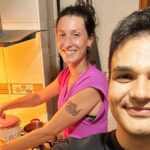
The experience is hosted by Lokal Bond, and the warmth you’ll feel is part of the point. Hosts like Sercan (and often Hatice) guide the cooking in Turkish and English, with a relaxed, family-table vibe where you can ask questions and actually chat while things bake.
In This Review
- Key Things You’ll Really Notice
- An Easy Entry Into Ankara’s Food Culture (Dikmen Home Kitchen)
- From Kneading to Golden Baklava Layers
- The Savory Detour: Making Börek and a Fresh Meze
- Börek: the comforting counterbalance
- Meze: fresh, bright, and very Turkish
- The Best Part: Tasting at the Table With Turkish Coffee
- Price and Value: Is $82 for Four Hours Worth It?
- Who This Baklava Class Is Best For
- Practical Tips So Your Day Runs Smoothly
- Should You Book This Ankara Baklava Class?
- FAQ
- What is the duration of the Ankara baklava cooking class?
- What dishes will I make during the class?
- Is it hands-on or mostly observation?
- How big is the group?
- What languages are used in the class?
- Where do I meet for the class?
Key Things You’ll Really Notice
- From kneading to syrup: you practice the steps that make baklava taste like it should
- Small group, big attention: limited to 6 participants, so questions don’t get lost
- Savory bonus meal: you also make börek and a fresh meze, not just dessert
- Real table time at the end: Turkish coffee and tasting keep it from feeling like a factory
- Take-home recipes: you leave with instructions you can follow later at home
An Easy Entry Into Ankara’s Food Culture (Dikmen Home Kitchen)
If you want Turkish food the way it actually shows up in daily life—hands busy, conversation flowing, and everyone eating what they made—this class fits the bill. The setting matters. You meet in Ankara’s Dikmen neighborhood, at Dayanışma Cad. No: 34, and then you step into a cozy home kitchen where the day unfolds like a family cooking session, not a timed performance.
You’ll likely notice two things right away: the pace is practical, and the group is small. With a maximum of 6 people, you’re not stuck watching from the sidelines. That matters for baklava, where small differences in dough thickness or syrup timing can change the whole result.
I also like the language setup: the instructor teaches in Turkish and English. So even if your Turkish is still “hello, thank you, and one more please,” you’ll be able to keep up and ask questions. This class works well for mixed levels because the focus is on doing, not showing off.
Finally, because it’s in a home, you should expect a more personal, slightly informal rhythm. That’s a plus for most people. If you need a spotless, high-tech kitchen or a strict studio vibe, you might find the format feels too domestic. But if you’re after authenticity and real hospitality, that same “home” feel is the point.
You can also read our reviews of more cooking classes in Ankara
From Kneading to Golden Baklava Layers
The baklava lesson is built around a full process, and that’s why it’s more valuable than a one-step dessert class. You’ll start with the basics—kneading the dough—then move into rolling yufka and building the layers. From there, the work becomes structured and repeatable: walnut filling, layering, and then the finishing moves that turn crisp layers into the classic, sticky-sweet dessert.
Here’s what the flow looks like, step by step:
- You prepare the yufka dough and practice kneading until it behaves the way you need for rolling.
- You roll out the dough as yufka so you can layer it evenly.
- You assemble walnut filling layers, working toward that signature baklava stack.
- You make the syrup by simmering it, then timing it so it pours well over hot pastry.
- You pour over melted clarified butter, which helps with browning and that classic flaky texture.
What I like most is that the class doesn’t treat baklava as one trick. It treats it like a sequence of decisions. If you’ve ever tried to make baklava at home and felt like it was either too dry or too soggy, you’ll understand why almost right away: syrup temperature, butter timing, and how evenly you layer all affect the end result.
And because you’re doing the steps, not just reading about them, you get muscle memory. Even if you don’t become a baklava expert by the end of four hours (which you probably won’t), you’ll understand the technique well enough to repeat it without guessing.
The Savory Detour: Making Börek and a Fresh Meze
Sweet is only half the story here. Once the baklava is working its way into the oven, you shift to a savory bake and a fresh plate—börek and a meze like kısır or mercimek köftesi.
That timing is smart. While baklava bakes, you’re not waiting around. You’re building a full meal, so the class turns into something you can actually eat like dinner, not just snack on at the end.
Börek: the comforting counterbalance
You’ll prepare a savory börek—the kind of dish Turks routinely serve when they want something filling that still feels simple and satisfying. The value here is practical: börek is a great way to learn how Turkish cooking handles dough and filling beyond dessert. Even if you only take away one technique (how dough behaves, how filling should be portioned, how baking changes texture), you’ll use it again.
Meze: fresh, bright, and very Turkish
Then comes the meze. You can end up making kısır or mercimek köftesi, depending on the class plan. Both are popular, both are flavorful, and both are the kind of dishes that make people say Turkish food tastes like it has layers—even when the ingredients aren’t complicated.
- Kısır tends to feel tangy and fresh, often served at room temperature.
- Mercimek köftesi leans savory and hearty, with lentils doing the heavy lifting.
Either way, this is the part of the day that prevents you from feeling like you’re only eating dessert. It also gives you a realistic “menu” for what Turkish hospitality can look like on an ordinary day: pastry plus fresh meze plus coffee.
The Best Part: Tasting at the Table With Turkish Coffee
When your baklava comes out golden, you don’t disappear to the kitchen counter with a plate. You gather around the table. This class finishes the way it should: you taste your work, you compare notes, and you learn what worked best—and what you’d tweak next time.
And yes, the coffee matters. The experience includes a strong cup of Turkish coffee. It’s not there just to tick a box. Coffee is how the meal slows down. You get time to talk, ask follow-up questions, and absorb what the instructor has been explaining throughout.
From what I’ve been told about how this day runs, the hosts keep it relaxed and welcoming. People like Sercan and Hatice are praised for being friendly, teaching with patience, and making the group feel at home. That’s exactly what you want in a cooking class where you’re handling dough and trying not to panic when something is sticky.
Then there’s the “leave with something” part. You get recipes to take home, so you don’t just have memories—you have a plan. Also, if you have leftovers, you’ll likely be able to take them with you, which turns the class into a second meal later (or a gift for someone who missed out).
Price and Value: Is $82 for Four Hours Worth It?
At $82 per person for a four-hour small-group class, the cost can sound steep at first glance. But the value is in what you’re actually getting: hands-on instruction, multiple dishes, and take-home recipes.
Here’s how I think about the value:
- You’re doing more than one dish: baklava plus savory börek plus a fresh meze. Many cooking classes focus on one main item. This one gives you a whole food experience.
- It’s from scratch: you’re kneading, rolling yufka, building layers, simmering syrup, and working with clarified butter. That’s labor-heavy cooking, not a shortcut.
- Small-group attention: with a limit of 6 participants, you’re more likely to get real guidance when questions pop up.
- You get to eat it: Turkish coffee and a shared tasting turn the class into an actual meal experience.
- You leave with recipes: that extends the value beyond the day itself.
The only time I’d hesitate is if you’re the type who hates hands-on cooking. Since participants are involved in the cooking, you’ll be participating either way. If you only want to watch, you might prefer a different kind of food tour.
Who This Baklava Class Is Best For
This is one of those activities that fits a surprising range of travelers.
You’ll likely enjoy it if:
- you want a hands-on skill you can repeat later
- you like learning Turkish food beyond kebabs and pide
- you enjoy conversations with locals while you cook
- you’re traveling with a friend, partner, or solo and want a small-group vibe
It also works for all skill levels. The format is designed for people who are new to baking as well as those who already cook. Because the class is structured by steps, you can focus on one task at a time—dough, layering, syrup, then savory cooking.
If you’re traveling with someone who only likes sweets, the börek and meze make it balanced. If you’re traveling with someone who avoids sweets, the full meal layout helps.
The language mix is also a real plus. Instruction is available in Turkish and English, so you won’t be left guessing during key moments.
Practical Tips So Your Day Runs Smoothly
This kind of class is fun, but it rewards good prep. Here are a few practical moves:
- Wear clothes you’re okay with getting flour-streaked. Baking dough has a way of turning your hands into part of the recipe.
- Show up on time and be ready to work. The pace depends on everyone participating.
- Ask questions when something feels unclear. With the small group size, it’s easy to get an answer without holding up everyone else.
- Take notes as you go. You’ll have recipes to take home, but your own notes about texture, thickness, and timing can help you repeat the results later.
- Plan your day around the four-hour cooking block. This is not a quick stop. You’ll want to arrive with breathing room and energy.
Also, if you’re sensitive to strong smells or hot syrup stages, it might help to mentally expect the kitchen to smell like butter, nuts, and caramelized sweetness during the process. That’s normal for baklava, and it’s part of the charm.
Should You Book This Ankara Baklava Class?
My take: if you want a memorable Ankara food experience with real hands-on value, this is a strong choice. You’re learning a full baklava process from scratch, not just assembling a tray. You also get a savory börek and a fresh meze, which makes the class feel like a complete meal rather than a one-note dessert workshop. And because it’s taught in a cozy home kitchen with a small group, you get the hospitality side in a way that feels personal, not scripted.
I’d book it if:
- you’re a foodie who likes to learn techniques, not just taste
- you want recipes you can actually use later
- you prefer warm conversation over a rigid, formal format
I’d hesitate if you:
- strongly prefer watch-only experiences
- don’t want to get hands-on with dough and syrup
- need a very standardized, professional-kitchen setup
FAQ
What is the duration of the Ankara baklava cooking class?
The class lasts 4 hours.
What dishes will I make during the class?
You’ll make baklava from scratch, plus a savory börek and a fresh meze such as kısır or mercimek köftesi.
Is it hands-on or mostly observation?
It’s hands-on. Participants are involved in preparing the dishes.
How big is the group?
The class is a small group limited to 6 participants.
What languages are used in the class?
Instruction is available in Turkish and English.
Where do I meet for the class?
You meet at Dayanışma Cad. No: 34. When you arrive, you should let them know and they will let you in.