REVIEW · KAYSERI
3 Day’s Tour to Nemrut Mountain and Gobeklitepe
Book on Viator →Operated by Cappadocian Guide · Bookable on Viator
Nemrut sunrise and Göbeklitepe back-to-back is a rare combo. This 3-day South Eastern Turkey route pairs early-morning views with UNESCO-level sites and Roman-era art, while keeping things smooth with pickup from your Cappadocia hotel. You’ll also get a real sense of regional everyday life, not just postcard stops, thanks to breaks in small towns and villages along the way.
I especially like the hassle-free pickup and drop-off and the way the guide connects the sites to the bigger story. Guides like Mehmet and Kadir show up with strong English, plus real patience during photo stops, and Osman is often the driver keeping you calm on long roads.
One thing to keep in mind: you’re signing up for long driving days—and Nemrut means an early start plus a walk. If you’re hoping for a slow, late-morning pace, this may feel like a sprint.
In This Review
- Quick hits
- From Cappadocia to Mesopotamia: the logistics that actually help
- Day 1 en route: Karatay Han, village lunch, and goat-milk ice cream
- Nemrut Dağı sunrise: the walk, the statues, and the timing
- Arsemia, Cendere Bridge, tomb mounds, and Atatürk Dam on Day 2
- Sanlıurfa: prophets, bazaar wandering, and optional Sıra Gecesi
- Göbeklitepe: the moment 11,600 years still feels personal
- Harran clay houses and Zeugma mosaics: two styles of time travel
- Back to Cappadocia: late arrival, tired legs, and extension options
- Price, comfort, and who this tour fits best
- Should you book this 3-day Nemrut and Göbeklitepe tour?
- FAQ
- Is pickup included from Cappadocia hotels or airports?
- What sites does this tour focus on?
- Are meals included?
- Is this a private tour or a group tour?
- What languages are guides offered in?
- What happens if weather affects the experience?
Quick hits
- Cappadocia pickup and end-of-trip drop (with airport drop options) makes logistics easy
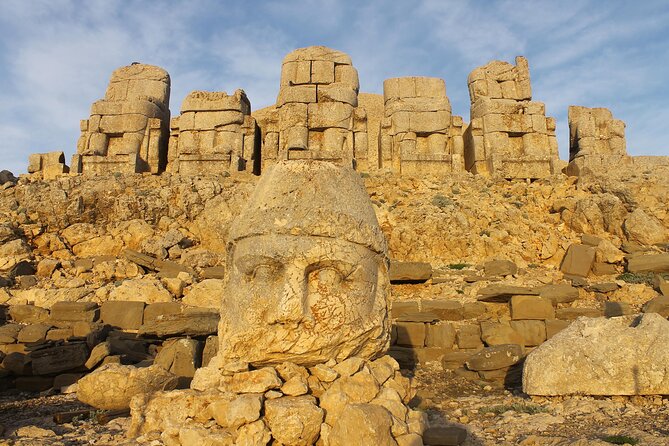
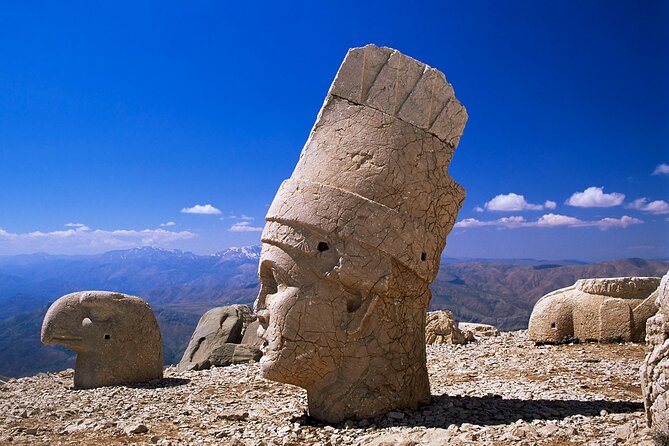
- Nemrut Dağı sunrise includes an up-close walk near the summit among giant statues
- Göbeklitepe is treated as the main event, with time to walk and absorb the scale
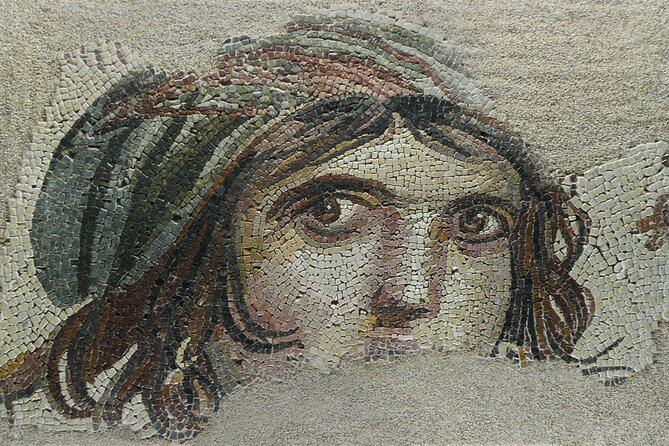
- Zeugma Mosaic Museum is a major Roman highlight, including famous mosaics like the Gypsy Girl and Maenad
- Two hotel nights plus 2 breakfasts and 3 lunches help you travel without hunting meals
- Good-weather dependent experience, since Nemrut sunrise and outdoor sites are the heart of the trip
From Cappadocia to Mesopotamia: the logistics that actually help
This trip works because it removes the parts that usually steal your energy: transfers, tickets, and the “what time do we go where” guesswork. You’re picked up from any hotel in Cappadocia (or from Nevşehir/Kayseri airports), then dropped back to Cappadocia at night—or you can arrange airport options to connect to another leg of your Turkey trip.
The price is about $938.92 per person, which sounds steep until you break down what’s handled for you. You get private touring for your group, guided admissions for major sites, two nights of lodging, and set meals (2 breakfasts and 3 lunches). Add the early-morning start for Nemrut and the fact that you’re crossing through several historic regions in just 3 days, and the value starts to make sense.
One detail worth noting: this is designed for moderate physical fitness. You’re not hiking all day, but Nemrut involves a short walk to reach the viewpoint, and you’ll want comfortable shoes and layers.
A few more Kayseri tours and experiences worth a look
Day 1 en route: Karatay Han, village lunch, and goat-milk ice cream
Day 1 begins with a move from Cappadocia toward Mesopotamia via an older caravan route idea—less “tour bus highway,” more history-flavored travel.
First stop is Karatay Han Caravanserai, a Seljuk-era stop built in the 13th century. It’s one of those places where you can picture travelers, animals, merchants, and waiting—then fast-forward to how the building was used far into later decades. You get admission included, which matters here because it would be annoying to scramble for tickets on the road.
Next you head to Pınarbasi Village for lunch. It’s a simple break in the Taurus Mountains region where you get to watch rural daily life rather than only stopping at major archaeological sites. After that, there’s a short stop in Kahramanmaraş for hand-made goat milk ice cream—the kind of food break that doesn’t feel random because the route’s theme is regional character.
These in-between stops are more than snacks. They help you shift from Cappadocia’s fairy-tale mood into something drier and older, so when Day 2 opens with Nemrut sunrise, you’re already mentally in the right setting.
Practical tip: bring a light layer for the car and plan for long stretches where you won’t get out often.
Nemrut Dağı sunrise: the walk, the statues, and the timing
Nemrut Dağı is the headline, and the schedule is built around the best light. You leave the hotel very early, drive up as far as roads allow, then walk about 20 minutes toward the summit area.
Once you’re there, you’re watching sunrise between the colossal heads and statue fragments of kings and gods. Nemrut Dağı is recognized by UNESCO, and that recognition isn’t just paperwork. The scale is hard to capture in photos, because your brain keeps expecting something modern to have built this—then you remember the centuries involved and the sheer effort to create it.
If you’re going in summer, the trip may change order: you may visit Nemrut first and enjoy sunset from the top, then go to the hotel later. That’s actually useful because it protects your energy for the rest of Day 2. Either way, the time on the mountain is the heart.
What I’d watch for when you go: wind. High points can feel colder than you expect, even outside winter. Pack for layers and wear shoes that handle uneven ground.
Arsemia, Cendere Bridge, tomb mounds, and Atatürk Dam on Day 2
After Nemrut, Day 2 keeps the momentum moving through the Commagene Kingdom and surrounding Roman-era elements.
You’ll visit Arsemia Antik Kenti, described as a former summer capital of Commagene, where religious ceremonies and celebrations took place. You also get to see the relief stele featuring the Handshake of Antiochos and Heracles, a strong image because it’s instantly readable: two figures, two names, and a message of authority and connection.
Then there’s Cendere Bridge, also called Septimius Severus Bridge. It’s a Roman Emperor-built structure dated to A.D. 193–211 on the Cendere stream. The takeaway here is how infrastructure survives even when empires do not.
Next you’ll see Karakus Tumulusu, a monumental tomb area with burial mounds sometimes compared to pyramids of the region. It’s not about climbing into the tomb; it’s about understanding how royal burial landscapes worked across Anatolia and Mesopotamia, with visual “markers” designed to last.
The day ends with Atatürk Dam, built in 1992 for irrigation and electricity production, described as the largest dam on the Euphrates River. You’ll have lunch at the promenade. It’s a contrast stop that can feel like a pause before you shift gears again toward Sanlıurfa.
This part of Day 2 can feel like a history sampler platter—but it’s not random. It’s the road map of how power, belief, and construction moved through time.
Sanlıurfa: prophets, bazaar wandering, and optional Sıra Gecesi
You overnight in Sanlıurfa in a boutique hotel. Sanlıurfa is often called the city of prophets, and it has religious significance across multiple faith traditions. The vibe there is different from tourist-heavy places: more local texture, more slow street rhythm, and a lot of food energy.
You’ll also get an evening option: Sıra Gecesi, a traditional dinner show with Mesopotamian music, dancing, and food. It’s listed as optional, so if you prefer quieter nights, you can choose to skip it.
On Day 3, you’ll return to Sanlıurfa early to visit Abraham’s Cave and the Pools of Holy Carp around it, then wander an oriental covered bazaar area and Gümrükhan. This is where the tour adds atmosphere, not just monuments.
One note from real-life timing: Abraham’s Cave may not always be accessible due to repairs. If that happens, the guide can adjust the day and you might get time elsewhere in the region for a calmer Plan B.

Göbeklitepe: the moment 11,600 years still feels personal
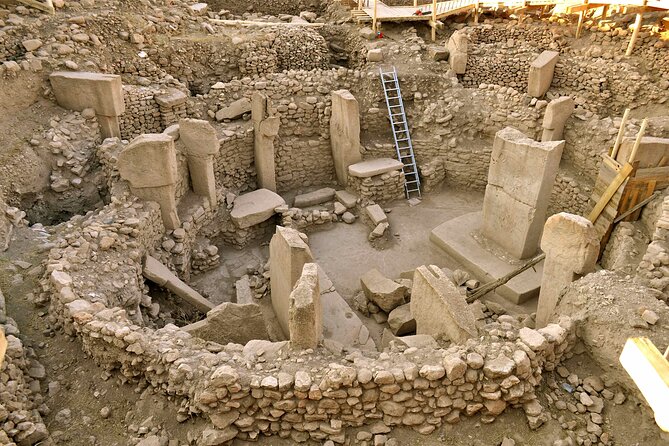
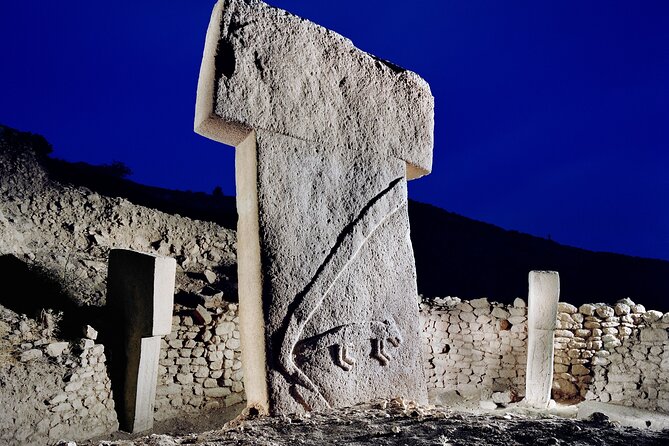
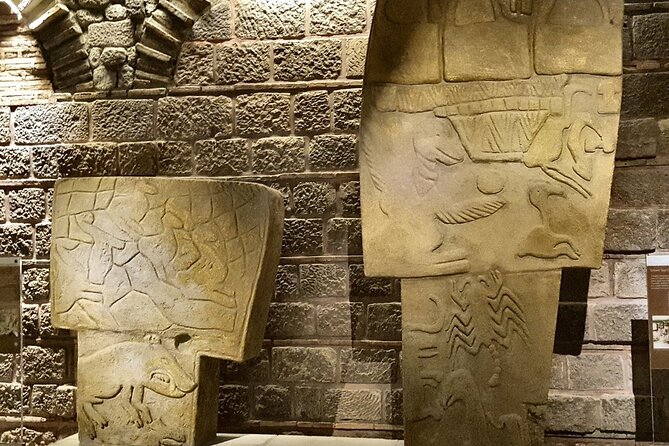
Then you hit the big reason many people book this trip: Göbeklitepe. It’s presented as the first temple of human history, with excavation discoveries beginning in 2008. Even the way the story is explained matters: until the remains were uncovered, people argued about whether settlements came first or temples came first, and the site is tied to a shift in how historians understand early human development.
You get about 1.5 hours here, which is enough time to walk slowly and look at details instead of rushing from one photo spot to the next. This is one of those places where your scale brain kicks in: these are not “ancient buildings” as a vague idea. They’re structures tied to the earliest known monumental religious architecture, and the dates are truly mind-bending.
If your main interest is archaeology, you’ll likely feel the day click into place here. It’s not only impressive—it also changes how you interpret the rest of what you see.
Harran clay houses and Zeugma mosaics: two styles of time travel
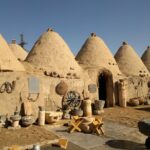
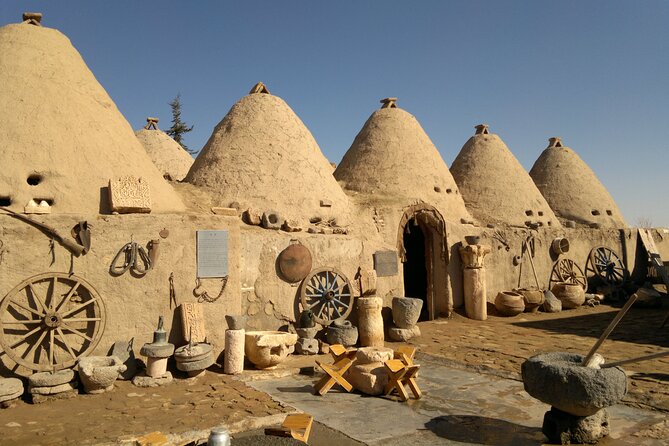
Day 3 continues with Harran, an ancient city dating back to around 3000 B.C. It’s tied to traditions that connect the city to the Torah and to early professional astrological studies. The tour also brings in practical architecture: Harran’s clay houses with conical domed shapes are built for hot climate cooling.
You’ll visit a clay conical domed family house where multiple generations lived together, including a large family setup in one dwelling. That kind of stop can feel more human than museum-style ruins because it helps you picture daily life inside an older system.
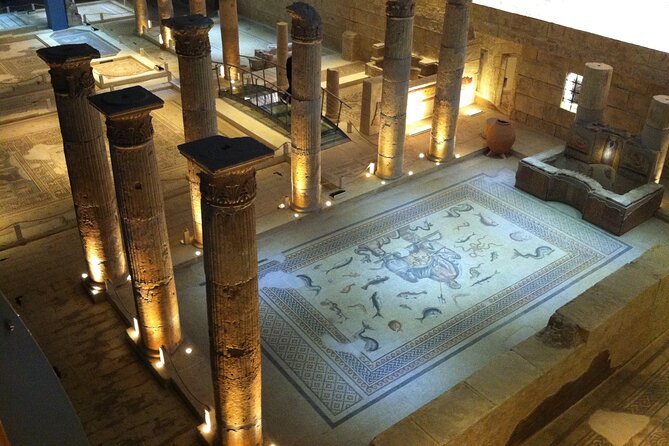
Then it’s off to Zeugma Mosaic Museum, one of the largest mosaic museums in the world by size of building and mosaic coverage. This is Roman-era art on a scale that makes many other museum mosaics feel like study samples.
You’ll see famous works such as the Mosaic of Gypsy Girl and the Mosaic of Maenad (from the 2nd century A.D.). The museum also includes other elements: sculptures, columns, fountains from the Roman period, plus examples linked to late antique churches and early Syriac/Christian iconography. You don’t have to be an art expert to feel the difference; the sheer size and clarity of the mosaics does the work.
If you like history with a visual payoff, Zeugma is the kind of stop that makes you pause in front of scenes and read them like stories.
Back to Cappadocia: late arrival, tired legs, and extension options
At the end of the day, you’ll head back toward Cappadocia. You’re looking at drop-off around 21:30 to 22:00. You can be dropped at your Cappadocia hotel or at Kayseri Airport.
There’s also an option to avoid the full return if you want to keep moving: you can arrange flights to Istanbul or Ephesus (and the tour can drop you at Gaziantep Airport as well). If your Turkey plan includes another region soon after, this is the part that helps you keep your schedule intact.
If you’re the type who hates arriving late and then starting your next day tired, try planning your next commitment for the following morning.
Price, comfort, and who this tour fits best
This is a higher-priced, time-packed tour, but the structure explains the cost. You’re paying for private guiding, major site admissions, included meals (breakfast and lunches), and two nights of lodging. You’re also paying for a guide who can manage pacing, answer questions, and keep you from feeling lost during early starts.
From the guides and drivers named in accounts, the experience often hinges on communication quality. English is offered, and a Spanish-speaking guide is available upon request. That matters for places like Göbeklitepe and the Nemrut statues, where the context is what makes the visuals stick.
Comfort-wise, it’s road travel across multiple regions. You might ride in a Mercedes van, which helps on long drives. Still, expect seats for hours and plan for breaks.
This tour is best for you if:
- you want Nemrut sunrise and Göbeklitepe in one efficient package
- you enjoy archaeology and historic cities, not just ruins-as-photos
- you prefer someone handling tickets, admissions, and timing
It may be less ideal if:
- you want lots of free time at each stop
- you don’t enjoy early starts or long drives
Should you book this 3-day Nemrut and Göbeklitepe tour?
If Nemrut Dağı and Göbeklitepe are on your must-see list, I’d book it. The combo is strong, and the pacing is built around the outdoor timing that you can’t easily recreate on your own—especially the sunrise plan.
I’d also book it if you like the idea of pairing huge monuments with smaller regional stops, like Karatay Han Caravanserai and the village lunch moments that break up the day. And if you care about English guidance and smooth logistics from Cappadocia, this tour is designed for that.
If you’re sensitive to early-morning cold, long car days, or you hate being on a schedule, then ask yourself if this pace matches your travel style. If it does, you’re in for three days that feel like stepping through time—statues, temples, prophetic cities, clay homes, and mosaics—without the usual planning headache.
FAQ
Is pickup included from Cappadocia hotels or airports?
Yes. You can be picked up from any hotel in Cappadocia and also from Nevşehir Airport or Kayseri Airport. The tour can also drop you at Gaziantep Airport and at Adıyaman, Kayseri, or Nevşehir Airports, or back to a hotel in Cappadocia at the end.
What sites does this tour focus on?
The core highlights are Nemrut Dağı National Park (sunrise or sunset depending on season), Göbeklitepe, Harran, and Zeugma Mosaic Museum. The tour also includes stops such as Karatay Han Caravanserai, Arsemia Antik Kenti, Cendere Bridge, Karakus Tumulusu, Atatürk Dam, and Abraham’s Cave and the Pools of Holy Carp.
Are meals included?
Yes. The package includes 2 breakfasts and 3 lunches. Dinners and drinks during lunch are not included.
Is this a private tour or a group tour?
This is a private tour/activity. Only your group participates.
What languages are guides offered in?
English is offered. A Spanish-speaking guide is also available upon request.
What happens if weather affects the experience?
This experience requires good weather. If it’s canceled due to poor weather, you’ll be offered a different date or a full refund.