REVIEW · ANTALYA
Termessos, Ancient City Hiking Tour
Book on Viator →Operated by Antalya Local Guide · Bookable on Viator
Termessos feels like a private time machine. You’ll hike into the Taurus Mountains to see Termessos laid out between two peaks, with sweeping views and major ruins you can actually walk through at a comfortable pace. It’s one of the more hauntingly well-preserved ancient sites near Antalya, and the setting makes it feel more like exploring than sightseeing.
I really like how the experience is led by Önder, whose English is described as excellent and whose explanations land with humor and real conversation. One thing to plan for: the entrance ticket is not included, and you’ll need cash for the gate purchase.
In This Review
- Key highlights
- Termessos: The Eagle’s Nest Ruins Above Antalya
- Getting There at 8:00 am: Pickup, Timing, and the Small-Group Advantage
- The Hike in Gulluk Dağı: Short Trek, Real Views, No Technical Climbing
- Walking Termessos: What You’ll See From Agora to Theater and Fortifications
- The civic core and everyday city life
- Water systems that show city engineering
- Theater and public performance
- Gymnasium and civic architecture
- Bouleuterion: the politics room
- Temple of Artemis and Hadrian
- City fortifications, gates, and the view of defense
- Necropolis and rock tombs
- Önder’s Guide Style: Why the Storytelling Gets You Better Than a Self-Guided Walk
- Price and Logistics: Is $60.79 Good Value?
- What to Bring and How to Prepare Without Stress
- Who This Tour Suits Best (And Who Might Want a Different Day Plan)
- Should You Book This Termessos Hiking Tour?
- FAQ
- What time does the Termessos hiking tour start?
- How long is the tour?
- Is the entrance ticket included in the price?
- What language is the tour guide?
- Where are the pickup and drop-off points?
- What if the weather is poor?
Key highlights
- Small group size (max 14) for calmer pacing and actual questions with your guide
- Early start around 8:00 am for quieter ruins and mountain air
- Easy, well-worn paths with no technical climbing, even though you’re in the mountains
- Big ancient-city tour in half a day, from agora areas to theater and fortifications
- You pay the entrance at the gate in cash, so bring some bills
Termessos: The Eagle’s Nest Ruins Above Antalya
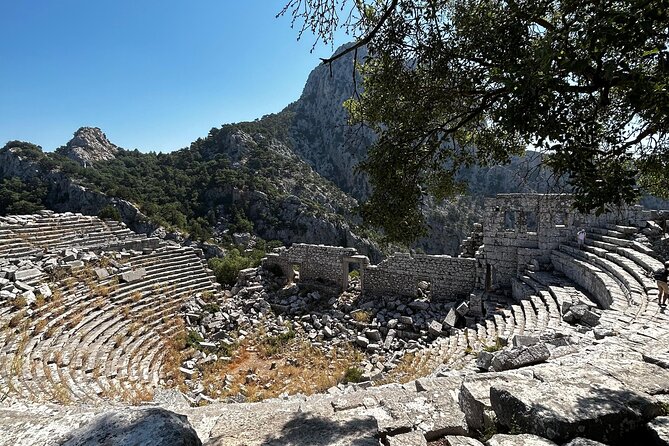
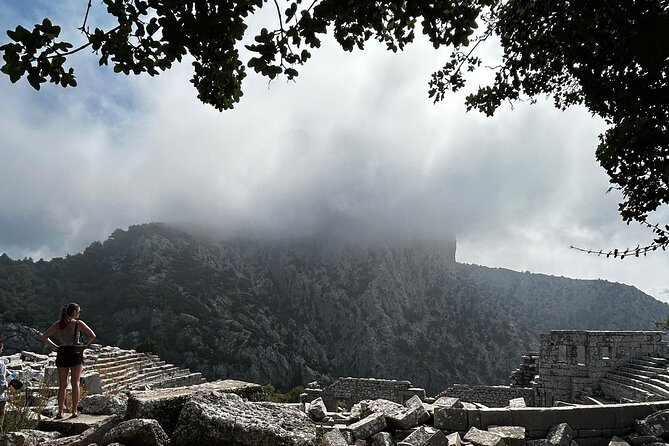
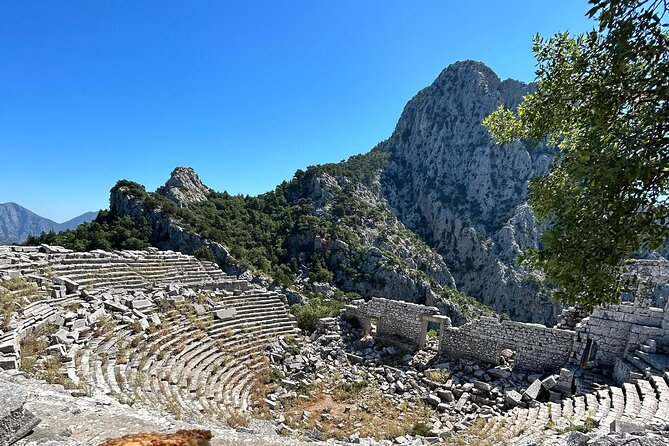
Termessos is often described as the Eagle’s Nest of the Taurus. That’s not just a nickname—it’s built into a dramatic mountain setting above Antalya, at about 1050 m altitude, between two peaks. The result is a city that feels both preserved and exposed, with views that keep tugging your eyes away from the stones.
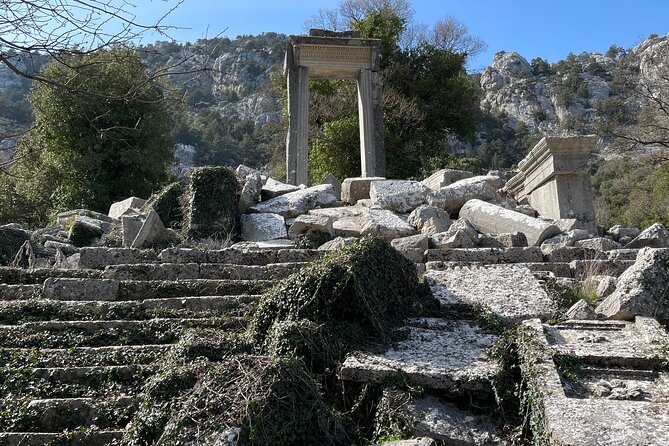
The site is also tied to a UNESCO World Heritage Tentative List status. Even if you don’t read every official label, you’ll feel why it matters: the ruins aren’t scattered “somewhere in a field.” They’re connected—streets, civic buildings, water systems, and defensive walls make it easier to picture everyday city life.
I like that this visit doesn’t treat Termessos as a quick photo stop. You walk a route that moves through the main highlights, so you get the big plan of the ancient city rather than just a couple of monuments.
You can also read our reviews of more city tours in Antalya
Getting There at 8:00 am: Pickup, Timing, and the Small-Group Advantage
This tour starts with pickup in Antalya at 8:00 am. Your start point is in Kepez (Kanal, Sakarya Blv. No:53, 07080), and your return drop-off is back in Antalya near the Burhanettin Onat Tram Station (Çaybaşı, Burhanettin Onat Cd. No:15, 07100 Muratpaşa). The transfer is by air-conditioned vehicle, and pickup/drop-off only works from designated points.
The tour is capped at 14 travelers, which changes the whole vibe. Small groups make it easier to pause for viewpoints, ask questions, and keep a steady pace without that herding feeling. And since the timing is early, you’re more likely to experience the site in a calmer window before it gets busy.
One practical note: you’ll have a mobile ticket, but you still need to handle the entrance fee separately (cash at the gate—more on that below).
The Hike in Gulluk Dağı: Short Trek, Real Views, No Technical Climbing
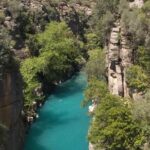
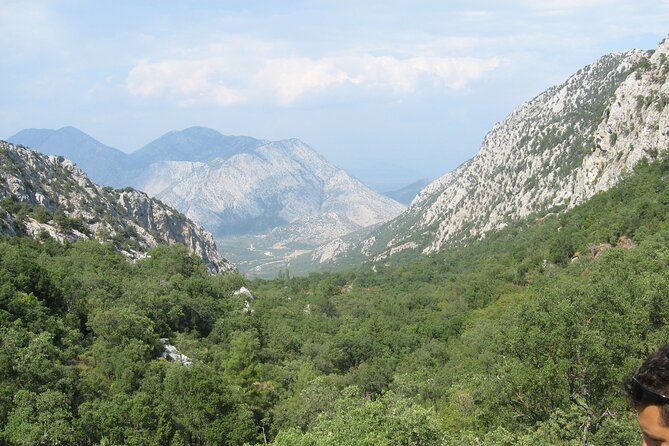
The walk is a “hiking tour,” but it’s not the kind where you need climbing gear. The route uses a pathway system through the mountain area of the national park, and you’re not expected to scramble up rock faces. One review-style detail worth holding onto: the total route is roughly 3 km with around 160 m of elevation gain.
If you’re deciding based on fitness level, this matters. You can be in reasonable shoes-and-legs shape and still enjoy it. The pace is described as balanced, with stops at viewpoints so the explanations don’t just happen while you rush uphill.
Good footwear is still a must. Even if the path is easy, you want shoes with grip. If it’s been wet or the ground is shaded, grip keeps you confident. Simple shoes can work for many people, but don’t show up in slick soles and hope for the best.
Also, because you’re in the mountains, weather matters. This experience is described as requiring good weather, so if the day is foggy, rainy, or otherwise unstable, there’s a higher chance of changing dates.
Walking Termessos: What You’ll See From Agora to Theater and Fortifications
Once you’re at Termessos, the tour is basically an ancient-city highlight walk, moving through the spaces that help you understand how the place worked. Here’s what you’ll commonly pass and why each part is meaningful.
The civic core and everyday city life
You’ll start moving through areas that anchor daily public life. The agora is where commerce and community activity would have centered, and the surrounding street spaces help you understand flow—how people moved from civic moments to other parts of the city.
You’ll also see a colonnaded street, and that’s more than decoration. Colonnades are about shelter and rhythm: they create the “walking room” that keeps people comfortable as they move through the city’s busiest zones.
You can also read our reviews of more hiking tours in Antalya
Water systems that show city engineering
One of the more convincing parts of Termessos is the way the ruins still point to infrastructure. Look for water canals and related systems. Even without technical training, you’ll understand the logic: mountains give you sources, and cities need ways to move water where it matters.
This is one reason the site feels especially alive. You’re not just reading sculpture fragments—you’re seeing how the city managed basic needs like water.
Theater and public performance
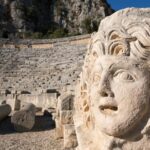
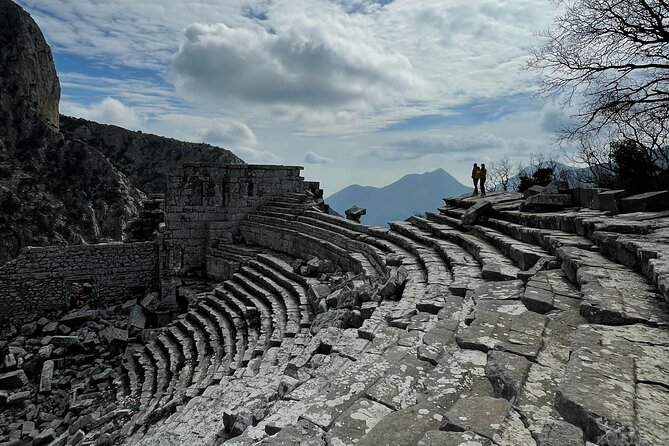
Termessos includes a theater area (often referenced as the ancient theater). A theater ruins set in a mountain bowl helps you grasp how entertainment and gatherings shaped social life. When your viewpoint matches the hillside setting, the building style stops feeling purely archaeological.
And if timing is in your favor, the early visit can mean you might get moments where the ruins feel oddly quiet—like you have space to look without constant foot traffic.
Gymnasium and civic architecture
The gymnasium is a clue to education, sport, and youth culture in the ancient world. In many Mediterranean sites, it’s where physical training overlaps with social life. Seeing it here gives you a more complete sense of the city’s routine beyond temples and defensive walls.
Bouleuterion: the politics room
You’ll also encounter the bouleuterion, typically a meeting space connected to civic decision-making. It’s the kind of building that makes you think about governance in a practical way: who met, where, and how people discussed the city’s direction.
Temple of Artemis and Hadrian
Religious sites make Termessos feel bigger than one function. You’ll visit the temple of Artemis & Hadrian, which ties local worship practices to wider imperial influence. It’s the sort of stop where a good guide helps you connect the names on stone to what that meant for the people living here.
City fortifications, gates, and the view of defense
Termessos is famous for how it uses the mountain for defense, so don’t rush through the city fortifications and gates. When you stand near defensive structures in a mountainous setting, you naturally think about sightlines, movement, and why walls were where they were.
The terrain does some of the work for you. You’ll likely notice how the city’s position isn’t only scenic—it’s strategic.
Necropolis and rock tombs
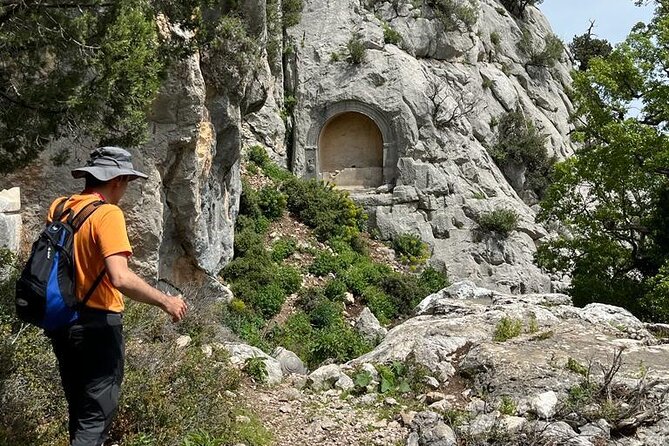
Near the end of the walk, the necropolis and rock tombs shift the mood. Burial areas always feel different because they signal what people valued when life ended. In a mountain city, tomb locations can also show status and landscape planning.
This part helps close the story: you see how Termessos handled life in the civic center, and then you see how the city remembered people at the edges.
Önder’s Guide Style: Why the Storytelling Gets You Better Than a Self-Guided Walk
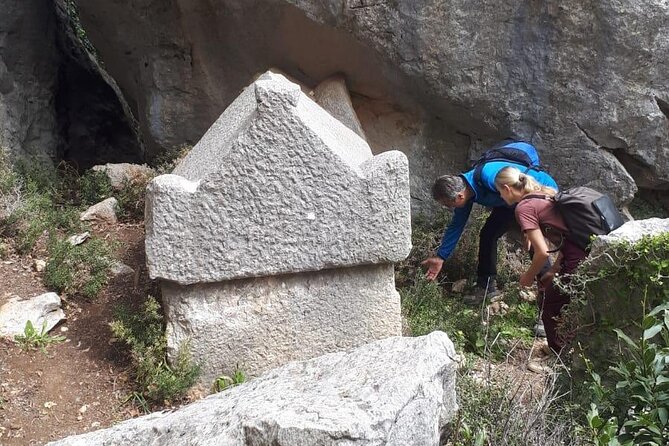
The biggest differentiator here is the guide. Önder comes up again and again in feedback, and not just for facts. People describe him as friendly, funny, and good at keeping the group together while still making room for conversation.
You’ll see that style during the walk. Instead of long lectures, the explanations are timed to what you’re looking at—agora, theater, water systems, fortifications—so your brain links each ruin to a purpose.
A few guide-specific details are worth knowing:
- His English is described as excellent, which matters if you want history that doesn’t feel like hand-waving.
- He’s described as inclusive and attentive to different mobility needs. One review mentions he made sure a very active 72-year-old mother felt safe on the hike.
- He uses humor, including light joking, which helps the day feel like a guided conversation instead of a strict tour script.
- One person even received extra pointers for Antalya’s old town (Kaleiçi) and restaurant suggestions, plus a later unscheduled stroll. That’s not guaranteed, but it gives you a sense of how he works.
If you’ve ever visited a ruin and felt like you were staring at “random stones,” you’ll appreciate what this kind of guide does: he helps you build a mental map fast.
Price and Logistics: Is $60.79 Good Value?
At $60.79 per person, this isn’t a budget bus-ride to a single viewpoint. You’re paying for a guided, half-day route with air-conditioned transport, pickup/drop-off, and a guide for the full experience.
What’s not included is the entrance ticket. You’ll buy it at the gate, and the payment method is cash only (so plan ahead). That means your total cost is a little higher than the base price, but it also keeps the tour price itself straightforward.
From a value standpoint, I think it’s fair if you want:
- a structured route through the main ruins,
- a small group experience,
- and help understanding what you’re seeing.
If your goal is to spend zero extra money and you’re comfortable reading ruins on your own, you could technically do it independently. But you’d lose the “why this matters” connection that Önder-style guiding brings.
What to Bring and How to Prepare Without Stress
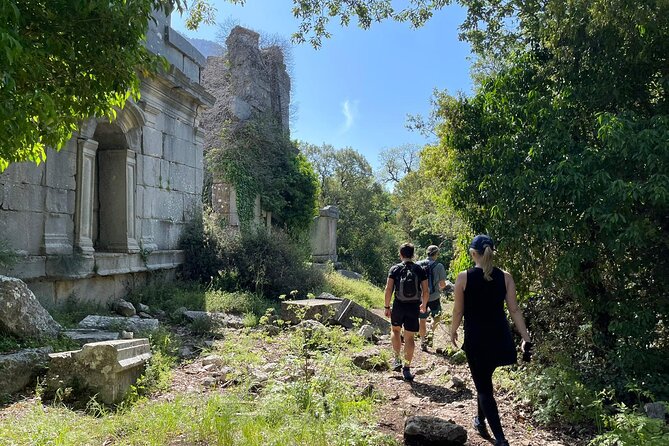
You don’t need to overpack for this one, but you do need a couple of basics.
Bring cash for the entrance ticket at the gate. Since cash is required, don’t plan to rely on cards just in case.
Wear shoes with grip. Even an easy path can be rocky or slippery in mountainous terrain. If you’re thinking “I can do this in regular sneakers,” you might manage, but shoes with traction will make the hike feel safer.
Plan for variable mountain weather. The experience is described as requiring good weather, so if conditions aren’t great, the schedule may shift. Dress in layers since mountain mornings can feel cooler than you expect.
Finally, show up a few minutes early for pickup at the designated meeting points. Small-group tours run on the guide’s timing, not on the idea that everyone is still waking up.
Who This Tour Suits Best (And Who Might Want a Different Day Plan)
This tour is a strong fit if you want a half-day mix of ancient ruins + mountain walking without a strenuous climb. It’s also a good match for people who like having a guide help them connect the dots—especially if you’re visiting Antalya and you want something less obvious than the big-ticket attractions.
It can work well for:
- first-time visitors who want the “main points” of Termessos,
- couples and small groups who appreciate conversation,
- travelers who prefer earlier, calmer starts,
- people with average fitness looking for an easy-to-moderate hike.
You might choose something else if you:
- want only a brief stop with minimal walking,
- dislike hiking on uneven paths even when they’re short,
- or you don’t want to deal with a cash-only gate ticket.
Should You Book This Termessos Hiking Tour?
If you’re going to Antalya and you care about ruins that feel connected to their setting, I’d book this. The combination of Termessos’ mountain location, a route that covers the city’s major areas, and Önder’s storytelling makes it more than a quick look.
The main reason to hesitate is simple: you have to handle the entrance ticket with cash at the gate. If that’s easy for you, the rest is a smooth, well-paced half-day with a small group and early timing.
This tour also has a practical edge: it gives you a lot of ancient-city highlights in about 4 hours, then you’re back in Antalya—so you still have time for other plans the same day.
FAQ
What time does the Termessos hiking tour start?
The start time is 8:00 am. Pickup is from a designated meeting point in Antalya, and you return to another designated point in the city.
How long is the tour?
Plan for about 4 to 5 hours total. The main walk through Termessos is designed as a half-day experience.
Is the entrance ticket included in the price?
No. The entrance ticket is not included. You purchase it at the gate and you should have cash on hand, because the payment is cash only.
What language is the tour guide?
The tour is offered in English.
Where are the pickup and drop-off points?
Pickup is at Kanal, Sakarya Blv. No:53, 07080 Kepez/Antalya. Drop-off is at Çaybaşı, Burhanettin Onat Cd. No:15, 07100 Muratpaşa, next to the Burhanettin Onat Tram Station.
What if the weather is poor?
This experience requires good weather. If it’s canceled due to poor weather, you’ll be offered a different date or a full refund.