REVIEW · SELCUK
Private Tour : Biblical Ephesus Tour for Cruisers from Kusadasi ( Ephesus ) Port
Book on Viator →Operated by Private Ephesus Tours · Bookable on Viator
Ephesus is an easy win for cruise days. With port pickup and a private guide, you pack Ancient Ephesus, the Virgin Mary’s House, St. John’s Basilica, and the Temple of Artemis into one 4–6 hour day. I love how the guide times the route to cut waiting, and how the commentary connects what you see to Bible-era places. The main trade-off: entrance fees, food, and tips cost extra, and some days include workshop or shopping stops that may feel pushy if you prefer a no-shopping tour.
This is the kind of tour where the guide makes the difference—names like Goksu, Gökmen, Mustafa, and Hakan show up again and again in top-rated experiences for clear English and smart pacing. I’d also plan your meeting well: meet your guide at the port about 30–45 minutes after your ship docks, so you’re already moving before crowds and afternoon heat take over. And bring grippy shoes; Ephesus has slick marble sections and steep slopes where a careful foot matters.
In This Review
- Key Things to Know Before You Go
- Port-to-Ephesus Logistics That Actually Protect Your Time
- Ancient Ephesus: From Odeon to St. Paul’s Amphitheatre
- The Christian Sites: Meryemana and the Virgin Mary’s House
- Basilica of St. John: A Tomb Under the Central Dome
- Temple of Artemis and the Short Kusadasi Break
- Workshop Stops, Shopping Time, and How to Keep It Comfortable
- What You’ll Need for This 4–6 Hour Day
- Price and Value: Is $39 Worth It?
- Who This Tour Fits Best
- Should You Book This Biblical Ephesus Cruiser Tour?
- FAQ
- Is this tour only for cruise passengers?
- How long is the tour?
- Do I get picked up from the port?
- Are entrance fees included?
- Is the Temple of Artemis free?
- What about food and drinks?
- Can I use a credit card for tickets?
- Can I cancel for a full refund?
- When should I meet the guide at the port?
Key Things to Know Before You Go
- Port-to-ruins timing: You’re set up to start Ephesus early and avoid the worst lineups.
- A true private tour: Just your group in a newer, air-conditioned vehicle with a separate driver.
- Biblical stops in the right order: Mary’s House, St. John’s Basilica, then the Artemis area, before the quick Kusadasi break.
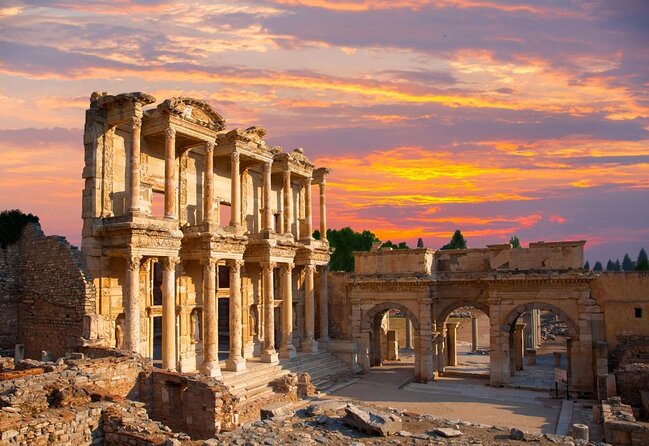
- Iconic Ephesus highlights, all in one run: Odeon, Celsus Library, the 24,000-seat Amphitheatre, Marble Street, and more.
- Tickets handled in advance: Entrance fees aren’t included, but the team arranges them so you spend less time stuck at windows.
- Workshop and shopping culture is part of the day: You can decline, but it’s wise to set expectations early.
Port-to-Ephesus Logistics That Actually Protect Your Time
Cruise days have a cruel superpower: you only get so many hours on land. This private format helps because you’re picked up at the port (or hotel), dropped off the way you need, and driven directly to Selçuk’s main Ephesus access areas.
The tour is built for the rhythm of a ship schedule: the meeting suggestion is 30–45 minutes after docking, so you can start walking before late-day crowds and heat build. That timing shows up in reviews over and over—guides like Goksu and Hakan are praised for checking venue timing and choosing the route order that saves you from long waits.
You’re also not stuck sharing a shuttle with strangers. It’s just your group, and the vehicle is air-conditioned with a separate driver—small detail, big comfort when the temperature rises.
You can also read our reviews of more private tours in Selcuk
Ancient Ephesus: From Odeon to St. Paul’s Amphitheatre
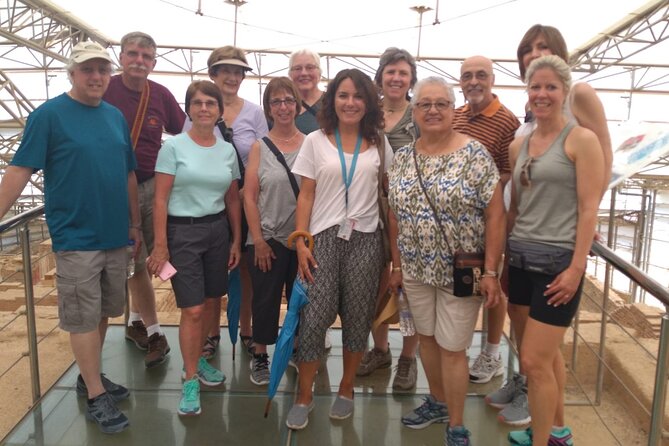
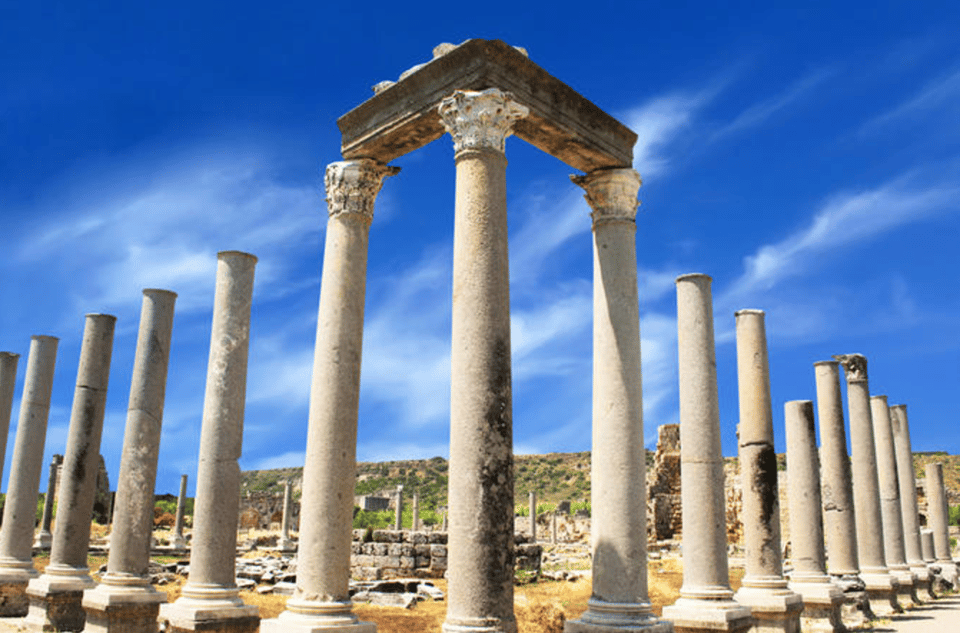
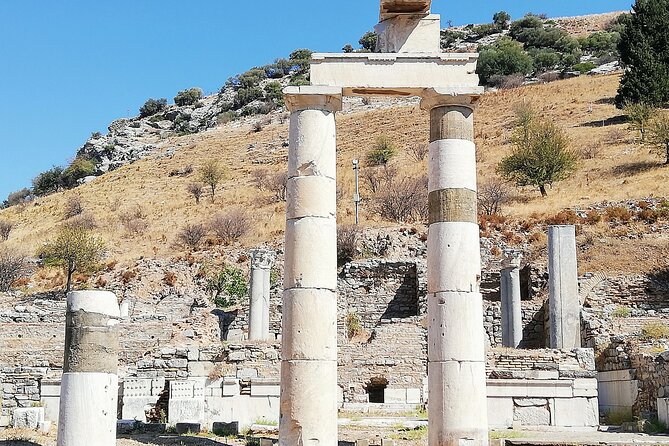
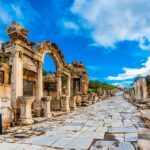
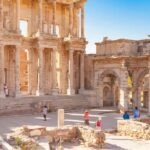
Ephesus is one of those places where one street can feel like a whole timeline. In about two hours, you’ll see the major anchors that people come for—then your guide ties them together with stories that stay grounded and practical.
Plan on lots of walking. Ephesus is made of stone, and some of it is smooth and slick. Several reviews mention people slipping on marble, especially on sloped sections, so I’d treat this as a careful-foot day, not a casual stroll.
Here are the highlights you’ll focus on during your main Ephesus block:
- Odeon: The stage for music concerts—useful context because it shows Ephesus wasn’t just temples and ruins. It was entertainment and public life.
- Domitian Temple: A temple tied to one of the early major human-cult dedications in the area, which helps explain how Roman worship worked on the ground.
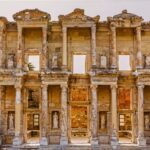
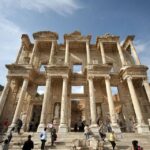
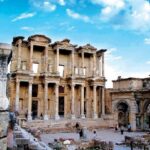
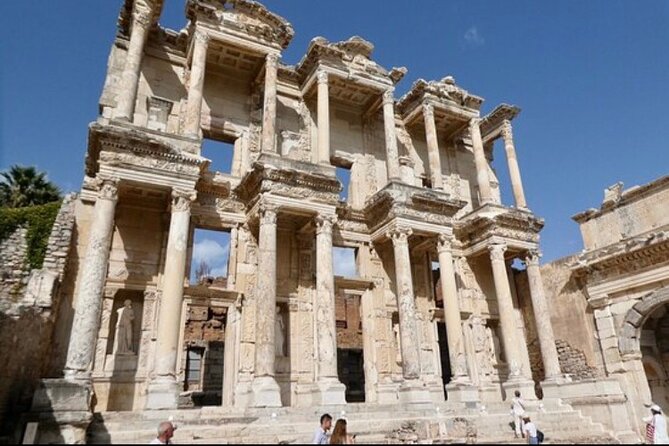
- Celsus Library: One of the big wow-factor structures, originally massive for its era. It’s a quick stop that feels cinematic once you see the scale.
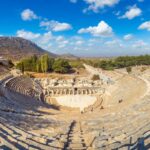
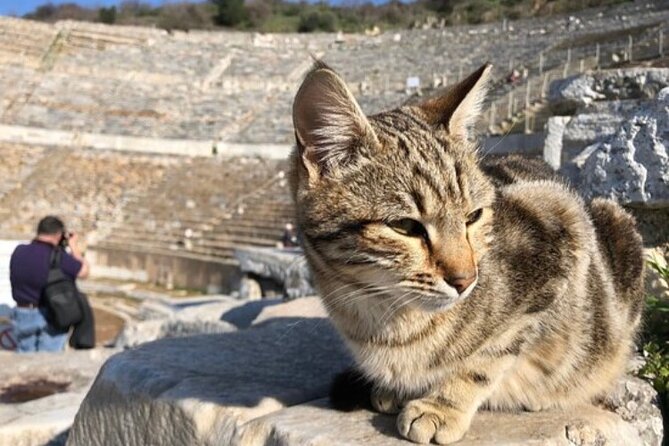
- Amphitheatre (capacity about 24,000): This is where the city’s public voice gets dramatic. Your guide will connect it to the biblical setting of Ephesians and the area tied to St. Paul.
- Marble Street: A long, iconic corridor that helps you picture how people moved through daily life.
- Roman Baths and fountains: These stops make the city feel lived-in, not just archaeological.
- Agora, temples, and the Love House: These named sections help you track religion, trade, and local social spaces.
- Public toilets: A slightly quirky but real reminder that this was an everyday city, not only a monument.
A big value here is pacing. Multiple guides in reviews are praised for timing arrival so you don’t get swallowed by the biggest crowds. If you like photos, you’ll get chances, but I’d still keep an eye on where you’re walking—Ephesus rewards attention, and it punishes rushing.
The Christian Sites: Meryemana and the Virgin Mary’s House

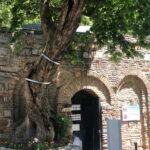
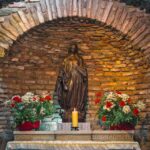
After the ruins, you’ll head to the area known as Meryemana—the Virgin Mary’s House. Your time here is shorter (about 45 minutes), but it’s often the most emotional stop of the day because it’s a shrine-style experience, not just a sight.
What makes this place stand out in the tour’s framing is the line of major Catholic visits: Pope Paul VI visited the shrine in 1967, followed by Pope John Paul II in 1979, and Pope Benedict XVI in 2006. The tour description also notes an unofficial authenticity confirmation tied to Pope Paul VI, which is part of why so many faith travelers feel a strong connection here.
Admission isn’t included, but the operator arranges tickets in a way that’s meant to help you avoid long lines. I still recommend you bring a credit card just in case—one review notes Mary’s House required credit card payment, so don’t assume cash is the only option.
If you prefer quiet time, this stop is your best bet. It’s not a place where you need to sprint for another photo spot. Let the pace slow down a little; that’s when the place starts to feel meaningful.
Basilica of St. John: A Tomb Under the Central Dome
Next up is the Basilica of St. John, with about 30 minutes. This stop is anchored by the belief that St. John spent his last years in the region around Ephesus and that his burial is connected to the tomb located under the central dome area.
If you like your sacred sites grounded in specific details, this is one of the better choices on the route. The basilica structure is dramatic, and the guide’s explanation helps you understand why that central dome matters for the tradition.
Entrance fees aren’t included here either, so remember: you’re paying separate ticket costs for the religious sites. Again, the operator’s approach is to arrange them so you spend less time waiting.
Temple of Artemis and the Short Kusadasi Break
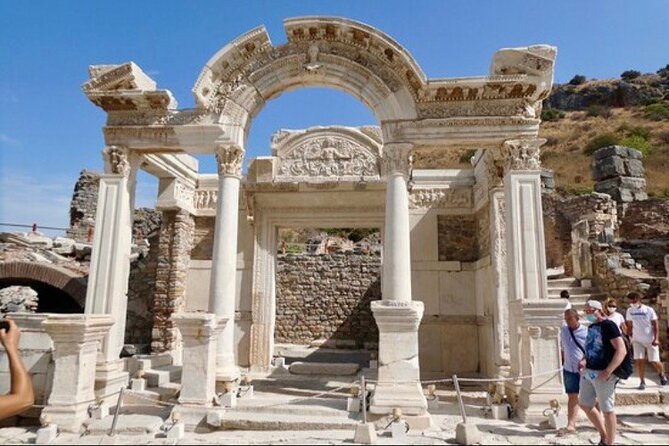
You’ll end with the Temple of Artemis. It’s quick (about 15 minutes) and free, and it’s included because it’s a headline name—one of the Seven Wonders of the ancient world. Even in fragments, it’s a powerful visual anchor that keeps your day from being only ruins and basilicas.
Then there’s a short visit to Kusadasi, mainly as a context stop. This is the resort city where cruise guests meet the operation, and it gives you a sense of what’s happening on the modern side of the trip: beaches, hotels, and port life.
The final time block often includes bazaars around the port. This is where you can hunt for small gifts—spices, candies, or locally made items—without turning the day into a shopping marathon.

Workshop Stops, Shopping Time, and How to Keep It Comfortable
One thing to know up front: this tour style often includes visits to craft and cultural workshop areas, such as rug, pottery, or related demonstrations, plus market stops near the port. Many reviews say these stops were interesting, and some guides are praised for avoiding hard selling.
Still, a few reviews complain about high-pressure carpet sales or timing that felt weighted toward workshops after lunch. One person flagged a bait-and-switch feeling tied to rug demonstration and pressured purchasing, while another described a much calmer approach and no push when they declined.
So here’s my practical advice: tell your guide what you want early. If you want a focus on ruins and the Bible sites only, say it clearly at the start. If you’re okay with brief demonstrations, set a limit in your mind—like, I’m happy to look, but I’m not buying. A good guide will adjust, and you’ll enjoy the day more.
Also, be ready for heat and walking. Even the best shopping stops feel less fun when you’re tired and sweaty. If you want the day to feel worth it, don’t let shopping steal time from Ephesus’s best moments.
What You’ll Need for This 4–6 Hour Day
This is a short day on paper, but it’s a long day physically. You’re combining major outdoor archaeology with religious sites and then some extra port-area wandering.
I’d pack:
- Grippy walking shoes for slick marble.
- Water (food isn’t included in the tour listing, so plan to buy as needed).
- Sun protection if you’re cruising in summer; Ephesus has limited shade.
- A card for entrance fees if you prefer not to manage lots of cash.
Heat matters. Multiple reviews mention scorching conditions in summer months. If it’s a hot day when you arrive, the early timing in the schedule becomes more than a nice perk—it’s what protects your energy.
You don’t need a special dress code for the tour, but for temple and basilica areas, I’d still plan to dress respectfully and comfortably.
Price and Value: Is $39 Worth It?
At $39 per person, this is priced low for a private, guide-led cruise day tour that includes pickup, drop-off, and a professionally licensed local guide. What you’re paying for is time-saving logistics: the vehicle, the route management, and the guide who keeps the day flowing.
The costs that aren’t included are also predictable:
- Entrance fees for key sites (arranged in advance so you don’t lose time in lines)
- Food and drinks
- Gratuities
That means your final out-of-pocket cost depends on how many ticketed stops you choose and how you handle lunch. If you’re comparing against group tours, the math often favors this private option because cruise days are expensive in missed time. You’re not trying to coordinate a crowd; you’re getting a plan.
One more value point: the guide-driven pacing. Reviews repeatedly praise guides for avoiding the biggest crowds and lines by timing the day right. In a place like Ephesus, that’s not just convenience—it changes how much you can actually see.
Who This Tour Fits Best
This is a strong match if you want:
- Major Ephesus highlights in a single day
- Bible-connected spiritual stops like Meryemana and St. John
- A private guide who can explain what you’re seeing without leaving you behind in logistics
It’s also a good choice if you appreciate structure. You’ll move stop to stop with time blocks that keep the day focused, and your guide will typically manage the flow so you’re not wandering lost.
If you’re the type who hates shopping and demonstrations, you can still do this tour—but speak up at the start. A calm, respectful “no shopping” approach usually works best when you set boundaries early.
If you’re visiting during very busy religious dates, be flexible. One review describes missing Mary’s House because it coincided with Assumption of Mary day, when crowds peak. Your guide may adjust the day if timing gets too tight, so keep your expectations flexible.
Should You Book This Biblical Ephesus Cruiser Tour?
Book it if you want a private cruise-day plan that hits the big Ephesus sites plus the Christian anchors—without wasting hours on transportation confusion. If you’re excited by Odeon, Celsus Library, the amphitheatre scale, and then the spiritual stops like Meryemana and St. John, this is a solid way to make your limited port time count.
Skip or adjust your expectations if you dislike any kind of craft stop or fear pressure to buy. You can still enjoy the ruins and the sacred sites, but you’ll want to set rules with your guide early: minimal shopping, quick stops, and clear time priorities.
If you’re traveling with limited mobility, this tour may be tiring because Ephesus involves steep and slick stone areas. Wear shoes that grip, and take your time.
FAQ
Is this tour only for cruise passengers?
Yes. This experience is only for cruise guests. If you’re not arriving via a cruise ship, you should not book it.
How long is the tour?
It’s about 4 to 6 hours.
Do I get picked up from the port?
Yes. Port pickup and drop-off are included, and hotel pickup is also offered.
Are entrance fees included?
No. Entrance fees are not included, but the operator says they arrange the tickets in advance so you can skip long ticket lines.
Is the Temple of Artemis free?
Yes. The Temple of Artemis stop is listed as free.
What about food and drinks?
Food and drinks are not included. Gratuities are appreciated.
Can I use a credit card for tickets?
One review specifically notes that Mary’s House required credit card payment and that credit cards worked for entrance fees in general. It’s still smart to bring a card since payment needs can vary by site.
Can I cancel for a full refund?
Yes. You can cancel up to 24 hours in advance for a full refund.
When should I meet the guide at the port?
The guidance is to meet at the port about 30 to 45 minutes after your ship docks, to beat crowds and avoid the hottest part of the day.