Four hours, and Kusadasi clicks into place. This half-day port walk strings together a Genoese castle and Ottoman landmarks with a licensed English guide, so you get context fast. I especially like the time to ask questions one-on-one. The one thing to plan for: the Pigeon Island entrance costs extra.
You’ll start right at the terminal area and keep moving at a comfortable pace. The smart add-on is the headset for each person, which helps in busy port zones. If you only have a short stop from your cruise, this tour is built for that reality.
In This Review
- Key things to know before you go
- Kusadasi Port in Four Hours: What This Walk Really Delivers
- Meeting at Ege PortsCamikebir: How the Start Keeps It Stress-Free
- Güvercinada Kalesi (Küçükada): The Genoese Castle Stop That Sets the Tone
- Okuz Mehmet Pasha Kervansaray: A Mini Fortress Turned Hotel Space
- Kaleici Camii: A Mosque Visit Where Details Matter
- Old Kusadasi Houses as Cafés: Where the Evening-Story Happens
- Small-Group Timing and Headsets: Why This Tour Feels Less Chaotic
- Price and Value: Getting $12 Worth (With One Extra Entrance to Budget)
- What to Bring for a Smooth Port-Walk Day
- Should You Book This Kusadasi Port Walking Tour?
- FAQ
- How long is the Kusadasi walking city tour from Kusadasi Port?
- Where is the meeting point for the tour?
- Is pickup available?
- What language is the tour guide?
- What is included in the price?
- Which entrance fees cost extra?
- How big is the group?
- Is the tour suitable for most people, and are service animals allowed?
- What is the cancellation policy?
Key things to know before you go
- Small-group pace (max 15): you’ll have room to ask questions without feeling rushed.
- Güvercinada Kalesi on Pigeon Island: Genoese fort on an island tied to the mainland by a causeway.
- Okuz Mehmet Pasha Kervansaray: a caravanserai that still looks like a mini fortress, used today for tourism.
- Kaleici Camii stop: you’ll get to see mosque details up close (not just from the outside).
- Old Kusadasi houses turned into cafés and shops: a real evening-stroll vibe in historic buildings.
- One main ticket to budget for: Pigeon Island entrance is not included; everything else is free.
Kusadasi Port in Four Hours: What This Walk Really Delivers
If you’ve ever done a cruise-port scramble, you know the problem: you see a few big sights, then run out of time and leave with half a story. This tour is set up differently. It’s a guided walk that stays concentrated on Kusadasi’s historic core, with clear time blocks at each stop and an easy rhythm for photos and questions.
What I like most for your day is the balance. You’re not stuck only at viewpoints. You get architectural landmarks from different eras, plus that local feel in Old Kusadasi where historic houses now function as cafés, restaurants, bars, and shops. It’s a straightforward way to understand how the area grew and what locals turned those spaces into over time.
The other practical win: the group size is capped at 15, and each person gets a headset. That means you can actually hear your guide even when you’re near the port bustle.
And yes, you’ll walk. So wear shoes you can trust. Also, plan a little extra money for the one entrance that costs (Pigeon Island).
You can also read our reviews of more walking tours in Kusadasi

Meeting at Ege PortsCamikebir: How the Start Keeps It Stress-Free
This tour is built for cruise schedules, so the start point matters. You meet at Ege PortsCamikebir, Liman Cd. No:10, 09400 Kuşadası/Aydın, Türkiye, at the terminal building area. Your guide holds a name sign at the exit, which is a big help when you’re trying to spot the right group quickly.
Pickup is offered, which is useful if your ship docks in a way that makes the terminal walk annoying. The good part is that you’re not guessing for long—you’re guided to the correct meetup spot.
Once you’re moving, the tour uses headsets for everyone. That small detail makes a big difference. It cuts down on the constant asking of What did you say? and it lets you keep your attention on the buildings instead of looking back and forth for audio.
If you like a calm start, this setup fits. If you hate waiting, you’ll also appreciate the clarity of the meeting instructions.
Güvercinada Kalesi (Küçükada): The Genoese Castle Stop That Sets the Tone
Güvercinada—often tied to Pigeon Island—is one of the symbols of Kusadasi. It’s an island connected to the mainland by a man-made causeway, and it’s topped by a Genoese-built castle. For history fans, it’s a strong opening because it immediately links Kusadasi to the older trade-world map.
This site has also been included in the UNESCO World Heritage Tentative List under the broader theme of Genoese castles and walled settlements on the trade route from the Mediterranean to the Black Sea. Even if you’re not a document-nerd, it’s helpful context. It explains why these forts show up where they do—because ships and merchants needed secure points along the route.
You’ll spend about 1 hour 15 minutes here, and the entrance ticket is not included. Budget an extra €8 per person if you want to go in. If you’re traveling on a tight ship-day timeline, that extra cost is worth thinking about in advance so you’re not doing last-minute math at the gates.
What to expect on the ground: lots of photo angles. You’ll likely want to pause for the island-causeway views and look closely at how the castle structure sits in the landscape.
Possible drawback: because this is the main paid entrance, it’s the stop most likely to create a surprise moment if you didn’t plan for the ticket.
Okuz Mehmet Pasha Kervansaray: A Mini Fortress Turned Hotel Space
Not far from the pier area, you’ll stop at the Okuz Mehmet Pasha Kervansaray, built in 1618 by Grand Vizier Okuz Mehmet Pasha. Caravanserais were practical places—safe stopovers for travelers and their animals—but this one is visually intense.
What makes it memorable is the structure: it looks like a small inner castle, with a triangular tip and a pointed dome at the top. Those shapes are the kind of thing you miss if you only rush past for one quick photo.
The stop is about 25 minutes, and entry is free. It’s also used today as a hotel and tourist facility, which is interesting. You’re not just looking at ruins behind a fence; you’re seeing a historical building still doing a job in modern tourism.
If you want a sense of continuity—how older architecture gets reused—this is a good moment. And if you’re tired of long museum-style explanations, this one gives you architecture first, story second, which keeps it light.
Kaleici Camii: A Mosque Visit Where Details Matter
Next up is Kaleici Camii, built in 1617 by Grand Vizier Konevi Mehmet Pasha, also known as Öküz Mehmet Pasha. This stop is only about 20 minutes, and entry is free, but it’s the kind of quick visit that can pay off if you’re paying attention.
During a mosque visit, your job is simple: slow down. Notice the materials, the doorway rhythm, and any tiles or ornamentation you see while you’re inside. Even on a short stop, a good guide can point out what to look for so you leave with more than a photo.
A guide named Sedart has been specifically praised for taking people inside the mosque and explaining things clearly. If you get that style of guiding, you’ll probably find this short stop feels surprisingly educational.
Practical consideration: dress respectfully. A mosque is a working religious space, so follow whatever rules you’re given on the spot.
You can also read our reviews of more city tours in Kusadasi
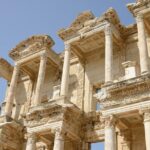
Old Kusadasi Houses as Cafés: Where the Evening-Story Happens
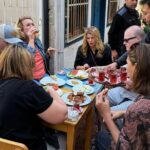
Then your guide brings you to old Kusadasi, where you’ll see historic houses that are now cafés, restaurants, bars, and shops. This is where the tour shifts from monuments to lived-in city texture.
You’ll spend about 1 hour 15 minutes here, which is a solid chunk. It’s long enough to do two things at once: enjoy the architecture and also browse at a normal walking pace. You’ll see why people come out here in the evenings—this is the part of Kusadasi that feels social rather than strictly sightseeing.
If you like shopping, don’t treat it like a chore. Treat it like a chance to understand how the area uses its old buildings. You can spot the original structure lines under the current business setup.
You might also pick up small local-craft context while you’re in this area. One recurring highlight from prior groups is that the guide helped people understand how ceramics are created. The exact moment depends on what your guide includes that day, but the odds are good that you’ll get at least some practical context beyond the street view.
Best use of your time here: take a few minutes to just sit or walk without rushing. This stop is where the place starts to feel like a city, not a list.
Small-Group Timing and Headsets: Why This Tour Feels Less Chaotic
At 4 hours approx., this is the sweet spot for a port day: enough time to learn and look, not so long that you start counting minutes until you’re back at the ship.
The headset system helps you keep moving without the constant stop-and-start. And with a maximum of 15 travelers, your guide can actually respond to questions instead of lecturing at the whole group and moving on.
Pacing matters too. A shorter stop at places like Kaleici Camii means you get access without fatigue. Longer blocks at Güvercinada and Old Kusadasi give you room for photos, pauses, and that feeling of catching your breath instead of sprinting from one landmark to the next.
If you’re the type who wants history with real context—why a building looks the way it does, what it used to be, and what it has become—this format works well.
Price and Value: Getting $12 Worth (With One Extra Entrance to Budget)
Let’s talk money plainly. It’s $12 per person, and that price covers:
- a professional licensed English tour guide
- headsets for each person
Lunch is not included. Also, the Pigeon Island entrance ticket is extra (listed as €8 per person). Everything else in the provided stops is free.
So is it a good value? For a port walk, yes—mainly because you’re not paying $12 and then spending the whole day figuring things out on your own. You’re buying structure: a guide, the language support via headset, and clear time at each major stop.
Where you’ll feel the cost difference is if you’re the kind of person who rarely pays entrances. In that case, check your priorities. If you’re really there for architecture and photo angles, the extra ticket can still be worth it, but you should decide before you reach the gate.
Also remember: this is designed for English speakers, and that alone can be part of the value if you’re not comfortable navigating history sites on your own.
What to Bring for a Smooth Port-Walk Day
You don’t need a ton of gear, but a few basics will make the day easier.
Bring:
- Comfortable walking shoes (you’ll be on foot through multiple areas)
- A camera/phone with enough battery for the castle-and-house photo moments
- Light layers, especially if the ship day is warm
- Cash or card for the €8 entrance ticket at Pigeon Island
If you’re planning to shop in Old Kusadasi, consider having a small budget set aside so you’re not scrambling.
And if you’re sensitive to noise or crowded areas, the headsets are a comfort feature worth appreciating from the start.
Should You Book This Kusadasi Port Walking Tour?
Book it if you want a well-paced history-and-architecture walk that fits a port day without turning into a frantic sprint. It’s especially a smart choice if you like questions, because the small-group format and headset setup make the guide’s explanations actually land.
Skip it (or consider another option) if your top priority is a long, uninterrupted attraction time, or if you’d rather not pay the extra entrance for Güvercinada. Also, if you hate walking at all, this may feel like too many moving parts in one half-day.
If you do book, do one thing to make it better: come ready to look slowly. This tour works best when you treat each stop like a chapter—castle, caravanserai, mosque, then old streets turned social spaces.
FAQ
How long is the Kusadasi walking city tour from Kusadasi Port?
It runs for about 4 hours (approx.).
Where is the meeting point for the tour?
The start point is Ege PortsCamikebir, Liman Cd. No:10, 09400 Kuşadası/Aydın, Türkiye.
Is pickup available?
Yes. Pickup is offered, and your guide will be holding a name sign at the exit of the terminal building.
What language is the tour guide?
The tour is offered in English.
What is included in the price?
You get a professional licensed English tour guide and headsets for each person.
Which entrance fees cost extra?
The entrance fee for Güvercinada Kalesi / Pigeon Island is not included and is listed as €8 per person. Lunch is also not included.
How big is the group?
The tour has a maximum of 15 travelers.
Is the tour suitable for most people, and are service animals allowed?
Most people can participate, and service animals are allowed.
What is the cancellation policy?
You can cancel for a full refund up to 24 hours before the experience start time. If you cancel less than 24 hours before, the amount paid is not refunded.