REVIEW · ISTANBUL
Istanbul Whirling Dervish Ceremony, A Mystical Sufi Experience
Book on Viator →Operated by Tourmania · Bookable on Viator
Spin, chant, and quiet your mind. This Istanbul Whirling Dervish Ceremony is a UNESCO-listed Mevlevi Sema at Hodjapasha, and I love the up-close viewing plus the live orchestra and multilingual info that help you follow what is happening. The one drawback: it is a spiritual ritual, not a high-energy entertainment show, so the pace can feel repetitive or somber to some.
You’ll spend about an hour in the hall, with a mobile ticket and bottled water included. If you want the full effect, plan for quiet attention and note that photos and videos may be restricted, so keep your phone away once the ceremony begins.
In This Review
- Hodjapasha and the Mevlevi Sema: what you’re really seeing
- Inside the hour: whirling, music, and the role of projections
- Education tools: multilingual booklet and context you can actually use
- Value for $42.33: admission, water, and what you’re not paying for
- Timing and seating: early arrival is your friend
- Camera rules, behavior, and comfort tips for this kind of ceremony
- Best fit vs wrong fit: who should book this Whirling Dervish ceremony
- Should you book the Istanbul Whirling Dervish Ceremony with Tourmania?
- FAQ
- How long is the Istanbul Whirling Dervish Ceremony?
- Where does it take place?
- Is this experience offered in English?
- What is included in the ticket price?
- Is food included?
- Can children attend?
- Are photos or videos allowed during the ceremony?
- What if the weather is bad?
Hodjapasha and the Mevlevi Sema: what you’re really seeing
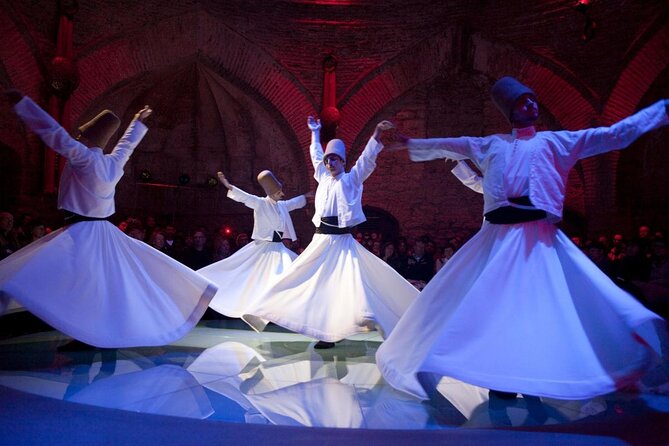
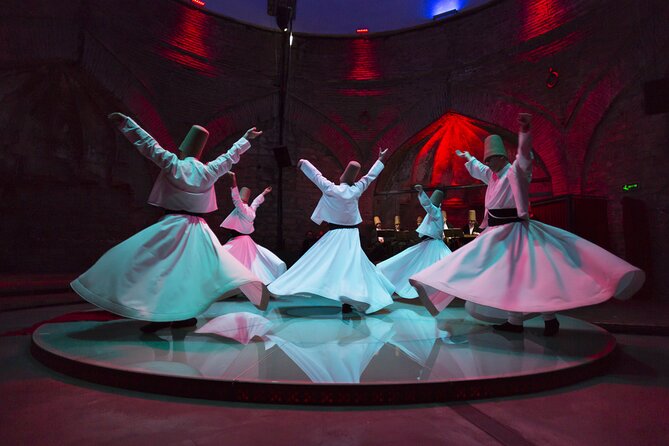
The heart of this experience is the Mevlevi Sema Ceremony, a whirling practice tied to the Sufi tradition. It takes place at the Hodjapasha Cultural Center in Istanbul, and the performance is presented as an 800-year-old ceremony preserved on UNESCO’s Intangible Heritage list. That matters, because it frames the whole event: this is not built to feel like a stage show with laughs and crowd hype. It is meant to be a moving form of worship and remembrance, done with precision and restraint.
In plain terms, you are watching a structured ritual. The whirling itself is only part of what you’ll notice. The ceremony’s “story” is carried by the music, the timing, and the atmosphere—often described as emotional, meditative, and spiritual. When that matches your mindset, the hour can feel long in the best way: like you’re getting close to a way of thinking, not just seeing costumes and motion.
And yes, it can also feel dry if you came to be entertained. The show’s tone is serious. The choreography repeats. The ceremony asks for attention, not multitasking.
Inside the hour: whirling, music, and the role of projections
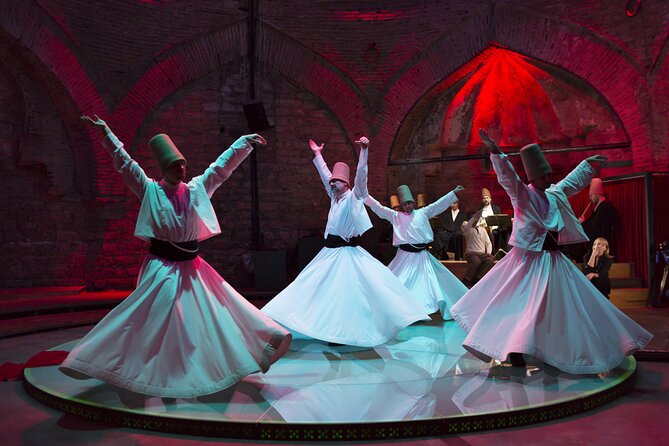
The program runs about one hour. During that time, you’ll see the whirling dervishes perform their unique spiritual ritual while a live musical ensemble plays. The sound is a big part of the impact. Think chanting and instrumental music that builds a steady emotional current rather than songs designed for singalongs.
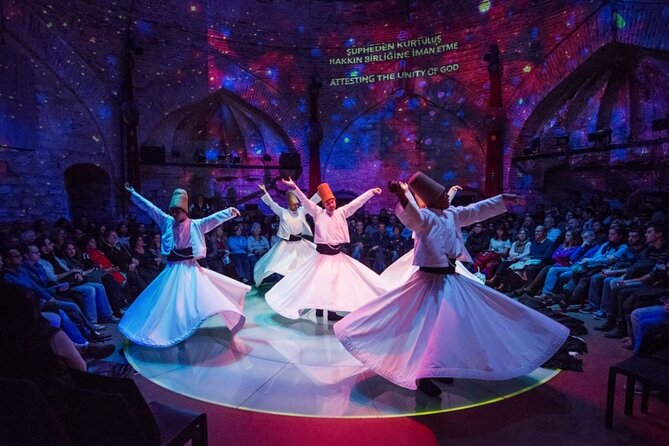
There is also production support that helps you track what you are watching, including 360-video projections. These projections don’t replace the ritual itself, but they add context and visual emphasis around the ceremony. A wall slideshow type of presentation is also mentioned in feedback, which fits the same idea: the organizers are trying to help you understand the meaning and rhythm, even if you are new to Sufi practice.
One more real-life note: many people say the experience is best when you sit quietly and watch closely. The ceremony does not rush to satisfy. It repeats in a way that may feel hypnotic to one person and monotonous to another. If you are sensitive to repetitive structures, go in knowing the goal isn’t variety—it’s spiritual focus.
You can also read our reviews of more tours and experiences in Istanbul.


Education tools: multilingual booklet and context you can actually use
This is one of the strongest “value” angles of the ticket. You don’t just walk in and guess. You get a multi-lingual information booklet, and it’s meant to guide you before and during the ceremony. The booklet approach is especially helpful here because the performance is not “explained” like a museum audio guide. The explanations are there so you can interpret what your eyes see.
My practical advice is simple: arrive early enough to skim the material before the ceremony starts. More than one person highlights that the information time changes the experience—once you understand the basic structure, the whirling stops looking like random spinning and starts looking like a set of deliberate moves with a meaning behind them.
Also pay attention to how the hall and staging are used. Projections and visual aids help tie the music to the ritual so you aren’t watching in total silence. Even if you don’t read every page of the booklet, knowing what the ceremony is trying to communicate makes a big difference.
Value for $42.33: admission, water, and what you’re not paying for
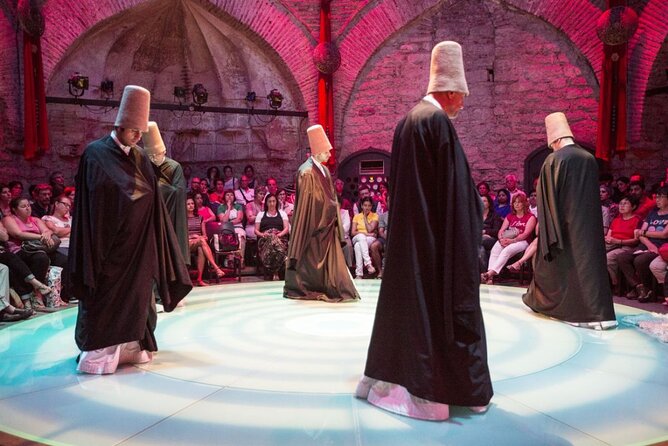
At about $42.33 per person, you’re paying for a specific thing: admission to the Hodjapasha Cultural Center for a structured Mevlevi Sema ceremony experience in English. The ticket includes a few tangible items—bottled water, the multilingual booklet, and entry.
What you are not paying for is food or a guided hotel pickup. There’s no meal included, so plan a snack or dinner before or after. Also, you are responsible for getting yourself to the venue using public transport. That’s not a dealbreaker; it just means you should build a little extra time into your schedule to find the entrance and settle in.
About the price itself: the ceremony can feel expensive if you are expecting a polished, entertainment-style show with high variety. But if your goal is to witness a UNESCO-listed Sufi ritual up close—with live musicians and interpretive materials—the ticket starts to make more sense. You’re essentially paying for access plus structure: the ceremony is short (about an hour), and the ticket includes the context that helps you understand it.
Timing and seating: early arrival is your friend
The most consistent practical takeaway is: go early. Not because the whirling starts late—because seating and comfort can vary. Feedback points to the idea that people who arrive closer to the start may end up with better placement, while latecomers can be seated in less desirable spots.
Some seating reports include high stools and uneven visibility depending on where you end up. That matters because you want a comfortable, uninterrupted view for a meditative event where you’re not supposed to constantly stand, move around, or talk.
So here’s the no-nonsense plan:
- Get to the venue early enough to read the booklet first.
- Aim to settle in before the ceremony starts.
- Keep your expectations realistic: you are there to watch, not to stage-scout the best angle five minutes before it begins.
One more note: photography rules can reduce the urge to fidget. If cameras are restricted (and you may be asked not to use them), you’ll likely spend the whole time fully seated and focused.
Camera rules, behavior, and comfort tips for this kind of ceremony
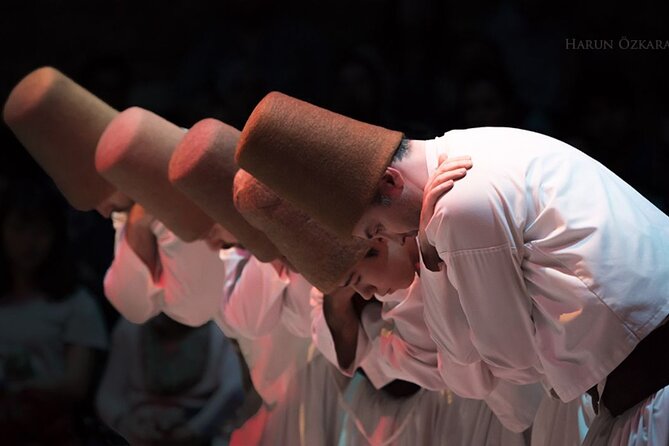
This experience has a quiet, respectful vibe. Many people say to expect restrictions on photos and videos, and to sit calmly. That’s not just a “rule for fun.” It protects the solemn atmosphere, and it keeps the ceremony from turning into a video-farm.
If you want the spiritual tone to land, treat it like a short service:
- Silence your phone.
- Avoid bright light from screens.
- Don’t plan on filming your own highlight reel.
Comfort matters too. The event is about an hour. If you’re someone who gets restless when sitting still, bring that awareness into your planning. Choose clothing that helps you stay comfortable for a full seated hour.
Accessibility deserves a careful check. The general info says most travelers can participate, and children under 7 are not allowed. But there are reports of stairs and limited wheelchair access in at least one case, so if you need step-free entry or special seating, contact the provider ahead of time and confirm the venue access details for your specific situation.






Best fit vs wrong fit: who should book this Whirling Dervish ceremony
Book this if you want a spiritual-culture experience.
You’ll likely love it if you’re drawn to:
- The Mevlevi Sema tradition as a living UNESCO-listed practice
- Live music performed with the ritual in mind
- A chance to learn through a multilingual booklet and contextual materials
- A short, focused ceremony rather than a long night of sightseeing
Skip or rethink if you mainly want entertainment.
This is where people get disappointed. If you expect upbeat variety, dancing like a cabaret, or frequent “wow” moments, the seriousness and repetition can feel like too much. One key theme that shows up in the feedback is simple: the ceremony is educational and religious, and that can be wonderful. It can also feel somber.
Also consider your patience for an hour. The performance does not aim to keep changing every few minutes. The repetition is part of the spiritual design, so it helps to come with the right mindset.
Should you book the Istanbul Whirling Dervish Ceremony with Tourmania?
If your ideal Istanbul evening is something real—spiritual, structured, and close to a UNESCO-linked tradition—this is a strong pick. The ticket includes admission to Hodjapasha, bottled water, and a multilingual booklet in English, plus there’s live orchestra music and 360-video projections to help you follow along.
Book it if:
- You want a respectful look at Sufi practice, not a party show
- You’re the type who can enjoy quiet attention for about an hour
- You like having context before a performance
Consider passing if:
- You only want high-energy entertainment
- You strongly dislike repetitive or somber programs
- You need guaranteed wheelchair-friendly access (double-check venue access details before you go)
If you do book, show up early, read the booklet first, and plan to watch with your full attention. That’s when this ceremony tends to feel most powerful.
FAQ
How long is the Istanbul Whirling Dervish Ceremony?
The ceremony lasts about 1 hour.
Where does it take place?
It takes place at the Hodjapasha Cultural Center in Istanbul.
Is this experience offered in English?
Yes, it is offered in English, and you also receive a multilingual information booklet.
What is included in the ticket price?
Your ticket includes entry/admission to Hodjapasha Cultural Center, a multilingual booklet, and bottled water.
Is food included?
No. Food is not included.
Can children attend?
Children under 7 years old are not allowed.
Are photos or videos allowed during the ceremony?
You should expect restrictions and plan not to use your camera, since photos and videos may not be allowed.
What if the weather is bad?
This experience requires good weather. If it is canceled due to poor weather, you’ll be offered a different date or a full refund.