REVIEW · ISTANBUL
Istanbul Highlights Blue Mosque, Hagia Sophia, Cisterns and More!
Book on Viator →Operated by Oguzhan Ceylan · Bookable on Viator
A day in Sultanahmet can get loud fast, so this one is planned with care. You’ll see the Blue Mosque, step into Hagia Sophia, then cool off (literally) in the Basilica and Nakkas cistern museums, all with a small group and an English guide. I especially like the mix of iconic monuments plus the “how did they build this?” cistern stops, and the included three-course Turkish lunch. One thing to consider: the schedule also includes a carpet/textiles demonstration, and if you dislike shopping detours, go in with a clear mindset.
What makes this tour feel practical is the pacing and order. It’s built around major sights that normally eat up time with lines, and guides tend to manage entry and keep you moving without turning it into a sprint. Start at the German Fountain at 9:00 am, come back there at the end, and expect lots of walking with museum ticket time baked in.
In This Review
- Key Highlights at a Glance
- Starting at German Fountain: the pace, group size, and practical reality
- Blue Mosque and the Hippodrome: Ottoman beauty meets Roman leftovers
- A small consideration
- Hagia Sophia: a ticketed visit with time for questions
- Basilica Cistern and Nakkas Cistern: the coolest history lesson in town
- Practical tip
- Hippodrome monuments: Obelisks, a Serpent Column, and the story behind the stones
- Grand Bazaar: how to enjoy the maze without getting lost
- About shopping and carpet/textiles stops
- Tamara Restaurant Sultanahmet: what you actually get for lunch
- Food tip
- Booking value: why $150 can make sense here
- Who this tour suits best (and who should be cautious)
- A note on guides and what you’re likely to feel during the day
- Should you book this Istanbul Highlights day?
- FAQ
- How long is the tour?
- What time does the tour start?
- Where is the meeting point?
- Is this a small-group tour?
- What language is the tour guide?
- Is lunch included, and what type is it?
- Are museum tickets included?
- Is hotel pickup or an air-conditioned vehicle included?
- Is there shopping during the tour?
- FAQ
- What is the cancellation policy?
Key Highlights at a Glance
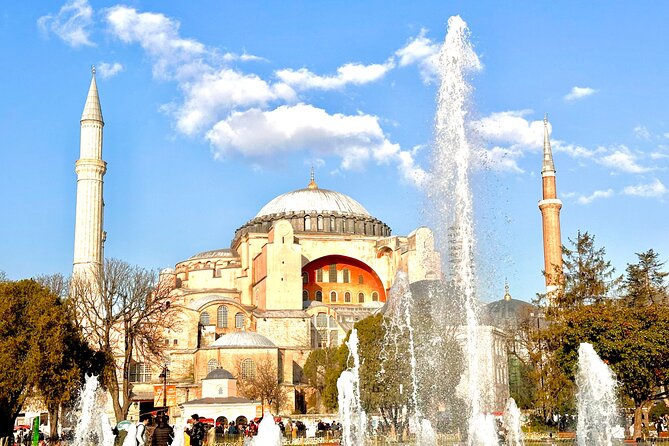
- Small group size (max 10) for easier questions and a less chaotic experience
- Ticketed museum visits included for Hagia Sophia and Basilica Cistern
- Cistern museums: the Basilica Cistern and Nakkas Cistern art gallery
- Three-course lunch at Tamara Restaurant Sultanahmet, with kebab and vegetarian options
- Grand Bazaar visit plus a Sunday alternative (Arasta Bazaar)
- Carpet/textiles stop included, which may or may not be your thing
Starting at German Fountain: the pace, group size, and practical reality
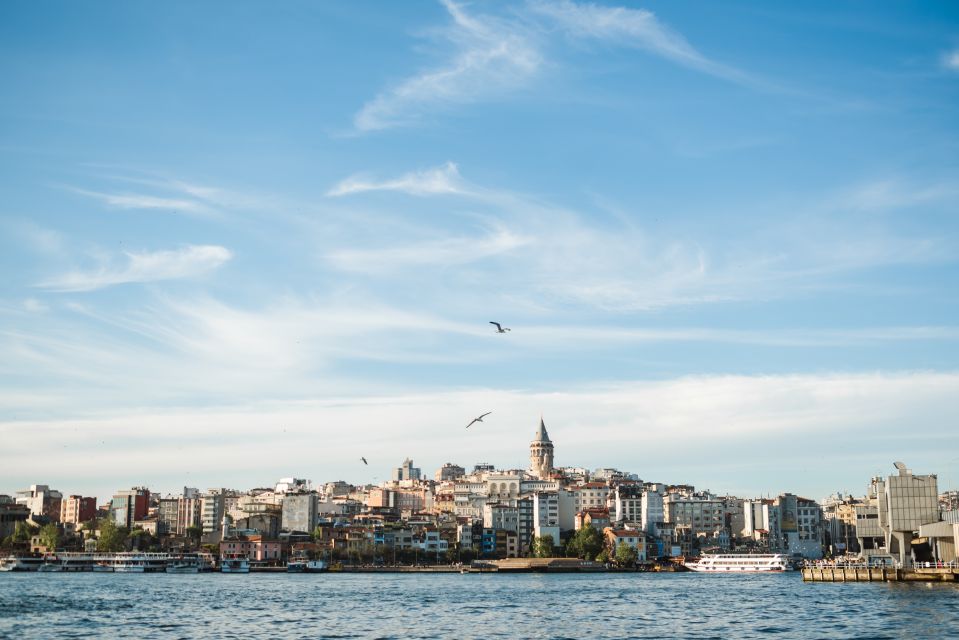
You meet at the German Fountain in the Sultanahmet area (Binbirdirek, At Meydanı Cd). The tour starts at 9:00 am and finishes back at the same point. That matters, because you’re not hopping across the city all day. You’re basically doing a classic “Old City loop,” with short links between big landmarks.
The group stays small, with a maximum of 10 people. In a place like Sultanahmet, small is comfort. You can ask questions without shouting over other groups, and it’s easier for your guide to help the group stay together through entrances, stairs, and tight lanes.
You should also pack for walking. Even though the tour has structured stops, you’ll still cover plenty of ground through historic streets and indoor/outdoor transitions. Good shoes are a bigger deal than you think here, especially if you plan to keep up with picture-taking.
You can also read our reviews of more tours and experiences in Istanbul.
Blue Mosque and the Hippodrome: Ottoman beauty meets Roman leftovers
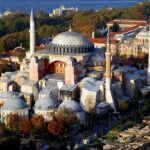
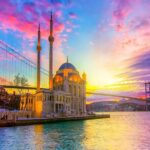
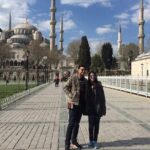
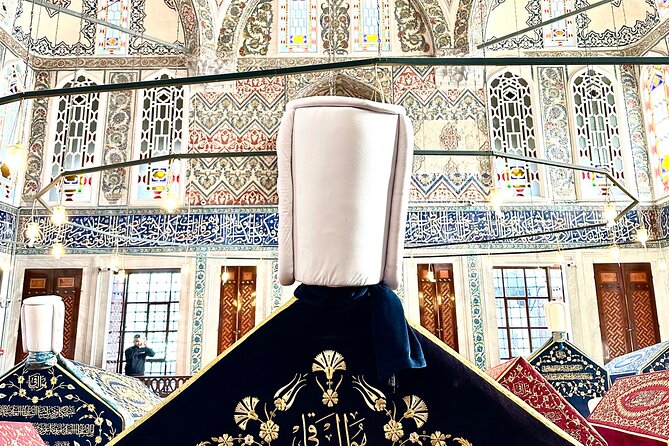
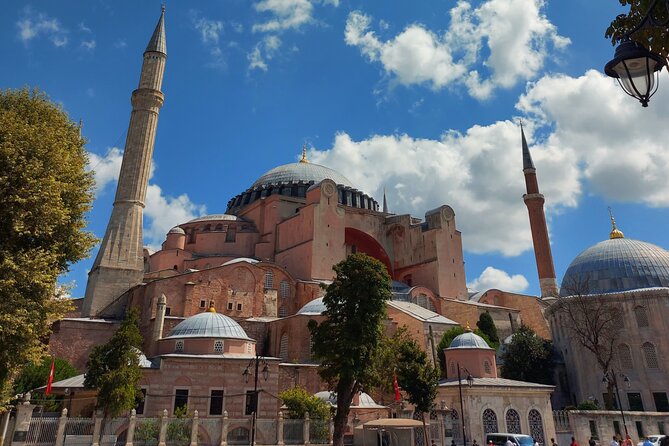
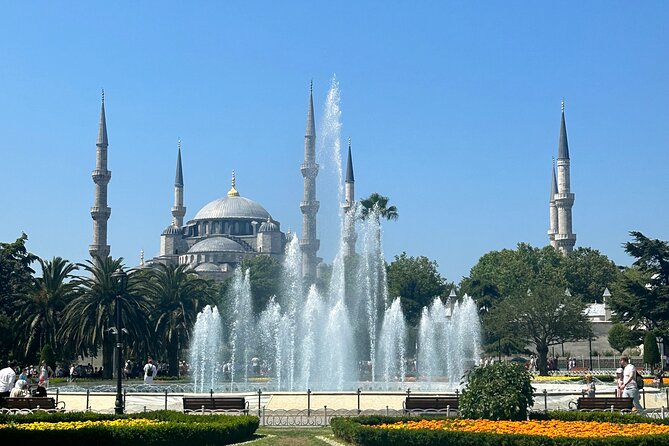
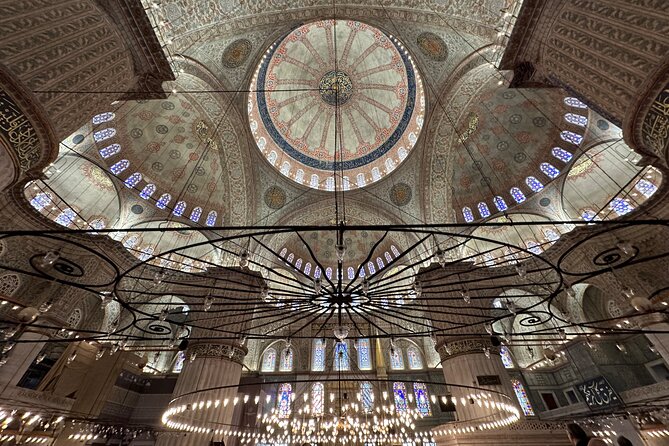
The tour hits the Blue Mosque (Sultanahmet Mosque) early enough that you still get your bearings before the day gets busy. It’s a standout building for a reason: the famous exterior profile and the interior design make it feel like you’re stepping into a carefully preserved Ottoman world. Since entry is free on this tour, you’re not paying extra just to see the main show.
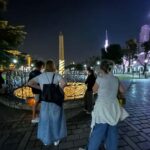
Next you’ll connect with the Hippodrome, an old chariot arena with an enormous historical footprint. Even if you don’t know the dates, you’ll recognize the vibe: Constantinople-era grandeur, but viewed through fragments and monuments. A couple of famous objects are part of the walk, including the Obelisk of Theodosius and the Serpent Column, plus another obelisk marker in the Hippodrome square area (often called the Walled Obelisk).
Why this section works: it helps you understand that Istanbul didn’t begin with Ottoman landmarks. Empires layered over empires, and these stones are the leftovers. Your guide’s job here is to place each object in context so it doesn’t feel like random sightseeing.
A small consideration
These outdoor stops are short, and they’re best as “photo + orientation” moments. If you love reading every plaque and lingering, plan to do extra exploration on your own after the main tour.
Hagia Sophia: a ticketed visit with time for questions
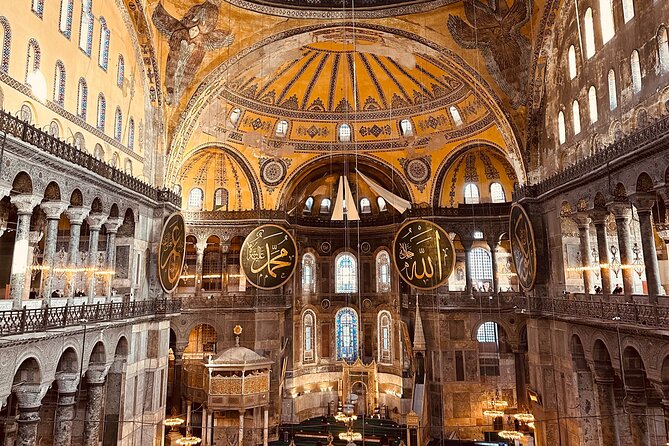
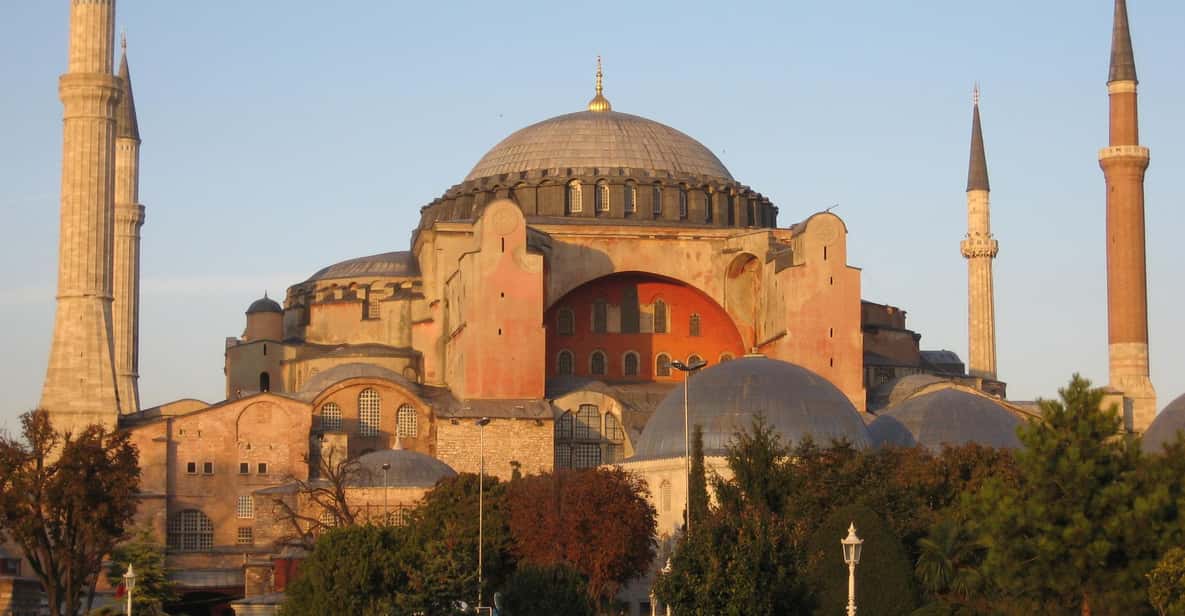
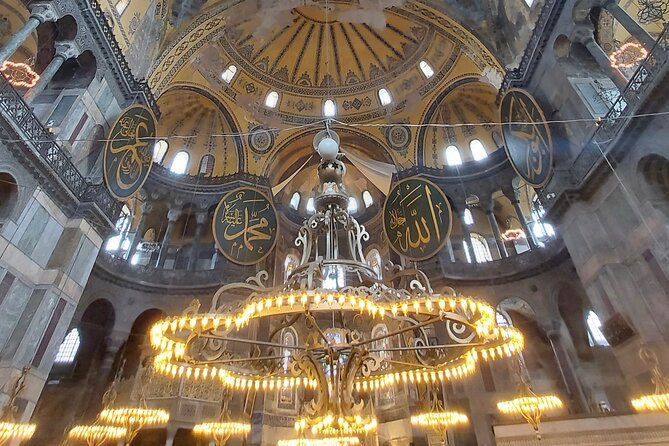
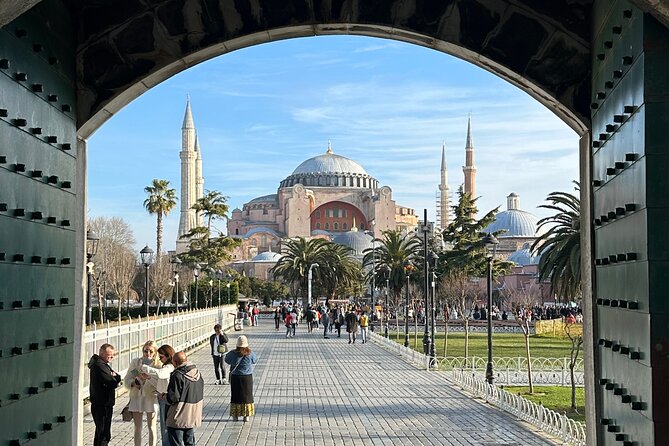
Next up is Hagia Sophia. On this tour, you get included admission, which is a big practical win. Hagia Sophia is one of those places where time expands the second you start noticing details, and that’s exactly what you should do here.
Your visit is to the Grand Mosque area, known historically as the Church of Divine Wisdom. The tour time you’ll have is around an hour, which is enough for a thoughtful walk-through if you’re not trying to read every single explanation wall.
Two things I like about how this tends to play out:
- You’ll have a guided “what you’re looking at” layer, so the design doesn’t feel like a blur.
- You can ask questions. Guides often explain what you’re seeing while also helping visitors figure out where they can stand, walk, and observe respectfully.
One possible drawback: if your group is very chatty—or your guide is very thorough—you might find the Hagia Sophia time feels longer in real life. That’s not always bad. Just know that this is a UNESCO-level site where people naturally slow down.
Basilica Cistern and Nakkas Cistern: the coolest history lesson in town
Then comes the watery part of the day. First, the Basilica Cistern, the largest cistern in Istanbul dating to the 6th century A.D., now operating as a museum. Admission is included. Even if you’ve seen pictures, being inside is a different experience. The scale hits. The columns feel endless. The light does that quiet, filtered thing that makes everything look older than it is.
This is also one of the most praised stops on the tour. People often call out the renovation and the sense of wow when you realize this place is basically “underground Istanbul” for the eyes.
After that you’ll visit the Cistern Art Gallery at Nakkas Cistern, also ticketed. This cistern is tied to the water supply story feeding the area connected to the Boucheleon Palace, with a museum-style presentation that connects it to Constantinople-era water systems and later exhibition history.
Here’s why the cistern segment is so valuable: it changes your Istanbul perspective. Most sightseeing teaches you what rulers built above ground. The cisterns teach you what planners engineered beneath it—and how practical systems shaped city life.





Practical tip
Cisterns can feel cooler and more shaded than the streets above. A light layer can save you from that sudden temperature shift.
Hippodrome monuments: Obelisks, a Serpent Column, and the story behind the stones
The tour doesn’t treat the Hippodrome as just a random stop. It lays out a short circuit of specific monuments.
You’ll see the Obelisk of Theodosius, brought to the Hippodrome area from Egypt in the 4th century. You’ll also visit the Serpent Column, described as a victory monument connected to the Greek-Persian war tradition. And you’ll cover a large obelisk in the Hippodrome square area (the Walled Obelisk).
If you like “small details with big meaning,” this portion rewards you. These objects are basically a historical scrapbook written in stone. The guide’s explanations are what turn each piece from a landmark into a timeline.
The only caution: these stops are quick. If you’re hoping for long contemplative time, you’ll want to come back later for slower photos.
Grand Bazaar: how to enjoy the maze without getting lost
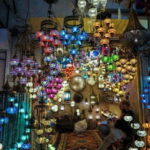
Later, the tour heads to the Grand Bazaar, the iconic covered market with over 4,000 shops spread across many streets. It’s famous for a reason: it’s a full-on labyrinth, and even if you don’t buy anything, the sheer density of crafts and goods is part of the experience.
The tour gives you about an hour here. That’s enough time to:
- find a few lanes you like,
- compare prices for souvenirs,
- and escape the “where am I going” stress.
If you’re visiting on a Sunday, the plan adjusts: instead of the Grand Bazaar, you’ll have Arasta Bazaar as an alternative option. That’s helpful because markets can change access and crowd patterns depending on the day.
About shopping and carpet/textiles stops
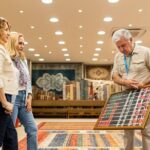
One part of the itinerary includes Nakkas Oriental Rugs & Textiles, described as a carpet demonstration with admission included. Some people find this educational. Others feel it eats time compared to monuments.
My practical advice: decide ahead of time what your goal is for these stops. If your goal is learning, stay open. If your goal is moving fast and seeing sights, keep your attention on the demonstration itself and don’t let it turn into a long detour. You’ll enjoy the day more when you control your energy.
Tamara Restaurant Sultanahmet: what you actually get for lunch
Lunch is included at Tamara Restaurant Sultanahmet, and it’s a genuine part of the day rather than a rushed sandwich stop.
Here’s what comes with the three-course meal:
- Soup of the day with mezes and salad
- A mixed kebab platter (with options like five different Turkish kebabs), plus vegetarian options (four options are listed)
- Dessert, Turkish tea, and water
All meals and drinks are included. Multiple guides are described as keeping the portions generous, and the lunch is one of the reasons the tour feels like value rather than just a sightseeing checklist.
Food tip
If you have dietary restrictions beyond vegetarian, you’ll want to communicate ahead (or ask your guide on the day), because the tour data only lists mixed kebabs and vegetarian options.
Booking value: why $150 can make sense here
At $150 per person, the deal is less about the walking tour and more about what’s included. You’re getting:
- an English-speaking professional guide (small group)
- included admissions for major museums: Hagia Sophia and Basilica Cistern
- included entry for the Nakkas Cistern art gallery
- lunch with a full three-course structure
Even without doing currency math, the practical value is clear: museum tickets and a guided day with a small group don’t come cheap when you piece it together yourself. Add the fact that you’re not responsible for planning the route and entry timing, and the cost starts looking reasonable.
If you’re the type who hates coordinating tickets and hates line-chasing, this tour format is built for you.
Who this tour suits best (and who should be cautious)
This is a strong pick if you:
- want the big Sultanahmet landmarks in one go,
- like explanations that connect buildings to the city’s layers,
- prefer small group dynamics (max 10),
- and want a straightforward day plan with lunch handled.
It’s also good if you’re traveling with limited time and you want to see Hagia Sophia, Blue Mosque, and the cistern museums without turning your schedule into a spreadsheet.
Be cautious if:
- you dislike shopping-focused stops (the carpet/textiles demonstration is part of the day),
- you’re extremely time-sensitive and hate the possibility of lingering at major sites,
- or you’re hoping for lots of free roaming time. This is structured. That’s the point.
A note on guides and what you’re likely to feel during the day
The operator is tied to Oguzhan Ceylan, and the experience is guided in English. From the patterns you’ll see in how different guides get described, the most consistent strengths are clear communication and good pacing.
Names that come up in the guide stories include Tunç, Oguzhan, Ozzie/Ozzy, Emre, Mustafa, and Kadir. The common thread is that guides tend to explain details you’d otherwise skip, and they work to keep the day moving while still leaving time for photos and questions.
This matters because Istanbul monuments can be overwhelming. A good guide turns you from spectator into participant.
Should you book this Istanbul Highlights day?
I’d book it if you want a solid one-day hit of Istanbul’s most important sights with less friction. The combination of Blue Mosque + Hagia Sophia + Basilica Cistern + Nakkas Cistern + Grand Bazaar, plus an included three-course Turkish lunch, is exactly the kind of “time-smart” plan that saves you energy.
Skip or approach with caution if you strongly dislike shopping stops or you need a very strict timetable. If you’re the type who gets impatient in museums, the Hagia Sophia time and cistern pacing might feel a little flexible rather than rigid.
Overall, this is good value for the included tickets and the small group setup. For many first-timers, it’s the easiest way to understand Sultanahmet in a single day.
FAQ
How long is the tour?
It runs about 7 to 8 hours.
What time does the tour start?
The start time is 9:00 am.
Where is the meeting point?
You meet at the German Fountain in Binbirdirek, At Meydanı Cd, 34122 Fatih/İstanbul.
Is this a small-group tour?
Yes. The maximum group size is 10 travelers.
What language is the tour guide?
The tour is offered in English.
Is lunch included, and what type is it?
Yes. Lunch is a three-course meal at Tamara Restaurant Sultanahmet, including soup, mezes and salad, a mixed kebab platter or vegetarian options, plus dessert, Turkish tea, and water.
Are museum tickets included?
Yes. Hagia Sophia Museum tickets and Basilica Cistern Museum tickets are included, and entry is also included for the Nakkas Cistern art gallery.
Is hotel pickup or an air-conditioned vehicle included?
No. An air-conditioned vehicle is not included.
Is there shopping during the tour?
The itinerary includes a carpet demonstration at Nakkas Oriental Rugs & Textiles, and Grand Bazaar is visited as well.
FAQ
What is the cancellation policy?
You can cancel for a full refund if you cancel at least 24 hours before the experience starts.