REVIEW · ISTANBUL
Istanbul: Fener, Balat, Old Greek and Jewish Quarter Tour
Book on GetYourGuide →Operated by My Local Guide Istanbul · Bookable on GetYourGuide
Fener and Balat are where Istanbul feels human again. This 3-hour tour heads into the western outer neighborhoods where colorful Ottoman houses still line steep streets, and where you’ll hear how Greek Orthodox Christians, Jews, and Muslims shared space under the Ottomans. I especially love the street-level photo stops around Fener’s staircases and facades, and I also like how the guide ties architecture to everyday life instead of turning it into museum talk. One thing to plan for: the walking is hilly and you’ll need modest dress for church interiors.
Meeting at the Spice Bazaar area keeps it straightforward, and the ride is part of the experience. You’ll take the tram to Fener, get a short guided introduction around the Golden Horn area, then keep moving on foot through cobblestones, churches, and neighborhood squares. People in recent groups have credited guides such as Salih, Burak, Omer, and Omar for making the stories clear and for answering questions without rushing you.
There’s also a small “real life” caution. The Greek Patriarch church visit is included, but it can be closed without prior notice, and that won’t be replaced—though the Bulgarian church stop still happens.
In This Review
- Key Things I’d Plan Around
- From the Spice Bazaar Gate to Fener by Tram
- The Golden Horn Warm-Up and Byzantine Walls Angle
- St. George Greek Patriarch Church: Dress Rules and the Closed-Without-Notice Reality
- Fener’s Photo Stops: Ottoman Houses, Stairs, and Neighborhood Life
- Balat: The Quiet Feeling, the Tea Break, and the Multifaith Streets
- Sveti Stefan Bulgarian Church: Baroque-Style Details in a Metal-Built Setting
- Price and Value: What $59 Buys You in Real Terms
- Who This Tour Fits Best (and Who Should Skip It)
- Should You Book Fener, Balat, Old Greek and Jewish Quarter?
- FAQ
- Where do I meet the guide?
- How do I get to Fener and back—do I need tram tickets?
- What church visits are included?
- Is modest dress required?
- What’s included for food or drinks?
- Is this tour good for wheelchair users or limited mobility?
Key Things I’d Plan Around
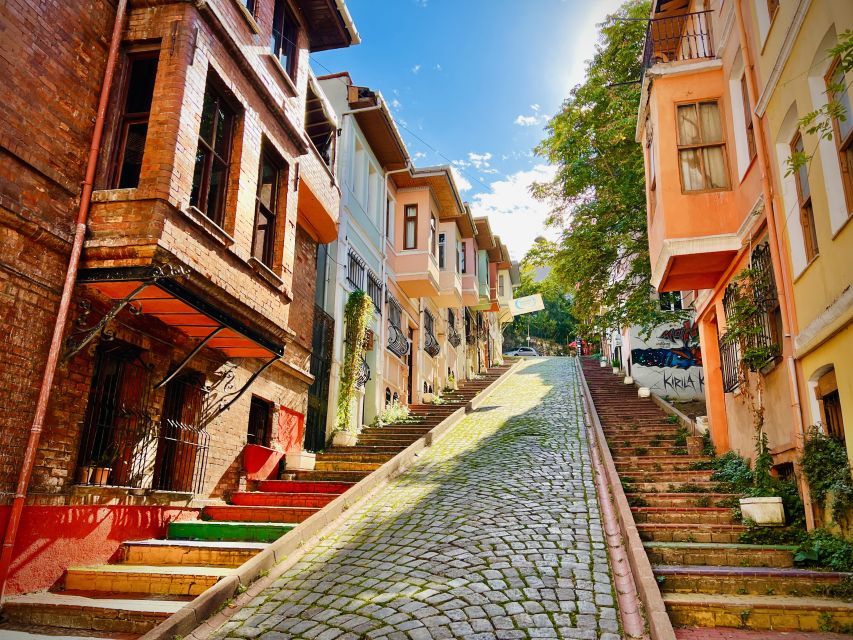
- Colorful 19th–20th century Ottoman house lanes in Fener and Balat, built for real neighbors, not postcard backdrops
- Public tram included for the ride to and from the neighborhood area
- Church interiors with dress requirements (shoulders and knees covered)
- Golden Horn and Byzantine city walls context, not just house photos
- Sveti Stefan Bulgarian church, described as metal-built with baroque-style architecture
- A tea or coffee break in Balat, with time to regroup before the final tram ride
From the Spice Bazaar Gate to Fener by Tram
Your tour starts outside the entry gate of the Spice Market, in front of the dairy shop called Itimat Satış Mağazası (and yes, Itimat has more than one location in Istanbul). The key detail is that you want the one at the Spice Bazaar / Egyptian Bazaar entrance. From there, your English-speaking guide leads you to the tram stop and you’ll ride as locals do.
This is one of the best parts if you’re trying to see more than the usual showpiece stops. The tram gives you a low-effort way to reach a different Istanbul vibe, and you don’t waste your energy wrestling with taxis or trying to decode transit at the start.
The tour also includes express security so you aren’t stuck in long lines before the church visits. That saves time, and in a 3-hour tour, time is everything.
You can also read our reviews of more tours and experiences in Istanbul.
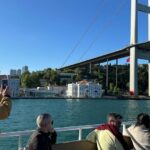

The Golden Horn Warm-Up and Byzantine Walls Angle
After the tram ride, you get a short guided introduction around the Golden Horn area. This isn’t just a scenic stop—it’s meant to set the stage for what you’ll see next. You’ll be walking through an area connected to the city’s older layers, including references to Byzantine-era city walls dating back to the 4th century.
As the walk continues, the guide connects those older fortifications to the 15th-century Ottoman conquest of Constantinople. Even if you’ve visited a big Ottoman or Byzantine site already, this helps you understand why these neighborhoods feel like a bridge between eras rather than an isolated “old town” pocket.
One practical note: after the tram you’ll likely switch quickly from transit to hills and cobblestones. Wear your most comfortable walking shoes. The tour’s best views come with the most uphill effort.
St. George Greek Patriarch Church: Dress Rules and the Closed-Without-Notice Reality
One of the included interior stops is the St. George’s Cathedral, Istanbul (the Greek Patriarch Church). The visit is guided, and you’ll have time for sightseeing inside.
But there’s a very real rule before you even get comfortable: you must dress modestly, with shoulders and knees covered for ladies and gents. If you show up with shorts or a strapless top, you may have to scramble.
There’s also a downside worth knowing early. The Greek Patriarch can be closed without any notification, and if that happens, the tour won’t compensate with a different site. The good news is that the Bulgarian church visit is still included, so you still get a major interior/architecture stop.
If you want the best odds of a smooth church visit, keep your outfit simple: long pants or a skirt that covers knees, and a top that covers shoulders.
Fener’s Photo Stops: Ottoman Houses, Stairs, and Neighborhood Life
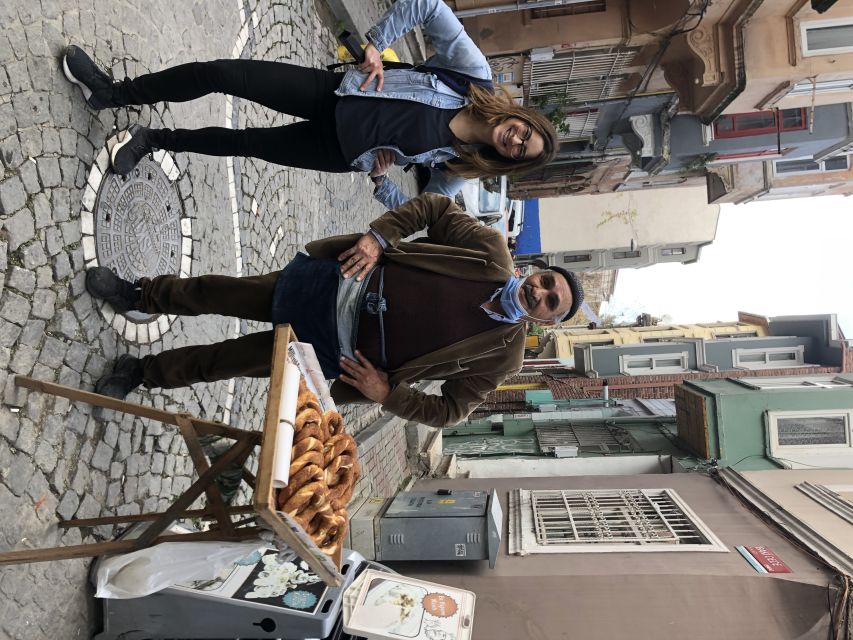
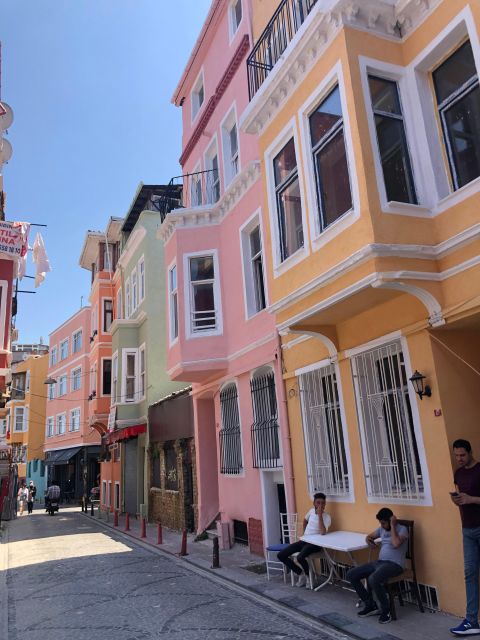
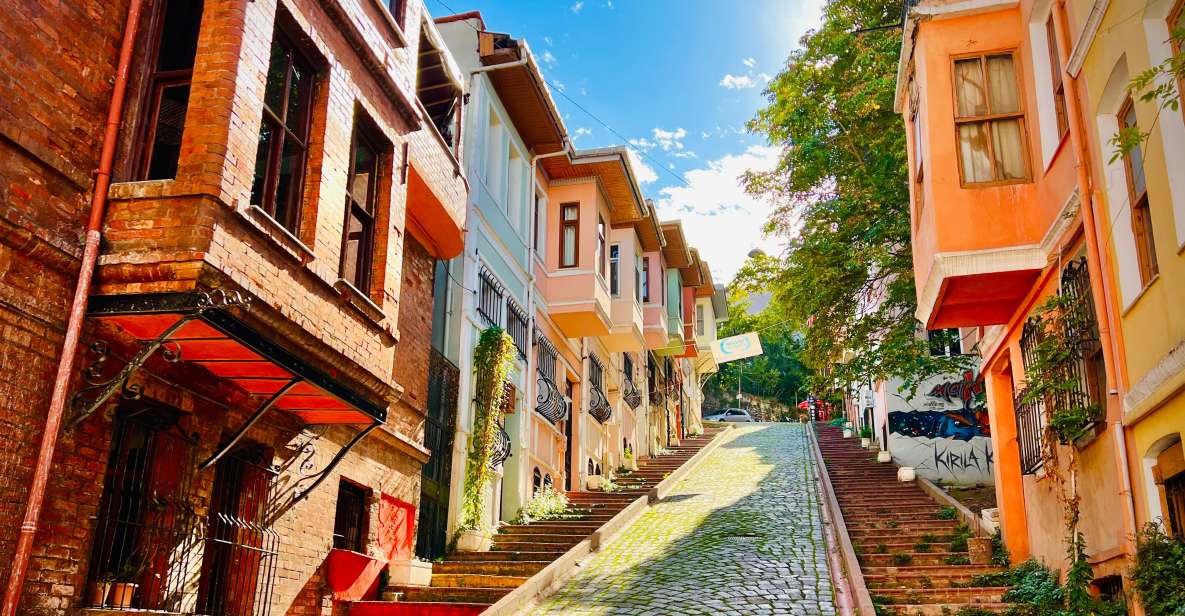
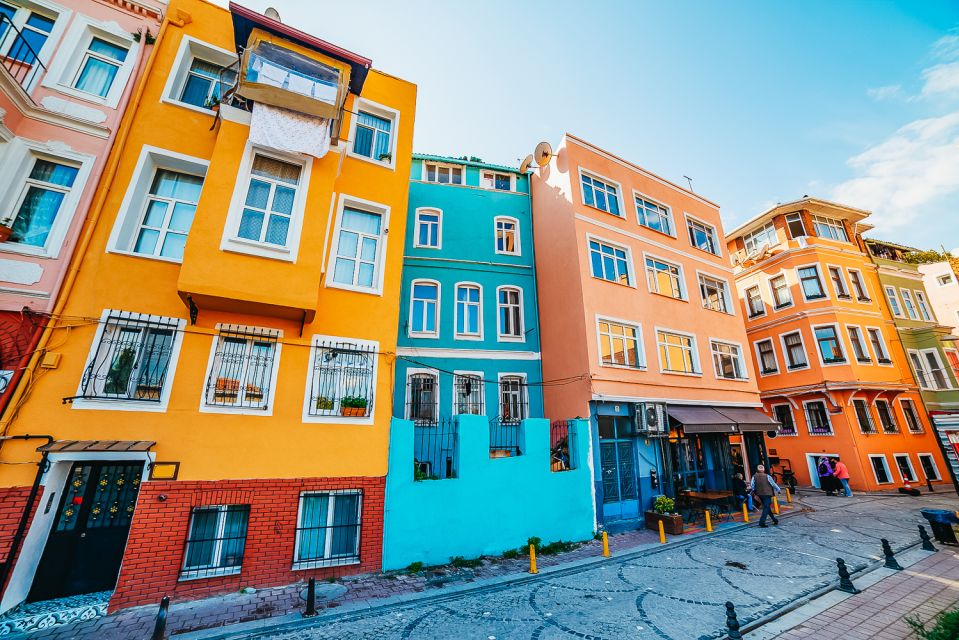
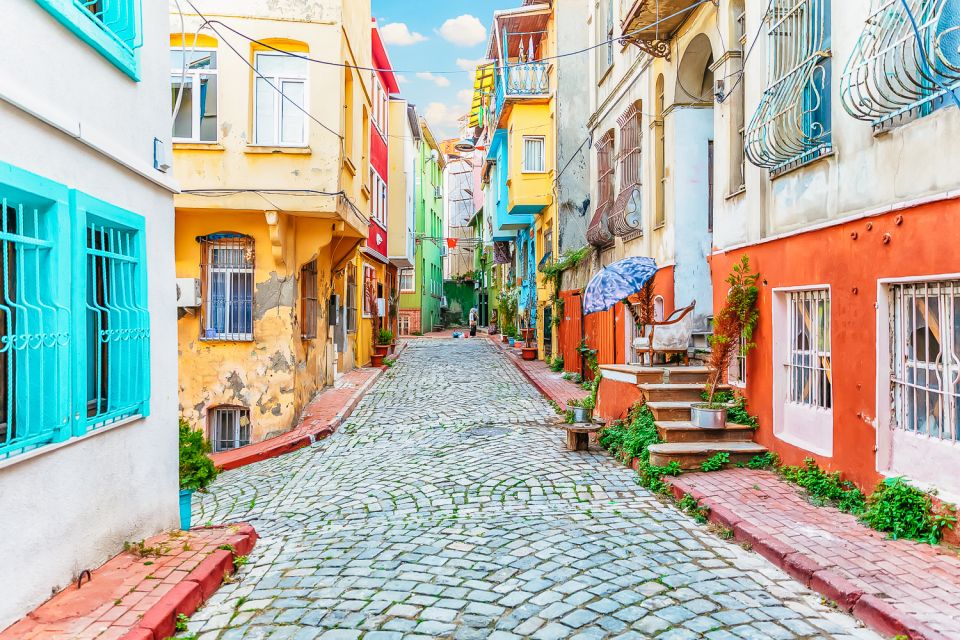
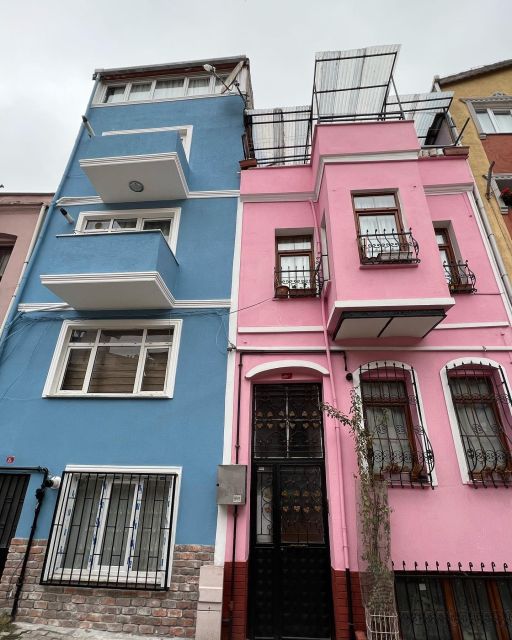
Fener is where the tour really earns its reputation. You’ll get guided time walking the streets and taking photos of colorful Ottoman houses, including homes associated with 19th and 20th century construction. These aren’t restored theme buildings. They’re part of everyday neighborhood life, so you’ll see a mix: bright facades, old wood details, and buildings that look tired in places.
The hills matter here. Your feet will feel it. In the reviews, many people flagged the steep streets, and that’s exactly the point: this part of Istanbul hasn’t been smoothed out for visitors. The reward is that you feel less like you’re passing through and more like you’re moving through someone’s actual neighborhood.
In addition to the house lanes, you’ll also stop for photos and view the Special Fener Greek High School. Think of it as a reminder that religious communities weren’t only about churches and synagogues. Schools and public life shaped how the area functioned.
The guide storytelling adds a second layer. You’ll hear how Ottoman-era multicultural living worked in practice, with Greek Orthodox Christians, Jews, and Muslims living side by side. That kind of context changes the way you read the buildings: windows and doors aren’t random details anymore; they become clues.
Balat: The Quiet Feeling, the Tea Break, and the Multifaith Streets
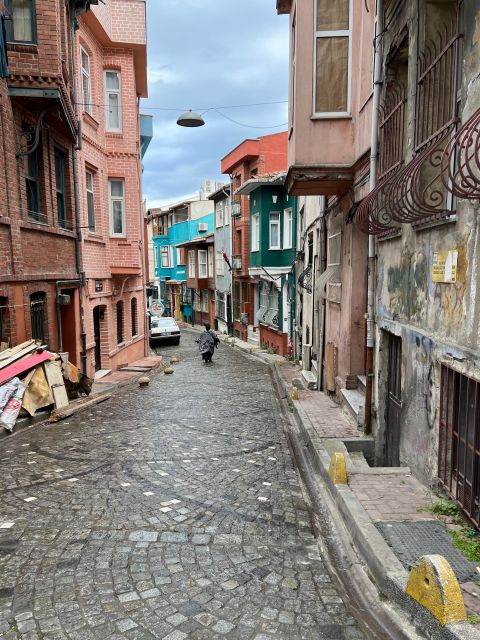
After Fener, you transition into Balat, another major neighborhood highlight. You’ll have photo stops and guided time here too, with a slower chance to absorb the area’s mix of staircases, older facades, and religious architecture.
What makes Balat worth it on this specific tour is the structure. You’re not just walking and guessing. The guide ties the neighborhood layout to the stories you already heard: shared Ottoman-era living, visible community traces, and the way structures—mosques, churches, and synagogues—sat close enough to shape daily routines.
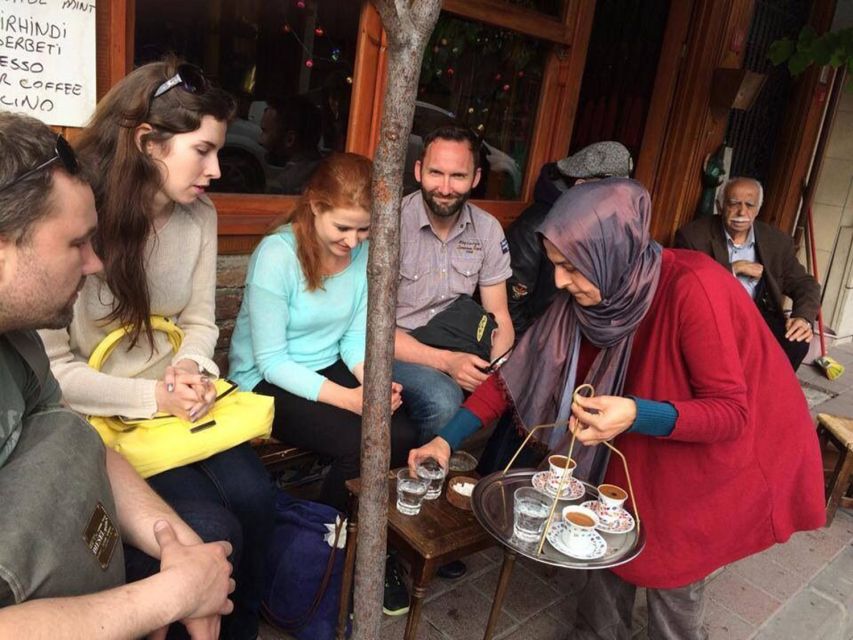
Then there’s the included break: a tea (çay) or coffee at a local cafe in Balat. In practice, this can be a lifesaver. You get a short reset before the final major church stop.
One heads-up from past experiences: the included part is tea or coffee. If you want pastries or snacks beyond that, expect to pay extra. This matters because Balat cafes are often where you’ll see locals ordering food, and it’s easy to assume more is included.





Sveti Stefan Bulgarian Church: Baroque-Style Details in a Metal-Built Setting
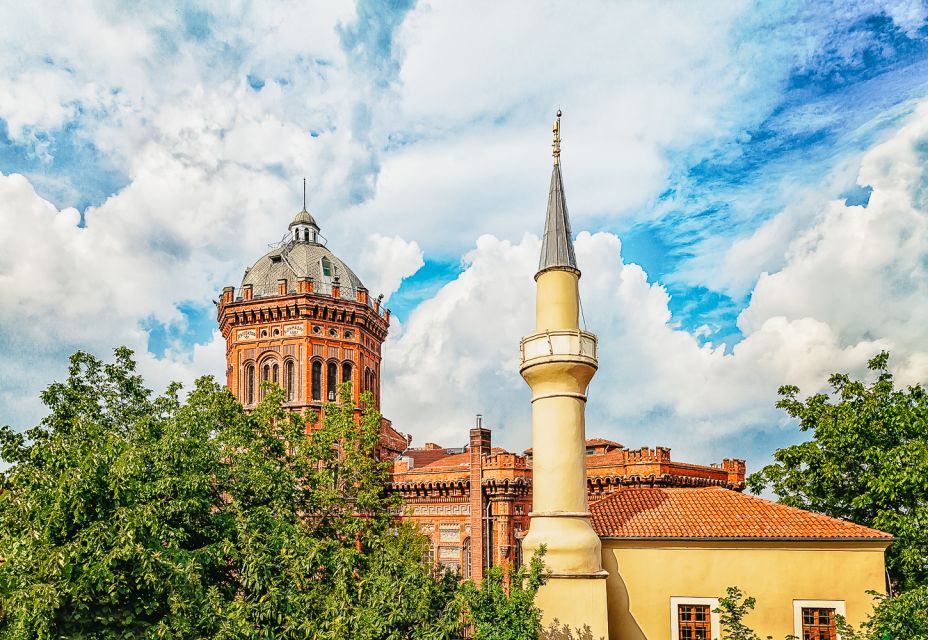
The tour’s other key interior stop is the Sveti Stefan Church (Bulgarian Orthodox Church). It’s included, and you’ll have a guided visit plus time to walk around.
The description emphasizes something unusual: the church is built in metal and features impressive barok architecture (baroque-style). Whether you’re into architectural details or you just want a great “I can’t believe this is here” moment, this stop tends to deliver because it’s both specific and unexpected.
This is also where the tour’s theme lands. After hearing about how different communities lived together under the Ottomans, you see another layer of religious and cultural identity represented in built form. It’s one thing to hear names and timelines. It’s another to stand inside a structure that looks like it belongs to a different visual world.
After this, you wrap up and head back by tram to the Spice Bazaar area.
Price and Value: What $59 Buys You in Real Terms
At $59 per person for 3 hours, the value depends on how you travel. If you would otherwise piece together your own tram rides, church entry tickets, and a guided explanation, this becomes a bargain fast.
Here’s what you get that’s hard to recreate on your own at the same pace:
- A guide to connect Fener and Balat to Ottoman-era multicultural living
- Entry to St. George’s Greek Patriarch Church
- Entry to the Bulgarian church (Sveti Stefan)
- Tram tickets included for the rides to the neighborhood area and back (so you’re not buying them mid-day)
- A included tea or coffee stop in Balat
Also, the timing is efficient. It’s short enough to fit into a normal day, but long enough to walk between multiple neighborhoods and still pause for viewpoints and churches.
The biggest “cost” isn’t money. It’s effort—steep hills, cobblestones, and a modest-dress requirement.
Who This Tour Fits Best (and Who Should Skip It)
This tour is best for you if you:
- Want a side of Istanbul beyond the big-ticket landmarks
- Like architecture, but also want the social context behind it
- Enjoy walking neighborhoods where communities still live in the spaces you’re seeing
- Want an easy way to reach Fener and Balat without figuring out transit alone
It’s less suitable if you have mobility limitations or use a wheelchair. The tour is explicitly not designed for wheelchair users, and the terrain is hilly with lots of walking.
Should You Book Fener, Balat, Old Greek and Jewish Quarter?
I’d book it if your ideal Istanbul day includes street-level details, church interiors, and stories about how multiple faiths shared space across centuries. The guide-led pacing is a major plus: you’re not wandering without context, and you’re not missing the points that make the neighborhood more than colorful buildings.
Skip this one if you’re looking for flat, easy walking, or if you can’t manage modest clothing rules for church visits. Also, if the Greek Patriarch church being closed would disappoint you, remember that it may happen without notice, and the tour won’t swap it for another site.
If you want a memorable, lower-crowd Istanbul afternoon that feels local instead of touristy, this is a strong choice—especially with guides like Salih, Burak, Omer, and Omar earning repeat praise for making the walk feel personal and clear.
FAQ
Where do I meet the guide?
Meet outside the entry gate of the Spice Market (Egyptian Bazaar), in front of the dairy shop named Itimat Satış Mağazası. There are multiple Itimat locations in Istanbul, so make sure it’s the one at the Spice Bazaar entrance.
How do I get to Fener and back—do I need tram tickets?
You take the local tram to Fener and then back at the end. Tram tickets are included in the tour price, so you do not need to purchase them.
What church visits are included?
The tour includes entry to St. George Greek Patriarch Church and the Bulgarian church of Sveti Stefan. The Greek Patriarch visit is included, but the church may be closed without notice.
Is modest dress required?
Yes. Since you visit a traditional neighborhood and the Greek Patriarch church, dress modestly. Shoulders and knees must be covered for both ladies and gents.
What’s included for food or drinks?
At a local cafe in Balat, the tour includes a tea (çay) or coffee. Extra drinks are not included.
Is this tour good for wheelchair users or limited mobility?
No. The tour is not suitable for people with mobility impairments or wheelchair users. The route involves hilly walking.