REVIEW · ISTANBUL
Istanbul: Fener & Balat Guided Tour through Colored Streets
Book on GetYourGuide →Operated by Fenerwalks · Bookable on GetYourGuide
Color hides in plain sight. That’s what hits you first on a walk through Fener-Balat, where you see how Greeks, Jews, Bulgarians, Romanians, and Turks shaped the neighborhood long before the city’s famous sights grab all the attention. With a local, historian-style guide, you’re not just chasing photos—you’re connecting street corners to events and identities that still show up in the buildings.
Two things I really like: you get inside the major Orthodox sites, including St George Church, and you hear the place explained by guides who genuinely know the neighborhood’s human stories. One heads-up: it’s a packed 3-hour route with lots of short stops, so if you want long pauses for coffee shopping or slow hanging-out, you may feel a bit rushed.
In This Review
- Key highlights at a glance
- Why Fener and Balat feel different from the usual Istanbul route
- Sticking your arrival: the Fener meeting point and simple transit logic
- The 3-hour pace: what you gain, and what you might miss
- Renkli Merdivenler (Colored Steps): first photos with instant context
- Entering St George Church: the Ecumenic Orthodox story in real space
- Virgin Mary Greek Orthodox Church: quieter details, strong community ties
- Fener Greek High School and local institutions: where education becomes history
- Balat’s colored houses: seeing architecture as a timeline
- Ahrida Synagogue: a brief stop with big meaning
- Sveti Stefan Church: the prefabricated miracle still standing
- Guides make or break it: what I liked about the way they lead
- Price and value: is $15 worth it for this 3-hour walk?
- Who should book this tour—and who might not love it
- Quick practical tips so you enjoy every minute
- Should you book Fener and Balat Colored Streets?
- FAQ
- How long is the Fener and Balat colored streets tour?
- How much does the tour cost?
- What’s included in the tour price?
- What should I wear for the church entries?
- Where is the meeting point?
- Is the tour wheelchair accessible?
- Does the tour include food and drinks?
Key highlights at a glance
- Church entry that actually matters: St George and Sveti Stefan give context to the Orthodox community’s presence here
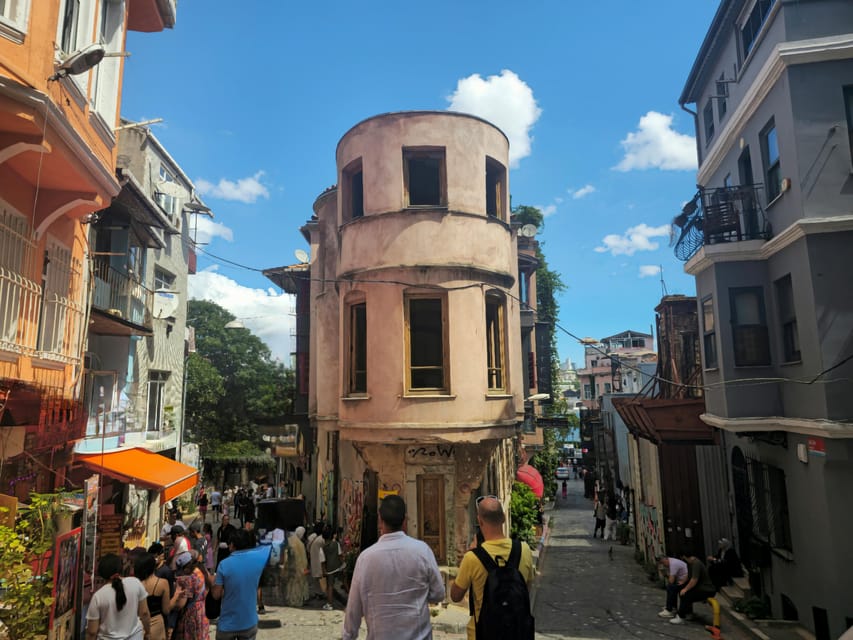
- Colored streets with a reason: Renkli Merdivenler and Balat’s facades make sense once you hear the background
- Story tellers, not just signage: guides connect Greek school life, Ottoman-era power, and everyday survival
- A feel for everyday Istanbul: you pass through residential streets rather than only curated viewpoints
- Good photo planning: multiple timed photo stops help you get shots without sprinting the whole time
Why Fener and Balat feel different from the usual Istanbul route
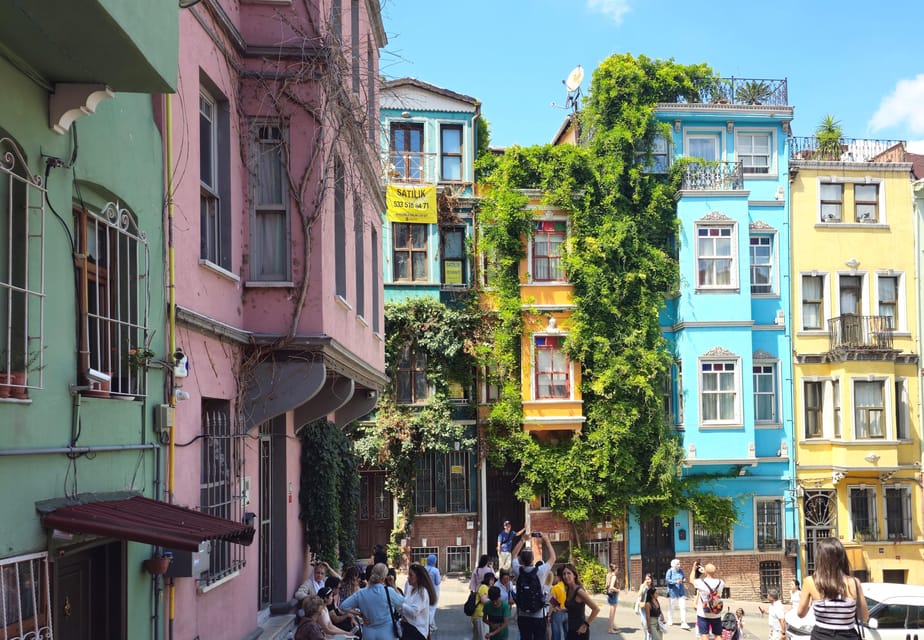
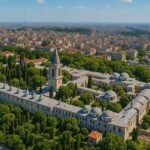
I love how Istanbul can change its personality block by block, and Fener-Balat is one of the clearest examples. In a few hours you go from colorful stairways and side streets to serious religious architecture, then back to ordinary neighborhoods that still feel lived-in rather than staged.
This tour leans hard into why the area looks the way it does. You’ll hear how a district called by many the colored streets earned that nickname—then you’ll learn why some buildings look empty or damaged today. That story is what makes the pastel facades hit harder. Instead of seeing pretty walls, you’re seeing reminders of community shifts over centuries.
And yes, it’s peaceful—until it isn’t. Even on a gentle day, this part of town reminds you Istanbul has always been a crossroads. When the guide connects the dots between Romans, Ottomans, and the Orthodox world, the neighborhood stops being a backdrop and becomes the point.
You can also read our reviews of more guided tours in Istanbul

Sticking your arrival: the Fener meeting point and simple transit logic
Meet the guide next to the Fener bus stop by the seaside. The stop is about 2 minutes away from Nakış Cafe, so if you’re orbiting around Balat/Fener cafés, it’s not hard to anchor yourself.
From Eminönü, the easiest public option is usually the tram: take Tram T5 to the Fener tram station, then walk about 3 minutes to the bus stop. If bus timing is spotty, the tram is often less chaotic because fewer things can go wrong.
From the Taksim area, you can use the underground bus 55T to Fener. From Karaköy, pay attention to bus numbers: don’t take 99/99A/99Y if their last stop is Eminönü and the route restarts after dropping people. You want the bus stop that matches the Fener meeting point.
Practical advice: arrive 10 minutes early. Not because the tour is late—because the streets are steep and you don’t want to start the climb already tired.
The 3-hour pace: what you gain, and what you might miss
At 3 hours total, this is a short walking tour. That’s a plus if you’re doing a packed Istanbul itinerary. It also means you get a good overview of Fener and Balat’s key sites without spending half a day in transit.
But the trade-off is time at each place. The route is built around photo stops and quick guided explanations, and the schedule doesn’t pretend you’ll linger. If you crave long church time, or you want to browse shops more than glance at them, you might wish for more minutes at a couple of the stops.
I like this pacing anyway because it works with how you’re meant to experience the area: walk, look, learn, move on. Still, if you’re the type who wants to sit and people-watch for 30–45 minutes, plan to come back later on your own.
Renkli Merdivenler (Colored Steps): first photos with instant context
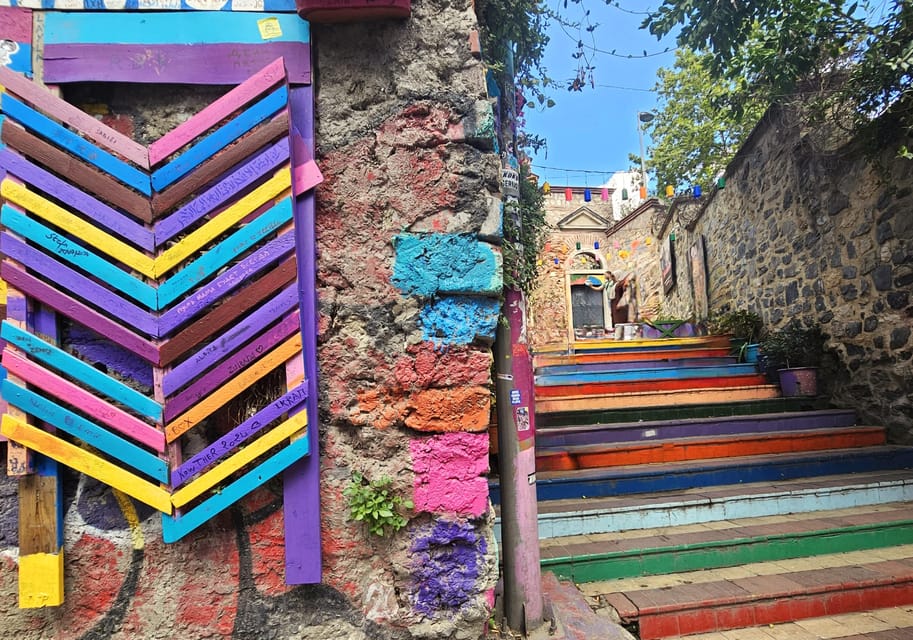
You start in Fener, then head to Renkli Merdivenler—the colored steps that instantly look great in photos. This is your early “wow” moment, but the guide usually adds the missing layer: the stairs and adjacent streets aren’t random decoration. They tie into the neighborhood’s identity and the way communities lived close together.
Expect a short break and photo time, then quick guided walking. Even if you’ve seen pictures online, you’ll notice the stairway angle changes the whole look. Step position matters. So give yourself the guided timing—don’t assume you can freestyle and hit the best spots by instinct.
This is also where you feel the terrain. The walk includes a hill on the way through Fener, so bring shoes you trust. This isn’t the tour for flat, slippery soles.
Entering St George Church: the Ecumenic Orthodox story in real space
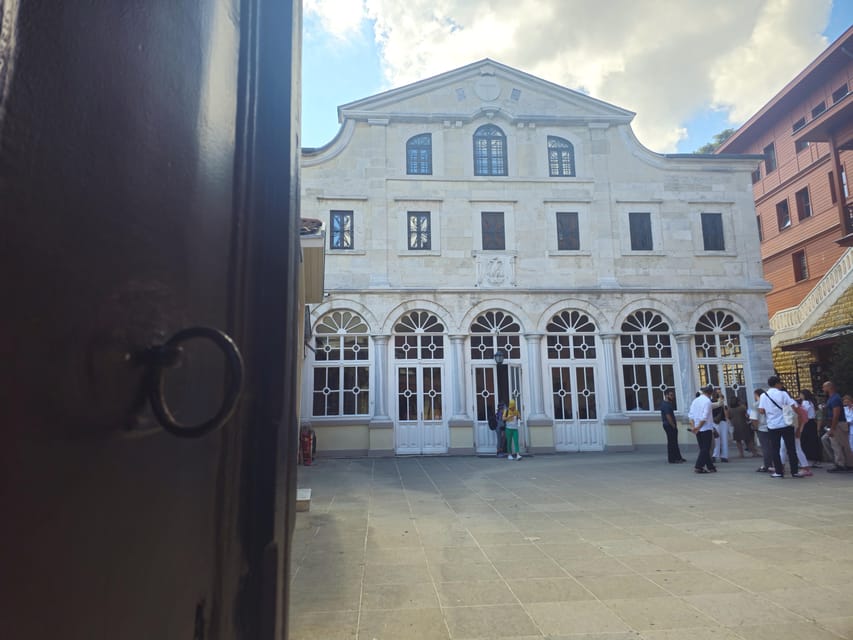
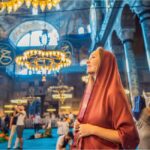
One of the best reasons to book is the church entry at St George Church. You’re not only looking from outside. You go in, which matters because religious architecture reads differently when you’re inside—scale, materials, light, and layout all change the experience.
St George is tied to the Orthodox world’s leadership through the Ecumenic community, and the guide’s job is to translate that into plain language you can actually remember. You’ll hear how this kind of church wasn’t just spiritual. It was also cultural glue—an anchor for education, identity, and continuity.
Timing here is solid compared to other stops, with around 45 minutes for guided visit and photo moments. That’s enough to ask questions and still feel like you got value rather than a rushed glance.
Tip: church dress rules are strict. Shorts, sleeveless tops, and short skirts are not allowed. If you want an easy time, pack a scarf or a long layer that covers quickly.




Virgin Mary Greek Orthodox Church: quieter details, strong community ties
Next up is Virgin Mary Greek Orthodox Church. You’ll likely do a photo stop and then a guided visit focused on what you’re looking at and why that matters for the neighborhood’s mix.
This stop feels different from St George. Instead of the big “main character” moment, it’s more about careful attention: symbols, architecture cues, and what the building shows about the community that used it.
You get around 20 minutes here, so don’t plan to do a long, slow sketch session. But do plan to look up and notice the small stuff while your guide is talking. That’s where the stories connect best.
Fener Greek High School and local institutions: where education becomes history
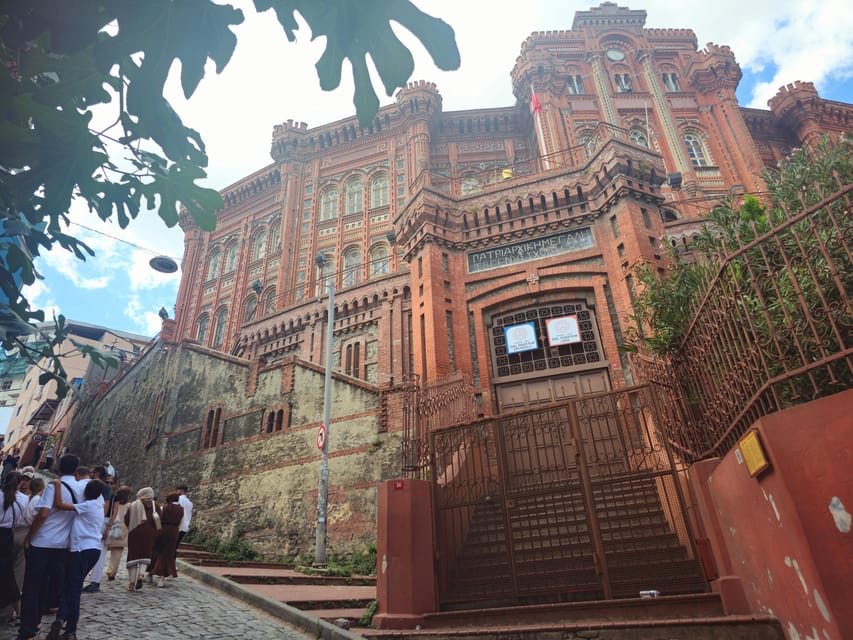
Then you pass by or stop near the Special Fener Greek High School. The point isn’t just the building exterior. The point is what education meant to minority communities in Ottoman-era Istanbul—how schooling helped preserve language, identity, and networks.
One cool detail you might hear: the guide may connect the area’s school legacy to pop-culture ideas people recognize, helping you remember it later when you’re back at your hotel. Even if you’re not a student-history person, this is one of the easiest ways to understand the neighborhood.
Expect about 20 minutes, with pass-by and short guided moments. If you’re hoping for a deep dive at the school itself, you’ll probably find the time limited. The value here is the context the guide gives so you’re not just walking by a pretty institution.
Balat’s colored houses: seeing architecture as a timeline
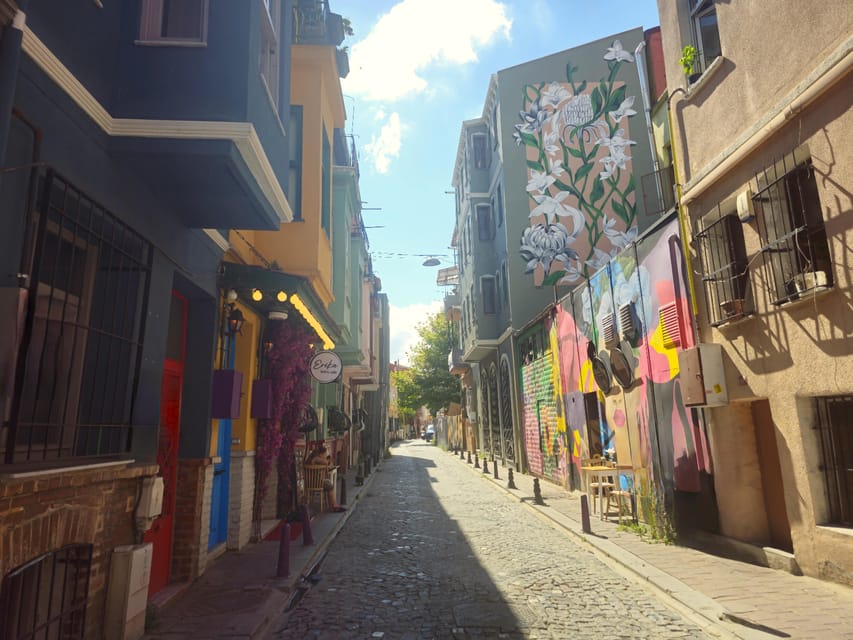
Now comes the part you can’t stop photographing: Balat’s colored houses. The guide points out what makes these facades distinctive and why they became famous. The color is the hook; the reasons behind it are the lesson.
At these stops—one for the colored houses and another for Balat itself—you’ll get short breaks, photo stops, and guided walks through the streets. Time varies by section, but you’re typically looking at 10–15 minutes at each Balat moment.
Here’s how to get more out of those minutes. Walk slowly during the guided explanation, then let your photo time be intentional. Don’t take 50 random shots and move on. Pick one or two viewpoints the guide highlights, then get a clean frame.
Also, Balat has that “everyday shops and cafés” energy. One tip I’d follow: save your shopping and longer café break for after the tour. During the tour, the priority is the story and the route.
Ahrida Synagogue: a brief stop with big meaning
You’ll also make time for Ahrida Synagogue. This is one of the clearest ways this tour proves its point about Fener-Balat being multi-faith and multi-ethnic, not a one-story neighborhood.
The session here is shorter—roughly 10 minutes—with photo stop and guided context. That means you’ll want to be present and listen for the meaning rather than hoping for a long architectural analysis.
If you care about how communities survived and adapted, this stop helps you place the Jewish presence into the wider neighborhood story. It also sets up the final major church stop so the tour doesn’t feel like a set of disconnected buildings.
Sveti Stefan Church: the prefabricated miracle still standing
The last big highlight is Sveti Stefan Church. You’ll get break time, a photo stop, then a longer guided visit—about 30 minutes.
Here’s why this matters: Sveti Stefan is described as the last standing prefabricated church in the world. That kind of detail changes how you see the building. It’s not only about style. It’s about survival, movement, and how communities invested in places of worship even when the world around them was changing fast.
This stop feels like the tour’s payoff. You’ve heard about religious communities, education, and neighborhood identity. Now you see a church whose very existence carries a practical story—something built to last, then enduring in place longer than most people expect.
Again: follow the dress rules. If you bring a scarf, you’ll be glad you did.
Guides make or break it: what I liked about the way they lead
The standout theme across the guide experiences is how they connect with people. Names come up often. More than once, I saw comments praising guides like Yunus for remembering everyone and making the group feel included.
That isn’t small stuff. When the guide calls you by name, you pay attention more. You feel less like you’re in a line and more like you’re part of a moving conversation.
Guides also tend to handle questions well. I saw people mention that the guide answered all sorts of prompts and explained how different groups interacted, including how Ottoman-era politics affected community life. That’s exactly the type of information you want on a neighborhood tour: the “why” behind the “what.”
And practical extras show up, too. In one set of notes, I saw that guides offered advice about food and even restaurant suggestions at the end. If that’s your style, you’ll probably enjoy the street-level recommendations.
Price and value: is $15 worth it for this 3-hour walk?
At $15 per person for a 3-hour guided tour, the value is strong on paper, mainly because the tour includes entries you can’t replicate with casual sightseeing. You get access inside major sites like St George Church and Sveti Stefan Church (plus entry tied to the Orthodox Patriarch setting and an additional Bulgarian church entry included in the package).
Then you add the guide format: a local guide with historian-style storytelling. Walking these streets on your own is nice, but without the explanations you’ll miss the deeper reasons behind the colored facades and the building messages.
What’s not included is also clear: food and drinks. So treat this as a cultural walk, then plan a café stop before or after. The short breaks are enough for photos and a breather, not a full meal plan.
If you want value, come prepared so you spend your tour time on what the guide controls: the story and the site access.
Who should book this tour—and who might not love it
I’d book this if you want an Istanbul day that’s off the main-crowd path. It’s perfect for people who like learning through neighborhoods, not just through big-ticket monuments. It also fits couples and families who can handle a bit of climbing and a tight schedule.
It’s less ideal if you need wheelchair access. This tour isn’t suitable for wheelchair users, and the walk includes a hill in Fener plus uneven streets.
It may also be frustrating if you hate rules about clothing. Churches require coverage, and this tour enforces it: no shorts, no short skirts, no sleeveless tops. Bring a scarf or a long layer and you’ll avoid last-minute awkwardness.
Quick practical tips so you enjoy every minute
- Wear comfortable walking shoes for the hill and uneven streets
- Pack a scarf or long layer so you’re church-ready
- Bring your patience for short stops and quick photo windows
- If you want shopping and cafés, plan it after the tour, not during it
- If you’re sensitive to crowds, aim for an off-peak start time when possible
Should you book Fener and Balat Colored Streets?
If you’re trying to understand Istanbul as a layered city of communities—Greeks, Jews, Bulgarians, Turks, and more—this is a smart use of time. The $15 price feels fair because you’re buying entry access plus a guide who gives you the context behind what you’re seeing.
I’d skip it if you want a slow, linger-everywhere tour. The route is efficient, and some stops are timed tightly. Still, if you’re okay moving at a guided pace, you’ll leave with a much sharper picture of why these streets earn the “colored” label and what that color is remembering.
FAQ
How long is the Fener and Balat colored streets tour?
It lasts about 3 hours.
How much does the tour cost?
The price is $15 per person.
What’s included in the tour price?
You get a historian tour guide, entry to the Orthodox Patriarch-related site (Greek Orthodox), entry to a Bulgarian church, and visits that focus on the colored streets of Fener-Balat. Churches specifically included in the experience are St George Church and Sveti Stefan Church.
What should I wear for the church entries?
Shorts, short skirts, and sleeveless shirts are not allowed. It’s a good idea to bring a scarf or a longer dress/layer to help you meet church rules.
Where is the meeting point?
Meet the guide next to the Fener bus stop by the seaside, about 2 minutes from Nakış Cafe.
Is the tour wheelchair accessible?
No. It’s not suitable for wheelchair users.
Does the tour include food and drinks?
No. Food and drinks are not included.