REVIEW · KUSADASI
From Kusadasi Port: Ephesus, Artemis & Virgin Mary Tour
Book on GetYourGuide →Operated by Istambul Travel · Bookable on GetYourGuide
Ancient streets, then a quiet Mary shrine. I like how this day pairs the Ephesus ruins with the House of the Virgin Mary in one tight cruise schedule, and I also like that it’s led by guides such as Ali, Aydin, Errol, and Kai who keep the stops clear and story-driven. The main thing to watch is that entrance costs can be extra depending on which option you choose, and the workshop portion can turn into a sales-focused stretch.
You’ll cover a lot in about 7 hours, with an on-time plan built around your ship’s clock and a skip-the-ticket-line setup at the main sites. The vibe is very “see the big moments, learn what they mean, then get back to port,” so you shouldn’t expect long free time in any one place.
One more heads-up: you’ll be doing real walking on uneven ground and stairs at ancient sites, so this isn’t a good fit for wheelchair users or anyone with serious mobility limits.
In This Review
- Key highlights worth your attention
- Ephesus and the Virgin Mary, packed into one cruise-day plan
- Getting started at Kusadasi Port: fast check-in and a clear handoff
- Ephesus ruins: Celsus Library, Agora, Hadrian, and the Great Theater
- House of the Virgin Mary: a quieter stop with a different kind of meaning
- Temple of Artemis: why seeing only the ruins still makes sense
- Isa Bey Mosque and the Selçuk workshop stop: variety, plus a sales reality check
- What the $22 price tag means for your day (and how to get the best value)
- Who should book this Ephesus, Artemis, and Mary trip
- Practical tips to make the day smoother
- Should you book this Kusadasi Port tour?
- FAQ
- How long is the Kusadasi Port Ephesus, Artemis and Virgin Mary tour?
- Is lunch included?
- Does the tour include entrance fees?
- What languages is the guide available in?
- Where do I meet the guide at Kusadasi Port?
- Is the tour wheelchair accessible?
Key highlights worth your attention
- Ephesus built for cruise timing: major sights like the Celsus Library, Agora, and Great Theater in one organized flow
- House of the Virgin Mary visit: a calmer, reflective stop after the crowds and columns
- Temple of Artemis remains: only fragments survive, but the Seven Wonders context helps it click
- Isa Bey Mosque: a 14th-century Seljuk-style architectural detour that adds variety
- Workshop stop in Selçuk: ceramics, leather, or carpet, chosen based on your group’s interests
Ephesus and the Virgin Mary, packed into one cruise-day plan
From Kusadasi Port, this is the kind of itinerary that works when your time on land is short but your curiosity is big. You start with early pickup from Kuşadası Limanı, and the tour is planned around cruise schedules with a guaranteed on-time return. That matters. In this part of Turkey, delays can happen, and missing your ship is a nightmare you want to avoid.
What makes this trip feel especially good value for the time is the pairing. You’re not only seeing monuments; you’re bouncing between themes: Greek city life, Roman power, early Christian tradition, and then Turkish architecture. I like how the day moves from “look at this” to “understand why it matters,” without turning into a lecture that runs late.
The price is listed around $22 per person, but the real value depends on whether your selected option includes entrance fees. If it doesn’t, you’ll handle some site entry directly on the day (the guide uses skip-the-line tickets for Ephesus and you pay the guide in euros, dollars, or Turkish Lira for entries when applicable). Either way, you still get professional guiding and transport, which is usually where cruise excursions can feel hit-or-miss.
You can also read our reviews of more tours and experiences in Kusadasi.

Getting started at Kusadasi Port: fast check-in and a clear handoff
The meeting point is specific: your guide meets you at the exit of the immigration gate at Kusadasi Cruise Port, holding a sign with your name. Guides arrive about 30 minutes early, and if you exit immigration early, you should wait in the meeting area rather than wandering off.
This sounds small, but it makes the difference between a calm start and a stressful scramble. With cruise tours, the easiest way to ruin your morning is to miss the exact meetup spot and then spend 20 minutes trying to reconnect. Keep your papers handy and plan to be on time.
Once you’re with the group, the day runs like a relay: drive, walk, guided stop, then the next drive. You’re not stuck in traffic for long stretches, and the timing is built around the ship’s return window.
Ephesus ruins: Celsus Library, Agora, Hadrian, and the Great Theater
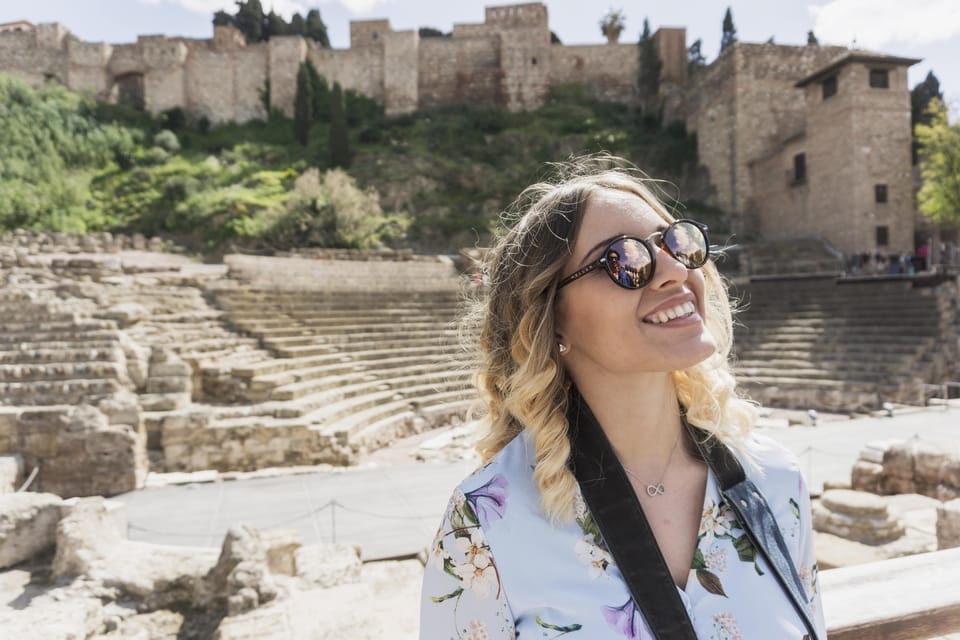
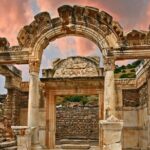
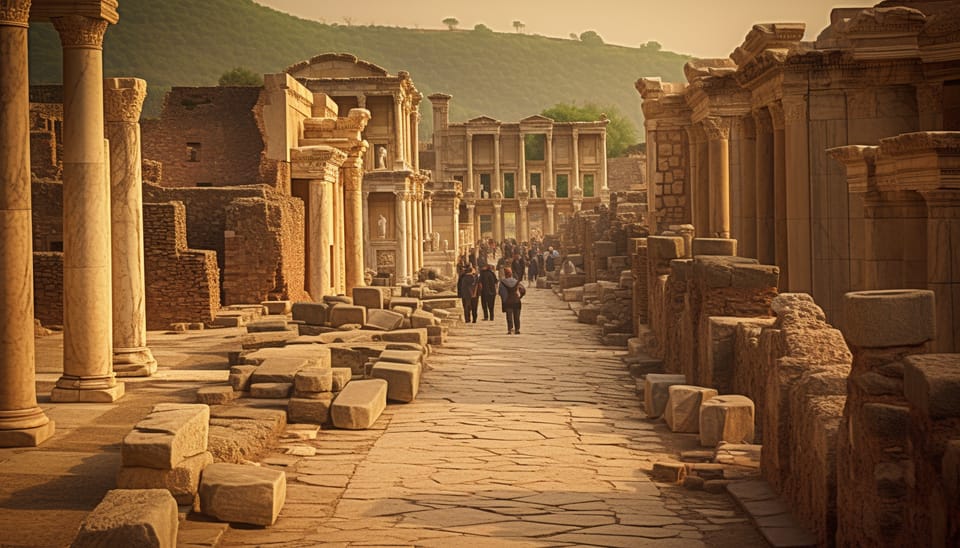
Ephesus is why you’re here. The ancient city was Greek first, then became a major Roman metropolis, and you feel that layering everywhere you look. You’ll move through classic highlights that most people dream about: Library of Celsus, Temple of Hadrian, the Trajan Fountain, the Ancient Greek Agora, and the Great Theater.
Here’s what each stop is good for, and what to be mindful of:
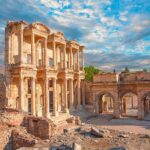
Celsus Library
This is the stop that grabs you immediately. Even in partial remains, it’s one of the most recognizable facades from the ancient world, and it gives you a sense of how important public knowledge and status were. It also helps you understand the Roman habit of making power look permanent.
Hadrian’s Temple and the marble street feel
As you walk through the ruins, you’ll see the city’s “show” elements—columns, civic spaces, and the kind of stonework built to impress. The guide’s job here is to translate stone into story: who built what, who benefited, and how everyday city life likely ran.
Agora (Greek public space)
The Agora is the “people lived here” moment. Even without every structure intact, it makes the ancient city feel less like a museum and more like a living place where merchants, citizens, and visitors all mixed.
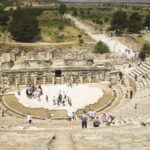
Great Theater
This is the biggest emotional punctuation mark. You’ll stand in the same space where the itinerary notes St. Paul once preached. Even if you don’t go in expecting theology, the theater shows you the scale of public speaking and gatherings in the ancient city. Bring water and plan for steps and uneven ground around the seating area.
One practical detail: tripods are not allowed at Ephesus, but cameras are welcome. If you like steady shots, plan to use a small handheld method or your phone on a stable surface.
House of the Virgin Mary: a quieter stop with a different kind of meaning
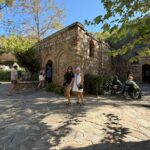
After the stone and crowds of Ephesus, the House of the Virgin Mary changes the mood. This is described as a sacred pilgrimage site connected to the belief that Mary spent her last years there. Even if you approach it from a non-religious angle, it’s still a powerful “shift gears” moment.
I like this stop because it’s not just sightseeing. You’re encouraged to slow down in a calmer setting and reflect on historical and religious significance. For many people, it feels like a break from the “go, go, go” intensity of ancient ruins.
What to expect practically: you’ll still be walking, but the pacing feels gentler. If you’re someone who can’t stand rushing through spiritual spaces, this tends to be the relief portion of the day.
Temple of Artemis: why seeing only the ruins still makes sense
The Temple of Artemis is one of the Seven Wonders of the Ancient World, but you’re not going to get a whole intact monument. What you will get is context. The surviving remnants don’t look like the famous images in guidebooks, but they let you connect the dots: a wonder doesn’t need to survive perfectly to matter.
This stop is most valuable when you think of it like this: you’re looking at the “after” of a once-massive site. Without the full structure, your guide’s explanation becomes the bridge between what’s left and what once stood here.
If you love myths, architecture, or the idea of ancient cities competing for prestige, this works. If you only want big ruins with lots of standing columns, you might feel the scale is less dramatic than Ephesus. The upside is that you understand why Artemis was important in the first place.



Isa Bey Mosque and the Selçuk workshop stop: variety, plus a sales reality check
Not every Ephesus day trip includes a mosque. This one does, and that’s a win for variety. You’ll pass the İsa Bey Mosque, a historic site from the 14th century that reflects early Turkish and Seljuk design elements.
This stop does two things:
- It breaks up the ancient Greek/Roman theme
- It gives you a sense of how long the region has been shaped by different cultures
Then the tour usually ends with Selçuk shopping plus a local artisan workshop. The workshop is selected by your guide based on group interests, and you can be looking at ceramics, leather, or carpet.
Here’s the balanced truth: this part can be fun if you like watching craft work happen in front of you. One reviewer highlighted leather and carpet demonstrations, and others appreciated the guide-led explanations around the items. But another reviewer felt the shopping portion could become intense, especially around trying to sell higher-priced goods.
So go in with a plan. If your goal is learning and you want to buy only if something truly fits your budget, you’ll enjoy it more. If you hate being followed closely while shopping, set expectations early with the group and keep your boundaries firm.
What the $22 price tag means for your day (and how to get the best value)
Cruise excursions often look cheap until you see what’s not included. Here, the base price is listed around $22 per person, and the tour includes pickup/drop-off, ground transportation, and a professional guide. Entrance fees are listed as included only if you select the option that adds them.
That’s the practical decision point:
- If entrance tickets are included for your option, you get the most “one price” experience.
- If they’re not included, you should budget for paid entries during the tour. The guide uses skip-the-line Ephesus tickets, but you’ll still be responsible for those site costs.
If you’re traveling as a couple and you don’t want surprises, I’d lean toward the option that includes entrance fees when available. It reduces day-of friction and lets you focus on walking and listening instead of doing quick currency math while tired.
Either way, you’re paying for convenience. This is not a “rent a car and DIY everything” day. The value is in coordination: cruise timing, transport, guiding, and getting you back to port on time.
Who should book this Ephesus, Artemis, and Mary trip
This tour suits you if:
- You want the biggest Ephesus highlights without worrying about navigation or timing
- You like guided context that makes ruins easier to understand
- You want one religious-pilgrimage stop plus a mix of Turkish architecture in the same day
- You’re comfortable walking on uneven stone and stairs
Skip it (or choose a different format) if:
- You use a wheelchair or have mobility impairments, since it’s listed as not suitable for wheelchair users
- You need long seated time between stops
- You dislike shopping pressure, because the Selçuk workshop portion can feel pushy for some people
Also, it’s designed specifically for cruise passengers, and pickup/drop-off is only from Kusadasi Port. If you’re staying in the area pre-cruise or post-cruise, you might find other tours with more flexible timing. For a day in port, this one is built for the job.
Practical tips to make the day smoother
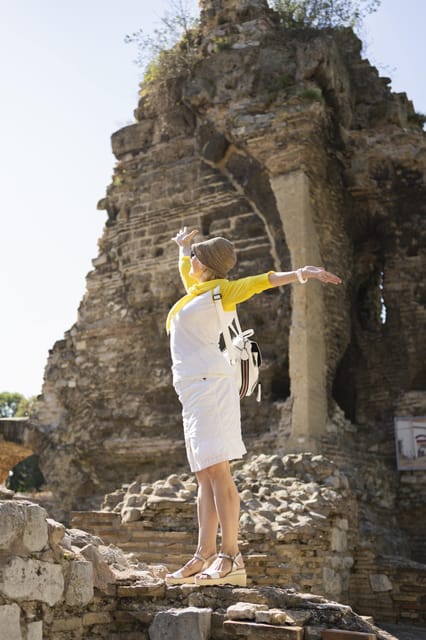
A few small prep items help a lot:
- Wear comfortable shoes with grip. Ephesus is stone, and you’ll be moving from stop to stop.
- Bring sunscreen. You’ll be outside for most of the day.
- Bring your passport or ID card.
- Plan for no lunch and no beverages included, so eat beforehand or carry what you’re allowed to carry.
Photography-wise, you can bring cameras, but remember no tripods at Ephesus.
If you’re doing this from a cruise, keep your morning straightforward: hydration, hat if you use one, and arrive at the meeting spot on time so you don’t start the day stressed.
Should you book this Kusadasi Port tour?
I’d book this if your priority is a guided, time-efficient “greatest hits” day from Kusadasi Port: Ephesus first, then the House of the Virgin Mary, plus Temple of Artemis and İsa Bey Mosque for variety. The guides (people like Ali, Aydin, Errol, Kai, and others) seem to make the difference by turning what could be confusing ruins into a day you can actually follow.
I wouldn’t book it if you hate any shopping element or you get easily irritated by added costs. The entrance fees question and the workshop stop are the only real friction points I see from the details you’re given.
If you want, tell me your cruise port day and how many hours your ship allows for excursions. I can help you decide whether this tour’s rhythm fits your style of travel.
FAQ
How long is the Kusadasi Port Ephesus, Artemis and Virgin Mary tour?
The tour duration is listed as 7 hours.
Is lunch included?
No. Beverages and lunch are not included.
Does the tour include entrance fees?
Entrance fees and museum tickets are included only if you choose the option that includes them. If you choose the option that excludes entry tickets, you pay the guide directly in euros, dollars, or Turkish Lira.
What languages is the guide available in?
The live tour guide is available in English and Spanish.
Where do I meet the guide at Kusadasi Port?
You meet your guide at the exit of the immigration gate at Kusadasi Cruise Port. Your guide holds a sign with your name and arrives about 30 minutes early.
Is the tour wheelchair accessible?
No. The tour is not suitable for people with mobility impairments and wheelchair users.