REVIEW · KUSADASI
From Kusadasi: Ephesus and Pamukkale 2 Day Private Tour
Book on GetYourGuide →Operated by Moira Travel Agency · Bookable on GetYourGuide
History hits hard on day one. This 2-day private tour pairs Ephesus (amphitheater, Roman baths, Agora, and major temples) with Pamukkale (white travertine terraces and Hierapolis ruins), and it’s guided in English by professionals like Erdem Eryılmaz or Alex. I also like the fact that you get a full, structured day on the ground—plus a local lunch stop and even artisan time for handmade carpet/rug craft.
Only one real caution: entrance fees and lunch aren’t included, so you’ll want to budget for those and be ready to handle admissions smoothly. Also, while wheelchair accessibility is listed, the tour notes it’s not suitable for people with mobility impairments—so check details carefully before booking.
In This Review
- Key highlights to know before you go
- Two days that actually feel like two days: Ephesus then Pamukkale
- Getting picked up in Kusadası or Selçuk (and why it matters)
- Day 1 at Ephesus: where the city shape tells the story
- The big monuments you’ll want to spot
- A guide can make or break Ephesus
- Lunch stops and local carpet art: a smart pause (with a budget note)
- Day 2: Pamukkale travertines and Hierapolis ruins
- Start with the terrain: walking barefoot on the travertines
- Hierapolis: the necropolis and ancient city walk
- The optional ancient pool swim: planning the part that’s not included
- Skip-the-ticket-line and entrance fees: how to avoid day-of stress
- Price and value: $650 per group up to 5, and what you get for it
- Who this tour is best for (and who should consider alternatives)
- Should you book this Ephesus and Pamukkale private tour?
- FAQ
- How long is the tour?
- Where do you get picked up?
- Is the tour in English?
- Are entrance fees included?
- Is lunch included?
- Can I swim in Pamukkale?
- What should I bring for the days of walking?
Key highlights to know before you go
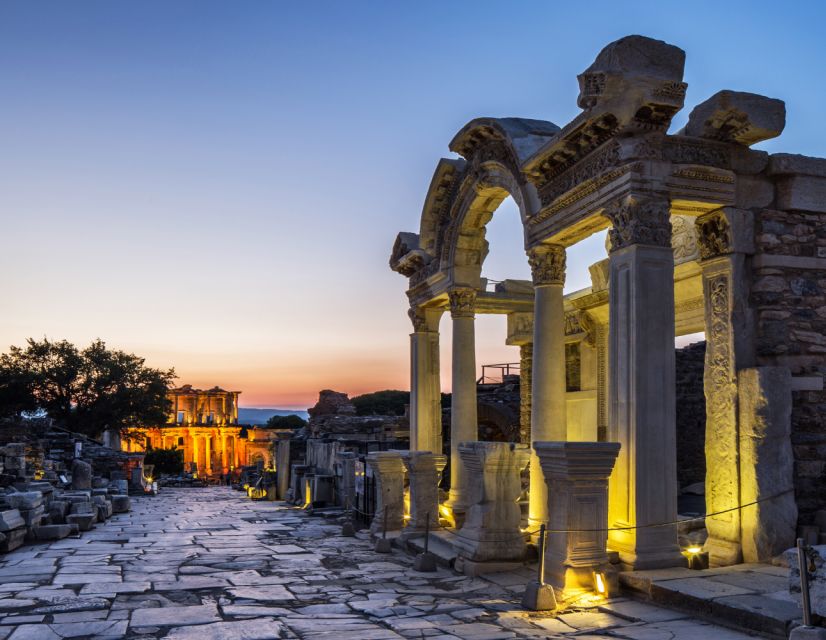
- Ephesus in full context, including major monuments and the city’s Christian pilgrimage importance
- Hierapolis plus the necropolis, not just a quick terrace photo stop
- Travertines at Pamukkale, walking on warm mineral terraces where shade is limited
- Optional ancient pool swim (naturally heated, with submerged marble fragments), but not included
- Skip-the-ticket-line, which helps when you’re moving between sites
Two days that actually feel like two days: Ephesus then Pamukkale
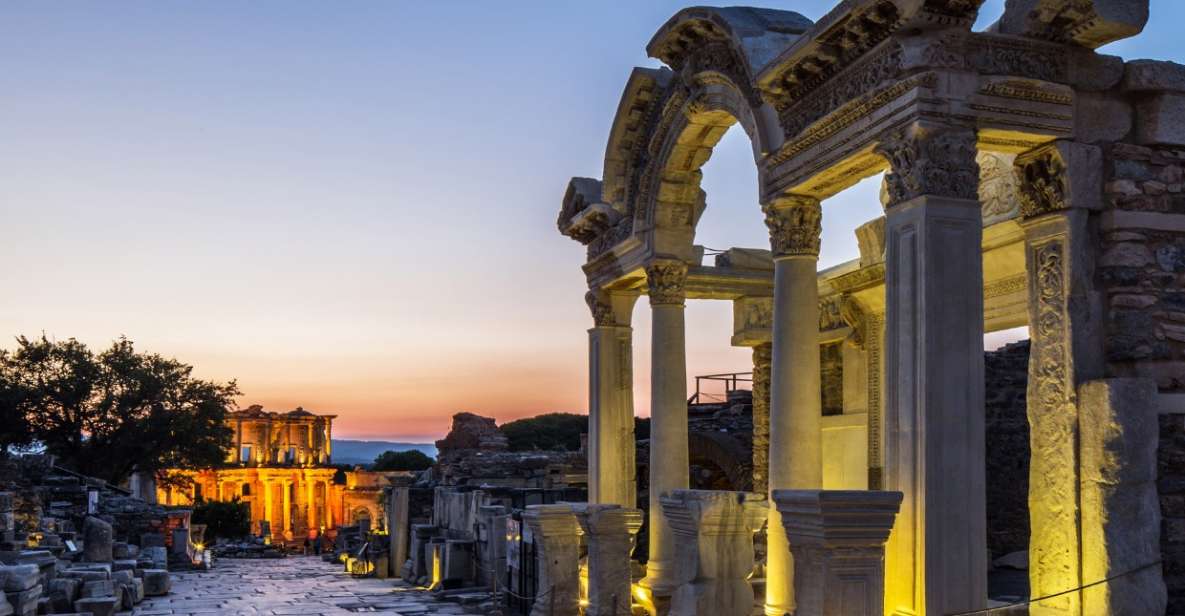
This isn’t a rushed “drive-by history” itinerary. You’re looking at two distinct places that each deserve real time: Ephesus for Greco-Roman urban life and religious layers, and Pamukkale/Hierapolis for the mineral terraces and a sprawling ancient city with a large cemetery area.
From the start, your day is built around getting you from Kusadası (or Selçuk) and back with comfortable air-conditioned transport and a driver who handles the driving. For many people, that’s the hidden value: you’re not doing intercity logistics, you’re just visiting.
The rhythm is also practical. You tour, you stop for a local lunch, and you end the day without the stress of figuring out routes or timing. The order can shift to avoid traffic, and it can even be adjusted to meet your needs—just know that your schedule might move slightly.
You can also read our reviews of more private tours in Kusadasi
Getting picked up in Kusadası or Selçuk (and why it matters)
The pickup is one of the easiest wins on this tour. If you’re staying in Kusadası or Selçuk, you should expect hotel or port pickup included. That reduces one of the most annoying parts of Turkish sightseeing: coordinating taxis, finding meeting points, and losing time to transfers.
You also get a private-group setup, so the pace and the guide’s attention are usually easier to manage than with bigger tours. English is covered by a live guide, and the format is designed to keep you moving while still letting you ask questions.
One small planning note: the tour order may change to avoid traffic congestion. That’s common on the Aegean coast, and it’s typically for the better—more time in the sites, fewer wasted minutes on the road.
Day 1 at Ephesus: where the city shape tells the story
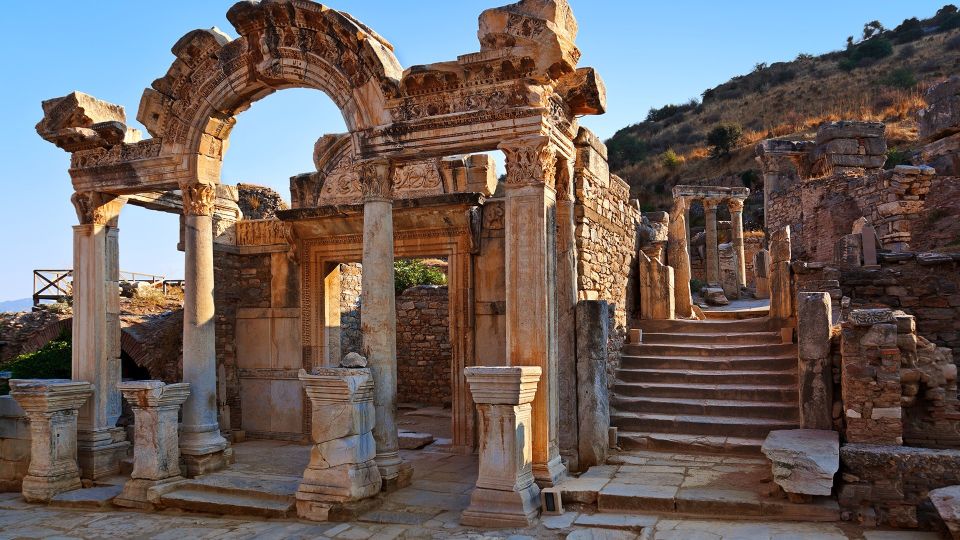
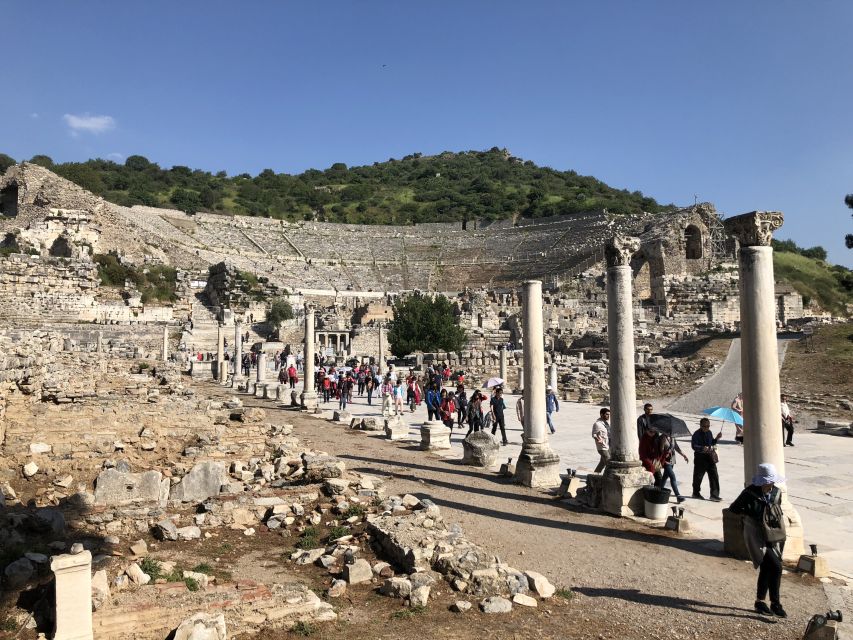
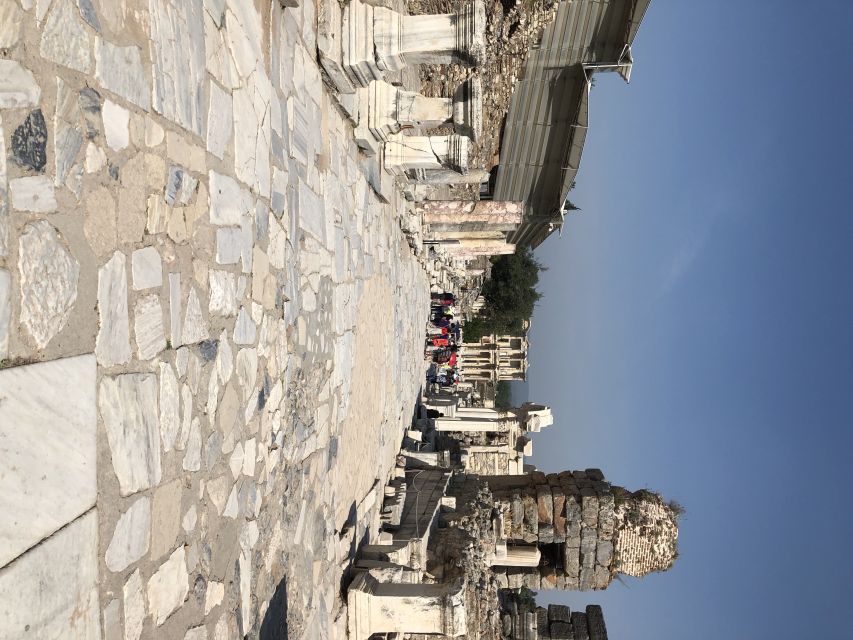
Ephesus is the kind of place that makes you understand why ancient cities still matter. You’re not just seeing stones; you’re seeing how public life worked, how religion was practiced, and how power was displayed.
The big monuments you’ll want to spot
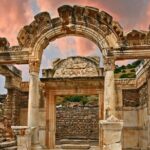
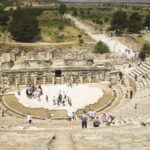
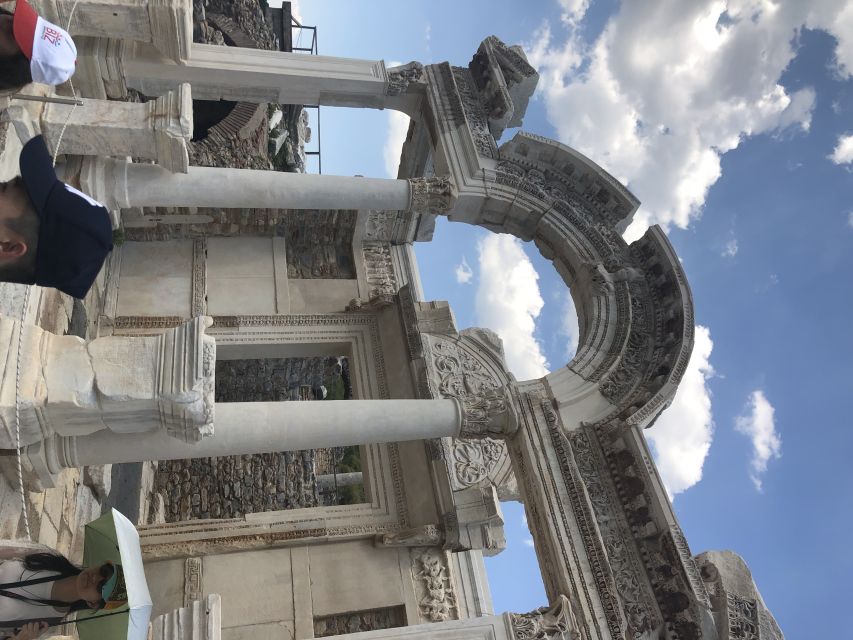
Your Ephesus day includes a guided circuit through major sights, including:
- The amphitheater, a reminder that entertainment and public gatherings were central
- Roman baths, showing daily life and engineering habits
- Agora, where civic identity would have been on display
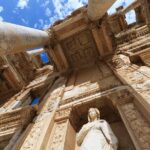
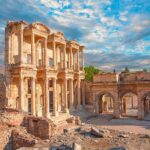
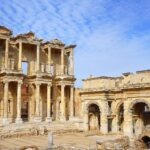
- Ancient temples and the Library of Celsus area, which helps you read the city as more than a ruin field
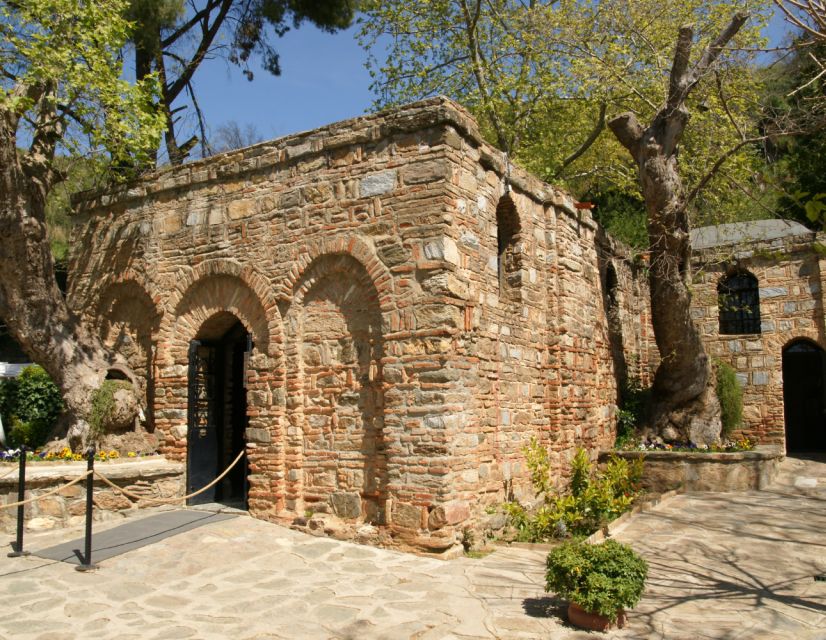
You’ll also get the religious layer. This area has deep Christian connections and has served as a pilgrimage center. That matters because it changes how you look at ruins. Instead of only “Greek and Roman,” you start noticing how later communities kept these spaces alive through belief and memory.
A guide can make or break Ephesus
This is one of those tours where the guide’s approach matters. In this offering, you may be led by specialists such as Erdem Eryılmaz or Alex—both highlighted for how they explain details and connect the sites to the bigger picture. A strong guide also helps you avoid getting stuck in the “photo only” loop.
If you’re the type who likes to ask what you’re looking at and why it’s arranged that way, you’ll probably appreciate the way the tour is structured around meaning, not just landmark names.





Lunch stops and local carpet art: a smart pause (with a budget note)
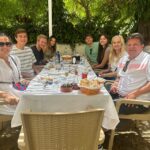
Between Ephesus sights and later on the Pamukkale day, you’ll have a local lunch stop. The tour info lists lunch as not included, but the day structure clearly expects you to eat as part of the plan—so treat lunch as something you’ll pay for unless your specific booking says otherwise.
One local touch is visiting carpet and rug artisans. This isn’t just a souvenir stop. Handmade rug work in Turkey is a skill tradition with real cultural weight, and seeing the process helps you understand why rugs cost what they do.
In at least one version of the experience, lunch was organized at a place called Turkmen Carpet, which suggests you may be paired with a local craft setting as part of the food-and-stops rhythm. If you care about craftsmanship beyond shopping, this is a nice added layer.
Day 2: Pamukkale travertines and Hierapolis ruins
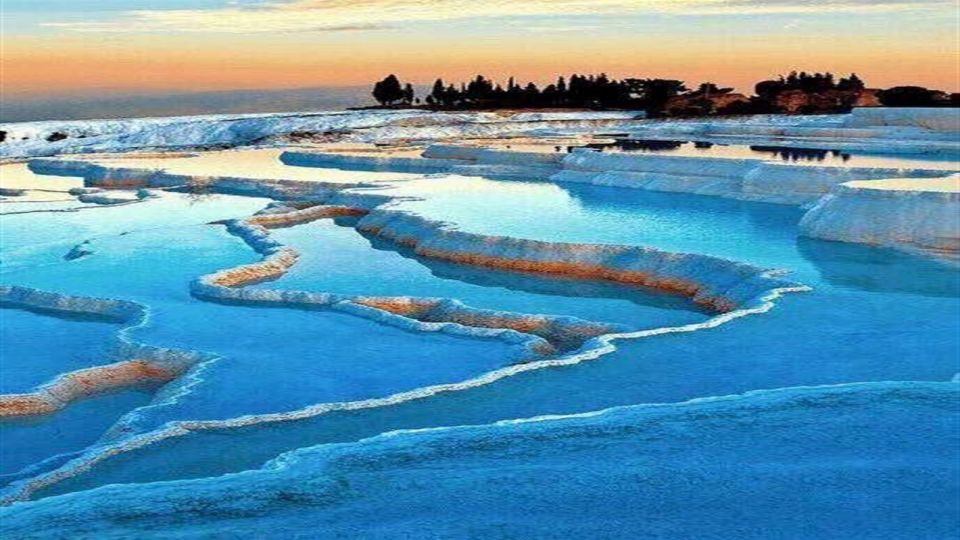
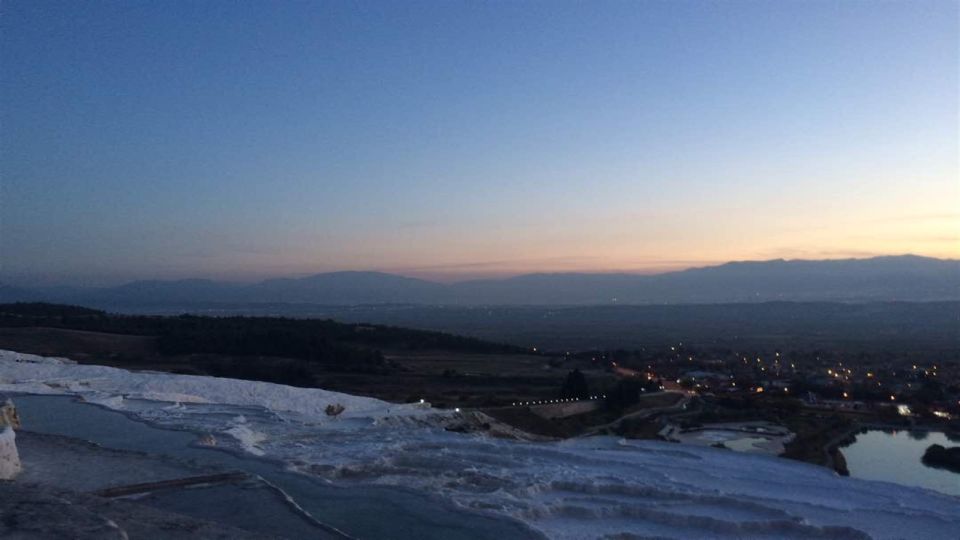
Pamukkale is the kind of sight that makes you understand why people come back to Turkey. The white terraces aren’t just pretty—they’re mineral formations formed by spring-fed water. Walking them is part museum visit, part natural site experience.
Start with the terrain: walking barefoot on the travertines
A key feature here is the chance to walk on the travertines barefoot as you explore the area. The warmth from the natural spring is part of what makes Pamukkale feel different from standard ruins days.
It also means you should plan your body for it:
- Wear comfortable footwear elsewhere, but don’t forget you’ll be barefoot on the terraces
- Bring sunglasses, and expect limited shade
- Pack a hat and plenty of sunscreen, because the day can feel exposed
Hierapolis: the necropolis and ancient city walk
After the terrace walk, you’ll move into Hierapolis and see:
- The ancient city ruins
- The large necropolis, which is an enormous cemetery area tied to the way the city shaped life and death around the site
For many people, this is the emotional pivot of the tour. Ephesus gives you the energy of public city life. Hierapolis shifts the mood toward scale—how big communities were, and how deeply people organized their lives around the landscape.
The optional ancient pool swim: planning the part that’s not included
There’s an optional swim experience available at Pamukkale. The pool is described as naturally heated from hot springs and includes fragments of ancient marble columns underwater. There’s also a possible connection to the Temple of Apollo, though the key point for you is the unique atmosphere: you’re swimming in a spot that feels directly connected to the site’s ancient purpose.
The important practical detail: the swim isn’t included in the tour itself. So if you want it, you’ll need to plan for it separately.
Two practical tips before you decide:
- Think about comfort and timing. A swim can add time, and you’re already spending hours walking the terraces and ruins.
- Bring what you need for a pool stop, because the tour info specifically notes what to bring for walking outdoors (sunglasses), and swimming needs extra items you may have to bring yourself.
Skip-the-ticket-line and entrance fees: how to avoid day-of stress
This tour advertises skip-the-ticket-line, which is a real time-saver when you’re visiting major sites back-to-back. Still, it’s crucial to know what’s not covered.
Entrance fees are listed as not included, and lunch is also not included. That doesn’t mean you won’t get stops for both. It means you should expect to pay on your side during the day, based on the exact fees for your entry set.
One reason skip-the-line matters so much: if you arrive ready to walk, you don’t lose energy during ticket bottlenecks. Your best move is simple—plan to have a workable payment method for admissions and keep a little flexibility in your day pacing.
If you’re traveling with a tight schedule, the private format helps because your guide can help manage the flow inside the sites, even when you’re paying at different points.
Price and value: $650 per group up to 5, and what you get for it
The price is $650 per group up to 5 for a 2-day private tour. The value depends heavily on who’s in your group and how much you’d otherwise spend on:
- Transport between sites
- Guided interpretation in English
- A structured itinerary that covers Ephesus and Pamukkale rather than picking just one
If you have a full group of five, the cost spreads out and starts looking like a smart way to see both places without turning your trip into a logistics puzzle. If you’re traveling solo or as a couple, it can still be worth it if you value privacy and time efficiency, but you’ll want to compare it to what you’d pay for two separate day tours or self-guided transport.
A small caution for value planning: because entrance fees and lunch aren’t included, your total spend will be a bit more once you add those. Treat the $650 as the “guided transport + guide” price, then budget for the site entries and meals.
Who this tour is best for (and who should consider alternatives)
This is a strong match if you:
- Want a private-group experience with English guidance
- Have limited time and want both Ephesus and Pamukkale in one trip window
- Prefer a guided structure over trying to connect buses, taxis, and ticket lines yourself
- Enjoy historical sites that include both architecture and religious context
It’s also ideal for solo travelers who want a guide-led day without dealing with planning on the spot. In an example guide experience, a solo traveler was given ample time to enjoy Ephesus without feeling rushed, and a guide named Alex was praised for clear English and informative detail.
Consider another option if:
- You’re very limited on walking or mobility needs. The tour info includes a note that it’s not suitable for people with mobility impairments, even though wheelchair access is mentioned—this mismatch is exactly why you should ask direct questions before booking.
- You’re trying to keep costs super low. With lunch and entrance fees extra, you’ll spend more than the headline number.
Should you book this Ephesus and Pamukkale private tour?
If you’re choosing between doing only Ephesus or only Pamukkale, this is a compelling way to get the best of both worlds in two days. The guide-led experience helps you read ruins with context, and the tour structure keeps you moving without making the trip feel like a checklist. I’d especially recommend it if you like having your day organized so you can focus on what you’re seeing rather than the logistics of getting there.
I’d book it when: you want Ephesus + Hierapolis with an English guide, you’re okay paying separately for entrances and lunch, and you’re interested in the optional warm pool experience. I’d be more cautious if you have mobility limits or if you’re counting every dollar and want food and ticketing bundled into one price.
FAQ
How long is the tour?
It’s a 2-day private tour covering Ephesus on the first day and Pamukkale/Hierapolis on the second.
Where do you get picked up?
Pickup is included from your hotel or port in Kusadası or Selçuk.
Is the tour in English?
Yes. The tour includes a live English-speaking guide.
Are entrance fees included?
No. Entrance fees are not included, even though the tour notes that you can skip the ticket line.
Is lunch included?
Lunch is not listed as included. The schedule includes local lunch stops, so you should budget for lunch unless your booking details say otherwise.
Can I swim in Pamukkale?
You can swim in an ancient, naturally heated pool, but the swim is not included in the tour.
What should I bring for the days of walking?
Bring sunglasses. You should also wear comfortable shoes and bring a hat and plenty of sunscreen since shade is limited.