REVIEW · GAZIPASA
From Alanya: Gazipşa Hole Sea and King’s Bay Tour
Book on GetYourGuide →Operated by SENCAP İRFAN TURİZM · Bookable on GetYourGuide
Roman ruins and hole-sea views in one day. This Gazipşa tour is interesting because it mixes ancient city ruins with the dramatic Delik Deniz Hole Sea rock-and-water show, then slows down for a cave stop and a beach reset. If you like learning while you move, this one has that teacher vibe, with guides who explain the Roman/Greek story behind the stones.
I especially like two things: the Delik Deniz natural formations (the hole, the lagoon, and that photo-friendly bridge view) and the Yalan Dünya Cave, where you’re surrounded by stalactites and stalagmites. One drawback to think about: the day involves walking and some uneven ground, and it’s not a fit if you have back or mobility issues or if you don’t plan to swim.
In This Review
- Key things worth clocking before you go
- A day east of Alanya: Gazipşa, Syedra, and Antiochia Ad Cragum
- Delik Deniz Hole Sea: the rock that looks like a cave full of sea water
- The cave side of the day: Yalan Dünya and its stalactites
- Koru Beach natural pools: where you slow down and actually relax
- Syedra and Aytap ruins: why the context makes the day click
- Price and what you really get for $47
- Logistics that affect your comfort: shoes, sun, and swim gear
- The guide experience: like a history teacher, not a script reader
- Photography and photo pauses: when the day feels tailor-made for your camera
- Who should book this tour (and who should skip it)
- Should you book the Gazipşa Hole Sea and King’s Bay Tour?
- FAQ
- Where is the Gazipşa Hole Sea and King’s Bay tour located?
- How long is the tour?
- What is the price?
- What’s included in the tour price?
- Are drinks included?
- Is swimming part of the experience?
- What languages is the guide available in?
- What should I bring?
- Is smoking allowed?
- Who is the tour not suitable for?
Key things worth clocking before you go
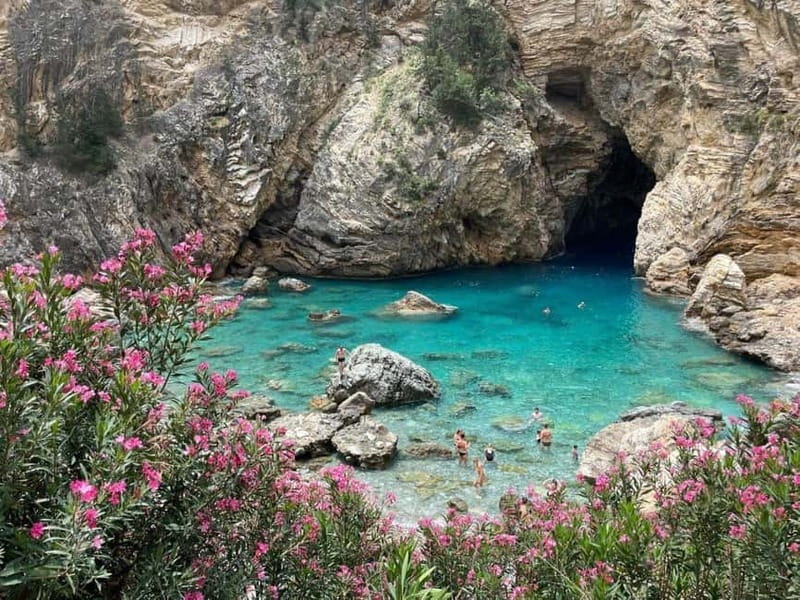
- Delik Deniz Hole Sea: a sea-filled rock opening formed by erosion, made for photos and quiet nature time
- Antiochia Ad Cragum and Syedra-style ruins: Roman-era scenery with views that explain why people built here
- Yalan Dünya Cave: stalactites and stalagmites as a real change of pace from daylight
- Koru Beach natural pools: rocky shore relaxation plus a swim option in calmer water pockets
- A guide who answers questions: expect clear explanations of Roman/Greek culture, not just facts read from a card
A day east of Alanya: Gazipşa, Syedra, and Antiochia Ad Cragum
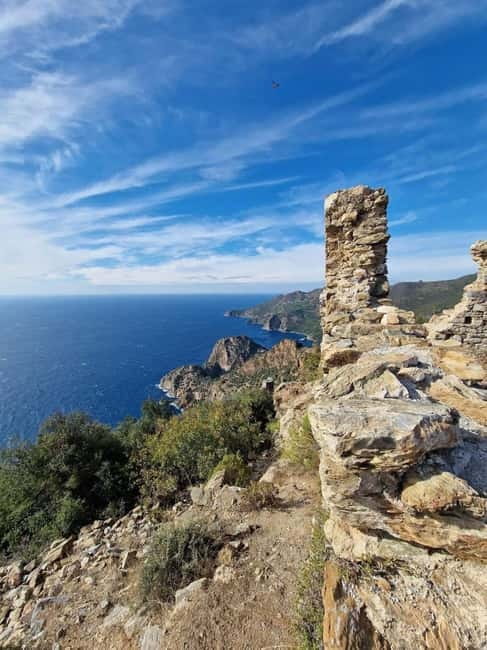
This tour takes you from Alanya into Antalya Province’s Gazipşa area. Hole Deniz is about 60 km from Alanya, and the Delik Deniz region sits roughly 20 km east of Gazipşa. That distance matters because you’ll get a proper change of scenery, not just a half-hour scenic drive and back.
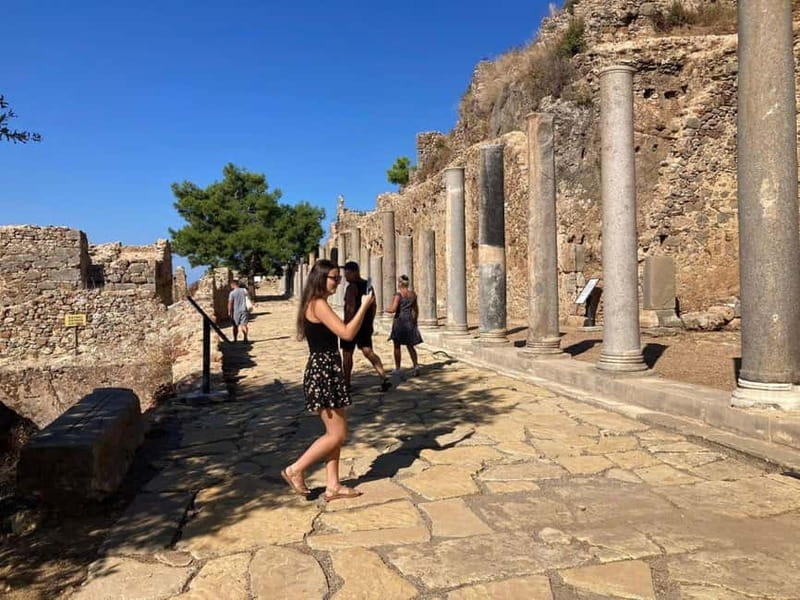
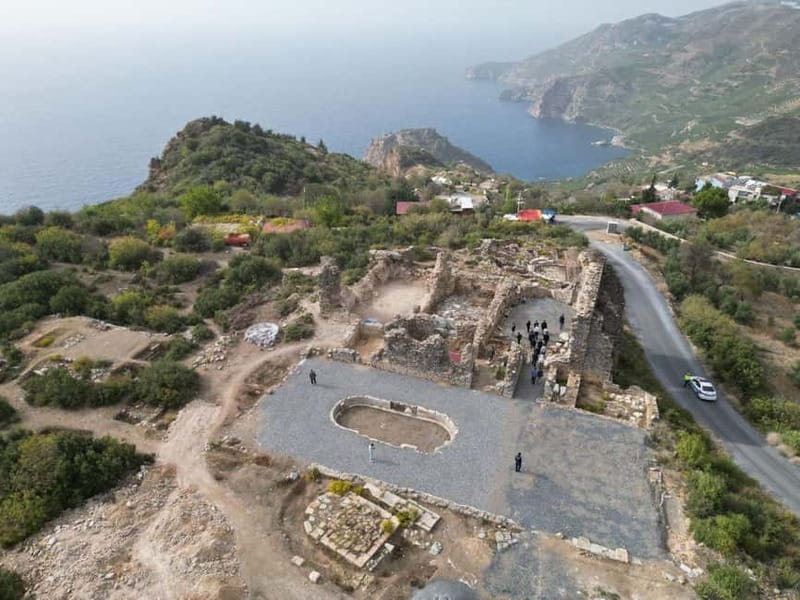
The history part starts with ancient ruins in the Syedra and Aytap area, and also includes the Roman city of Antiochia Ad Cragum. What I like about this setup is that you see ruins in a landscape context. From where these cities were placed, you can understand how sea trade, water access, and coastal defense shaped Roman-era life. Even if you’re not a “stand still and read plaques” person, the views help you connect the dots fast.
You’ll also spend time on walkable paths around the sites for photos. Do expect sun and heat in this part of Turkey—especially if you’re there mid-summer—so the advice to bring a hat, water, and sunscreen isn’t optional fluff. It’s the difference between enjoying the stops and just trying to survive them.
One thing to keep in mind: the tour’s strengths are ruins + outdoors. That means there’s no avoiding movement. Comfortable shoes are a must.
You can also read our reviews of more tours and experiences in Gazipasa.
Delik Deniz Hole Sea: the rock that looks like a cave full of sea water
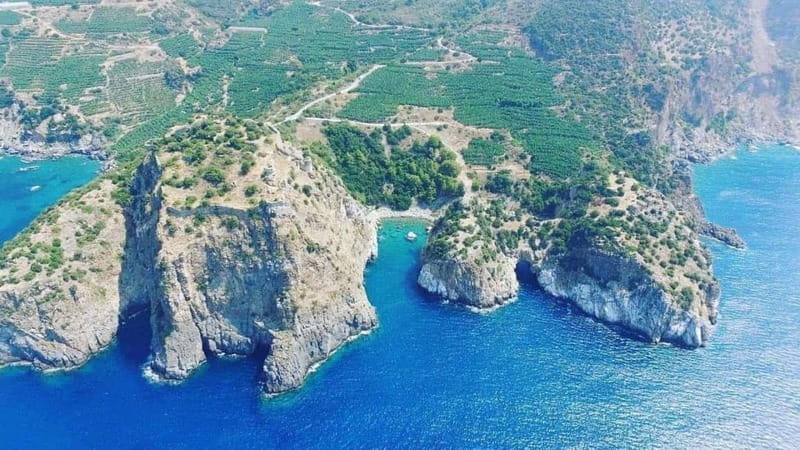
Delik Deniz is the big “wow” nature moment, and the name itself gives you the idea: it’s tied to a large hole formation between rocks. From there, the visuals do their job—Hole Deniz looks like a cave filled with sea water. It’s not a staged attraction. It’s the result of erosion over time, which is why it feels slightly wild and unrepeatable.
This is also where photographers tend to gather. Even if you don’t care about camera angles, it’s worth showing up with enough time to pause. The views shift as you walk a bit: from the hole opening itself to surrounding vantage points where you can see the natural lagoon layout and a natural bridge.
That “walk the surrounding paths” time is more valuable than it sounds. You get to pick the angle that works for your photos and your comfort level, without being forced to sprint from point to point. And because it’s an outdoors stop, it breaks the day into sections—history, then water-and-rock nature, then later cave and beach.
If you want the best swim conditions, bring swimwear. The tour includes time to enjoy the coves and water scenery, and this is one of the moments where jumping in (if you’re comfortable as a swimmer) feels like the reward for all that walking.
The cave side of the day: Yalan Dünya and its stalactites
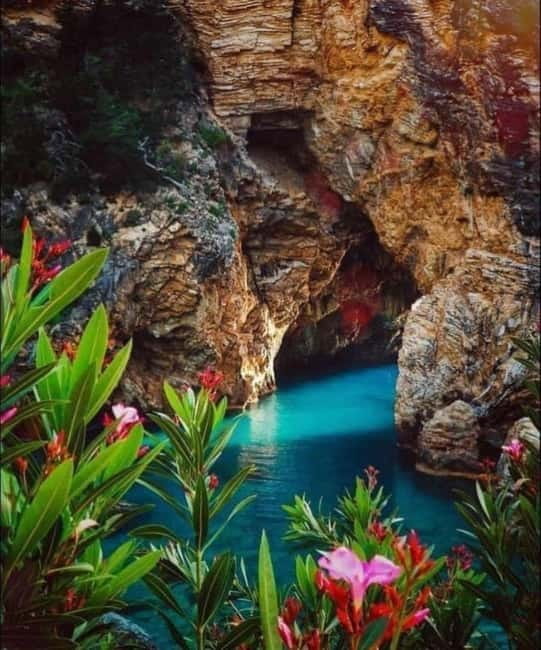
After the outdoor views, the day flips indoors-ish with the Yalan Dünya Cave visit. The main appeal here is visual: fantastic stalactites and stalagmites. Caves do something subtle but powerful to your sense of time. You stop thinking about the next photo and start noticing shapes and textures.
The tour also includes cave entry and related cave access as part of what you pay. That’s important for value, because caves often have separate fees or require you to sort tickets yourself. Here, you show up and go.
One practical thought: caves can feel cooler than the sun outside, but you’ll still want clothes that can handle uneven paths and changeable temperatures. The official advice is to wear comfortable shoes—and that holds here too, because cave walkways and surrounding access can be rocky.
If you’re the type who likes a guided interpretation, caves are a good match. A good guide doesn’t just point at formations; they help you understand how the cave “built itself” over time and why the shapes look the way they do.
Koru Beach natural pools: where you slow down and actually relax
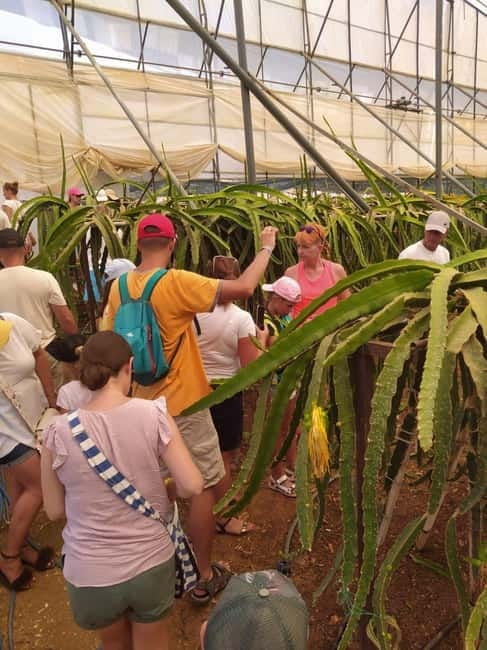
By the time you reach the beach portion, the day usually feels like it’s reached the “okay, breathe” stage. Koru Beach offers rocky shore relaxation, plus natural pools that make swimming feel more controlled than open surf.
This is a great contrast stop. The morning can be ruins and viewpoints. The afternoon (or later portion) becomes a softer rhythm: sit, take a breather, then choose whether you want to swim in the pools.
If you’re traveling with someone who’s not the biggest fan of caves or ruins, a beach moment helps. And for people who are fine with a packed day, the pools can feel like the best payoff—cool water after hot walking.
Do remember the tour isn’t for non-swimmers. Even if the pools look calm, you’re still expected to be comfortable enough for the water time included in the experience.
Syedra and Aytap ruins: why the context makes the day click
Ancient cities can feel like “rocks and columns” if you don’t get context. The difference here is the way the guide explains what you’re seeing. The Roman/Greek culture focus isn’t vague. You’ll get clear, structured explanations that connect why cities were placed where they were, and how they related to the sea and local geography.
I also like that the day isn’t only about finished monuments. On at least one version of this experience, you might see archaeologists working during excavations. That changes the feeling instantly. It reminds you that history here isn’t just a museum label—it’s an ongoing process.
Aytap and Syedra aren’t just stops to check off. They’re the “why” behind the landscape. When you pair ruins with the same day’s dramatic natural features—Hole Deniz, lagoon views, cave formations—you end up with a more complete sense of how humans and nature shape each other in this corner of Turkey.
Price and what you really get for $47
The price is listed as $47 per person for a 1-day tour. For that amount, you’re getting a surprisingly full package: guide, insurance, and pickup-drop off, plus lunch. Cave access is also included, including cave entrance and cave-related fees.
Drinks are not included. Non-alcoholic drinks start from about 3€ to 4€ (based on the listed price range). If you like bottled water or frequent sips in hot weather, it’s smart to budget a little extra.
Here’s my value take: this isn’t just a “ride to a viewpoint” day. It’s a guided history + nature + cave + beach mix, and the included lunch is a real time-saver. Without that, you’d spend more on meals and waste daylight.
Also, the multi-language guide support (German, Russian, English) helps keep the experience comfortable. When you understand the story being told, the day feels less like a scramble and more like a lesson you can enjoy.
Logistics that affect your comfort: shoes, sun, and swim gear
This tour is one day, but it’s not a lazy one. The “what to bring” list is the right priorities: comfortable shoes, hat, swimwear, camera, sunscreen, and water.
A quick way to make the day easier:
- Wear footwear you trust on uneven ground
- Bring sunscreen you’ll actually reapply
- Pack a hat that covers your face, not just the top of your head
- Keep water where you can access it fast
The tour also notes restrictions: smoking and consuming food and drinks are restricted during the tour. If you’re the kind of person who snacks constantly while walking, plan to wait for lunch or bring what you’re allowed to bring for your own comfort.
Finally, this one is not suitable for pregnant women, people with back problems, mobility impairments, or non-swimmers. If any of these apply, it’s worth considering an easier day in the Alanya area instead.
The guide experience: like a history teacher, not a script reader
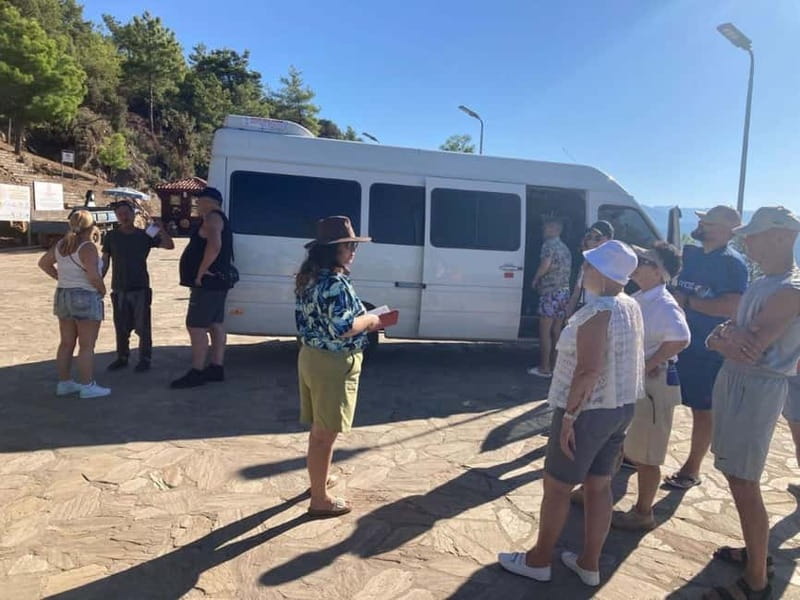
One of the best parts of this tour is the guide style. The feedback highlights guides who explain Roman and Greek culture like a teacher—clear, confident, and willing to answer questions. That’s exactly what you want on ruins days, because ruins don’t come with obvious “read this” signs everywhere.
Also, guides here handle the pace well enough for families. One recent highlight described the tour as especially engaging for a child, with the day including both abandoned-city-style exploration and water stops with crystal-clear views.
If you’re traveling with mixed interests—someone who wants history and someone who wants scenery—you’ll likely feel good about the balance. The history is there, but the natural stops keep it from becoming one long “walk and listen” session.
Photography and photo pauses: when the day feels tailor-made for your camera

Delik Deniz is the photo magnet. It’s famous enough that photographers frequently visit, and that’s for a reason: the hole opening, lagoon feel, and natural bridge views create strong compositions.
You also get walk-time around paths, which matters because you’re not always stuck at a single spot. You can find a safer, more comfortable vantage point and still get great framing.
Then the cave brings a different kind of photography challenge. Lighting is darker and the formations are more about texture than brightness. If you like photos, it helps to bring a camera you know well—so you’re not troubleshooting settings while you’re standing in the cave’s low light.
Who should book this tour (and who should skip it)
This is a strong match if you want:
- A guided history day that includes real ancient ruins
- Dramatic nature scenery with a chance to swim
- A cave experience with stalactites and stalagmites
- A single-day itinerary that covers multiple “Alanya area” highlights without extra planning
I’d skip it if:
- You don’t swim and the water time doesn’t work for you
- You have back problems or mobility limitations, because walking is part of the program
- You’re traveling with someone who gets stressed by uneven ground or heat
If you’re on the fence but still excited, think about the sequence: ruins first, then Hole Deniz views and water, then cave, then beach pools. It’s varied, so the day stays interesting even when the sun is intense.
Should you book the Gazipşa Hole Sea and King’s Bay Tour?
If you’re the type of traveler who likes your day to have both story and scenery, yes—book it. The combination of Roman ruins, the distinctive Delik Deniz Hole Sea, the Yalan Dünya Cave formations, and the option to swim at Koru Beach makes it feel like more than the sum of its stops.
You might want to reconsider if you’re sensitive to walking time or you’re not comfortable in the water. But if you can handle a full day outdoors and you enjoy learning while you travel, this tour is excellent value for $47—especially with lunch and cave access included, plus pickup and a guide who actually teaches.
FAQ
Where is the Gazipşa Hole Sea and King’s Bay tour located?
It takes place in Antalya Province, around Gazipşa. Hole Deniz is about 60 km from Alanya, and Delik Deniz is about 20 km east of Gazipşa.
How long is the tour?
The tour lasts 1 day.
What is the price?
The price is listed as $47 per person.
What’s included in the tour price?
Included items are insurance, a guide, pickup-drop off, lunch, and cave entry/cave entrance/cave fees.
Are drinks included?
No. Drinks are not included, and non-alcoholic drinks start from about 3€ to 4€.
Is swimming part of the experience?
The tour includes swimming time at the water stops, and it’s recommended for those who wish to swim. It is not suitable for non-swimmers.
What languages is the guide available in?
The live tour guide is available in German, Russian, and English.
What should I bring?
Bring comfortable shoes, a hat, swimwear, a camera, sunscreen, and water.
Is smoking allowed?
No. Smoking is not allowed during the tour.
Who is the tour not suitable for?
It’s not suitable for pregnant women, people with back problems, people with mobility impairments, and non-swimmers.