Small ruins, big feelings. This Fethiye day strings together inner village life and Cadianda ancient ruins with an English-speaking guide who explains what you’re looking at. It’s the kind of trip that makes you slow down and pay attention, not just take photos.
I really like the free admission to the major sites and the fact that every stop has a clear “why” behind it—villages, ancient cities, then water and local flavors. I also love the food-and-drink break at the end, especially kar şerbeti (snow sherbet), a proper local ritual in the hills.
One consideration: the day can stretch to about 7–8 hours once you factor in photo stops and walking. Also, it’s not a flip-flop kind of outing—bring warm layers and good shoes for uneven ground up in the mountains.
In This Review
- Key highlights you’ll remember
- Why This Inner-Turkey Route Feels More Real Than a Checklist
- Pickup, Timing, and How the Day Really Plays Out
- Yesiluzumlu: Stone Houses, Weaving, and the Wine-Neighbor Feeling
- Cadianda Ancient City: Pine Forest Ruins and a Story-Driven Walk
- Araxa Antik Kenti: A Quick Stop That Still Teaches You How to Read Places
- Ören Canyon Springs: Cool Water, Optional Trout, and Real Village Calm
- Kemer (Fethiye Seydikemer): The Snow Sherbet Break That Feels Like a Ritual
- Mehmet’s Guiding Style: Friendly, Professional, and Good at Linking Stone to Meaning
- Price That Makes Sense for What You Get: $88.63 and Free Entries
- What This Tour Is Best For (and Where It Might Not Fit)
- Should You Book Inner Turkey Villages Nature and History?
- FAQ
- What time does the tour start, and how long is it?
- Do you get hotel pickup?
- Are entrance fees included?
- Is lunch included?
- What language is the tour in?
- How many people are in the group?
- What should I wear or bring for the hills and walking?
- Is the tour air-conditioned?
Key highlights you’ll remember
- Yesiluzumlu village with stone houses, weaving traditions, and homemade wine culture
- Cadianda (Cadianda) Ancient City in pine forests, with temples, baths, and a stadium walk
- Ören canyon springs where you can cool off in stream water (and choose trout at a riverside spot)
- Kar şerbeti at Kemer (mountain snow + fruit syrup) for a real local taste
- Small-group feel (up to 18), plus a chance of a near-private day in quieter seasons
- Mehmet’s guiding style—clear stories about history and architecture, delivered in friendly English
Why This Inner-Turkey Route Feels More Real Than a Checklist
This isn’t one of those “bus, stamp, move on” tours. You’re moving through working village settings and then stepping into quieter layers of the Lycian world. In a place like Fethiye, where it’s easy to get stuck in the beach rhythm, this kind of day gives your trip more texture.
I like that you don’t just see ruins—you understand why they mattered, what you’re looking at, and how the sites connect to the mountain region around them. And because the route includes water and local food, you get a break from strict history mode. One hour you’re thinking about ancient stonework; the next, you’re wading your feet in cool spring flow.
You can also read our reviews of more tours and experiences in Fethiye.
Pickup, Timing, and How the Day Really Plays Out
The tour starts around 9:00 am and runs about 6 hours on paper. In practice, expect 7–8 hours, especially if you’re the type who pauses for views (you will) and takes time at each stop.
Pickup is offered from many popular bases: Ölüdeniz, Ovacık, Hisarönü, Fethiye, and Çalış. That matters, because it keeps the day stress-free. You show up, get driven into the hills, and the day stays focused.
Group size is capped at 18 travelers, so it’s not a mega-coach situation. In quieter months, you may even end up with a much smaller group feel. That’s a big deal on a history-and-nature day, because it means more time for questions and less rushing.
Yesiluzumlu: Stone Houses, Weaving, and the Wine-Neighbor Feeling
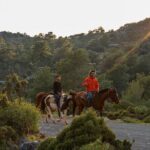
Your first village stop is Yesiluzumlu (Üzümlü Village), tucked in the mountains. This is the part of the day where the atmosphere turns from tourist to neighborly.
What makes Yesiluzumlu special is the combination of:
- Stone houses and narrow village streets that feel unhurried
- Weaving traditions, giving you a window into crafts that don’t disappear just because the world modernized
- Homemade wines, which fits the broader culture of small-scale production in rural Turkey
You’ll have about 1 hour here. That’s enough time to walk, slow down, and notice details without feeling like you’re missing the next stop. The village setting also helps you reset between archaeological sites—your brain gets a breather before the ancient-city part of the day.
Tip: bring something that makes you comfortable in the village streets. If it’s cool, you’ll still want layers; if it’s sunny, you’ll want sun protection for the walkways.
Cadianda Ancient City: Pine Forest Ruins and a Story-Driven Walk
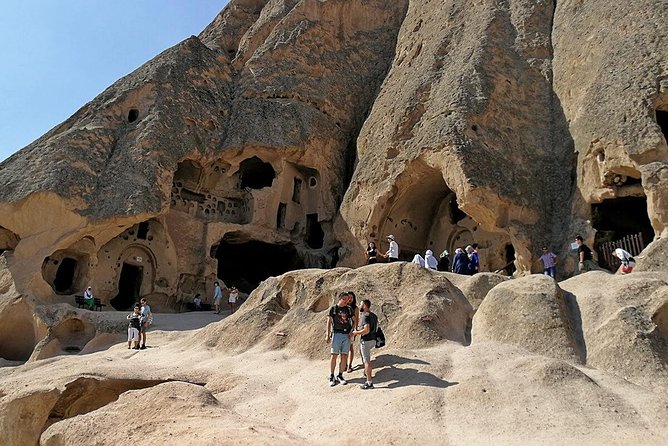
Next up is Kadyanda (Cadianda) Ancient City, another 1-hour stop. This one is surrounded by pine forests, so even before you reach the stones, the air and shade make the visit feel different from a hotter, open-site ruin.
Cadianda is “hidden” in the sense that it’s not always on the top of everyone’s list. But that works in your favor. You’re walking among remains of:
- Temples
- Baths
- An ancient stadium
The best part is how the guide frames it. You don’t just read signs—you get the stories and legends connected to the city and the region. Stones stop being “random rocks” and start being architectural clues.
Also, a small-group pace here is ideal. Ruins are one of those things where stopping matters. You’ll want moments to look up, find the shape of what’s left, and let the guide’s explanation land.
Araxa Antik Kenti: A Quick Stop That Still Teaches You How to Read Places
You only spend about 15 minutes at Araxa Antik Kenti. The ruins here are described as modest, but that short stop isn’t wasted.
This kind of “in-between” site is useful because it teaches you how to see what’s left behind:
- You learn to recognize that not every Lycian settlement looks like a major tour-stop
- You get context for why some places fade from attention while still being part of the ancient settlement web
Even with limited time, the guide shares the legends and stories. For me, the value of these micro-stops is that they make the main sites feel less isolated. You start seeing the region as a connected chain, not a set of unrelated postcards.

Ören Canyon Springs: Cool Water, Optional Trout, and Real Village Calm
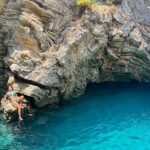
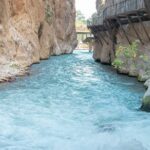
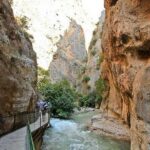
Then comes one of the most refreshing parts of the day: Ören and its canyon with crystal-clear spring water. You get about 2 hours here, which is great because you can actually slow down.
This stop is built around a simple idea: you don’t have to imagine nature here—you can feel it. The water is cool enough that you can even walk in the stream. That’s the kind of “body experience” you rarely get on standard archaeology trips.
You also have an option to pause for lunch at a local riverside restaurant. If you choose to eat there, you’re offered freshly caught trout in a calm village setting. Lunch isn’t included, and there’s no guarantee of specific pricing, so plan on paying for your meal on the day if you go.
What to do here:
- Use the time to cool off and regroup
- Take your time around the water area
- If you’re not hungry, you can still enjoy the setting and save your appetite for later
Kemer (Fethiye Seydikemer): The Snow Sherbet Break That Feels Like a Ritual
Finally, you reach Kemer, in the Fethiye Seydikemer area, for about 20 minutes. This is the short stop that can be the highlight.
You’ll taste kar şerbeti, also called snow sherbet. It’s made with mountain snow and fruit syrup—a sweet, cool drink that tastes like a local tradition, not a tourist souvenir.
Because the stop is short, it works well as a closing moment. You’re still in the mood from the canyon and then you end with something distinctively regional.
Small advice: even if the day has warm moments, hills can turn cool. One review specifically recommended warm clothes and walking shoes (not flip-flops). If you follow that, you’ll enjoy the whole day more.
Mehmet’s Guiding Style: Friendly, Professional, and Good at Linking Stone to Meaning
A big reason this tour earns such strong praise is the guide. Mehmet comes through again and again in the feedback—professional, friendly, and focused on explaining history and architecture in a way that actually sticks.
What I like about guides like this is the balance:
- He doesn’t overwhelm you with facts
- He explains what you’re seeing and why it matters
- The result is that the ruins feel less dead and more human
That storytelling is especially important for places like Cadianda and the smaller ruins. Without it, you’d be staring at fragments wondering what your photos are supposed to represent. With it, you start recognizing patterns: how baths were set up, what a stadium meant in a city, and how temples fit into the civic world.
Price That Makes Sense for What You Get: $88.63 and Free Entries
At $88.63 per person, the price can look like a lot until you map it to what’s actually included.
You get:
- Air-conditioned vehicle
- Tour guide
- Entrance fees (and in practice, admission is free for the stops)
Then there are the big value drivers:
- You’re covering multiple locations in one efficient day
- You’re not arranging rides between remote village and ancient sites
- You’re getting explanations in English, so you’re not left guessing
What’s not included is mainly the stuff you control:
- Lunch (optional trout meal)
- Soda/pop
- Alcoholic beverages
So the “real” cost depends on what you choose to eat and drink at Ören. But the core sightseeing day is well structured for the price.
If you’re comparing to independent taxi-and-entry DIY, this is the kind of trip where a guided route often wins because you pay in time and stress. Here, you pay in money and get a smoother day.
What This Tour Is Best For (and Where It Might Not Fit)
This tour fits best if you want:
- Village culture plus history in one day
- Less crowded sites and a calm pace
- A guide who helps you read the ruins instead of just passing them
You’ll also appreciate it more if you’re comfortable with:
- Walking in villages and through ancient sites
- Uneven ground in hillside areas
- Cooler temperatures if you’re going outside the peak season
Consider skipping (or at least think twice) if you want:
- A long, relaxed beach-style day
- Lots of guaranteed shopping time
- A day designed around a heavy meal—because lunch is optional and not built into the included portion
Should You Book Inner Turkey Villages Nature and History?
If your ideal Fethiye day includes villages, ruins, and a real local taste, then yes—this is a strong pick. The mix of Yesiluzumlu, Cadianda, a short stop at Araxa, the Ören spring-water canyon, and the kar şerbeti finish gives you variety without feeling chaotic.
Book it if you also value a guide who makes the sites understandable. With Mehmet leading, the storytelling appears to be a core strength. And with a cap of 18 people, you’re usually not stuck in a noisy, rushed crowd.
If you’re sensitive to long drives, uneven walking, or you dislike winter-cool hills (or you’re going during a time of changing weather), pack accordingly and be ready for a day that leans active.
FAQ
What time does the tour start, and how long is it?
It starts at 9:00 am. The duration is listed as about 6 hours, though the day can run closer to 7–8 hours depending on breaks and photo time.
Do you get hotel pickup?
Yes. Pickup is available from hotels in Ölüdeniz, Ovacık, Hisarönü, Fethiye, and Çalış.
Are entrance fees included?
Yes. Entrance fees are included, and the stops are presented as having free admission.
Is lunch included?
Lunch is not included. There may be an optional stop at a riverside restaurant at Ören where you can order freshly caught trout.
What language is the tour in?
The tour is offered in English.
How many people are in the group?
The tour has a maximum of 18 travelers.
What should I wear or bring for the hills and walking?
Wear walking shoes and bring warm clothes, especially if you’re visiting in cooler months. Avoid flip-flops for the hillside walking.
Is the tour air-conditioned?
Yes. Transport includes an air-conditioned vehicle.