REVIEW · BODRUM
Cooking Class in Authentic Etrim Village
Book on Viator →Operated by Onelli Travel · Bookable on Viator
A village kitchen beats a hotel demo every time. This Etrim Village cooking day puts you with locals—plus you’ll help with real steps like rolling, stuffing, and bread prep—then sit down to a home-style lunch. You’re also getting more than food: a guided look at village life around Bodrum.
I like that the menu is built around the Aegean olive-oil style of Bodrum and Etrim: vegetables, herbs, vine leaves, figs, and lots of seasonal produce. I also like that it’s flexible enough for vegetarians, and that you’re not just eating something good—you’re learning how village ingredients turn into dishes you can recognize at home.
One thing to consider: a 6-hour half-day can’t teach full Turkish cuisine start-to-finish, and you may spend some time watching or repeating a few focused tasks rather than doing every step yourself. Also, English translation quality seems to vary by day, so if you care about ingredient explanations, plan to ask questions early.
In This Review
- Key highlights you should care about
- Why Etrim Village Cooking Beats a Standard Bodrum Food Tour
- The 6-Hour Timing and What the Pace Feels Like
- Village Stops: Getting Context Before You Cook
- The Real Cooking Part: Mezes, Dolma-Style Rolling, and Stuffed Mains
- Bread, Wood Fire, and the Stuff You Actually Remember
- Lunch at a Home-Style Table: Seasonal Vegetables and What Comes Out
- Diets, Vegetarian Options, and How Flexible the Menu Really Is
- Price and Value: What $59.64 Covers in a Real Village Day
- Language, Guide Presence, and the Key Practical Tip
- Who Should Book This Cooking Class (and Who Might Not Be Happy)
- Should You Book Cooking Class in Etrim Village?
- FAQ
- Where is the tour meeting point in Bodrum?
- How long does the Cooking Class in Etrim Village take?
- Is the experience offered in English?
- Is this tour private?
- What’s included in the price?
- Is lunch included?
- Are alcoholic drinks included?
- Is the course vegetarian-friendly?
- What dishes does the class focus on?
- What is the cancellation policy?
- How far in advance should I book?
Key highlights you should care about
- Village-sourced ingredients like olive oil, figs, vegetables, herbs, and vine leaves
- Hands-on tasks such as rolling grape leaves, prepping dough, and helping with bread steps
- Wood-fire cooking included for parts of the food and bread
- Seasonal lunch in a home setting with what you cooked plus more village dishes
- Aegean-style mezes and mains like stuffed peppers and vegetable pie
- Vegetarian-friendly menu tuning, based on diet requests
Why Etrim Village Cooking Beats a Standard Bodrum Food Tour
Bodrum’s famous for sea views and beach lunches, but this kind of day flips the script. You’re in Etrim village, which means you get food the way it’s grown and handled locally, not the way it’s plated for tourists.
What really makes the experience feel different is the “village with you” approach. You don’t just arrive, cook, and leave. You’re guided through everyday life—gardens and neighborhood rhythms show up in what you end up cooking. And because the people teaching you are from the same village, the day feels personal in a practical way: you’ll hear what goes into the food and why certain ingredients matter.
The food focus is also grounded. Aegean cooking around Bodrum leans hard on olive oil, vegetables, herbs, and vine leaves, with fruits like figs showing up when they’re in season. That means you’re not learning some far-fetched dish that needs special imports. You’re learning a style that makes sense with what grows nearby.
If you’re looking for a day that feels like a real local meal, not a performance, this is a strong pick.
You can also read our reviews of more cooking classes in Bodrum
The 6-Hour Timing and What the Pace Feels Like
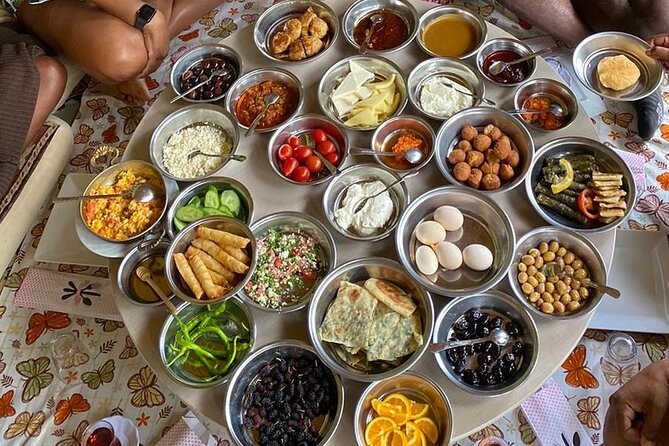
This is about 6 hours, give or take, and it’s designed as a full day with one big arc: travel out to Etrim, cook together, then eat together, then head back to the meeting point.
That time window matters because it shapes what hands-on means here. You’ll likely get a burst of active work—rolling, cutting, stirring, bread-dough handling—followed by meal time where you get served lunch. In other words, you should expect a mix of participation and instruction, not a slow classroom where every single step is taught in depth.
Transport is included via an air-conditioned vehicle and a local driver/guide, so you won’t be stuck arranging a ride into the countryside. You do start from Bodrum at the address listed for the tour meeting point near Umurca, Üçkuyular Cd. No:7 D:1b, 48400 Bodrum/Muğla.
At the end, the experience returns you back to the meeting point. It’s the kind of day that works well if you want something cultural that still leaves your evening open.
Village Stops: Getting Context Before You Cook
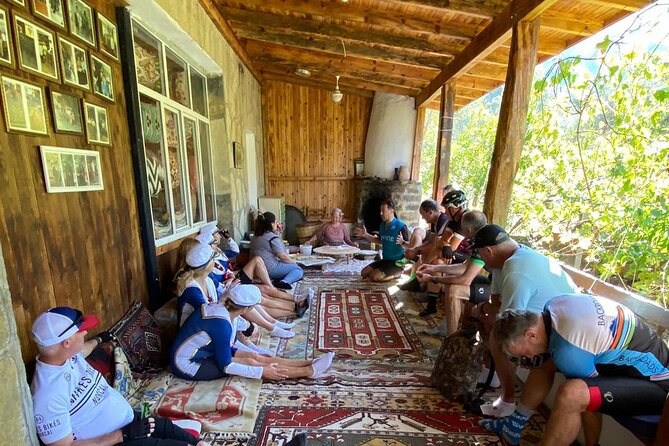
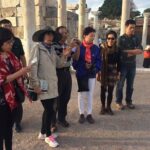
You start by getting oriented in the village setting. In past runs, people have been guided through the village and invited to see how houses and daily life work, including a visit inside a village mosque, which is different from what you’d see in central Bodrum.
Then there’s the key idea: you’re shown where ingredients come from. The experience emphasizes village gardens and nearby sourcing—olive oil, figs, vine leaves, and vegetables pulled from local availability. Even if you already know Turkish food conceptually, seeing the village side helps you understand why the cooking is built around fresh produce and what’s practical in the seasons.
This context also makes the kitchen time make more sense. When you learn how to handle grape leaves (dolma-style) or how stuffed vegetables come together, you’re not just following a recipe. You’re learning how villagers use what they have.
Expect friendly hosts and lots of conversation. In one highlight, the guide even shared stories about Bodrum, the village, and Turkey, which turned the walk into something more than a quick intro.
The Real Cooking Part: Mezes, Dolma-Style Rolling, and Stuffed Mains
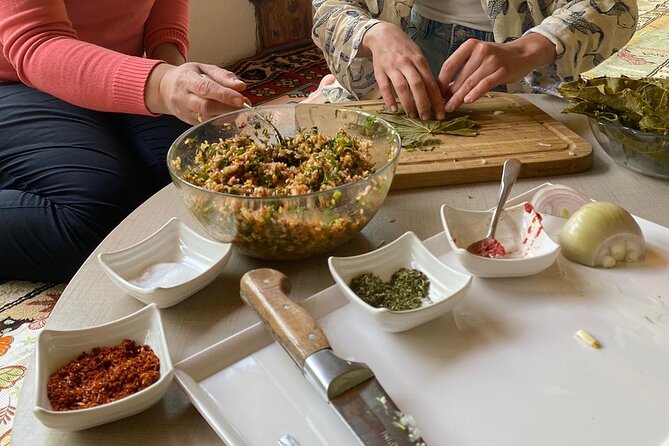
Here’s where your day becomes a skills session. The focus is on practical Turkish village cooking steps, especially the Aegean favorites.
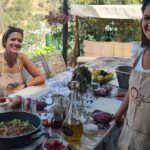
You can expect mezes at the start—about 4–5 meze-style items—and you’ll be shown how to prepare them in a tapas-like approach. Mezes are a perfect training ground because they’re flexible: the point is technique and flavor, not just one dish.
Then you’ll likely get into the hands-on work that visitors highlight most:
- Rolling grape leaves (often called dolma in Turkish contexts)
- Stuffed pepper and vegetable pie preparation steps
- Cutting vegetables like squash/pumpkin, then using those parts in dishes that show up in the meal
- Handling dough and rolling items; some participants have even helped with steps like bread dough and cheese-roll style tasks
Wood-fire cooking also shows up for parts of the food and bread. That matters because bread and hot dishes behave differently with live heat—there’s a sensory difference you can’t replicate at home without the right setup. Even if you only participate briefly, it makes the experience feel authentic.
One fair heads-up: not every step may be fully start-to-finish for you personally. Some people experience more active rolling and dough work than others, and a few report that certain fillings or components are already prepared. That doesn’t mean it’s a waste—it can still teach you the flow and technique—but if you’re coming specifically for deep, every-step instruction, set your expectation to learn by doing in chunks.
Also, the amount of repeated work can be intense. One person joked about doing an enormous number of dolma, which is common in village cooking—food for family and visitors adds up fast. If you’re sensitive to long repetitive tasks, plan for that.
Bread, Wood Fire, and the Stuff You Actually Remember
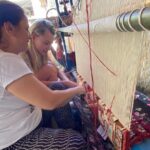
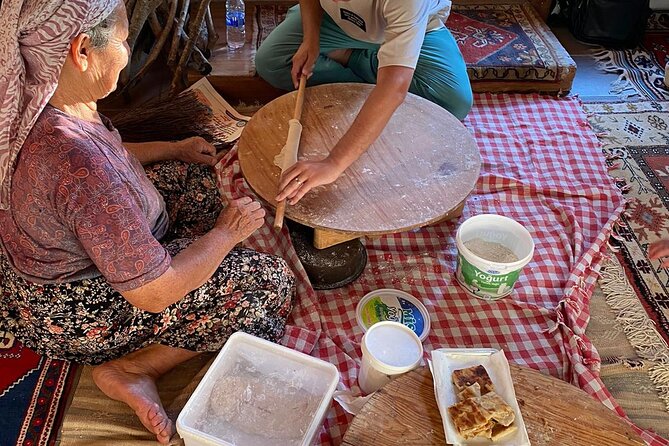
Bread is a big deal here. The experience includes some bread prep connected to wood fire, and you may have a chance to take part in rolling or shaping dough steps.
That’s one of the most memorable parts of this kind of tour because it turns cooking into a tactile memory. You’re not just tasting; you’re feeling the dough, seeing how it changes, and learning what “done” looks like when it’s cooking over heat rather than in a controlled oven environment.
You may also encounter multiple breads, depending on the day. Some participants remember rolling bread dough and baking it on the fire, and others mention participating in dough tasks while also watching bread production alongside the kitchen team.
Even if your hands don’t do everything, you’ll likely come away with a mental checklist you can use later: texture cues, timing cues, and the way the village kitchen handles bread as part of a full meal—not a side thought.
A few more Bodrum tours and experiences worth a look
Lunch at a Home-Style Table: Seasonal Vegetables and What Comes Out
After the cooking, you sit down for lunch prepared with what the village does best: seasonal vegetables and a home-style layout.
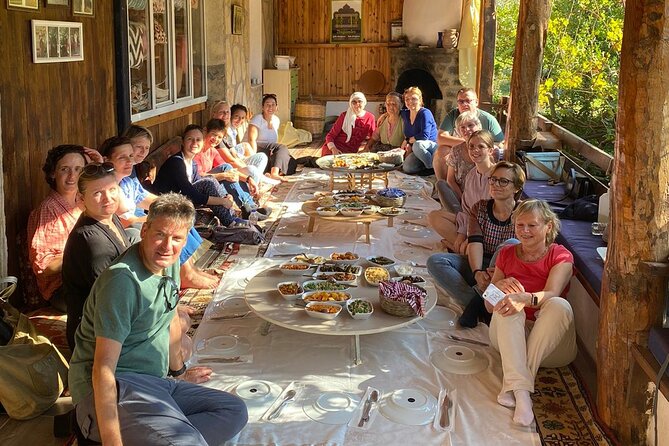
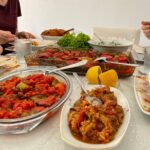
Lunch is described as being served in an authentic home, with locals preparing seasonal fresh vegetables. You also eat what you cooked together, alongside other dishes that round out the meal. This is where you’ll taste the village approach to flavor.
Expect the lunch to include:
- Mezes (starter-style)
- A main like stuffed pepper and vegetable pie
- Bread (including wood-fire portions)
- Drinks such as local wine or beer, plus soft drinks
Important value note: the overview mentions village wine, but the included list says alcoholic beverages aren’t included. So you can plan on soft drinks or included non-alcoholic options, and if you want wine, treat it as an extra you choose to buy/try rather than something bundled for free.
You’ll also have bottled water, plus coffee and/or tea included. It’s a nice touch because you end the day with something warm rather than just leaving straight after the meal.
Several people describe the food as amazing and very fresh, and that matches the ingredient sourcing idea: olive oil, vegetables, herbs, figs, and vine leaves are the heart of the menu. The meal isn’t just tasty; it’s coherent. Everything connects back to the village pantry.
Diets, Vegetarian Options, and How Flexible the Menu Really Is
This experience says it can tailor cooking courses to suit a wide variety of diets, and it explicitly notes that vegetarians are welcome.
In practice, that means you should be comfortable booking even if you don’t eat meat, as long as you communicate your needs at booking. The sample menu centers on vegetable-forward dishes anyway: vegetable pie, stuffed peppers, mezes, and vine-leaf style options are all natural fits for vegetarian variations.
If you’re avoiding dairy, gluten, or specific ingredients, you’ll want to ask what substitutions are possible. The tour data confirms diet tailoring, but it doesn’t list specific restrictions beyond vegetarian welcome. So go in with clarity about your needs, and ask for a direct answer.
That said, the way Aegean village cooking works—vegetables, herbs, olive oil—gives you a strong chance of finding satisfying dishes without feeling like you’re being handed a bland replacement.
Price and Value: What $59.64 Covers in a Real Village Day
At $59.64 per person, you’re paying for more than a cooking demo. You’re getting:
- An English-offered local driver/guide
- Air-conditioned vehicle for transport
- Bottled water
- Coffee and/or tea
- Soda/pop
- A full lunch
- A group format (with private-only-for-your-group language also provided)
Value-wise, the biggest cost drivers are usually transport and time. Many “food experiences” in tourist areas don’t include a full meal or don’t include proper guidance. Here, lunch is included, and you get a village-based day instead of a city kitchen where ingredients are shipped in.
Is it perfect value if you’re only interested in one dish? Probably not. But if you want a day that blends village context, hands-on steps, and a real meal, the price starts to look fair.
Also, it’s booked around 40 days in advance on average, which usually signals steady demand rather than last-minute bargain pricing. If you want your preferred date, don’t wait until the week before.
Language, Guide Presence, and the Key Practical Tip
English is offered, and one guide name shows up in feedback: Tony. People have described him as fluent and careful, including sharing stories during the day.
Still, one important consideration comes up: the translation and guide presence may not stay consistent the entire time in the kitchen. Some participants report that a guide or translator stepped away, making it harder to ask questions or get ingredient details. When you’re rolling, stuffing, and learning technique, the difference between a helpful instruction and a silent workaround is huge.
So here’s your practical move: if you care about learning, ask early for a simple plan—what you’re making first, what ingredients you’re using, and what each step should look like. If you’re in a private group, you can also politely request that an English-speaking guide stays present during the most hands-on portion.
If you’re more relaxed—happy to participate and eat, even with limited explanation—then the day should still feel worthwhile. The food quality and village warmth often carry it.
Who Should Book This Cooking Class (and Who Might Not Be Happy)
This suits you if:
- You want a Bodrum day beyond the beach
- You like hands-on cooking tasks such as rolling, stuffing, and dough work
- You enjoy Aegean flavors: olive oil, herbs, vegetables, vine leaves, figs
- You want a guided village visit, not just a meal
You might not love it if:
- You’re expecting a full recipe-by-recipe cooking school where you repeat every step from start to finish
- You need constant, detailed English translation for each ingredient and action
- You dislike repetitive tasks, since some dishes (like dolma) can involve a lot of repetition
The good news: the format is friendly. People have described the hosts as welcoming and the experience as heartwarming and down to earth. Even when the instruction level varies, the day tends to leave you with memories you can’t buy at a restaurant.
Should You Book Cooking Class in Etrim Village?
I think you should book this if your idea of a good day in Bodrum includes real food, real people, and a hands-on meal at the end. The combination of village sourcing, wood-fire elements, and an Aegean-based menu hits a sweet spot for value.
Before you choose, decide what matters most:
- If you want to learn technique through participation, this works well.
- If you want guaranteed deep English explanations the whole time, send a message asking about English support for the cooking portion, and be ready to ask questions early.
Also, if you’re booking for a family or mixed group, this can be a fun shared activity because there’s something to do—grating, cutting, rolling dough, and shaping. Just understand that not every bite comes only from what your hands did that hour.
FAQ
Where is the tour meeting point in Bodrum?
The tour starts at Umurca, Üçkuyular Cd. No:7 D:1b, 48400 Bodrum/Muğla, Türkiye.
How long does the Cooking Class in Etrim Village take?
It runs about 6 hours.
Is the experience offered in English?
Yes, it is offered in English.
Is this tour private?
The activity is listed as private, with only your group participating.
What’s included in the price?
Included items are a local driver/guide, bottled water, coffee and/or tea, lunch, soda/pop, and an air-conditioned vehicle.
Is lunch included?
Yes, lunch is included and is served after the cooking portion.
Are alcoholic drinks included?
Alcoholic beverages are not included. The experience mentions trying village wine, but the price does not include alcoholic drinks.
Is the course vegetarian-friendly?
Vegetarians are welcome, and the course can be tailored to different diets.
What dishes does the class focus on?
The sample menu includes mezes for the starter and mains such as stuffed pepper and vegetable pie. The day can also include rolling grape leaves and bread connected to wood-fire preparation.
What is the cancellation policy?
You can cancel for a full refund up to 24 hours before the experience’s start time.
How far in advance should I book?
It’s booked on average about 40 days in advance, so earlier is safer if your dates are fixed.