REVIEW · CAPPADOCIA
Cappadocia: Red Tour with Lunch & Pottery Demonstration
Book on GetYourGuide →Operated by Stoneland Travel Cappadocia Turkey · Bookable on GetYourGuide
Fairy chimneys start with a castle. I like the Uçhisar Castle views that reset your bearings fast, and I love the pottery demonstration that makes Cappadocia feel hands-on, not just postcard. The only real drawback: explanations can feel a bit brief at a couple stops if the day’s pacing is busy.
This is a tight loop through Central Anatolia’s most famous rock-carved sites. You get a guide, entry fees, and lunch, so you’re not stuck doing guesswork between distant valleys and viewpoints. It’s also the kind of tour where timing matters, and this one aims to be organized and on time, which the most positive reviews call out.
If you’re the type who wants long, detailed lectures at every viewpoint, you might wish for more time for questions. Still, for most people, the trade-off is worth it: you cover a lot of iconic Cappadocia in one smooth day, with just enough free time to soak up the views and take photos.
In This Review
- Key tour highlights in plain terms
- Uçhisar Castle: the best “start here” viewpoint
- Göreme Open Air Museum: where religion carved the walls
- Love Valley: quick photos, big rock moods
- Avanos breaks: lunch, shopping, and the craft view of pottery
- Carpet factory stop: weaving as storytelling
- Zelve Open Air Museum: how faith shaped an entire valley
- Pasabagi (Monks Valley): the three-headed chimney showdown
- Devrent Valley: animal-shaped imagination, final sightseeing
- Price and value for a 7-hour Red Tour
- Pacing, crowd reality, and what to watch for
- Should you book this Cappadocia Red Tour?
- FAQ
- How long is the Cappadocia Red Tour with lunch and pottery?
- What’s included in the price?
- Are drinks included?
- Where do you pick me up from?
- What are the pickup times for different towns?
- Where does the tour drop off at the end?
- Is the tour guide available in English?
- Do I need a passport?
- Can I cancel for a refund?
Key tour highlights in plain terms
- Uçhisar as your kickoff: a photo stop and guided look from the highest point area.
- Göreme Open Air Museum: painted cave churches with guided storytelling about faith and daily life.
- Love Valley’s rock shapes: a quick stop built around photos and short scenic exploration.
- Avanos lunch plus crafts: a full hour window to eat, shop, and watch ceramic work.
- Zelve Open Air Museum: a UNESCO site and a big lesson in how religion shaped the valley.
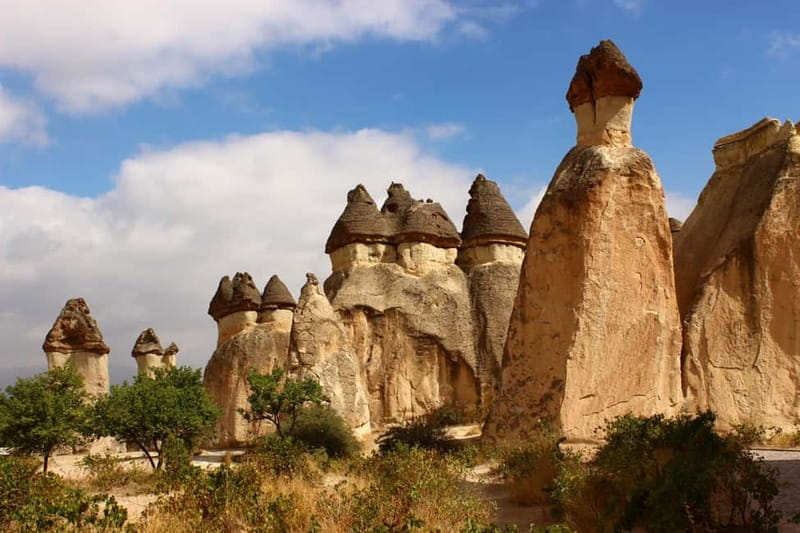
- Pasabagi (three-headed chimneys): the signature set-piece for Cappadocia’s cone-and-spire world.
Uçhisar Castle: the best “start here” viewpoint
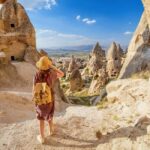
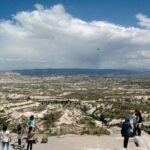
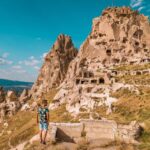
Your day begins with pickup from several towns around Cappadocia, including Göreme, Avanos, Ürgüp, Çavuşin, Ortahisar, and Uçhisar. Then the first real stop is Uçhisar Castle, positioned on the highest point in the region. This matters because Cappadocia isn’t one neat attraction. It’s valleys, rock formations, and layered history that only makes sense once you get a wide view.
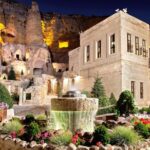
Plan for a photo stop plus time to visit with a guide and some free moments. The castle itself has a distinct form compared with what you might expect from a typical “castle.” Expect carved spaces like graves, tunnels, and churches mixed into the rock. It’s easy to feel like you’re looking at architecture that grew from the landscape instead of being imposed on it.
If you want the day to click—like when you see a fairy chimney later and immediately understand how it fits the bigger picture—starting at Uçhisar helps a lot.
A few more Cappadocia tours and experiences worth a look
Göreme Open Air Museum: where religion carved the walls
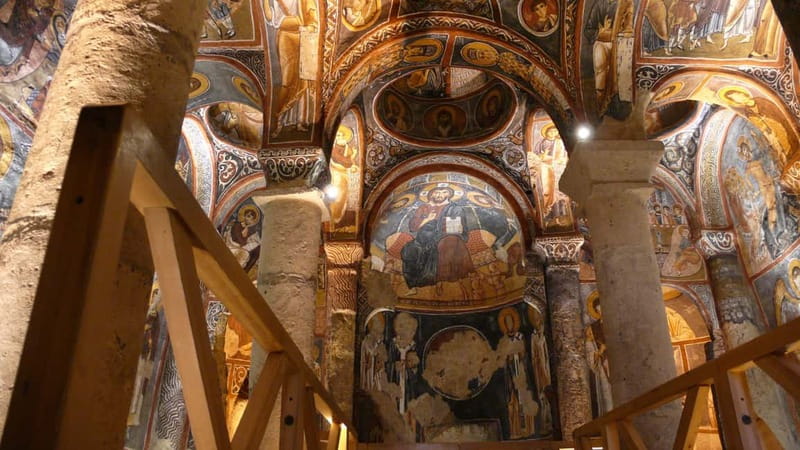
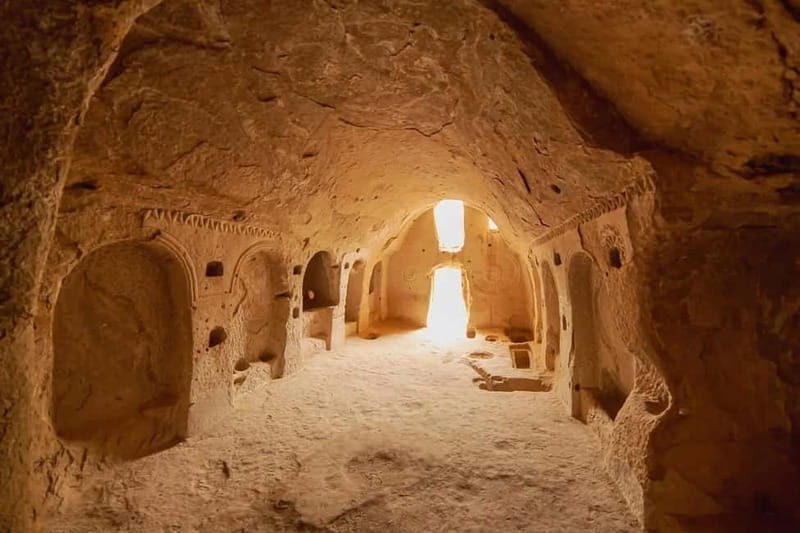
After Uçhisar, you head toward Göreme’s Open Air Museum for about an hour of guided touring plus photo time. This is one of the most famous rock sites in Cappadocia, and it’s popular for a reason: you’re not just looking at rocks. You’re looking at painted cave churches built into cliffs.
This stop is where the tour’s “culture and history” theme feels real. A good guide makes the difference, and the tone on this tour is often described as friendly and engaging. You’ll get a guided explanation of how local religion influenced where people lived, worshiped, and carved sacred space.
What I like about this part is the pacing. You get time to look, time to listen, and time to wander without feeling rushed. The open-air format also means you’re constantly orienting yourself to the valley views outside the churches, which helps the art and architecture make more sense.
Love Valley: quick photos, big rock moods
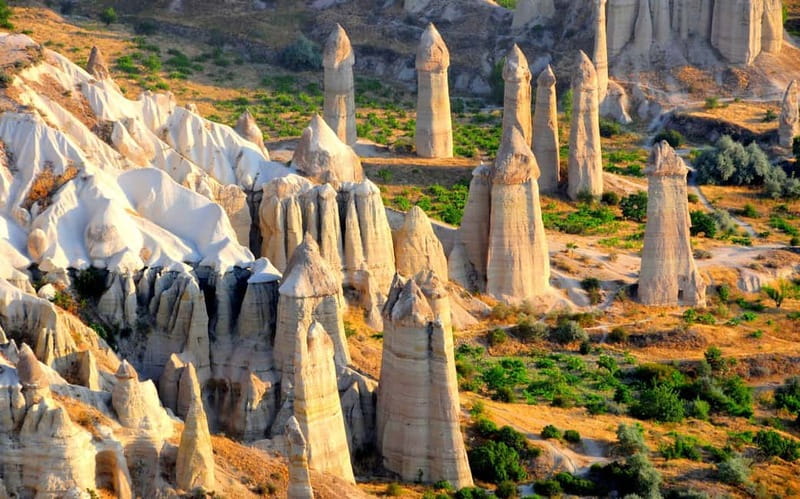
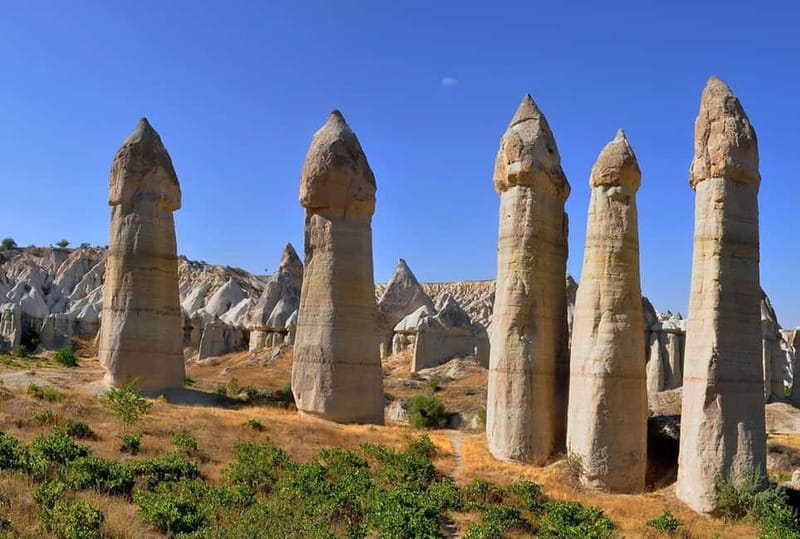
Next comes Love Valley. This is more of a scenic and photo-focused interlude than a museum-heavy stop, and that balance is good. You get guided time plus free time, and the drive between sites keeps your day moving without turning it into a nonstop sprint.
Love Valley is known for giant rock monuments shaped by nature over time. You’ll see the kind of formations that look like they’ve been posed for a movie set. The tour’s short stop makes sense here: if you try to “over-plan” Love Valley, you often end up standing in one spot while the real point is walking a bit, photographing from a couple angles, and enjoying the quirky shapes.
Bring a little patience for crowds at peak times. Cappadocia is famous, and Love Valley is one of the places where the cameras come out fast.
Avanos breaks: lunch, shopping, and the craft view of pottery
Avanos is where the tour slows down just enough to feel like a real day out, not a checklist. You’ll have a lunch window of about an hour, plus a separate break period for shopping and workshop time. This is also one of the most practical parts of the tour: you can refuel, stretch your legs, and grab small items you can actually pack.
The lunch itself is included, and reviews highlight it as good. That’s not a small thing. On tours where lunch is mostly filler, you end up spending the afternoon with that heavy, tired feeling. Here, you’re more likely to keep energy for the later museum stops.
Then comes the pottery and ceramic-making demonstration. This is one of the best value moments of the day because it turns the region into something you can understand with your hands. Even if you don’t buy anything, watching the process gives you context for why ceramics are such a big deal in Avanos.
If you’re shopping, keep it simple. Don’t aim for perfection on day one. Pick one or two pieces you truly like, because you’ll be tempted by lots of displays.
Carpet factory stop: weaving as storytelling
Cappadocia isn’t only rock and caves. There’s also textile craft, and part of this Red Tour route includes a carpet factory visit focused on woven designs and how they can tell a story. It’s an area where a guided explanation helps; otherwise, it can feel like you’re just looking at stacks of rugs.
This is a good stop if you like understanding materials and symbolism. You’ll be exposed to the idea that patterns aren’t random decoration. They can connect to culture, tradition, and identity. Even if you don’t plan to buy, it’s useful context for Cappadocia life beyond the valleys.
One caution: carpet factory visits can vary in how much time you’re given. So stay grounded in what you want—learn something, see the process, then move on. You’re on a schedule that also includes major open-air sites.


Zelve Open Air Museum: how faith shaped an entire valley
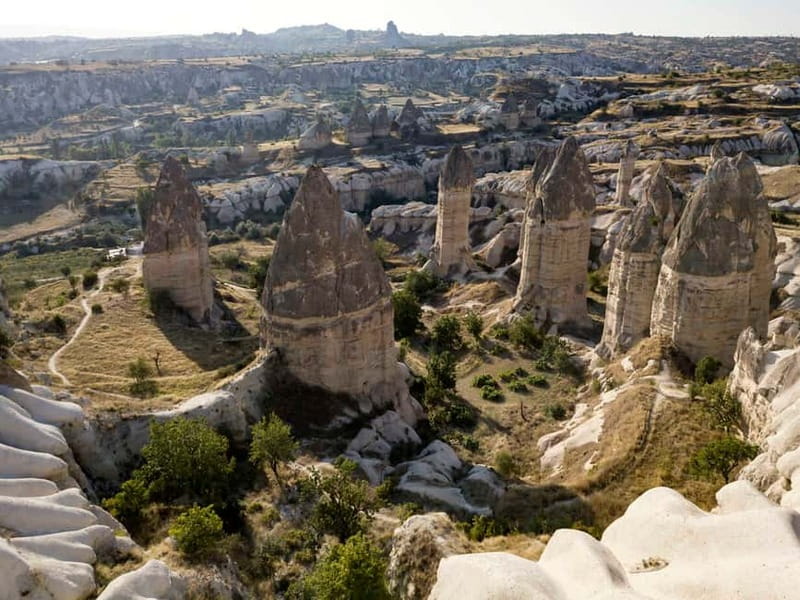
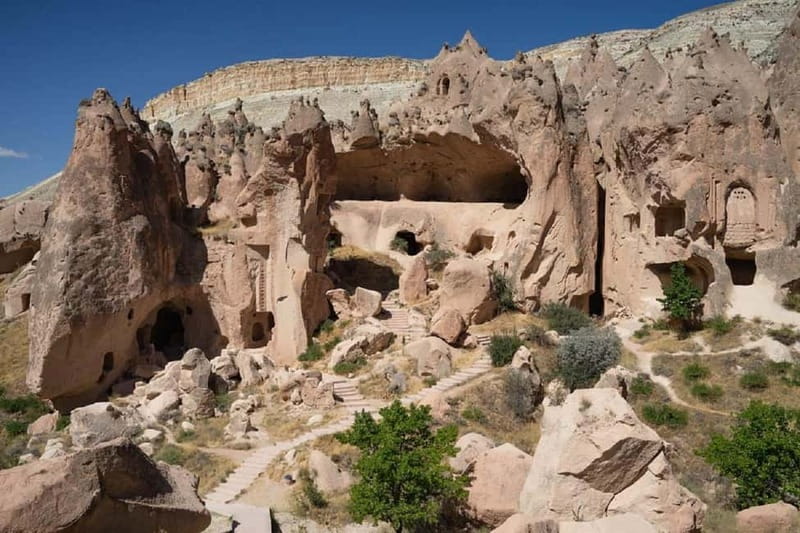
Zelve Open Air Museum is a major highlight, and it’s also tied to UNESCO. It’s famous because you’re looking at pointed, sharp fairy chimneys carved and formed into a lived-in valley. This is one of those places where the views are stunning, but the meaning is what makes it stick.
You’ll get guided tour time plus photo stops and sightseeing windows. The key theme here is religion’s influence. The guide explains how faith shaped settlement and carving patterns, and you start to see the valley not just as scenery but as a kind of built community.
This is also where you’ll likely feel the “Cappadocia is layered” idea the strongest. Zelve isn’t one single viewpoint. It’s a complex landscape of rock-cut structures and chimney forms that you piece together as you walk.
If you want a deeper emotional connection to the place, this is the stop to linger over. Use your free moments to look slowly. You don’t need to understand every detail to appreciate the scale of what people created here.
Pasabagi (Monks Valley): the three-headed chimney showdown
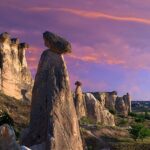
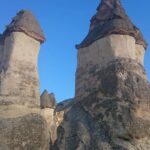
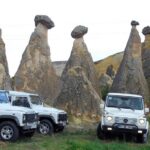
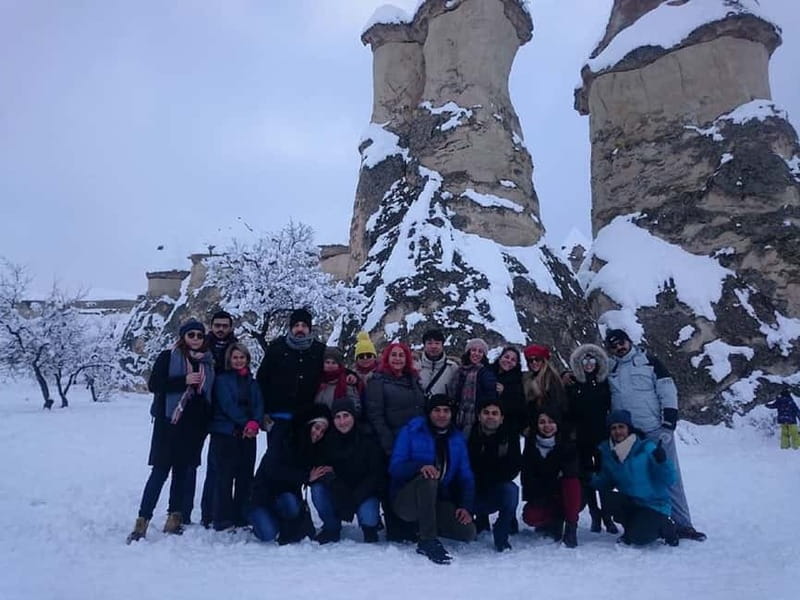
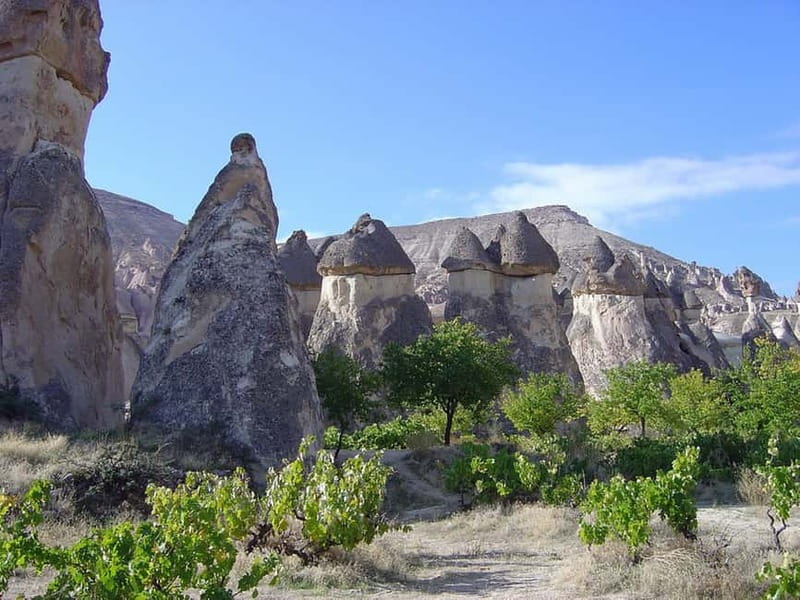
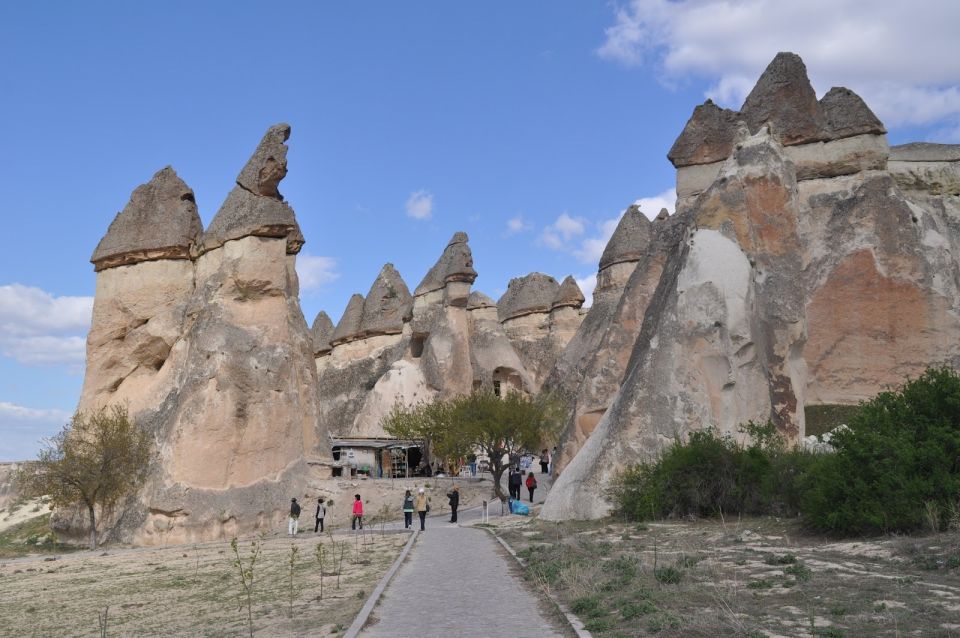
Then you head to Pasabagi, often called Pasha’s Vineyard and known for monks’ valley traditions. This is the place for the three-headed fairy chimneys—one of the most recognizable Cappadocia images on Earth.
The tour treats Pasabagi as a best-of-the-best sight, so don’t expect it to be a quick drive-by. You’ll see the rock formations set against open air. And because the chimneys are so iconic, the guide can point out what makes these formations special compared with other areas.
Here’s the practical tip: take your photos from at least two angles. In Cappadocia, the lighting changes everything, and these chimneys can look totally different depending on where you stand. Quick snapshots are fine, but two angles make it feel like you actually explored rather than hurried.
Pasabagi is one of the best “I get it now” moments. After Uçhisar and the museum stops, the shapes make more sense, and you start seeing the patterns across valleys.
Devrent Valley: animal-shaped imagination, final sightseeing
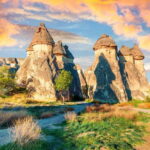
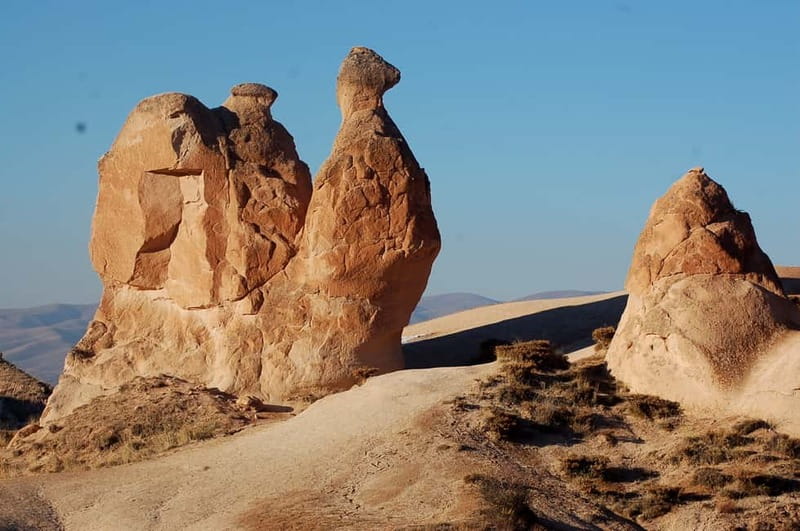
To wrap up, you’ll visit Devrent Valley, described as spread over three valleys and also known for fairy chimneys with large stems. This stop often feels like a playful finale because it’s easy to look at the rock forms and imagine animals or faces.
You’ll have a break time with photo opportunities plus guided time. Even if Devrent doesn’t give you the same museum feeling as Göreme or Zelve, it still supports the big picture: Cappadocia’s “nature sculptures” are part of the same story as the carved churches and lived-in caves.
This final stretch is also where you’ll appreciate the structure of a guided tour. You’re not left searching for the next viewpoint when your attention is fading. You have a clear end point and a clear route back.
Price and value for a 7-hour Red Tour
At around $71 per person, this is priced like a real guided day, not a budget-only transfer. What you’re paying for is the mix of hotel pickup and drop-off, a live English/Turkish guide, entry fees, and lunch—plus time at multiple iconic sites in a single loop.
If you try to cobble this together on your own, the value usually shows up in two places: logistics and museum time. Transport between these specific valleys can eat up your day, and you also lose the benefit of someone explaining how everything connects. With entry fees included, you avoid the “surprise costs” that can pop up when you’re juggling tickets across different sites.
Also, you only have 7 hours. That isn’t enough time to slow down everywhere. So paying for a route that hits the biggest hits with guided context is a sensible trade.
Pacing, crowd reality, and what to watch for
This tour is structured. That’s good if you want coverage. It can be a drawback if you love stopping to talk, asking endless questions, or spending extra time inside every church.
One review noted that explanations could be more extensive. That fits a common pattern: with many stops and limited time, the guide has to prioritize the most important points. So come with curiosity, but don’t expect a lecture at every site.
Crowds can be a factor in Cappadocia’s top attractions. The best strategy is simple: be flexible with your photo spots. Stand where you can, get your shots, then step aside to look at details like doorways, rock carvings, and chimney shapes. Even in busy moments, the landscape still rewards close attention.
And remember: drinks are not included. If you’re sensitive to heat or you like sipping during drives, plan accordingly.
Should you book this Cappadocia Red Tour?
I’d book this if you want an efficient, guided overview of Uçhisar, Göreme, Zelve, Pasabagi, Avanos crafts, and Devrent Valley in one day. It’s a solid choice for first-timers who want the iconic sites with a guide who keeps things organized and friendly, and for people who appreciate included lunch and entry fees.
I’d hesitate if you want lots of downtime, very slow museum browsing, or long-form explanations at every stop. This tour is made for movement and big-picture learning.
If your goal is to see Cappadocia without getting lost in planning, this Red Tour hits a good balance of comfort, culture, and time spent at the right places.
FAQ
How long is the Cappadocia Red Tour with lunch and pottery?
The tour lasts about 7 hours.
What’s included in the price?
Hotel pickup and drop-off, a guide, lunch, and entry fees are included.
Are drinks included?
No. Drinks are not included.
Where do you pick me up from?
Pickup is offered from Göreme, Ürgüp, Çavuşin, Uçhisar, Avanos, and Ortahisar.
What are the pickup times for different towns?
Examples listed include Göreme around 9:30–9:45 am, Avanos at 9 am, Ürgüp at 9 am, Çavuşin around 9:00–9:15 am, Ortahisar around 9:00–9:45 am, and Uçhisar around 10:00–10:15 am.
Where does the tour drop off at the end?
Drop-off is available at Avanos, Çavuşin, Göreme, Uçhisar, Ürgüp, and Ortahisar.
Is the tour guide available in English?
Yes. The live guide speaks English and Turkish.
Do I need a passport?
Yes. You’re advised to bring your passport.
Can I cancel for a refund?
Yes. You can cancel up to 24 hours in advance for a full refund.