REVIEW · GOREME
Cappadocia: Historical Pottery Experience Tour
Book on GetYourGuide →Operated by Emoji Turismo · Bookable on GetYourGuide
Clay turns into art fast in Cappadocia. This hands-on pottery stop is interesting because you get the story behind the craft right where it’s practiced, then you shape your own piece under a real maker’s guidance.
I especially like how you learn the history and local role of pottery—from everyday items to regional motifs. I also like the hands-on making part, where the instructor helps you shape clay instead of just pointing at a finished product.
The main drawback to plan around is time and results: even though it’s sold as a 1-hour experience, the actual pottery-making window can feel short, and it’s not always clear whether you’ll take your piece home right away.
Key things to know before you go
- Pottery history tied to Cappadocia’s daily life: you’ll hear how volcanic geology supported practical pottery over centuries.
- Hands-on shaping with an instructor: you’re guided while working the clay, not just watching demonstrations.
- Motifs that match Cappadocia visuals: designs may echo fairy chimneys, cave dwellings, and older civilizations.
- Hotel pickup and multiple drop-off areas: services connect to Göreme, Ortahisar, Ürgüp, Çavuşin, Uçhisar, and Avanos (when selected).
- English + many other languages: instruction is available in multiple languages, including English and French, depending on your group.
- Shopping happens during the visit: plan for some time in the workshop shop area as part of the overall stop.
In This Review
- What This Cappadocia Pottery Workshop Really Gives You
- Pricing: Is $14 Worth It Here?
- Getting There: Pickup, Drives, and Drop-Offs
- Your Workshop Session: History First, Then Clay
- The pottery history and why it matters
- The making part: shaping under guidance
- Taking Home Your Piece: The Expectation Gap to Watch
- How Much Time Do You Spend Making Pottery?
- Motifs and Colors: What You Might See in the Workshop
- The Shopping Element: A Practical Warning (and a Helpful Strategy)
- Instructor and Languages: The Help You Can Expect
- Who This Tour Suits Best
- A Balanced Take: What Works and What to Mind
- Should You Book This Cappadocia Pottery Workshop?
- FAQ
- How long is the Cappadocia pottery experience?
- Is hotel pickup and drop-off included?
- What does the tour include for the pottery session?
- Will I have the chance to make pottery myself?
- What languages are available for the instructor?
- Is the workshop wheelchair accessible?
- Is it a private group?
- Do I need to bring any supplies?
- Are soft drinks included?
- What’s the cancellation policy?
What This Cappadocia Pottery Workshop Really Gives You
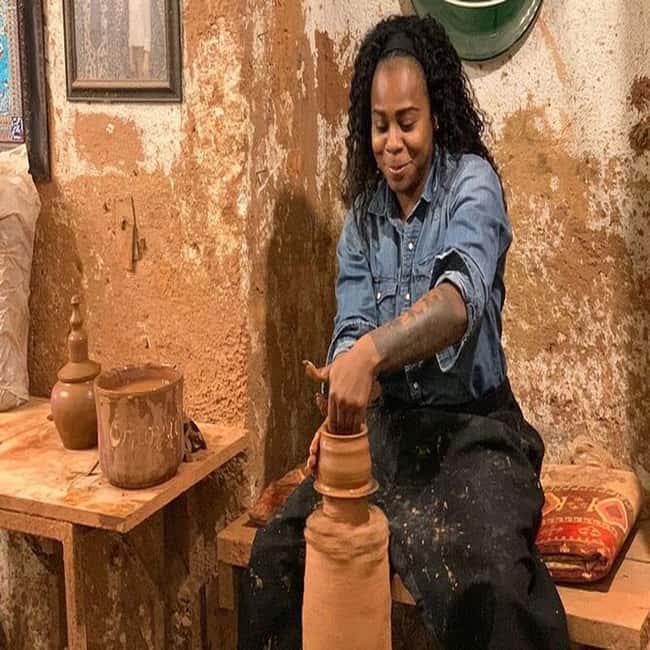
Cappadocia has a way of making even short tours feel like a small time machine. This pottery experience is that kind of stop: brief enough to fit into a busy schedule, but focused enough that you leave with a stronger feel for the craft.
The headline is simple. You visit a pottery workshop in Central Anatolia, learn how pottery became part of local life, and then make something yourself. It’s not a long studio apprenticeship. It’s more like a concentrated introduction—one you can enjoy even if you’re not “an art person.”
At about $14 per person, the value depends on what you want. If you’re hoping for a hands-on taste of a traditional skill plus a bit of explanation, it’s reasonably priced for what’s included. If you want lots of crafting time, total control over your design, and a guarantee you’ll leave with a finished takeaway in hand, you’ll want to set expectations carefully.
Pricing: Is $14 Worth It Here?
This tour is priced low enough that you should think of it as a “try-it-now” cultural experience. You’re not paying premium prices for hours in a studio or for a high-end custom piece.
What the price includes helps explain the value:
- Workshop ticket
- Hands-on pottery-making experience
- Materials and equipment
- Soft drinks
- Hotel pickup & drop-off if you choose that option
That package is often what makes these short experiences feel fair. Even if the pottery-making time is limited, you’re still paying for instruction, materials, and access to the workshop setting—not just a lecture.
My practical advice: decide what you’re buying. You’re buying context (why pottery matters here) plus a guided first attempt at shaping clay. If you show up expecting a full studio session, you may feel rushed. If you show up looking for a quick, guided introduction, you’ll probably feel satisfied.
You can also read our reviews of more historical tours in Goreme

Getting There: Pickup, Drives, and Drop-Offs
One of the most convenient parts (when you select it) is hotel pickup & drop-off. The service is designed to connect you with multiple bases around Cappadocia, including Göreme, Ortahisar, Ürgüp, Çavuşin, Uçhisar, and Avanos.
Some departures include a knowledgeable driver who helps you understand what you’re seeing on the way. In one instance, the pickup driver Bekir was praised for sharing useful information during the transfer and even taking a slightly different route so the group could see more.
Timing can matter here. The overall experience is listed as 1 hour, but real-world timing depends on how your pickup is scheduled and how the group moves through the workshop. If you’re trying to stack this tour between other timed activities, I’d leave buffer time rather than counting on perfect minute-by-minute scheduling.
Your Workshop Session: History First, Then Clay
The workshop experience is built around two phases: learning, then doing.
The pottery history and why it matters
You’ll hear how pottery has been practiced in Cappadocia for generations, not as a distant tradition but as a living craft. The explanation ties pottery to the region’s geology—soft volcanic rock that shaped how local people made useful vessels for everyday homes.
You also get a sense that Cappadocian pottery isn’t just decorative. It served practical needs too—think water jugs and serving dishes—which is a big reason the craft survived and stayed relevant.
The making part: shaping under guidance
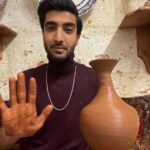
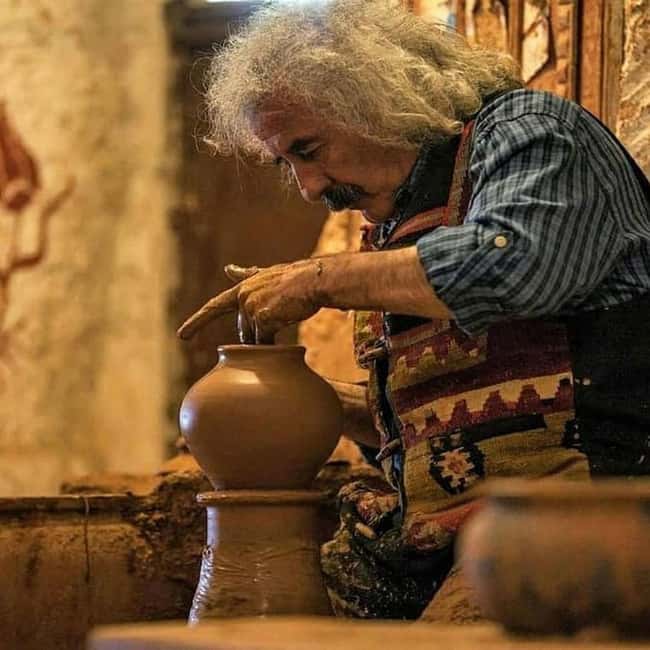
Then comes the part you actually feel in your hands. You’ll watch craftsmen at work, and you’ll get assistance while shaping clay. In a good session, the instructor guides you through the basics of forming your piece, so you spend your time doing rather than guessing.
The workshop focuses on details like:
- Turning lumps of clay into a structured form
- Using local design inspiration (often motifs that remind you of fairy chimneys and cave dwellings)
- Learning how patterns and shapes connect to the region’s identity
Even if you don’t end up with a masterpiece worthy of a museum shelf, the point is the experience of translating a lump of clay into something recognizable.






Taking Home Your Piece: The Expectation Gap to Watch
Here’s the part to plan around: not every booking guarantees that you’ll walk out holding your finished creation.
Some sessions feel smooth and encouraging, with strong help from the instructor and clear guidance. Other sessions can be so short that you may feel like you did more “assistance” than actual shaping.
A key theme from the real-world experience is uncertainty around results. Sometimes people expected to leave with their own small creation but didn’t. Sometimes the pottery-making segment can be brief—so brief that you’re mostly guided through quick steps rather than making something from start to finish.
If taking home your piece matters to you, ask the operator in advance how the finishing and drying works, and whether glazing and firing happen later. With short workshops, it’s common that the piece may require processing time. You’ll want to know what you’ll receive and when.
How Much Time Do You Spend Making Pottery?
Officially, this experience is described as about 1 hour. But in practice, the time split can feel uneven.
The workshop visit can include:
- A short instruction and observation period
- A hands-on attempt at creating your piece
- Time spent in or near the shop area
Some participants report that the hands-on component can be surprisingly short, with much of the remaining time taken up by transport, photo stops, or time in the shop. That doesn’t automatically make the experience bad—it’s just how these short tours are structured. You’re paying for access and a quick introduction, not for deep studio time.
My tip: go in knowing it’s a first attempt experience. If your goal is to learn advanced pottery techniques, you’ll likely want a longer class elsewhere. If your goal is to try clay, learn the local story, and spend an hour doing something hands-on in Cappadocia, this can work well.
Motifs and Colors: What You Might See in the Workshop
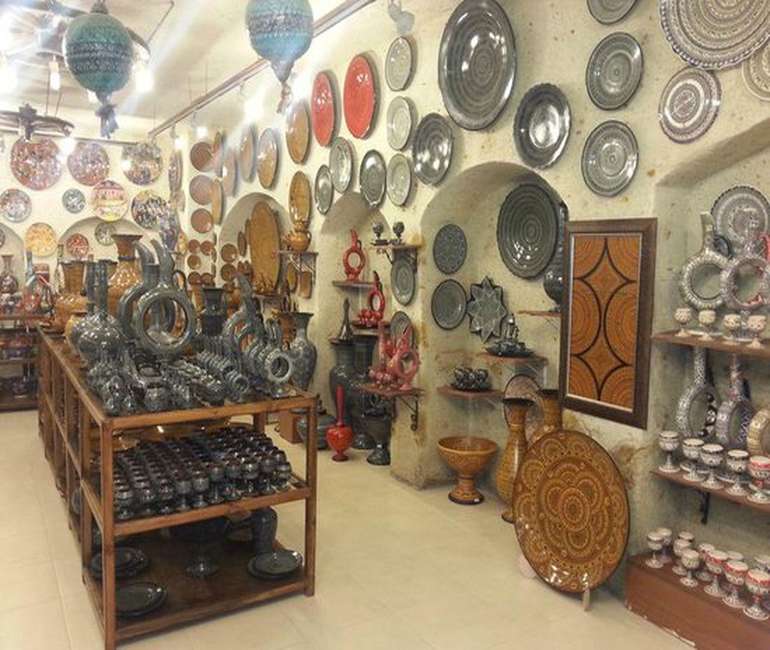
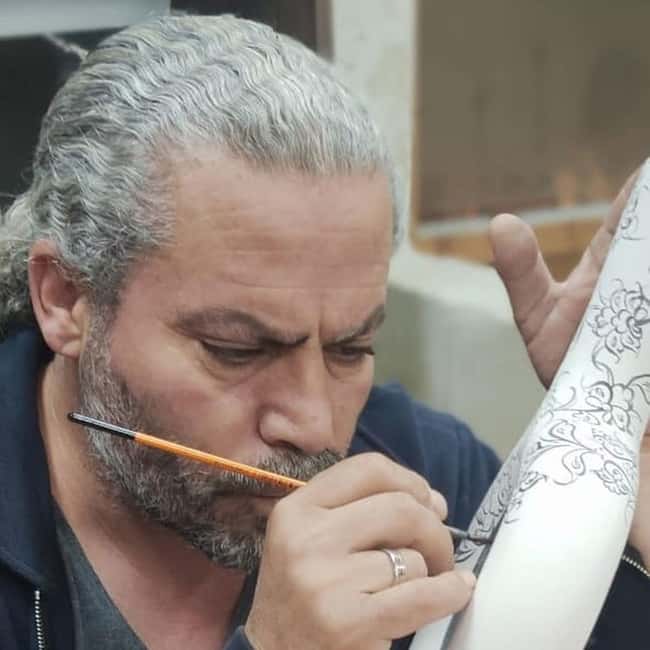
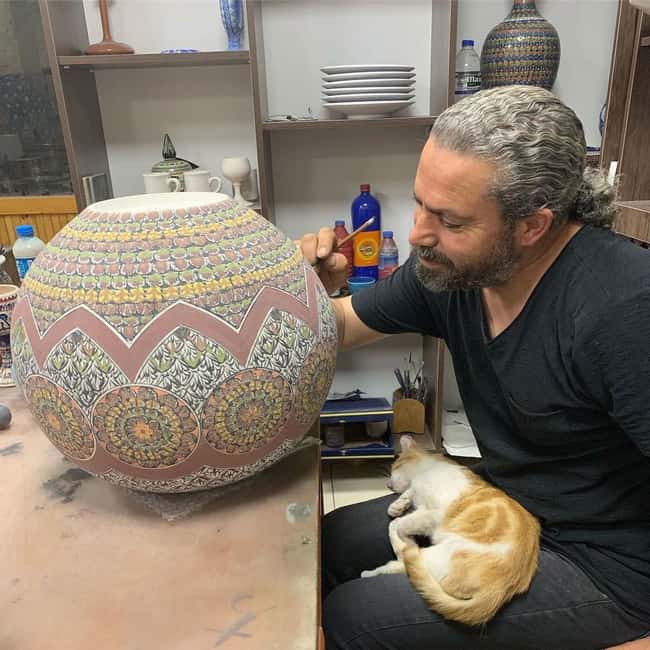
Cappadocia pottery has a style language. Depending on the workshop and the instructor, you may see patterns inspired by local icons: cave dwellings, rock formations, and traditional shapes tied to historical life.
You might also see how designs get drawn or discussed before decoration. Some workshop sessions put more focus on the decorative part and the look of finished products, which can be great if your goal is to understand the cultural symbolism behind the craft.
Just remember: short sessions often mean you’re learning the idea more than mastering every step. You’re there to understand how local motifs connect to everyday objects—and then to try a small part of the process yourself.
The Shopping Element: A Practical Warning (and a Helpful Strategy)
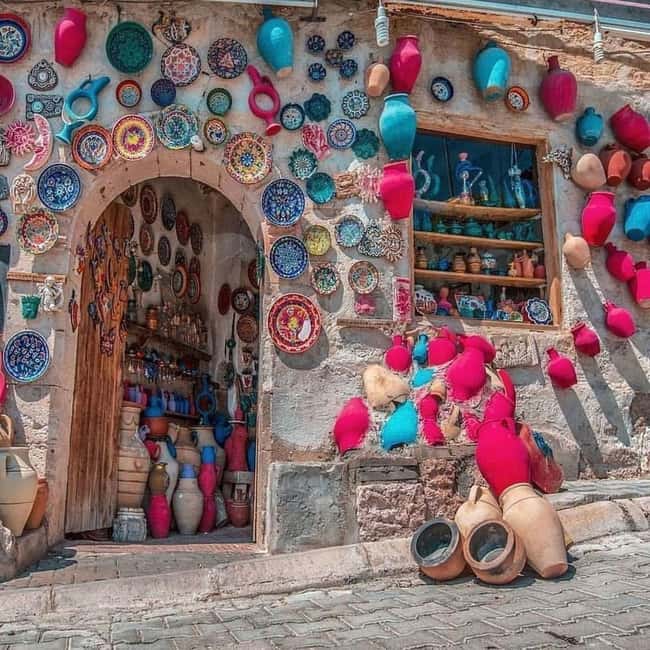
This workshop experience includes a visit with shopping time. That means you’ll likely spend time looking at pottery in the shop area and seeing what’s available for purchase.
If you’re okay with that, fine. It can even be useful: you can see how real finished pieces look compared to what you made during your session.
If you want to minimize the “shop time,” you should do two things:
- Decide your budget before you arrive.
- Be ready to keep moving during shop stops so you don’t lose the focus of why you came.
In short: treat it like a cultural workshop that comes with a shop, not like a purely educational class.
Instructor and Languages: The Help You Can Expect
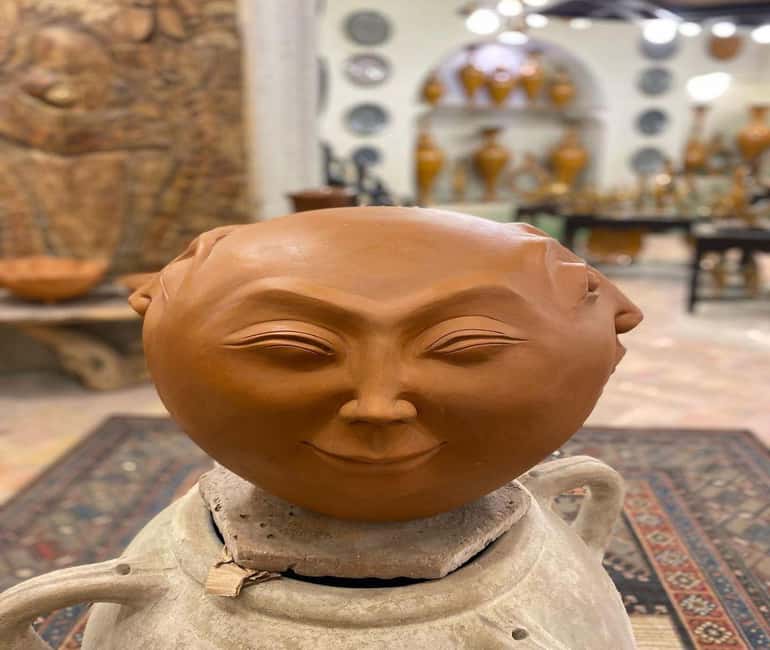
The workshop instructor may speak a wide range of languages, including English, Spanish, Portuguese, Japanese, Italian, French, Chinese, and German.
That matters because pottery instructions depend on clarity. If your instructor can explain the steps in your language, you’ll likely shape your piece more confidently and understand the process better.
On some departures, the transfer driver provides extra context while heading to the workshop. The pickup by Bekir stood out in at least one account for sharing helpful information during the drive. That kind of commentary can make the ride feel less like dead time and more like part of the learning.
Who This Tour Suits Best
This workshop fits best for travelers who:
- Want a short, hands-on cultural activity
- Prefer making something simple over taking a long course
- Are interested in Cappadocia crafts and want context beyond a photo stop
- Don’t need total control over design choices
- Appreciate a quick introduction to local artisan techniques
It may not fit well if you want:
- A full-length pottery class
- Advanced instruction and detailed technique training
- A guaranteed take-home finished item completed during the session
- A strictly non-commercial experience
Think of it as a “taste of the craft.” If that’s what you want, it can be a very good use of time.
A Balanced Take: What Works and What to Mind
What tends to work well:
- You get a guided explanation of pottery’s importance in the region.
- You get real hands-on time shaping clay.
- You may benefit from helpful context during the drive, especially if your driver shares details (like Bekir did on one praised pickup).
What to mind:
- The overall schedule can make the hands-on window feel shorter than you expect.
- Pickup timing can affect how prepared you feel when you arrive.
- Shop time is part of the experience, so don’t be surprised if you spend time browsing.
If you go in prepared, it’s easier to enjoy the experience for what it is: a quick, friendly introduction with real craft value.
Should You Book This Cappadocia Pottery Workshop?
Yes—if you want a short, low-cost hands-on cultural stop and you’re happy to treat it as an introduction rather than a deep training session. At around $14, the included materials, instruction, and workshop access make it a reasonable deal, especially when hotel pickup/drop-off is included.
Maybe skip or choose a longer class instead if you care most about:
- Taking home a finished piece guaranteed the same day
- Spending a long time at the wheel or workbench
- Avoiding shop time entirely
- Getting lots of detailed, step-by-step mastery
My simple advice: book it when you’re flexible about timing and you mainly want to try pottery and understand the local story. In Cappadocia, that’s often the sweet spot.
FAQ
How long is the Cappadocia pottery experience?
The experience is listed as 1 hour. You can check available starting times to see the schedule for your day.
Is hotel pickup and drop-off included?
Hotel pickup and drop-off are included if you select the option. Drop-offs cover Göreme, Ortahisar, Ürgüp, Çavuşin, Uçhisar, and Avanos.
What does the tour include for the pottery session?
You get a pottery workshop ticket, hands-on pottery making, and all necessary materials and equipment. Soft drinks are also included.
Will I have the chance to make pottery myself?
Yes. It’s designed as a hands-on pottery making experience with guidance from an instructor.
What languages are available for the instructor?
The instructor can speak English, Spanish, Portuguese, Japanese, Italian, French, Chinese, and German (depending on the session).
Is the workshop wheelchair accessible?
Yes, the activity is listed as wheelchair accessible.
Is it a private group?
Yes, it’s described as a private group.
Do I need to bring any supplies?
No. The tour provides the necessary materials and equipment for the pottery experience.
Are soft drinks included?
Yes. Soft drinks are included as part of the workshop experience.
What’s the cancellation policy?
Free cancellation is offered up to 24 hours in advance for a full refund.