REVIEW · PAMUKKALE HOT SPRINGS
Antalya: Full-Day Pamukkale Tour
Book on GetYourGuide →Operated by solymos travel · Bookable on GetYourGuide
Pamukkale feels like science fiction. This full-day, small-group trip pairs Hierapolis UNESCO ruins with Pamukkale’s famous mineral pools and terraces, all with hotel pickup from Antalya. I especially like the limited group size (14 max) and the practical balance of guided time plus time on-site. One thing to plan for: it’s a long day with an early start and late return because Pamukkale is far from Antalya.
You’ll spend the morning up in Hierapolis, walking through a former spa-and-sunset town built over hot springs. Then you’ll move down to Pamukkale’s calcium-white cascades, where you can see why people came for water treatments centuries ago. After the sightseeing, you head back to Antalya—tired, sun-warmed, and ready for an early dinner.
In This Review
- Quick Takeaways Before You Go
- Pamukkale and Hierapolis: Why This Day Trip Works
- Antalya Pickup to the Long Drive: Make It a Feature, Not a Complaint
- Hierapolis Ruins: The Holy City Above the Springs
- Pamukkale Museum: A Quick Context Booster
- Pamukkale Cotton Castle Terraces: How to See the Best White Pools
- Cleopatra’s Hot Springs: Know the Closure Before You Plan
- Lunch Included: Fuel That Doesn’t Derail the Day
- Group Size, Guides, and the Pace That Feels Right
- Optional Stops and Side Quests: What’s Worth Your Time
- Price and Value: Is $89 Reasonable for Pamukkale?
- Who Should Book This Tour (and Who Might Skip It)
- Should You Book This Antalya to Pamukkale Day Trip?
- FAQ
- How long is the Antalya to Pamukkale tour?
- Do I get hotel pickup and drop-off?
- Is lunch included?
- What entrance fees are included?
- Is Cleopatra’s Pool included?
- Are drinks included with lunch?
- How big is the group?
- Is the tour in English?
- What should I bring?
- Is there a cancellation option?
Quick Takeaways Before You Go
- Small group of 14 max keeps the pace more human and questions easier to answer.
- English-speaking guide means the ruins actually make sense, from streets to tombs.
- Hierapolis UNESCO site brings you face-to-face with Greco-Roman ruins over hot springs.
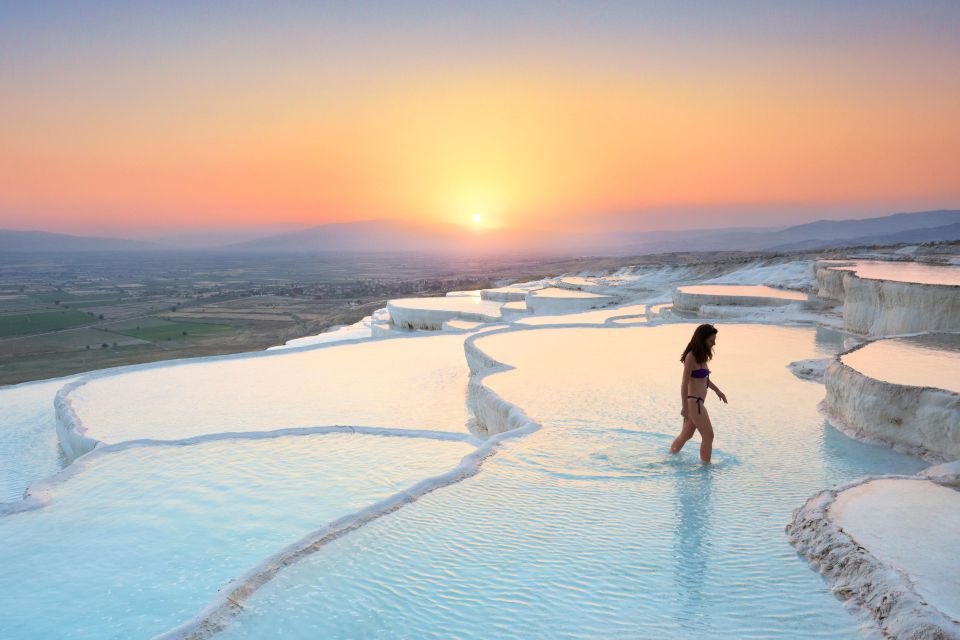
- Pamukkale’s white terraces are the real star, especially the calmer areas near the edges.
- Cleopatra Pool is closed until March 2026, so set expectations for hot-spring time.
- Lunch included is part of the value, not an afterthought.
Pamukkale and Hierapolis: Why This Day Trip Works
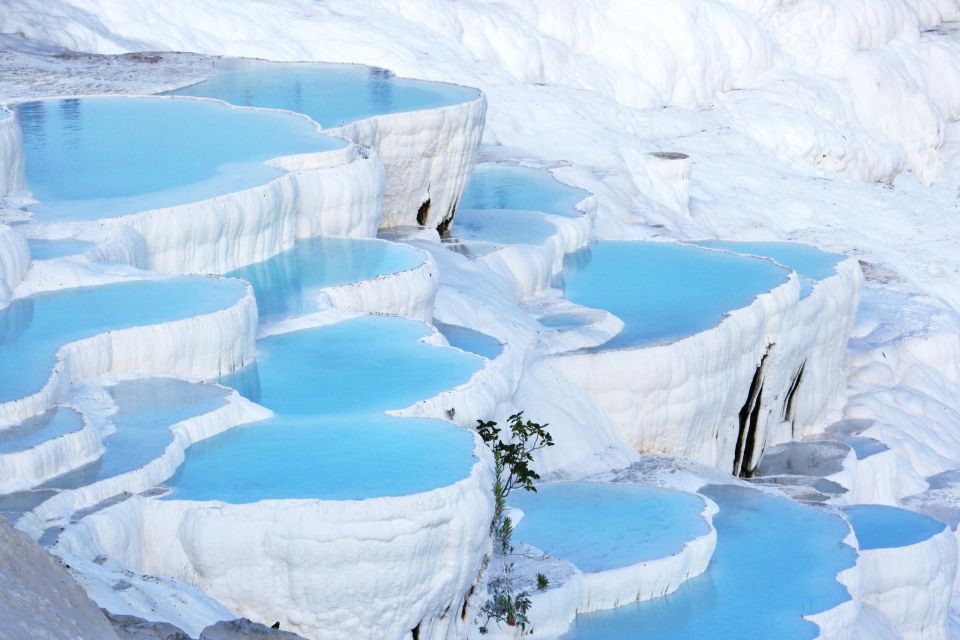
Pamukkale and Hierapolis aren’t just two separate stops. They’re tied together by the same thermal story: hot water, mineral deposits, and people chasing relief and beauty for thousands of years. In one day, you get the ancient city on top (Hierapolis) and the natural thermal spectacle (Pamukkale) below it.
What makes this tour appealing is the shape of the day. You’re not stuck in a fast, breakneck “photo run.” Instead, the trip gives you guided context—then time to actually look around. The best part is that you’ll understand what you’re seeing without needing to be an ancient Rome expert.
Value-wise, the price (about $89) makes more sense when you add up the stuff you’d otherwise pay for: hotel pickup and drop-off, an English guide, entry tickets to both sites, and a included lunch. That combo is usually where DIY plans get messy.
A few more Pamukkale Hot Springs tours and experiences worth a look
Antalya Pickup to the Long Drive: Make It a Feature, Not a Complaint
This is one of those tours where logistics matter. Because Pamukkale is far from Antalya, you leave early and return late. The drive can feel long on paper, but it’s also when you get your bearings for the day.
A few practical tips:
- Bring a light layer even if Antalya is warm. Some seasons can be chilly, especially on the way back.
- If you’re sensitive to heat, plan your camera strategy: shoot early in the terraces and late in the ruins, not only at midday.
- Wear shoes you’re comfortable walking in for hours. Hierapolis is not a “stroll only” kind of place—there are ruins, stairs, and uneven ground.
You’ll ride with an English-speaking guide on the trip and a driver who’s used to this route. The small-group format helps here: fewer people makes timing and comfort better.
Hierapolis Ruins: The Holy City Above the Springs
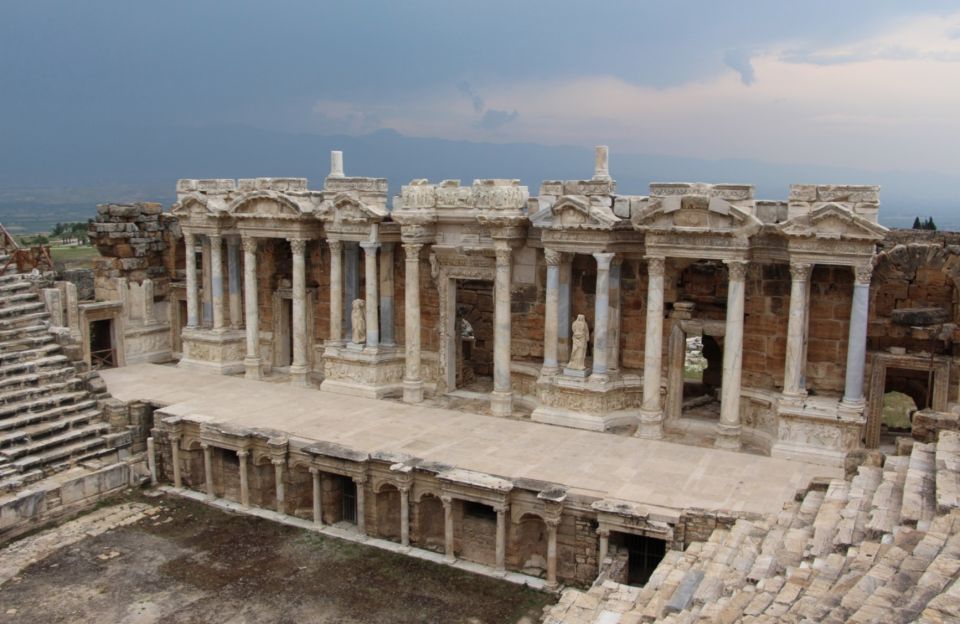
Hierapolis (often described as the holy city) is a Greco-Roman ancient city built around hot springs. The ruins sit right next to modern Pamukkale, which makes it easy to connect the dots between the two locations.
Here’s what you can expect at Hierapolis:
- Sarcophagi in the necropolis: a huge cemetery area that shows how important death rituals were in the ancient world.
- The main street layout: including the sense of civic life with gates and public facilities like latrines.
- The cathedral area and theater: the sort of structures you see when a city has money, power, and pride.
- St. Philip’s Tomb: a major stopping point that adds a religious layer to the sightseeing.
This stop is also where a good guide makes a huge difference. Guides such as Dilek and Bekir are repeatedly praised for fitting the right amount of information to the group—explaining what matters without turning it into a lecture. Some guides also time discussions to avoid harsh sun, which matters on very hot days.
One real consideration: time on the ruins can feel short if you want to wander slowly and read every stone. If that’s your style, use your guided time for the big picture, then use your free moments for closer looking.
Pamukkale Museum: A Quick Context Booster
Before you head into the terraces, you get a stop at the Pamukkale Museum. This is one of those “small add-ons” that can make the whole site click.
Museums here are useful because they translate the area into artifacts and explanations. Even a short visit helps you spot what you’re seeing later—especially when you’re looking at the way water, religion, and settlement shaped the landscape.
If you prefer to move fast, treat it as a context reset rather than a long museum day. You’re there for the white terraces, but a little background makes them even more satisfying.
Pamukkale Cotton Castle Terraces: How to See the Best White Pools
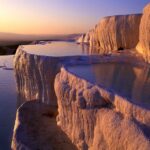
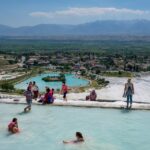
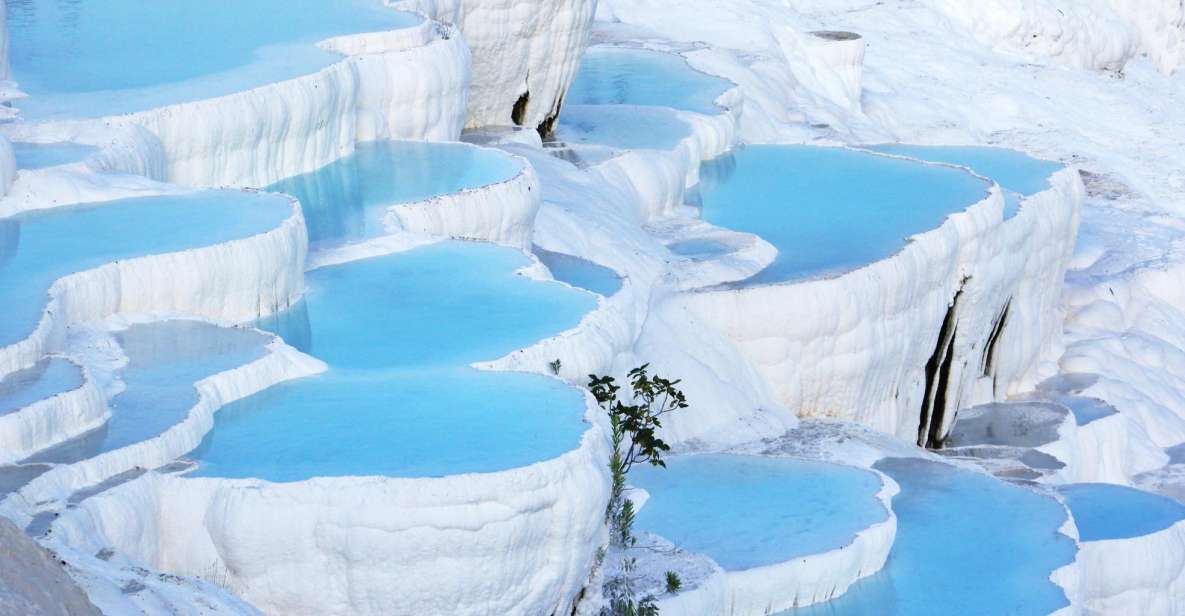
Pamukkale’s terraces are often called the Cotton Castle because of their soft, cascading look. Technically, they’re mineral formations formed by flowing thermal water over time. The effect is dramatic: bright white steps, warm water basins, and a sense of walking through an oversized natural art installation.
What I like about this part of the day:
- You can take it in multiple ways—standing back for the big photo, then moving closer to see texture and mineral patterns.
- The sites are photogenic from different angles, so even if it’s busy in one zone, you can reposition.
A practical tip from on-the-ground experience with guide strategies: if one area feels too packed, ask your guide about the calmer side. For example, Dilek is specifically noted for recommending the north area for a more peaceful atmosphere (even though you can’t enter that side like the main pools). That kind of tip can be the difference between crowded photos and truly relaxed sightseeing.
Also remember: the terraces can be slick. If you’re wearing the wrong shoes or trying to sprint for a shot, you’ll pay for it. Walk like you’re on museum tile, not beach sand.




Cleopatra’s Hot Springs: Know the Closure Before You Plan
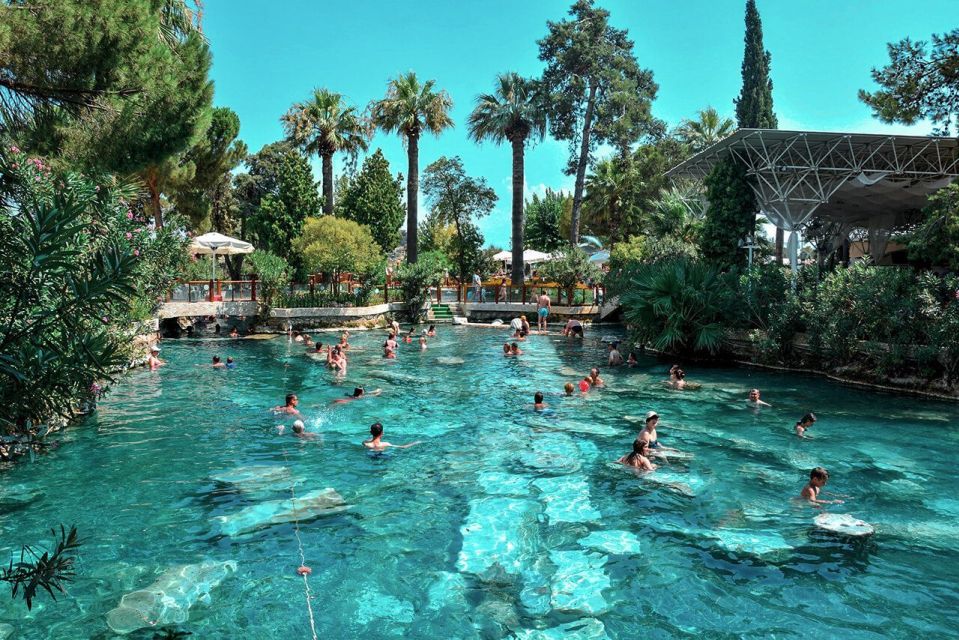
Cleopatra’s hot springs are a big part of the dream for many people. The tour includes time for hot-spring atmosphere at Pamukkale, but the key detail is this: Cleopatra Pool is closed for visitors until March 2026.
Two important implications:
- You shouldn’t budget on swimming there as a guaranteed part of your day.
- Since Kleopatra pool entrance is not included, even if access were available later, you’d still need separate entry.
That said, the terraces and mineral pools are still the main event. Think of Cleopatra’s Pool as the bonus, not the foundation. If your expectations are anchored in the terraces themselves, the day stays satisfying even without the pool.
Lunch Included: Fuel That Doesn’t Derail the Day
Lunch is included, and that matters here because this is a long, active day. A common strength is that the buffet-style meal gives enough choice to keep everyone happy, including people who need vegan options. Desserts are often part of the spread too, which is always a morale boost after walking on uneven ground.
What to do with this practical fact:
- Eat early enough that you’re not rushing into the hottest terrace hours.
- Drink water before and after lunch (drinks are not included, so plan for that).
- If you burn easily, keep a light hat and sunscreen for after lunch—you’ll likely be outside again quickly.
Group Size, Guides, and the Pace That Feels Right
A tour is only as good as its rhythm. This one has a major advantage: small group size capped at 14. That tends to reduce the usual problems—lost people, long waits, and the guide constantly repeating the same instructions to too many individuals.
Guide performance is repeatedly praised across different names:
- Dilek is described as funny, attentive, and good at adjusting information to the group.
- Bekir comes up as knowledgeable and helpful, with some guides also making time to answer questions.
- Hassan and Bakir are highlighted for making the day feel lively rather than stiff.
- Mehmet is noted for offering options that help you cover sights more effectively.
In plain terms: you’ll get a smoother day if your guide can manage both history and human energy. This tour’s small size makes that easier.
Optional Stops and Side Quests: What’s Worth Your Time
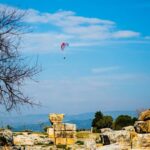
On days like this, extra stops can appear—mostly to break up the drive. For example, some schedules include a coffee break. There may also be a stop at a stone or onyx-related shop, and paragliding is sometimes offered as an optional activity.
My advice: treat these as optional, not core parts of the day. If the shop stop doesn’t interest you, keep your energy for Hierapolis and Pamukkale. If you want adrenaline, paragliding can be a fun add-on on the side—just be aware that anything photo-related can add costs, and you may have less control over your own phone during that portion.
If your goal is cultural sightseeing above all, you’ll likely be happiest sticking to the main sites and using any extra time to explore on foot rather than buying souvenirs.
Price and Value: Is $89 Reasonable for Pamukkale?
At around $89 per person, this tour price can feel like either a steal or a lot, depending on how you travel.
Here’s what you get that makes the price more than just “transport”:
- Hotel pickup and drop-off (this alone can be pricey if you’re arranging rides)
- English-speaking guide
- Lunch
- Entry tickets for Pamukkale and Hierapolis
What you don’t get:
- Drinks
- Cleopatra Pool entrance (and Cleopatra is closed anyway until March 2026)
So the real value question is this: if you tried to do Pamukkale and Hierapolis on your own, would you end up paying less after tickets, transport, and a guide-like context? For many people, the answer is no. Especially if you don’t want to spend your precious sightseeing time figuring out routes and entry logistics.
If you’re traveling with a group, DIY can sometimes look cheaper. But if you’re traveling solo or in a couple and you want a guided, stress-light day, this price is pretty fair.
Who Should Book This Tour (and Who Might Skip It)
You’ll likely love this tour if:
- You want guided context for major ruins and thermal pools
- You prefer small-group pacing
- You’d rather spend your energy walking and looking than planning logistics
You might choose a different option if:
- You’re hoping for guaranteed access to Cleopatra’s Pool swimming (it’s closed until March 2026)
- You hate long drives and early starts
- You want a very slow, independent exploration without any scheduled structure
Good matches include couples, friends, and families who can handle walking on uneven ruins and don’t mind a day that starts early and ends late.
Should You Book This Antalya to Pamukkale Day Trip?
I think this is a strong booking choice if your top goals are Hierapolis ruins plus the Pamukkale terraces with an English guide and a low-stress day plan. The small group, included lunch, and entry tickets make it easier to spend more time actually enjoying the sites rather than managing details.
Before you book, check your expectations about the hot-spring swimming dream. With Cleopatra Pool closed until March 2026, you should treat that part as unavailable and focus on the Cotton Castle terraces as the main event.
If you want a guided day that still leaves room to look around, this one is worth your consideration.
FAQ
How long is the Antalya to Pamukkale tour?
It’s a full-day tour lasting 1 day.
Do I get hotel pickup and drop-off?
Yes. Hotel pickup and drop-off are included. You wait in your hotel lobby.
Is lunch included?
Yes. Lunch is included in the tour package.
What entrance fees are included?
Pamukkale and Hierapolis entry tickets are included.
Is Cleopatra’s Pool included?
No. Kleopatra pool entrance is not included, and Cleopatra Pool is closed for visitors until March 2026.
Are drinks included with lunch?
No. Drinks are not included.
How big is the group?
It’s a small group limited to 14 participants.
Is the tour in English?
Yes. The tour includes an English-speaking guide.
What should I bring?
Bring swimwear, a towel, and a camera.
Is there a cancellation option?
Yes. Free cancellation is available up to 24 hours in advance for a full refund.
If you want, tell me your travel month and whether you’re more into photography, history, or relaxation—I can suggest the best way to pace your day around the terraces.