REVIEW · ISTANBUL
8-Day Private Guided Turkey Tour with Accommodation
Book on Viator →Operated by Tempel Travel · Bookable on Viator
Istanbul can feel like a living maze. This private 8-day Turkey plan turns that chaos into an organized route, with airport pickup, domestic flights, and a guide who keeps things moving without the usual group-tour stress.
I especially like two things: the 7 included breakfasts (a real help on packed days), and the fact that you’re not stuck in a rigid bus-group schedule. You get a private setup with an air-conditioned vehicle and a clear day structure, while still having room to breathe.
One drawback to plan for: several major sights’ tickets aren’t included, and you may face normal lines for places like Hagia Sophia since it’s not operating as a museum with special access.
In This Review
- Quick reasons this tour works well
- The big-picture value: private flights, hotels, and a real guide
- Istanbul on foot: Blue Mosque, Hagia Sophia, Topkapi, and the Hippodrome
- Grand Bazaar and Basilica Cistern: shopping and a cool, quiet detour
- The Bosphorus Cruise plus Spice Market and Taksim time
- Cappadocia Red and Blue tours: early starts and real valley variety
- Cappadocia Day: Red Tour and a sunrise plan
- Cappadocia Day: Blue Tour with hiking, underground, and pigeon views
- Ephesus: Roman ruins, Virgin Mary House area, and Artemis
- Pamukkale and Hierapolis: cotton terraces plus limestone-walk reality
- Price and what you still need to budget for
- Who this tour suits best (and who should reconsider)
- Should you book this 8-day private Turkey tour?
- FAQ
- Is pickup included from Istanbul Airport?
- Are domestic flights included?
- Is breakfast included?
- Are entrance tickets included for major attractions?
- What language is the tour offered in?
- How early do you start for the Cappadocia balloon option?
Quick reasons this tour works well
- Private format with only your group, plus a guide and air-conditioned transport
- Domestic flights included, so moving between regions is faster and less tiring
- 7 nights in 4 or 5-star hotels, which matters after long sightseeing days
- Red and Blue day tours in Cappadocia, built around valleys, churches, and viewpoints
- Bosphorus Cruise included, with a chance to see both the European and Asian sides
- Pamukkale + Hierapolis with practical guidance for walking on the travertines
The big-picture value: private flights, hotels, and a real guide
This isn’t just a sightseeing list. It’s a logistics package. You pay one price, and you’re covered for 7 nights of hotel (4 or 5 stars), a professional guide, all transfers, and domestic flights inside Turkey. That combination is what keeps the trip from turning into a string of stressful airport sprints and line-juggling.
The private setup matters too. You’re not fighting for audio distance, waiting for slow walkers, or losing half your day to a group’s pace. Instead, your guide can steer the day—especially useful in cities like Istanbul, where streets, crowds, and monuments can mix together fast.
Also, you get breakfast included for seven days. In practical terms, that’s less decision fatigue early on. You can focus on the day ahead instead of hunting for food that fits your schedule.
Finally, I like that the itinerary has a clear rhythm: a structured Old City day in Istanbul, a ship-like cruise and market time, then Cappadocia’s valley touring, then classic western Turkey ruins, and ending with Pamukkale’s famous terraces.
You can also read our reviews of more guided tours in Istanbul

Istanbul on foot: Blue Mosque, Hagia Sophia, Topkapi, and the Hippodrome
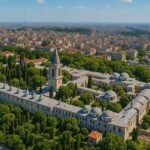
Your first full guided day in Istanbul hits the historic core around Ottoman and Byzantine landmarks. It starts with a walking approach and then expands into the big-ticket buildings you’d otherwise spend a full day chasing around alone.
You’ll see the Blue Mosque, known for its interior decoration with blue tiles. It’s one of those sites where the outside gives you the scale, but the inside is what sticks in your memory. Plan to dress appropriately and keep an eye on timing since prayer schedules can affect entry patterns.
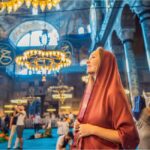
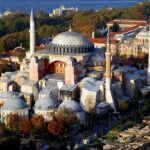
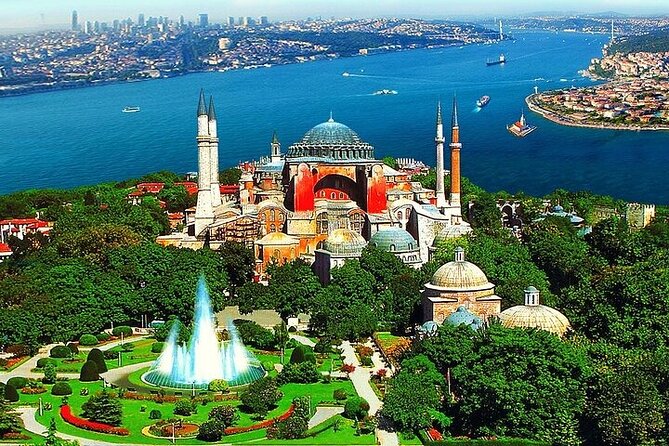
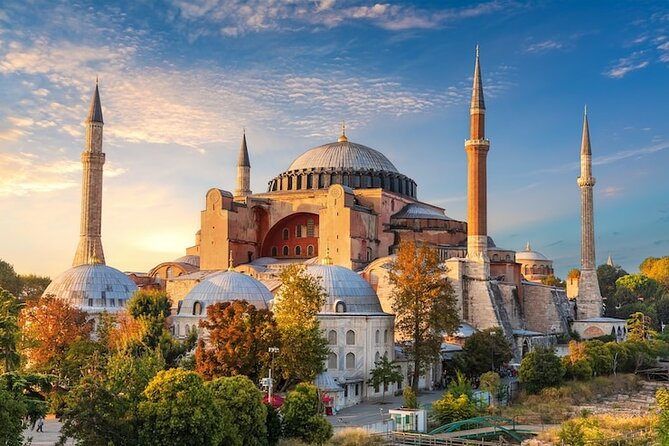
Next is Hagia Sophia (Ayasofya / Santa Sofia). Built in the 6th century, it has bounced between Christian and Islamic use over the centuries. Today it’s operating as a mosque again. The practical note here is important: it’s not a museum anymore, so you don’t get skip-the-line priority. If you want smoother entry, aim to start early—this tour even suggests departing around 8:30–9:00am to reduce the security hassle.
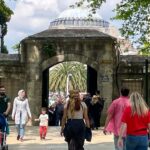
Then comes the Topkapi Palace option. This one is where ticket costs can change the final value, because it’s listed as not included. If you’re the type who likes court life details—treasuries, porcelains, courtyards, and museum-style displays—this is a strong add. If you’d rather spend more time outside or at other stops, you might treat it as flexible.
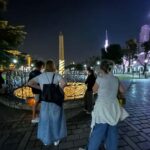
You also get the Hippodrome area context: places like the Egyptian Column and German Fountain help explain how this quarter functioned as a public stage for big crowds and events long before modern street traffic existed.
Grand Bazaar and Basilica Cistern: shopping and a cool, quiet detour
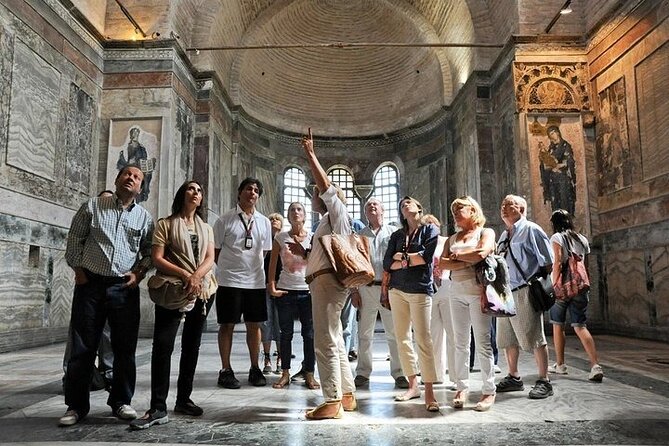
After the major monuments, the day pivots into two different “pace changers.”
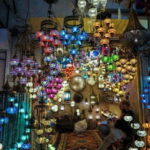
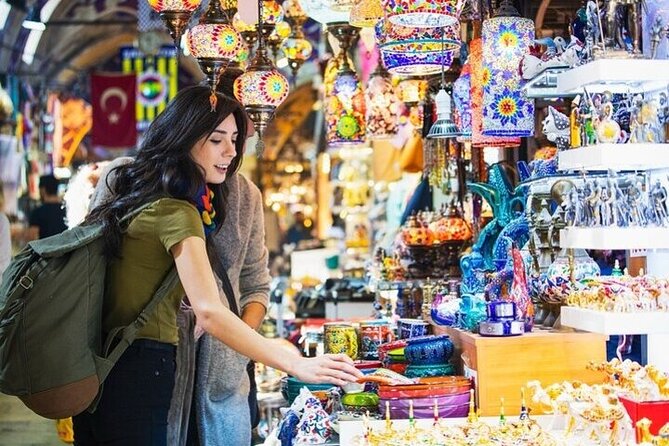
The Grand Bazaar (Kapalı Çarşı) is huge—think thousands of shops under one roof. It’s not just a place to buy souvenirs; it’s a place to watch how Istanbul trading works. You’ll likely see ceramic items, leather goods, rugs, and gold and silver shops all under the same domed roof. It’s easy to spend too long here, so I’d suggest setting a small goal: pick up a couple of practical things (spices, Turkish delight, a small leather item) and then keep moving.
Then there’s the Basilica Cistern. Even if you don’t treat it like a must-see, it’s a smart break day activity. It’s an underground Byzantine water storage space, which means cooler temperatures and a different kind of atmosphere than the open streets. Its inclusion status is a bit variable in the details, but you can ask your guide about options like Binbirdirek and Serefiye Cisterns if you want more downtime.
The main “consideration” with these stops is time. Bazaar wandering expands fast because everything is visually loud and easy to browse for an hour and then another. If you’re trying to avoid sensory overload, keep your browsing targeted and save deeper shopping for later.
The Bosphorus Cruise plus Spice Market and Taksim time
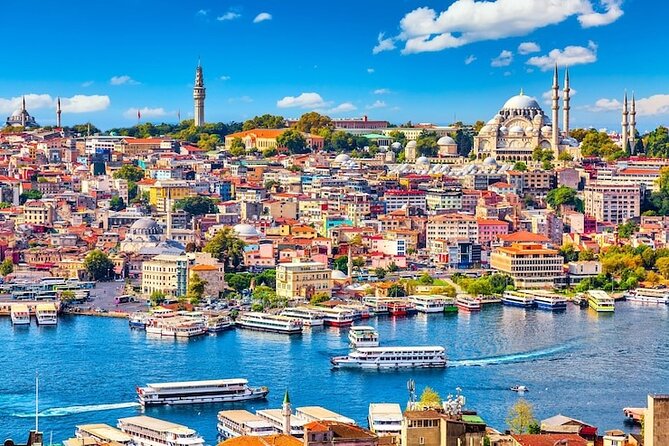
On day three, the itinerary shifts from stone landmarks to water, food, and city flow.
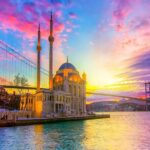
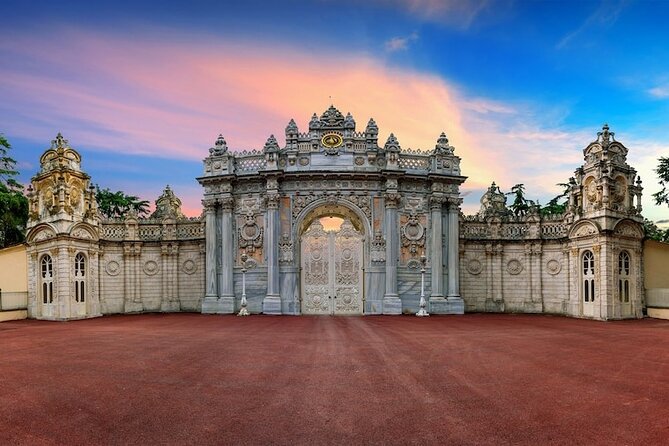
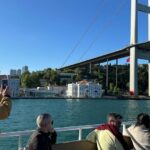
You start with a Bosphorus cruise. You can expect views of both sides of Istanbul—Europe and Asia—plus landmarks along the waterfront like Galata Tower, Dolmabahçe Palace, Beylerbeyi Palace, and the Bosphorus bridges. Even if you’ve seen photos, the cruise helps you grasp the geography: Istanbul isn’t one city. It’s a city split by the strait, and that cruise makes the split feel real.
You’ll also visit the Spice Market (Mısır Çarşısı / Egyptian Bazaar). This one is a market built around the senses—spices, nuts, honeycomb, Turkish delight, dried figs, and more. It’s a good place to buy edible gifts because it’s designed for browsing and sampling. It also pairs well with the cruise since both are “experience” stops, not just monument stops.
Finally, there’s Taksim Square time for you to explore at your own pace. Taksim is a major hub with shops and a strong connection to the city’s modern energy. It’s a useful contrast after Old City sightseeing, and it gives you room to decide what you want from the day: snack breaks, street views, or a slower wander.
One logistical reality: this day includes transfer to the airport for your flight onward to Cappadocia.
Cappadocia Red and Blue tours: early starts and real valley variety
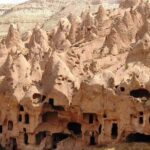
Cappadocia is where the trip becomes about shapes, rock-cut spaces, and wide viewpoints. The tour gives you two separate sightseeing styles across two days, which I like because it avoids repeating the same scenery twice.
You can also read our reviews of more private tours in Istanbul

Cappadocia Day: Red Tour and a sunrise plan
You’ll start with a Red Tour day. Your morning pickup begins around 05:00am for optional hot air balloons and sunrise viewing. The tour description also mentions a champagne toast after landing, plus a transfer back to the hotel and then the main tour start later (around 09:30am after check-out).
If you don’t want balloons, it’s still an early morning, so build in rest on the prior evening. Cappadocia is worth it, but the schedule is no joke.
Your Red Tour day includes:
- Göreme Open-Air Museum (ticket not included): famous for churches carved into rock and frescoed interiors
- Uchisar Castle: a high point for panoramic views
- Pasabag (Monk Valley): fairy chimneys, including more dramatic multi-stem rock forms
- Devrent Valley: shaped rock formations that people read as animals and faces
- Avanos Pottery Village: watching local handmade pottery
- Love Valley: another viewpoint-heavy stop
A practical note: some attractions are marked as ticket included, others not. Your guide can help you decide what to prioritize so you’re not surprised later by entrance fees.
Cappadocia Day: Blue Tour with hiking, underground, and pigeon views
The next day is a Blue Tour that leans more into walking. You’ll visit Rose Valley with hiking through the valley and rock-cut churches. You then stop in Çavuşin, an older Greek village with Christian houses and churches.
After time for lunch, you’ll visit Ortahisar Castle (storage caves and similar style to Uchisar), then move to Kaymaklı Underground City. The underground city is one of those places that feels like you’re stepping into how people survived. It’s listed as ticket not included, so budget for that if you care about subterranean spaces.
In the afternoon, you also get Pigeon Valley, known for pigeons contributing to local vineyard life. If you like photo stops tied to a local story, this is a good one. The day can also include the option to taste Cappadocia wine in a local winery.
And yes, the day ends with a clock-driven handoff: it finishes around 17:30, then you fly to Izmir around 20:30 for the next stage.
Ephesus: Roman ruins, Virgin Mary House area, and Artemis
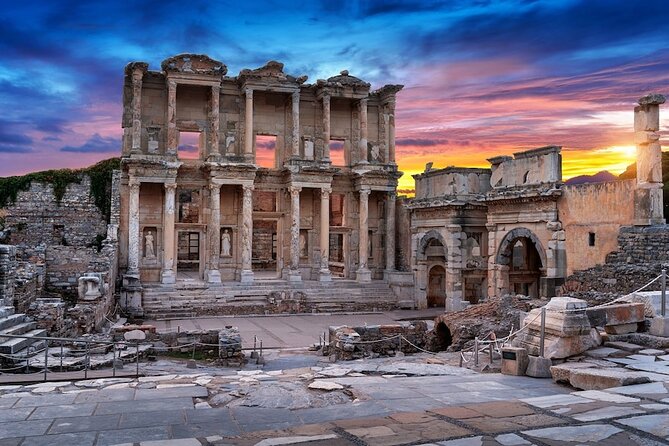
Western Turkey’s classic archaeology is the star here. Day six starts with Ephesus, one of the world’s standout archaeological sites in terms of how much remains.
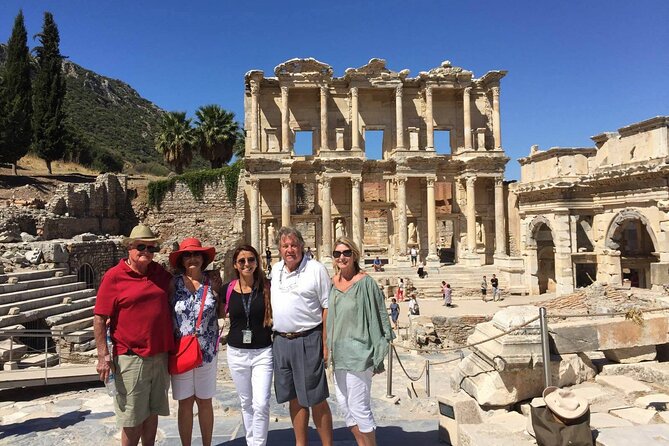
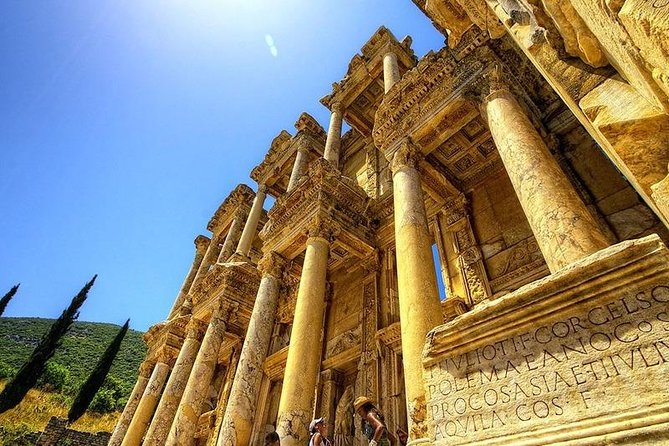
You’ll walk through a route that typically includes highlights like the Library of Celsus, the Odeon, the Grand Theatre, the Temple of Hadrian, and the Roman Bath. Ephesus works best with a guide because the city layout can be confusing once you’re inside the ruins. With guidance, you learn what you’re actually looking at and where the crowds once gathered.
The itinerary also includes the House of Virgin Mary (Meryemana) on Bulbul Mountain, plus the Temple of Artemis and Isa Bey Mosque. Important ticket note: the Virgin Mary House is listed as not included, while the Temple of Artemis is listed as free in the plan.
A helpful way to think about this day: split your expectations into two types of stops.
- The big “wow” monuments in Ephesus (theaters, libraries, main streets).
- The quieter, more reflective stops like Meryemana, where you get a break from Roman stone.
If you’re the type who wants to keep moving and just photograph everything, you can still enjoy Ephesus. But if you like understanding context, this route is built for that.
Pamukkale and Hierapolis: cotton terraces plus limestone-walk reality
Pamukkale day is a mix of beauty and boots-on-the-ground practicality.
You’ll start with Hierapolis and the Necropolis, known for thermal-bath and health-center ruins. Then you’ll go to Pamukkale (Cotton Castle) and its white travertine terraces. The look is famous for a reason: white limestone deposits from thermal springs create those stepped textures you see in photos.
Then you move into the thermal pool area, where the tour gives a clear reality check: guests must be able to walk about 0.5 miles over the travertines without shoes. That means you should consider your comfort on uneven, mineral surfaces. If you’re sensitive to foot discomfort, plan for care and pacing.
If you do the thermal pools, bring sunglasses, sunscreen, and a comfortable swimsuit. This is a daytime stop with sun and water, and you’ll be happier if you show up prepared.
Ticket note: Pamukkale and the thermal pools are marked as not included in the provided details, so budget for that portion if you want the full experience.
The day also includes a transfer to Denizli airport to catch your flight back to Istanbul, plus an overnight in Istanbul.
Price and what you still need to budget for

At $2,800 per person, this tour price only feels high or low depending on what you’re comparing it to.
What you are getting for that cost:
- 7 nights accommodation (4 or 5 stars)
- Professional guide
- All transfers and air-conditioned vehicle
- Domestic flight fares
- Breakfast included for 7 days
- All fees and taxes (as listed)
Where costs can still appear:
- Several major sites are marked as not included in the tour details. In particular: Topkapi Palace, Dolmabahçe Palace, Basilica Cistern, Göreme Open Air Museum, House of Virgin Mary, Kaymaklı Underground City, Pamukkale, and Ephesus Museum are listed as not included.
So here’s the clean way to judge value: if you want a guide-run route with flights and hotels solved, this price can be a bargain. If you plan to skip most paid attractions, it could feel expensive because key stops aren’t wrapped into the final ticket total.
Also add in tips for guide and driver and of course meals and drinks, which aren’t included.
Who this tour suits best (and who should reconsider)
This is a good fit if:
- You want private structure across multiple regions (Istanbul → Cappadocia → Ephesus/Izmir area → Pamukkale → Istanbul).
- You’d rather pay for convenience than spend your time figuring out internal travel.
- You like major monuments plus “experience” stops like markets, cruises, and valleys.
It may be a weaker fit if:
- You hate early mornings. Cappadocia starts around 05:00am for sunrise and optional balloons.
- You want museum-level access shortcuts everywhere. The Hagia Sophia plan notes that it isn’t functioning as a museum with skip-the-line priority.
- You’re trying to keep total spending minimal. Several key attractions are not included.
One more thought: the tour’s private style can still involve a lot of walking and moving days. Bring comfortable shoes, and treat the itinerary as full-on, not casual.
Should you book this 8-day private Turkey tour?
I think you should book if you want your Turkey trip to feel organized from the moment you land in Istanbul until you fly home. The big win is that you’re buying time and friction reduction: hotels, transfers, and domestic flights are handled, and you get a guide for all the key days.
I’d skip it or negotiate your expectations if you’re very ticket-cost sensitive or if you dislike early starts and security queues. The Hagia Sophia detail is a good example: plan for some waiting.
If you love the idea of Istanbul’s Ottoman/Byzantine landmarks, Cappadocia’s fairy chimneys, Ephesus’ Roman scale, and Pamukkale’s white terraces—this itinerary has the right ingredients. It’s ambitious, but it’s built to manage the moving parts.
FAQ
Is pickup included from Istanbul Airport?
Yes. You’ll be picked up from Istanbul Airport and taken to your hotel on arrival. The tour also states they can pick you up from anywhere in Istanbul.
Are domestic flights included?
Yes. Domestic flight fares are included in the itinerary as you move between regions inside Turkey.
Is breakfast included?
Yes. Breakfast is included for seven days.
Are entrance tickets included for major attractions?
Some are not included. The tour details list Topkapi Palace, Dolmabahçe Palace, Basilica Cistern, Göreme Open Air Museum, House of Virgin Mary, Kaymaklı Underground City, Pamukkale, and Ephesus Museum as not included.
What language is the tour offered in?
The tour is offered in English.
How early do you start for the Cappadocia balloon option?
Pickup starts around 05:00am for sunrise and the optional hot air balloon experience.