REVIEW · GOREME
Whirling Dervish Show
Book on GetYourGuide →Operated by Highline Cappadocia Travel · Bookable on GetYourGuide
Spinning can feel like prayer, not theater. This one-hour Sema ceremony in Central Anatolia isn’t built like a stage spectacle; it’s a real meditation-style worship moment with traditional reed instruments and a calm, focused mood.
What I love most is how seriously it treats the spiritual story, and how smoothly the ceremony uses simple body language to explain big ideas. You’ll also get a hotel pickup and an English-speaking driver, which keeps the whole thing low-stress.
One thing to plan for: filming is restricted, and the photo/video moment at the end is short, so don’t count on long clips.
In This Review
- Key things to know before you go
- What this Whirling Dervish experience really is
- The Sema story: why the body does the talking
- The music and mood: reed instruments set the pace
- What the one-hour visit feels like in practice
- Getting there: pickup, drop-off, and what to watch for
- Filming rules and the short photo/video moment at the end
- Price and value: is $49 fair for this kind of night?
- Who this is best for (and who might feel underwhelmed)
- A few respectful tips to make the most of it
- Should you book this Whirling Dervish ceremony?
- FAQ
- Where is the Whirling Dervish show located?
- How long is the experience?
- How much does it cost?
- Is hotel pickup and drop-off included?
- Is the driver in English?
- What language is used for the experience?
- Is there free cancellation?
- Can I reserve without paying immediately?
- Are you allowed to film or take photos?
- How do I know the start time?
Key things to know before you go
- It’s a Sema meditation ceremony, not a big concert-style performance
- Meaning is built into the movements: arms, cloaks, hat, and skirt all represent ideas
- Traditional reed instruments set the tone and pace for the ritual
- Hotel pickup and drop-off help you avoid logistics fuss
- Video/photo time is limited at the end, so aim to be ready when it happens
What this Whirling Dervish experience really is
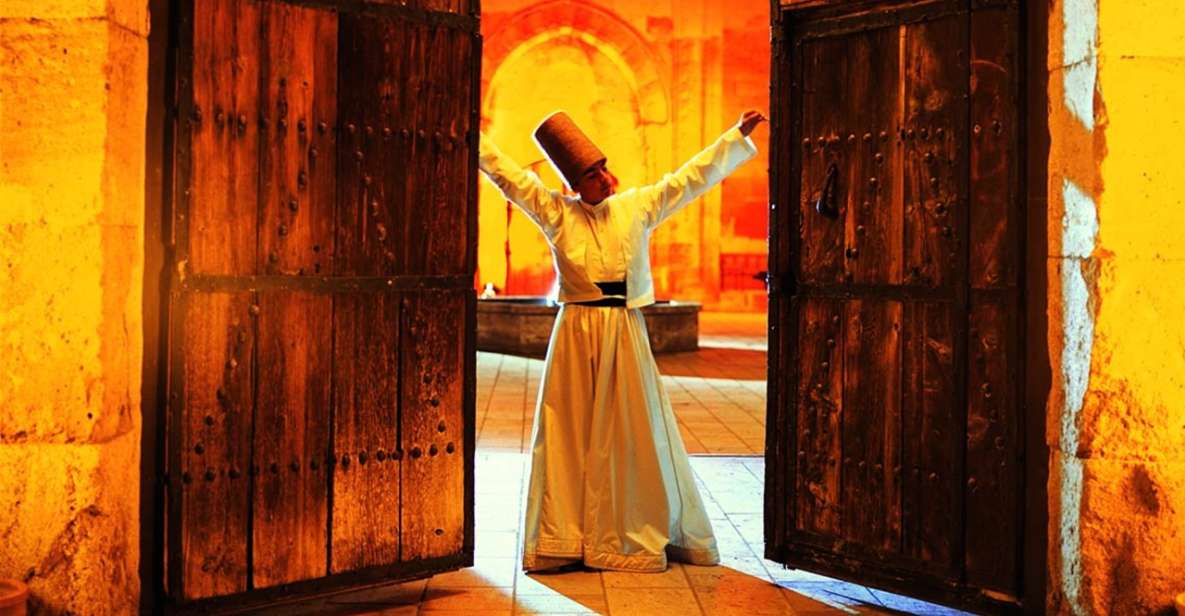
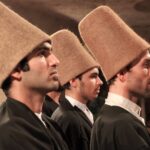
The biggest reason this works is that it does not feel like a ticketed entertainment production. The Sema is presented as worship and meditation, with the dervish movements designed to carry meaning, not to chase applause.
Think of it like you’re watching a spiritual practice up close. You’re not meant to treat it as a gimmick. The pace tends to be steady, and the atmosphere usually gives you room to pay attention.
I like that this keeps the focus on the ceremony itself. In a place like Cappadocia (Central Anatolia), it’s easy for cultural experiences to become surface-level. This one leans into tradition and symbolism instead.
A few more Goreme tours and experiences worth a look
The Sema story: why the body does the talking
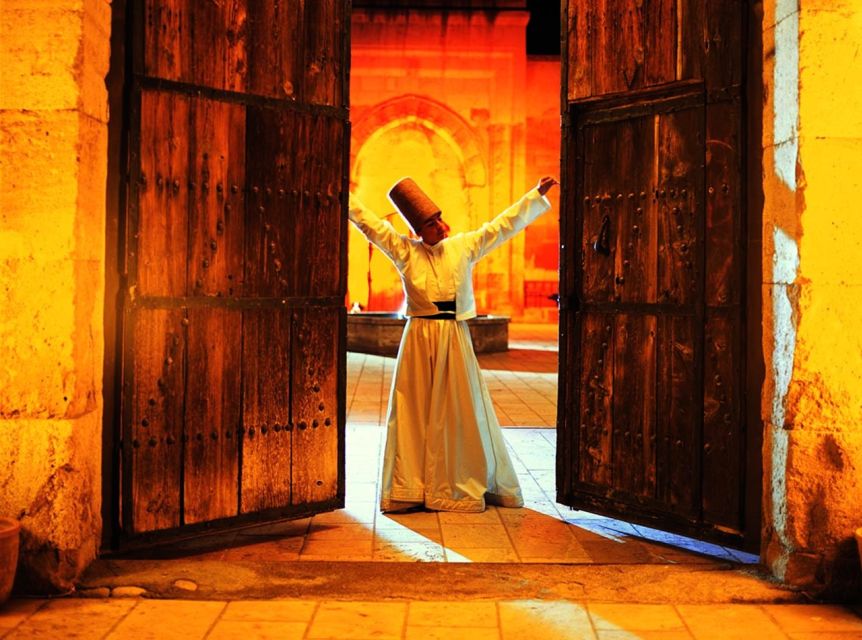
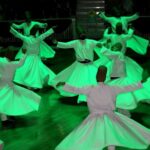
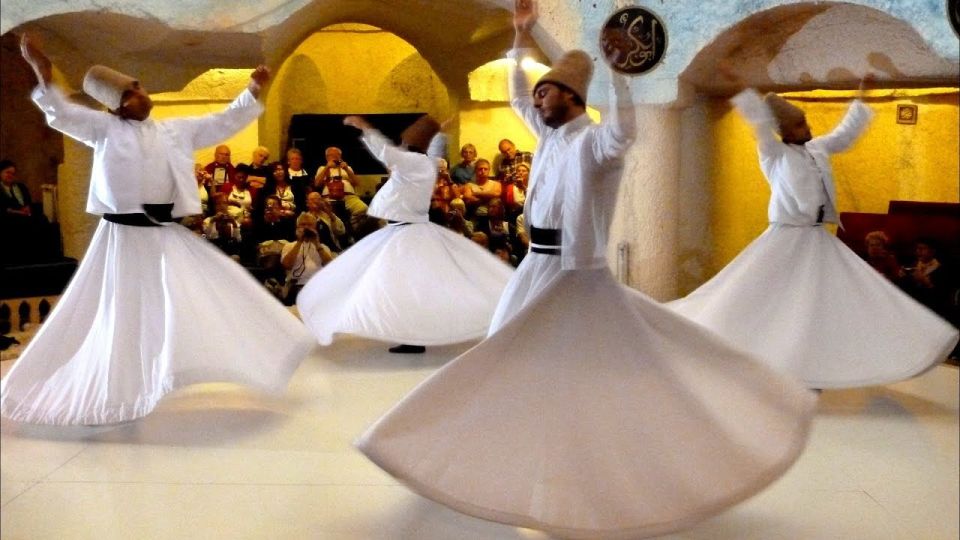
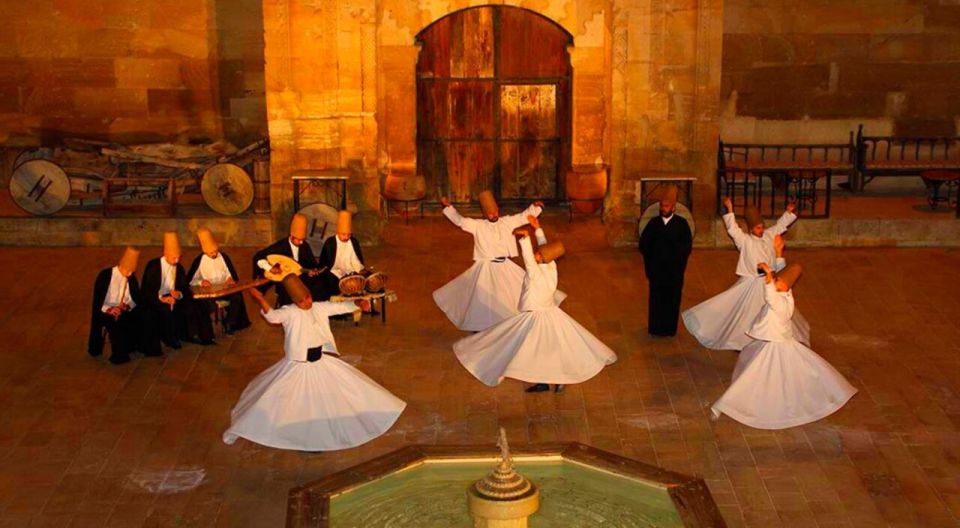
The Sema is described as a mystical journey for the soul. The dervish moves through a spiritual ascent powered by love, then finds truth, then reaches Perfect. After that inner progress, the return matters just as much: the mature person serves and loves all creatures, regardless of faith, class, or race.
The symbolism is laid out through wardrobe and movement, and it’s not random. You’re given a mental map while you watch, so the whirling reads like a sequence instead of just spinning.
Here are the key elements you’ll notice, and what they mean:
- The hat is described as the tombstone of the ego. It signals that the self steps back.
- The white skirt is described as the cover of the ego. It’s not about fashion; it’s about spiritual humility.
- The dervish takes off the black cloak, which marks the shift from heavens to spiritual maturity.
- Early in the ceremony, and then at each stage, the arms stay crossed. That position represents the number one and the witness to the oneness of Allah.
If you go in expecting dance steps only, you’ll miss the point. If you go in knowing the meaning, the same movements feel clearer and more intentional.
The music and mood: reed instruments set the pace
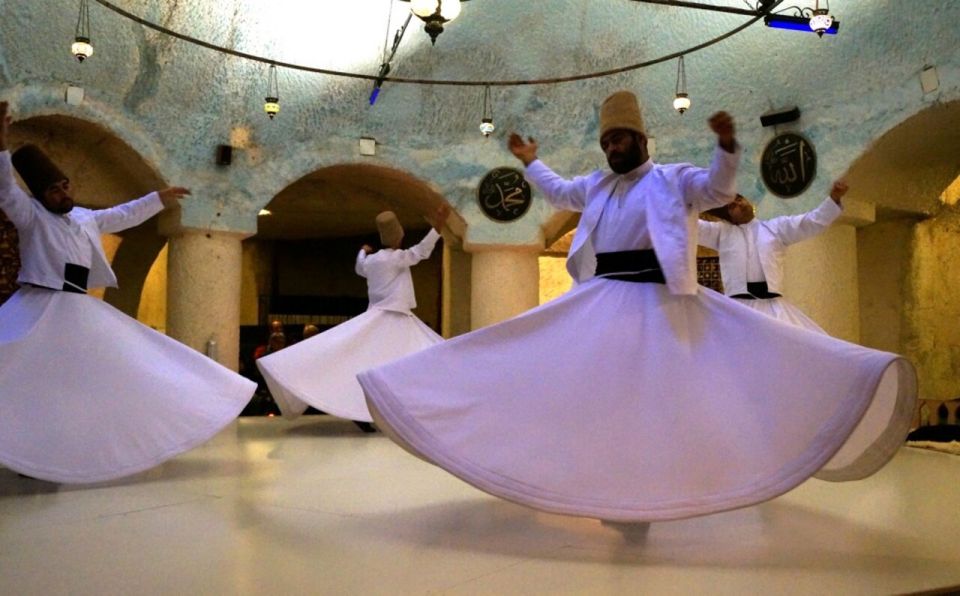
This isn’t performed with a typical pop soundtrack. It uses traditional reed instruments, which changes the feel right away. Reed instruments often sound more direct and human, and that helps the ceremony feel grounded.
Because it’s a one-hour experience, the timing matters. The music and the ritual flow together, so the ceremony doesn’t drag. You get a complete arc without needing a half-day commitment.
What I appreciate is how the sound supports meditation rather than competing with it. It’s easier to watch when the event isn’t trying to overpower you.
What the one-hour visit feels like in practice
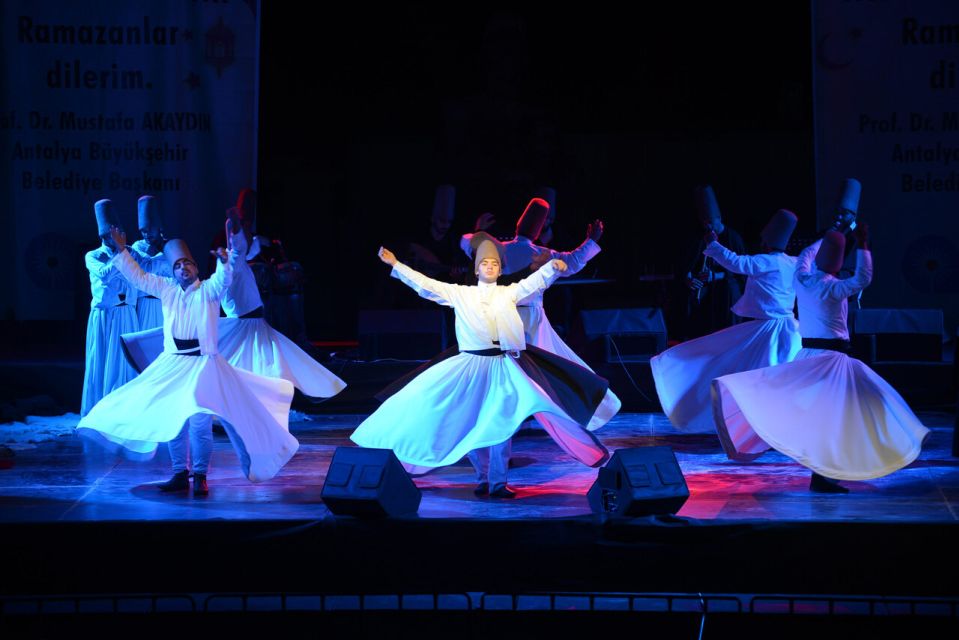
You’re looking at a tight schedule: 1 hour total. That’s good value if you’re in town for a few days and want culture that doesn’t eat your whole evening.
With a ritual like this, a shorter format can be a plus. You can treat it as a focused experience, then still have energy left for dinner, strolling, or a sunset photo session in the area.
You’ll also appreciate that hotel pickup and drop-off are included. That matters in Central Anatolia because routing and parking can be annoying. You don’t want to spend your time hunting down a van.
The driver speaks English, which helps if you have simple questions before you go in. And the event language is English as well, so you’re not stuck guessing what’s happening.
Getting there: pickup, drop-off, and what to watch for
Highline Cappadocia Travel is the provider, and they handle pickup and drop-off. In practice, that usually means they collect you from your hotel and bring you back after the ceremony ends.
A practical note from real-world logistics: one booking described getting picked up by bus from a hotel and then being dropped off at a different address in Göreme. The provider was described as friendly and helpful, but it’s a reminder that the pickup point might not always match your door-to-door expectation.
Here’s how to prepare:
- Make sure your pickup location is clear when you confirm.
- Be on time. With a 1-hour ceremony, late arrivals can ripple fast.
- Have a quick plan for how you’ll find your driver after the show.
The good news is the experience is designed to be low-effort once you’re moving. You’re not navigating the whole night by yourself.



Filming rules and the short photo/video moment at the end
This is the part to think about before you sit down. Multiple details point to filming restrictions during the ceremony. One booking noted you cannot film, but you can take photos, and then there’s a brief video/photo moment at the end lasting about 2 to 3 minutes.
Another booking called out that the photo moment can feel short, around 3 minutes, and it may not be enough time to capture everything in the way you want.
So go in with a mindset like this: watch first, capture second. If you’re the type who records everything, you may feel frustrated. If you’re okay with a few good photos, it’s usually a manageable trade-off.
If you care about photos, bring a charged phone/camera and set up early when you’re allowed. And when the end moment starts, be ready—don’t waste the first 30 seconds unlocking apps.
Price and value: is $49 fair for this kind of night?
At $49 per person for a 1-hour experience, the price lands in the middle zone for organized cultural events. What makes it feel fair is that hotel pickup and drop-off are included and the event is guided by an English-speaking driver.
You’re not just paying for seats. You’re paying for:
- transport that saves time and stress
- an organized, timed ceremony visit
- an experience centered on meaning, not a loud staged show
If you were doing this on your own, you’d still have to solve logistics and locate the ceremony. Here, someone takes care of the practical parts so you can focus on the ritual.
That said, it’s not a long evening. If you’re hoping for a multi-stop tour with lots of variety, this won’t be it. It’s focused: one ceremony, one hour, then out.
In other words: this is best when you want a single, distinctive cultural moment.
Who this is best for (and who might feel underwhelmed)
This experience suits you if:
- you like cultural practices with a spiritual backbone
- you enjoy symbolism and ritual, even if you’re not religious
- you want a short, scheduled activity with easy logistics
- you appreciate traditional music that sets a thoughtful tone
It may feel less satisfying if:
- you mainly want sightseeing variety and a long itinerary
- you plan to film extensively throughout (since filming is restricted)
- you expect something like a dance show designed for audience interaction
If you’re in Central Anatolia for a few days and you’ve already got your big-ticket sights lined up, this works well as an evening anchor. It also pairs nicely with other calm nighttime plans since it doesn’t run late.
A few respectful tips to make the most of it
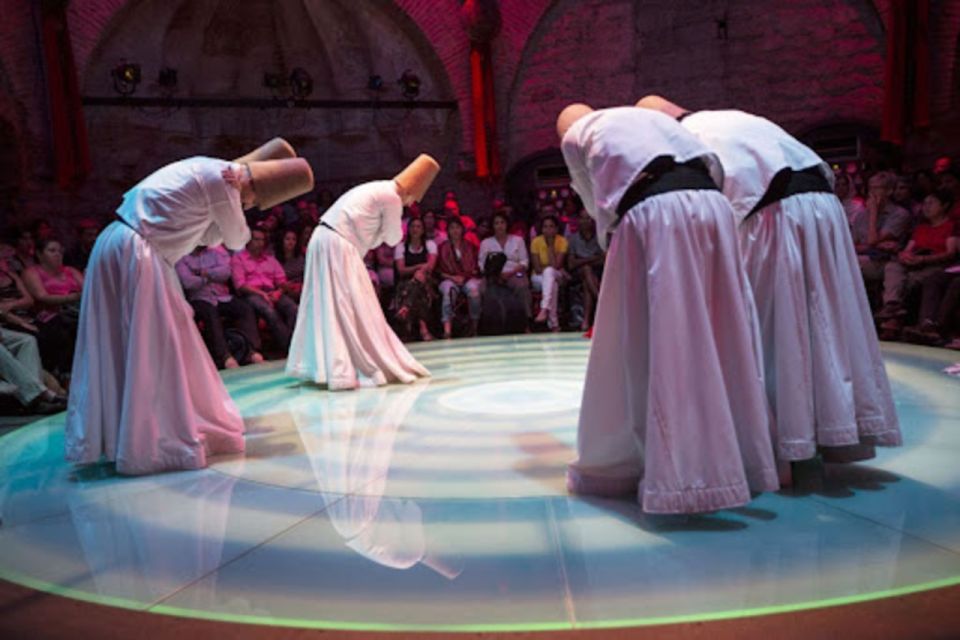
Even when you’re not sure what every moment means, you can make the experience better for yourself. The ceremony is meant to be watched with attention.
I’d suggest:
- arrive a little early so you’re settled
- keep your expectations spiritual, not theatrical
- focus on the visible symbols: hat, skirt, cloak, and the crossed-arms stages
- when the end moment comes, take what you need quickly
This is one of those experiences where your attitude changes everything. If you treat it like a movie scene, you’ll rush it. If you treat it like a practice, you’ll actually follow the story.
Should you book this Whirling Dervish ceremony?
If you want a one-hour cultural experience that leans into real Sema worship instead of a gimmicky show, I’d book it. The included pickup/drop-off, the English support, and the short, complete structure make it a practical choice.
Book it especially if the idea of the ceremony’s meaning appeals to you. The hat and skirt symbolism, the cloak removal moment, and the arms-crossed stages give you plenty to watch for, even if you’re new to the tradition.
Skip it only if filming is a must for you or if you need a longer, multi-part tour. For a focused evening in Central Anatolia, though, this is exactly the kind of ticket that feels worth the time and money.
FAQ
Where is the Whirling Dervish show located?
It takes place in Central Anatolia, Turkey.
How long is the experience?
The duration is 1 hour.
How much does it cost?
The price is $49 per person.
Is hotel pickup and drop-off included?
Yes. Hotel pick-up and drop-off are included.
Is the driver in English?
Yes. The driver is listed as English.
What language is used for the experience?
The provided language is English.
Is there free cancellation?
Yes. You can cancel up to 24 hours in advance for a full refund.
Can I reserve without paying immediately?
Yes. There is a reserve now & pay later option.
Are you allowed to film or take photos?
Filming is restricted during the ceremony, and photos are allowed. There is also a short video/photo moment at the end (about 2–3 minutes).
How do I know the start time?
The start time depends on availability. You can check availability to see starting times.