REVIEW · KUSADASI
Small Group Ephesus & Sirince Village Tour From Kusadasi / Selcuk Hotels
Book on Viator →Operated by Turkey Tours Company · Bookable on Viator
Ephesus and Sirince in one half-day plan. You’ll move through Roman Ephesus ruins and end with mountain views in Sirince Village, with a guide who keeps things clear and efficient.
I especially like the small group size (max 14), which makes it easier to ask questions and stay together. I also love that lunch is included at a Greek restaurant, so you’re not spending your limited time hunting food.
The main drawback to plan around is cost beyond the $50 rate: the Ephesus entrance fee isn’t included (listed as 40€), and you’ll also want to budget for drinks and tips.
In This Review
- Key highlights worth your attention
- The “right amount” of Ephesus for a 4–6 hour day
- Roman Ephesus: Hadrian Gate to Curetes Street, with real “spotting” moments
- Temple of Hadrian: small stop, big details you can actually notice
- State Agora: government business, not market chaos
- Admission reality check for Ephesus
- Sirince Village: mountain views and a slower pace
- Temple of Artemis and Isa Bey Mosque: short stops that still add variety
- Lunch at the Greek restaurant: included, practical, and worth it
- Price and logistics: what $50 really buys, and what to add
- The kind of guide this tour seems to reward
- Who should book this Ephesus & Sirince small-group day
- Should you book it?
- FAQ
- What does the tour include?
- How long is the tour?
- Do you pick me up from my hotel?
- What group size should I expect?
- Is the tour offered in English?
- Are entrance fees included?
- Do you provide a mobile ticket?
- Are drinks included with lunch?
- Is free cancellation available?
Key highlights worth your attention
- Max 14 people means more guide attention and less waiting around
- Hotel pickup and drop-off from Kusadasi or Selcuk saves you time and stress
- English guide with a tight, no-fluff route through the major stops
- Sirince break (1.5 hours) gives you time to wander, not just pose for photos
- Ephesus details you can spot like earthquake-repaired columns on Curetes Street
- Lunch included at a Greek restaurant keeps the day feeling complete
The “right amount” of Ephesus for a 4–6 hour day
This is the kind of tour that fits real life: you’ve got limited time, you want the big hits, and you still want your brain to make sense of what you’re seeing. With pickup from your hotel and an air-conditioned vehicle, you’re not spending your morning decoding transport.
The route is built around walking the key Ephesus corridors and monuments rather than trying to “do everything.” That matters because Ephesus is huge. When you try to self-tour every corner, you end up tired, lost, or both. Here, you get a guided flow that keeps your pace steady and your photos timed.
You’ll also benefit from the operator’s focus on smooth timing. The tour is specifically described as returning on time for cruise schedules, which is exactly what you want if your port day feels like it’s running on a stopwatch.
Cost-wise, think of the $50 as buying you the guiding, transport, lunch, and organization. You’re still responsible for entrance fees where listed, so your total spending depends on how you handle those tickets once you arrive.
You can also read our reviews of more tours and experiences in Kusadasi.

Roman Ephesus: Hadrian Gate to Curetes Street, with real “spotting” moments
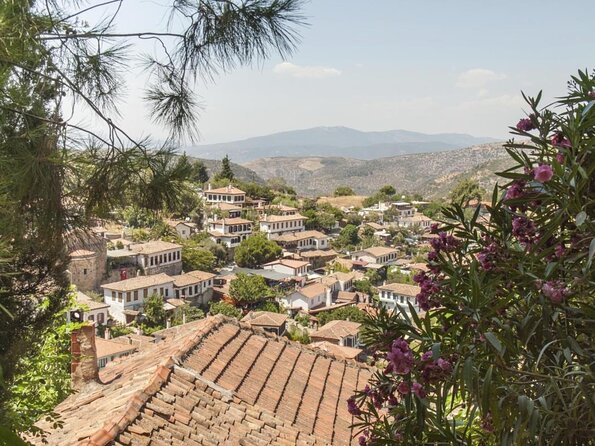
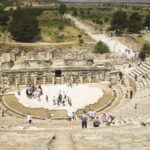
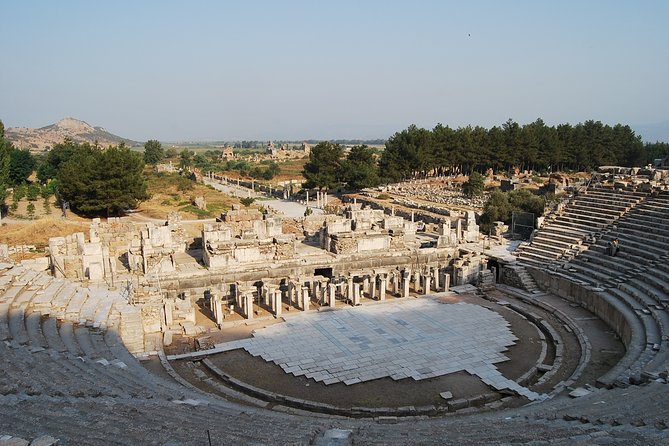
Ephesus is not one monument. It’s a city of sights, layered by time, and this tour focuses on the parts you can actually connect together. You start with the ancient core and move along the routes where you’d naturally pass between the major structures.
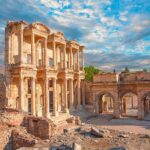
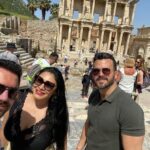
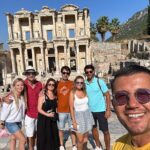
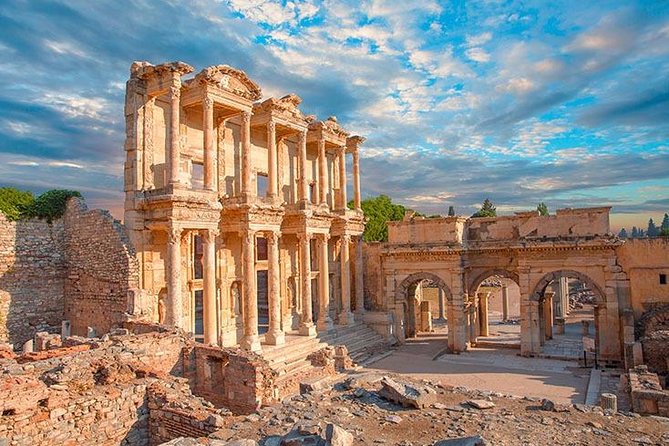
You’ll see stops like Hadrian Gate, the Library of Celsus, Marble Street, and Harbour Street as part of the bigger Ephesus walk. You’re given a sense of how the city moved—what was public, what was ceremonial, and what was practical.
One of the most interesting parts is the attention to Curetes Street. This street wasn’t named randomly. It’s connected to the priests called Curetes, and you can understand why the street feels like a formal spine of the city. You’ll also hear what to look for after earthquakes damaged earlier structures: some columns were restored and later replaced with columns brought from other buildings. The result is that differences in column design are still visible today—an easy “wow” moment that doesn’t require a textbook.
Temple of Hadrian: small stop, big details you can actually notice
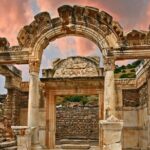
On Curetes Street, you also stop at the Temple of Hadrian, one of the best-preserved structures in that area. From the outside, the facade is described as having four Corinthian columns and a curved arch, with a relief of Tyche (goddess of victory) in the middle.
Inside (or in the area you can see), you’ll notice sculptural details above the door: a human figure, described as likely Medusa, plus ornamentation with acanthus leaves. There are friezes too—stories connected to the foundation of Ephesus, including figures connected to Androklos, Dionysus, and the Amazons. The tour notes that what you see now includes copies, while the originals are displayed in the Ephesus Museum.
This is a good example of why you want a guided route. Even in a 10-minute stop, you’re not just staring at stone—you’re learning what stone is trying to tell you.
State Agora: government business, not market chaos
Another quick-but-meaningful stop is the State Agora. You’ll be in an area built in the Roman period (first century B.C.), and the key point is that it wasn’t mainly for commerce. It served as a meeting place for governmental discussions.
If you’re the type who likes “why does this place matter,” this stop delivers. During excavations, graves from the 7th–6th centuries B.C. were found nearby, along with a stone-paved road and an archaic sarcophagus made of terra cotta. You’ll also hear about a water reservoir at a corner of the Agora, supplied via the Pollio Aqueduct—with remains described as about 5 kilometers away.
That’s the kind of information that turns ruins from scenery into a functioning city in your mind.
Admission reality check for Ephesus
Here’s the practical part: the Ephesus entrance fee is 40€, and it’s not included in the base price. The good news is that you can pay the guide for skip-the-line tickets, which helps you avoid wasting time when lines are long.
If you’re budgeting, treat the entrance fee as a “must” rather than an optional add-on.



Sirince Village: mountain views and a slower pace
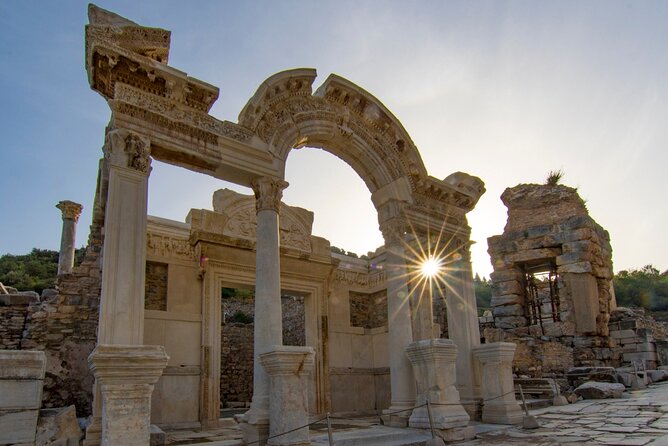
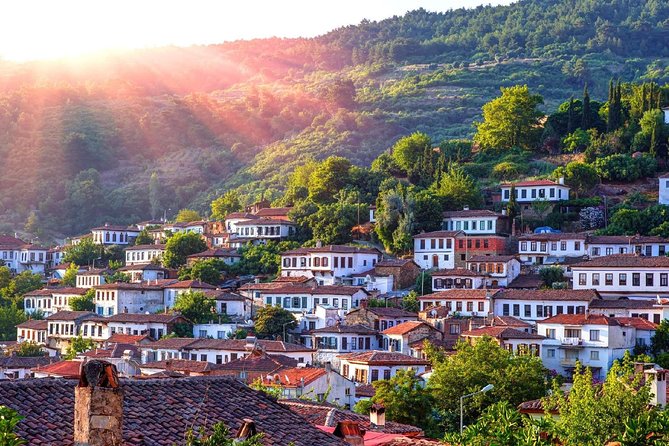
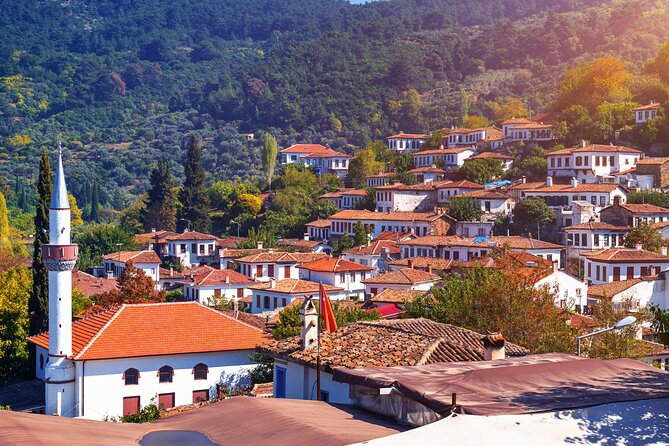
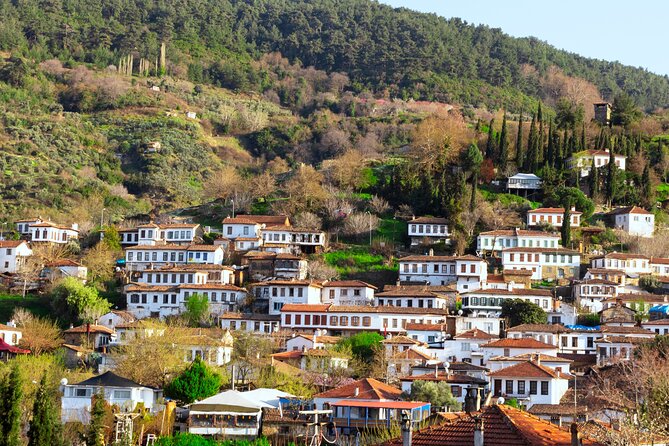
After the Roman intensity of Ephesus, the day shifts to Sirince, a mountain village with that “slow down” feeling you rarely get in a half-day tour. You’re there for about 1 hour 30 minutes, which is the sweet spot for real strolling.
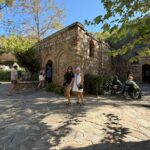
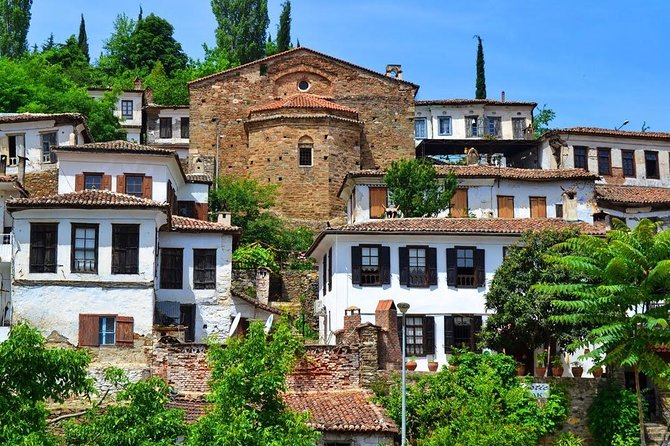
You’ll visit the church and then get free time to wander. The tour highlights traditional vine houses, and you’ll likely notice how the village’s buildings follow the terrain rather than fighting it. This is the moment to take your time on photos and just enjoy the view directionally—more like a viewpoint day than a museum day.
A quick note: because this part is less about structured history and more about atmosphere, it’s also where you’ll get the most benefit from timing. Go early for the best photos, and save your shopping or browsing for later so you’re not constantly re-checking the group.
This stop is also a reminder that “Ephesus day” doesn’t have to feel like one long walk. Sirince gives you a break from ruins without turning the tour into something unrelated.
Temple of Artemis and Isa Bey Mosque: short stops that still add variety
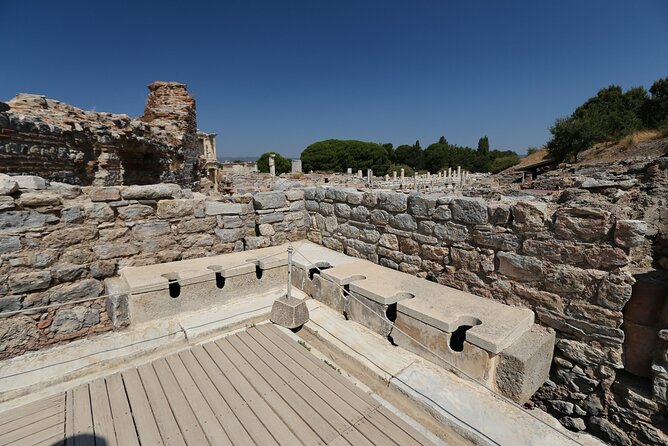
This itinerary keeps the “major sights” moving, so Temple of Artemis is brief—around 15 minutes. It’s listed as free admission, which helps you stick to budget.
Even in a short visit, Artemis is worth seeing because the site is instantly recognizable as one of antiquity’s famous names. What you’ll want to do is manage expectations. Think of it as a quick orientation and photo stop, then move on rather than trying to take in everything like you would in a full-day museum plan.
Then you’ll have Isa Bey Mosque for about 30 minutes, also listed as free admission. This is a great contrast to Ephesus: instead of Roman streets and columns, you’re in a religious and architectural space tied to later periods.
If you like variety in your sightseeing, those two stops work well together. If you’re the kind of person who wishes every stop were longer, you may feel the time pressure here—especially after Ephesus.
Lunch at the Greek restaurant: included, practical, and worth it
Lunch is included, and that matters more than it sounds. On days like this, food is often the hidden expense and the hidden time drain. By including lunch, the tour helps you avoid splitting up plans or rushing through a meal.
The lunch is described as served at a Greek restaurant, which fits the broader Aegean vibe of the region. Drinks are not included, so if you’re planning to order soda, tea, or something stronger, keep that in mind when you budget.
One small strategy: eat like you’re preparing for walking. A filling lunch means you won’t be tempted to skip your final stops later due to low energy.
Price and logistics: what $50 really buys, and what to add
On paper, $50 per person sounds like a bargain for a guided, air-conditioned half-day with pickup and lunch. In practice, you should look at it as two layers.
Layer one: the rate covers professional guide, pickup and drop-off, insurance, and a fully air-conditioned vehicle. It also includes lunch. That’s a solid package, especially if you’re staying in Kusadasi or Selcuk and don’t want to deal with a DIY plan.
Layer two: you’ll likely add Ephesus entrance fees (40€) and any extra purchases such as drinks. Tips are also not included, so budget a little for that if you want to reward good guiding.
Two more logistics details to be aware of:
- This tour maxes at 14 travelers, which can be a relief compared with large buses.
- If you’re staying in Ozdere hotels or Guzelcamli hotels, the tour notes you should pay an extra 20€ each way for transfer.
If you’re doing a cruise day, the operator mentions a guaranteed return on time to the cruise, which is the kind of line you really care about when your ship leaves no matter how your photos turn out.
The kind of guide this tour seems to reward
The biggest “soft” value here is the guide. In the reviews, Umut Kurt comes up as a standout—attentive, informative, and fun, with a focus on local flavors and must-see details.
That shows in the structure of the stops. The day isn’t just a checklist. You’re given enough context to know what’s important—like why Curetes Street has visible column differences after earthquakes, or how the State Agora ties to government discussions rather than shopping.
In other words: you’re not just walking; you’re learning how to read what you’re seeing.
Who should book this Ephesus & Sirince small-group day
Book this tour if you want:
- A guided Ephesus visit without spending hours planning routes
- A manageable half-day that still covers the major highlights
- Sirince Village time for views and relaxed wandering
- Included lunch so your day doesn’t get derailed by food searches
Skip it (or compare alternatives) if:
- You want to spend many hours deep inside Ephesus at a slow pace
- You prefer to decide your own timing for each site without fixed stops
- You’d rather skip entrance fees and build your own route from scratch
Should you book it?
I’d book this if your goal is a strong, efficient Ephesus and Sirince day with hotel pickup, lunch, and an English guide who helps you make sense of what you’re seeing. The small group size and the guide-led “what to notice” approach make it feel like more than a quick sightseeing drive.
Only hold back if you’re very price-sensitive after entrance fees, or if you know you want more time in Ephesus than a guided route allows. For most people doing a first visit to the Kusadasi/Selcuk area, this is the right kind of day: structured enough to be easy, varied enough to stay interesting.
FAQ
What does the tour include?
The price includes lunch, a professional tour guide, pickup and drop-off, insurance, and a fully air-conditioned vehicle.
How long is the tour?
It runs about 4 to 6 hours.
Do you pick me up from my hotel?
Yes. Pickup and drop-off are provided from hotels in Kusadasi or Selcuk in the morning and at the end of the tour.
What group size should I expect?
The tour has a maximum of 14 travelers.
Is the tour offered in English?
Yes, it is offered in English.
Are entrance fees included?
Ephesus entrance fee is listed as 40€ and is not included. Some other listed stops are shown as free admission.
Do you provide a mobile ticket?
Yes, a mobile ticket is offered.
Are drinks included with lunch?
No. Drinks are not included.
Is free cancellation available?
Yes. You can cancel up to 24 hours in advance for a full refund.