REVIEW · GOREME
LET’S GO HİKİNG TO DİSCOVER CAPPADOCİA..
Book on GetYourGuide →Operated by Hiking & Daily Rental House · Bookable on GetYourGuide
Cappadocia makes a lot more sense on foot. This full-day hike strings together White, Love, Red, and Rose Valleys with real cave dwellings and churches—so you get the story behind the fairy-tale scenery. You’ll cover about 15 km / 9.3 miles (with an optional extra loop) while a local guide keeps explaining what you’re looking at.
I really like the way the day balances walking with actual learning time. Halil (the guide name that shows up again and again in people’s experiences) doesn’t just point things out—he guides you to spots for photos, and he also slows down to answer questions. The best part is that you don’t feel stuck on a bus schedule; you move valley by valley at a human pace.
One drawback to plan around: this is a serious hiking day. It’s not for wheelchairs or people with mobility impairments, and you should expect uneven stone paths, sun exposure, and a lot of time outdoors.
In This Review
- Key things to know before you lace up
- Why Cappadocia looks different when you walk it
- Meeting point, pickup, and the small-group feel (max 8)
- White Valley to Love Valley: fruit breaks and fairy chimneys up close
- Cave beds, cave houses, and how the rock tells daily life stories
- Red and Rose Valley churches: time to look, not just pass through
- Picnic lunch with views: fuel that actually matches the hike
- Çavuşin finale: castle ruins, frescoes, and the oldest village feel
- The Paşabağ option: when that extra 3 km is worth it
- Price and value: what $102 gets you in a day like this
- What to bring: shoes, sun protection, and camera timing
- Who this tour fits best (and who should skip it)
- Should you book this Cappadocia hiking tour?
- FAQ
- How long is the tour?
- What distance will we walk?
- Where do we go during the hike?
- Is pickup and drop-off included?
- What food and drinks are included?
- What languages are the guides?
- Is it suitable for wheelchair users or mobility impairments?
Key things to know before you lace up
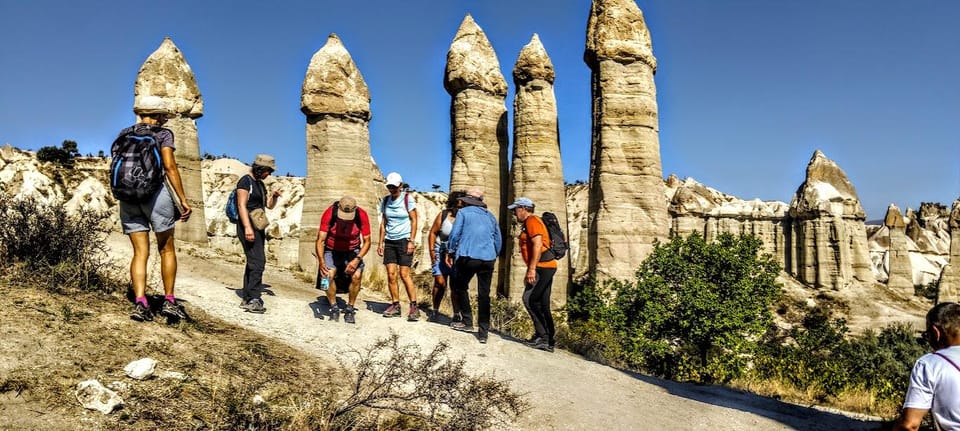
- 15 km / 9.3 miles of valley hiking, with an optional extra 3 km / 1.8 miles extension to Paşabağ
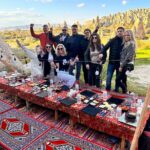
- Small group size (up to 8), which makes it easier to move, ask questions, and take photo breaks
- Cave churches and cave houses, including pigeon houses, where you’ll see how people adapted to the rock
- Fresh drinks and a picnic lunch: 1.5 liters of water plus two glasses of juice
- Çavuşin’s castle ruin and a 5th-century church with frescoes as a strong finale
- English and French guiding, so you’re not stuck guessing at what you see
Why Cappadocia looks different when you walk it
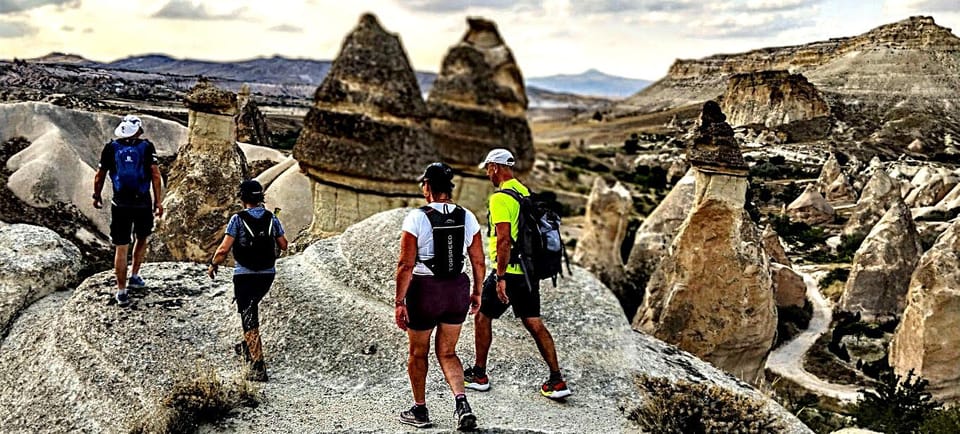
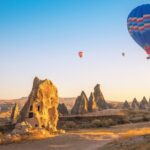
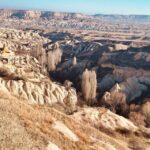
Cappadocia’s famous shapes aren’t just scenery you glance at from a viewpoint. Walking the valleys makes the geology readable. You can see how the soft rock was shaped into dwellings, and then how later communities carved churches and everyday homes into the same material.
What you get here is more than an itinerary of places. It’s a connected loop through the areas where the “fairy chimney” world becomes practical human history. As you drop through valleys, the guide explains what formed the rock and how people lived in caves long after the landscape was already shaped.
And because it’s a small-group hike, you get a calmer rhythm than the big buses. You’ll have time to stop, look, and take pictures without feeling rushed every ten minutes.
You can also read our reviews of more tours and experiences in Goreme.


Meeting point, pickup, and the small-group feel (max 8)
Your day starts with pickup from your accommodation by vehicle, then a drive toward the hike start near Uçhisar. If you’re in the Göreme area, there are also two pickup options: Göreme Otobüs Terminali or Goreme Municipality. Either way, you’ll want to be ready outside your lodging about 5 minutes early.
This tour runs as English or French guided with a group limited to 8 participants. That limit matters. When the route gets steeper or the ground gets uneven, a small group lets the guide adjust timing and pace. Many people specifically mention feeling safe and looked after on tricky sections, especially in hot weather.
A practical note: baby strollers aren’t allowed, and the hike isn’t suitable for wheelchair users or people with mobility impairments. If you’re traveling with someone who needs accessibility accommodations, you’ll need a different type of tour.
White Valley to Love Valley: fruit breaks and fairy chimneys up close
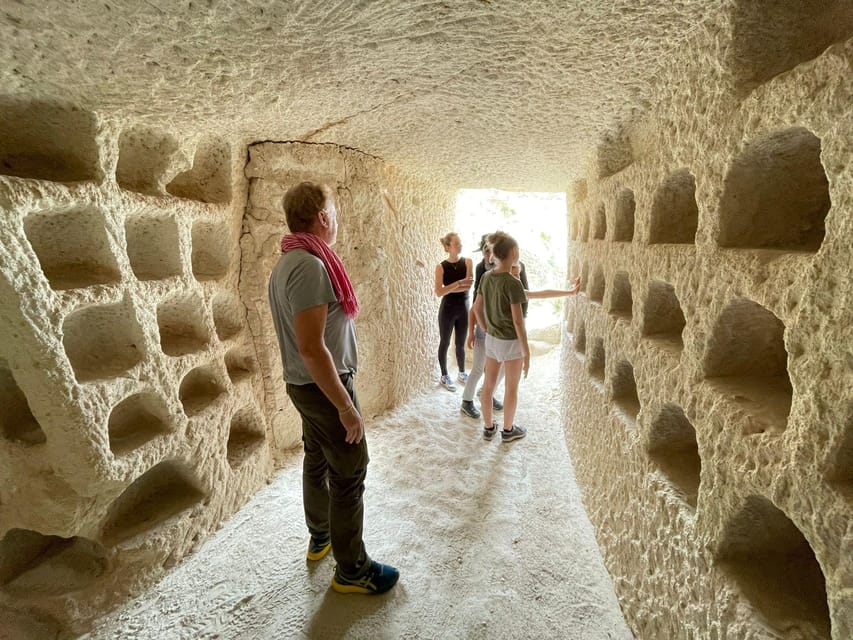
The first major walking chunk heads through White Valley. This is where the guide sets the foundation for the day—explaining the area’s geology and history while you move through the rock formations. It’s also one of those moments where being on foot helps you notice details you’d miss from a roadside stop.
If you’re traveling in season, you may also have the chance to try local fruits and plants when they’re available. It’s a small touch, but it’s exactly the kind of local contact that makes the valleys feel less like a theme park.
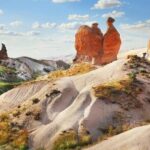
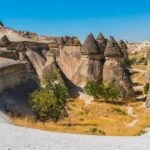
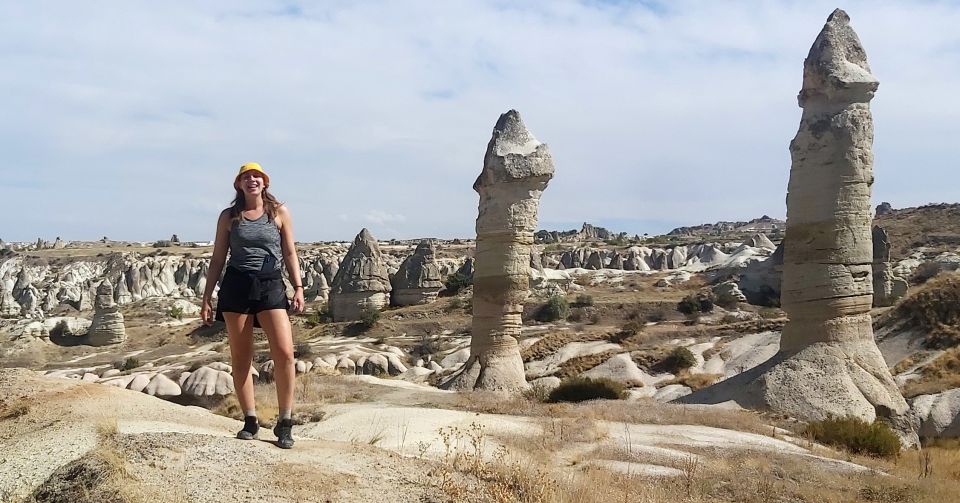
Then you slowly descend into Love Valley. This is where the “fairy chimney” shapes become the main event. The valley’s name is a clue: the cone and column rock formations look like they’re built for a storybook, but the guide connects those shapes to how the rock formed over time.
The hike schedule gives about 2 hours in Love Valley. That’s a realistic amount of time to roam, climb a bit, and still return for the next segment without sprinting.
Cave beds, cave houses, and how the rock tells daily life stories
After Love Valley, you’ll get a refreshment stop, then move toward one of the most striking “wow” moments: a cave furnished with beds that can still be used today.
This kind of stop matters because it shifts the conversation from views to daily life. It helps you picture what it meant to sleep in rock-cut spaces, and why these caves weren’t just shelters—they were homes with routines, not just tourist backdrops.
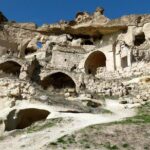
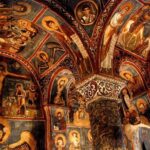
Next comes the stretch through Red and Rose Valleys, which are packed with human marks on the geology. Here you explore cave houses and pigeon houses. The pigeon-house system is an important part of how communities used these valleys. You’ll also see churches carved into the rock, and the day includes time to visit two churches that are very well preserved.
People consistently highlight these churches as a major reason to book this hike instead of sticking to the most standard viewpoint route. When churches are tucked into the valleys and not on the main bus circuit, you’re more likely to actually notice the carvings and preserved details.
Red and Rose Valley churches: time to look, not just pass through
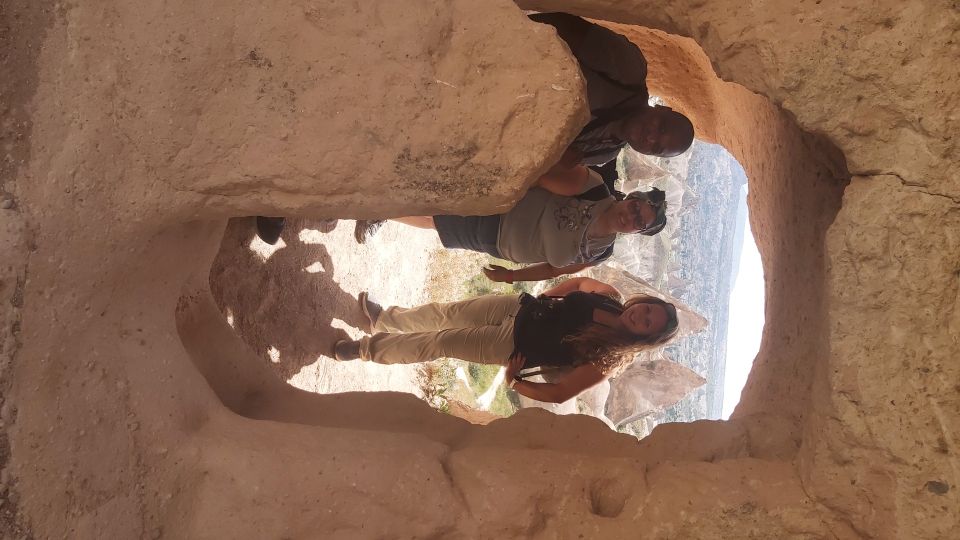
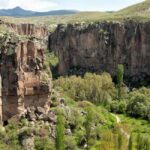
In Red Valley, you’ll spend around 100 minutes hiking. Rose Valley is also about 100 minutes before lunch. These blocks are long enough to feel like you’re exploring rather than just walking a corridor.
A common theme in people’s experiences is that Halil helps you find the spots that aren’t obvious from a quick glance. That means you’re not just taking pictures—you’re learning what the photo angle is revealing, and why certain rock formations and church areas matter.
You’ll also get breaks built into the pacing. Between the hot air and the uneven footing, it’s worth having a guide who can adjust the day based on the group’s condition. Some visitors mention that the guide kept a comfortable pace and adapted when someone needed extra time.


Picnic lunch with views: fuel that actually matches the hike
Lunch is picnic-style, provided by the guide. It’s scheduled for about 1 hour in the middle of the Red/Rose segment, with a longer break to enjoy both the food and the view.
You’re also provided with 1.5 liters of water per person plus two glasses of freshly squeezed juice (orange or pomegranate), and there’s a small snack as well. That matters on a hike this long. If you’ve ever shown up for a long walking day and realized too late you’re under-drinked, you’ll appreciate having the basics handled up front.
Some people also mention tea and coffee during breaks along the way, which can be a nice reset if you’re walking under strong sun.
By the time you finish lunch, you’ll understand why the guide chooses these pauses. It’s not random. The breaks are placed so you can refuel while the valley views are still part of what you’re seeing, not just something you catch later from a taxi window.
Çavuşin finale: castle ruins, frescoes, and the oldest village feel
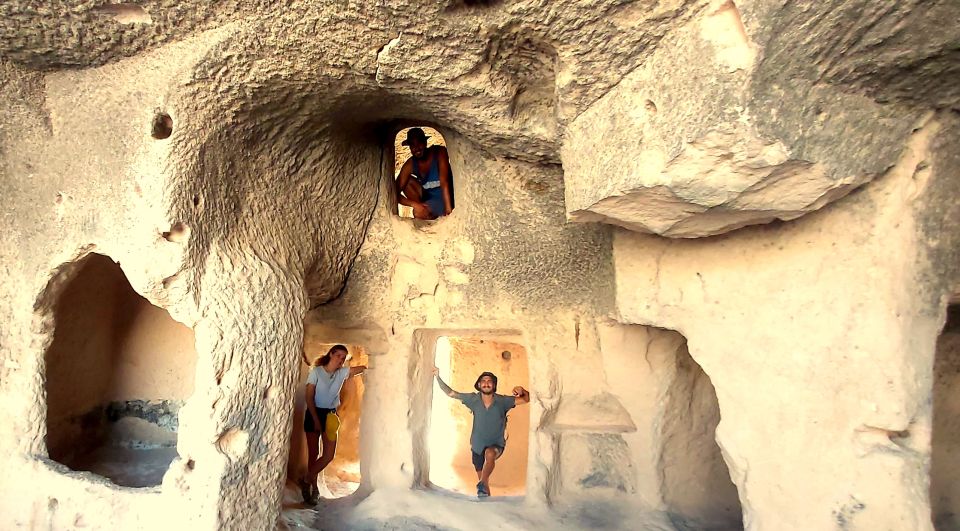
The hike finishes in Çavuşin, described as the oldest village in the heart of Cappadocia. This is a great finale because the day shifts from “valleys and shapes” into “people and place.”
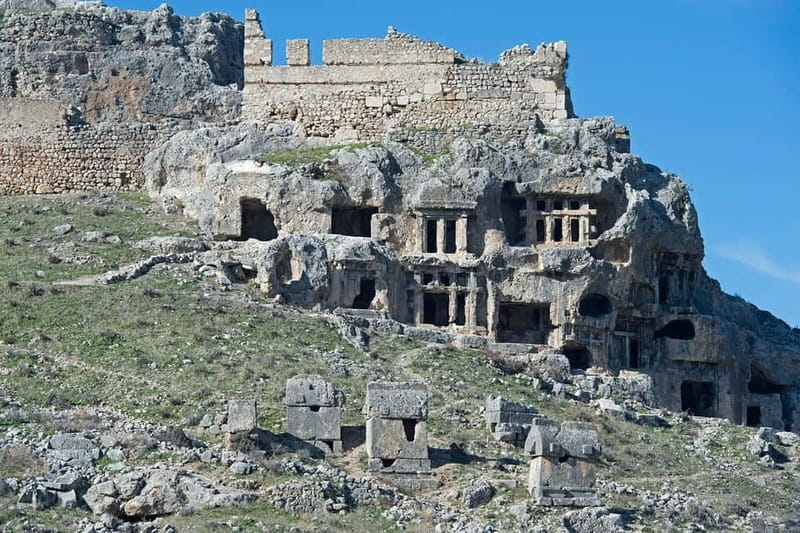
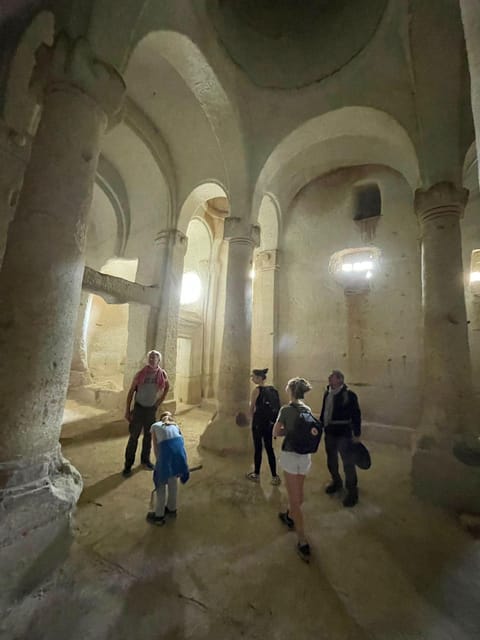
You’ll hike about 1.5 hours in Çavuşin, ending near the imposing castle ruin and the 5th-century church with frescoes. That church stop is a powerful closing note. It’s the kind of place where you can see layers of time—rock homes, later religious life, and artistic details that survived long enough to still be meaningful today.
From a practical standpoint, finishing in Çavuşin also keeps the day’s last portion memorable without demanding another massive distance. Then you’ll be driven back to your accommodation after a full day exploring and hiking the valleys.
The Paşabağ option: when that extra 3 km is worth it
There’s an optional extension to Paşabağ (also called Monks Valley). If you have time and your condition allows, it’s offered at no extra cost.
The add-on is 3 km / 1.8 miles, and it pushes your total from about 15 km to about 18 km / 11.1 miles. For many people, that extra distance is exactly what they want: another dose of rock formations and a deeper look at the Cappadocia “fairy chimney” world.
How to decide? If you still feel strong after the Çavuşin section and your feet are doing fine, it’s a good way to get even more from a day that already covers a lot. If you’re dealing with heat, blisters, or you’re not sure about footing, it’s completely reasonable to stick with the core route.
Price and value: what $102 gets you in a day like this
The price is $102 per person for a 7.5-hour experience. On paper, that can look like “just a hike.” In practice, it’s more.
Here’s the value logic I’d use:
- You’re paying for a guide who manages the whole route across multiple valleys, including cave churches and local history/geology explanations.
- The group is capped at 8, which reduces the stress of crowding and improves the odds of getting your questions answered.
- It includes transport (pickup and drop-off) from your accommodation area.
- It includes food and drink: picnic lunch, 1.5 liters of water, and two freshly squeezed juice glasses, plus a small snack.
If you were to recreate this yourself, you’d spend time arranging transport, then finding the exact walking connections between valley areas, then solving the water/meal question. Even if you’re an independent traveler, a guided day like this often costs less in time and effort than you’d expect.
What to bring: shoes, sun protection, and camera timing
This is the kind of day where small preparation decisions make a big difference.
- Wear mountain shoes / proper hiking footwear (people explicitly recommend sturdy shoes). The ground can be uneven, and you’ll walk a lot.
- Bring sunglasses and a hat. The tour notes these as essential for comfort.
- Keep your camera ready. The day is built around photo chances, especially in Love Valley and among the rock-cut church areas.
- Expect strong sun. The valleys can feel bright and exposed, so don’t treat this like a shaded stroll.
Also, plan for real walking time. Even though there are breaks, you’re still doing a long distance on foot. The guide’s pacing helps, but you’ll feel it afterward.
Who this tour fits best (and who should skip it)
This is a great match if:
- You want Cappadocia beyond the big crowd viewpoints and want to learn while you walk.
- You enjoy geology, rock-cut churches, and cave dwellings more than souvenir stops.
- You’re comfortable with 15 km / 9.3 miles and being outside for most of the day.
It’s not the right match if:
- You have mobility impairments, need wheelchair access, or would struggle with uneven terrain.
- You have epilepsy (not suitable).
- You’re traveling with a baby stroller (not allowed).
- You’re outside the stated age suitability (babies under 1 year and people over 95 years).
If you’re a solo traveler, you’ll likely appreciate the small group structure. Some people also mention feeling safe and comfortable throughout the hike.
Should you book this Cappadocia hiking tour?
Book it if you want the best blend of walking, geology explanations, and cave history in a single day, without feeling trapped in tourist-only stops. The combination of White/Love/Red/Rose Valleys plus Çavuşin’s frescoed church makes the route feel like a full story, not a checklist.
Skip it if you want an easy stroll or if your group needs high accessibility. This day is built for people who enjoy real hiking—just with a guide who can keep the pace human and the breaks frequent.
If you’re choosing between a quick sightseeing day and a true walking experience, this is the one that turns Cappadocia into something you actually understand on your feet.
FAQ
How long is the tour?
The duration is 7.5 hours.
What distance will we walk?
The hike totals 15 km / 9.3 miles. There’s also an optional extension of 3 km / 1.8 miles to Paşabağ if time and your condition allow.
Where do we go during the hike?
You’ll explore White Valley, Love Valley, Red and Rose Valleys, and the village of Çavuşin, with an optional stop at Paşabağ.
Is pickup and drop-off included?
Yes. You get pickup and drop-off from your accommodation by vehicle. There are also two pickup locations in the Göreme area: Göreme Otobüs Terminali and Goreme Municipality, with drop-off at the same two points.
What food and drinks are included?
You’ll have a picnic lunch, 1.5 liters of water per person, 2 glasses of freshly squeezed juice (orange or pomegranate), and a small snack.
What languages are the guides?
The tour is guided in English and French.
Is it suitable for wheelchair users or mobility impairments?
No. It is not suitable for people with mobility impairments or wheelchair users, and it’s also not suitable for people with epilepsy.