REVIEW · KUSADASI
Kusadasi: Ephesus & House of Virgin Mary Fully Guided Tour
Book on GetYourGuide →Operated by City Of Sultans · Bookable on GetYourGuide
Ephesus is better with a guide. This full-day tour strings together the big-name sights in Kuşadası’s best-known ancient zone, from Ephesus to the House of the Virgin Mary, with helpful context along the way. Two things I especially like are the slow, guided walk through the ruins and the time you get to understand what you’re seeing instead of just snapping photos. One thing to consider: entrance fees for Ephesus and the House are extra and must be paid in cash to your guide.
Your day starts at the cruise ship port and stays cruise-friendly. You’ll ride in a luxury vehicle, then enter Ephesus through the Magnesia Gate for a downhill route that hits the Odeum, the Library of Celsus, the Temple of Hadrian, the Fountain of Trajan, and the Great Theater. After that, you’ll drive just outside Ephesus for the House of the Virgin Mary, and then end with the Temple of Artemis site. The possible drawback is that the itinerary is packed, so if you want a super-slow, open-ended wander, you’ll have less freedom.
What makes this work is the mix of big landmarks and practical planning. You get skip-the-ticket-line priority at Ephesus and the House of the Virgin Mary, plus a live English-language guide (and other languages are available). Reviews also point to a private-tour setup where the guide can slow down and share plenty of background, which is exactly what you want in a place this layered.
In This Review
- Key Points to Know Before You Go
- What Makes This Ephesus Tour Worth an 8-Hour Cruise Day
- From Kusadasi Port to Ephesus: Pickup and Timing That Matters
- Entering Ephesus Through Magnesia Gate: The Walk That Sets the Route
- Odeum, Library of Celsus, Hadrian, Trajan, and the Great Theater
- Odeum: Ephesus’s Music and Performance Side
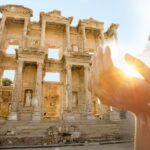
- Library of Celsus: The Stop That Changes Your Photos
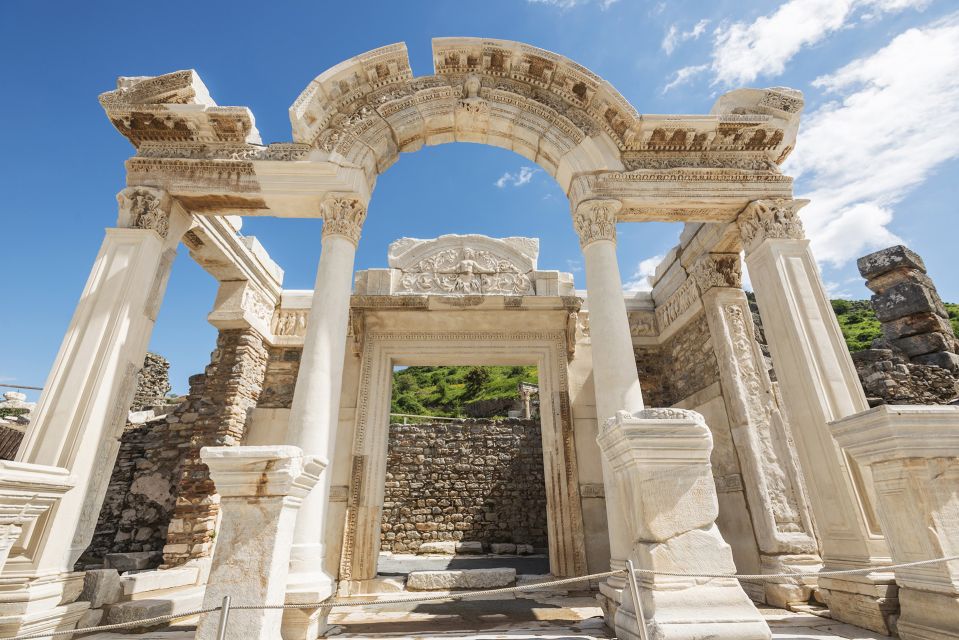
- Temple of Hadrian and Fountain of Trajan: The Civic Power Blend
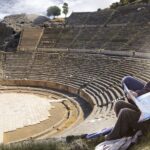
- Great Theater: The Big Finale Moment
- Lunch in Ephesus: A Needed Reset Between Ruins
- House of the Virgin Mary Outside Ephesus: Meaningful, Quiet, and Easy to Miss
- Temple of Artemis Site: The Seven Wonders Connection in a Short Visit
- Price and What You’ll Pay On Arrival (So It Doesn’t Surprise You)
- Who This Tour Suits Best (and Who Might Want Another Plan)
- Should You Book This Kusadasi Ephesus & Virgin Mary Tour?
- FAQ
- How long is the Kusadasi Ephesus & House of Virgin Mary fully guided tour?
- Where do I get picked up for this tour?
- Is there a guided component at Ephesus and the House of Virgin Mary?
- How long do I spend at Ephesus?
- Is lunch included?
- Are entrance fees included in the tour price?
- How much are the entrance fees?
- Do I need to pay the entrance fees in cash?
- Does the tour include skip-the-line access?
- Is this tour suitable for everyone?
Key Points to Know Before You Go
- Cruise-ship focused timing: built for port days, with pickup and return right to Kuşadası
- Guided pace inside Ephesus: a downhill walk route with major monuments grouped together
- Skip-the-line priority: separate entry helps you lose less time to ticketing lines
- House of the Virgin Mary visit: a short drive outside Ephesus with strong religious and historical interest
- Temple of Artemis stop: a fast, meaningful connection to one of the Seven Wonders of the Ancient World
- Small-group feel possible: private group option can make the day more flexible
What Makes This Ephesus Tour Worth an 8-Hour Cruise Day
If you’ve only got one day in the Kuşadası area, you need three things: smart routing, good explanations, and fewer lines. This tour aims right at that. You’re spending the day on foot and in a vehicle that gets you between key sites without unnecessary detours.
I like that it doesn’t just say Ephesus. It tells you what you’ll actually walk past: the Odeum, the Celsus Library, the Temple of Hadrian, the Fountain of Trajan, and the Great Theater. In Ephesus, those names matter because they map out the ancient city’s main public life—culture, religion, government, and entertainment—layered on top of each other.
Another win is the choice of adding the House of the Virgin Mary and the Temple of Artemis. It gives you a broader picture of why the area draws people today, not only why it mattered in Roman times. That mix turns the day from a pile of stones into a story you can follow.
You can also read our reviews of more guided tours in Kusadasi



From Kusadasi Port to Ephesus: Pickup and Timing That Matters
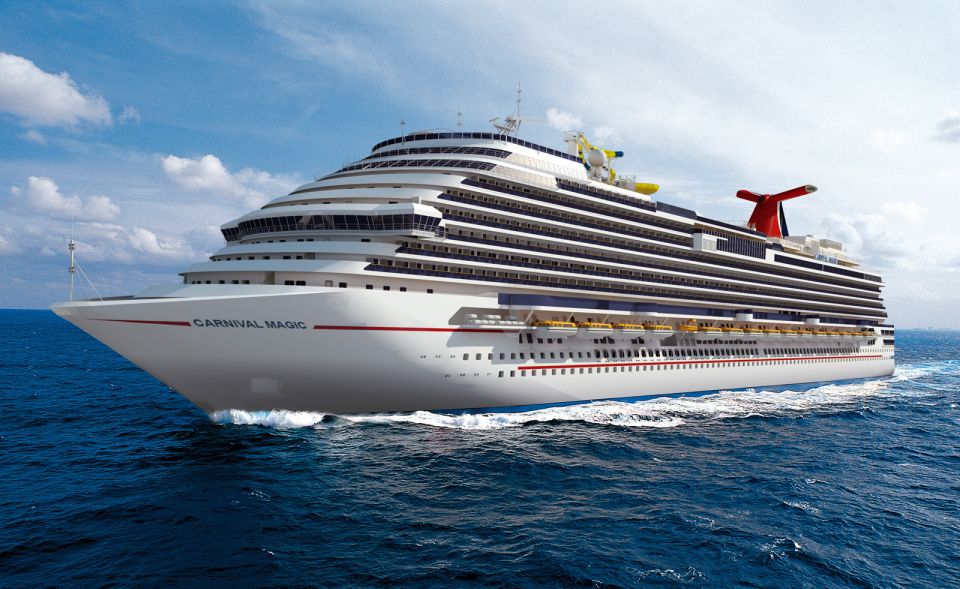
You meet at the cruise ship port, then head by van. The drive is about 25 minutes, which is short enough to keep your morning from disappearing into traffic.
This matters because Ephesus is not a “wander for hours” kind of site if you’re trying to see multiple attractions. With cruise schedules, you want daylight time spent on the ruins, not sitting around. This tour keeps that in mind with round-trip transportation back to the port.
You also get a professional English-speaking driver and guide, plus a personal COS agent. I read that as real help with cruise-day flow. At the least, it signals you’re not just being dumped into a waiting area. In practice, that kind of support reduces the stress of coordinating your own timing.
Entering Ephesus Through Magnesia Gate: The Walk That Sets the Route
The tour starts Ephesus the way many first-time visitors should: entering through the Magnesia Gate. That doesn’t just feel dramatic. It sets you up for a logical route.
Then you begin a slow, downhill walk with your guide. That downhill pace is a practical choice. It keeps you moving with enough time to look around and listen, and it also helps avoid the “I saw everything but remembered nothing” problem.
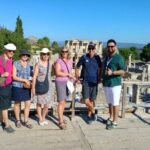
As you walk, your guide points out landmarks that made Ephesus famous as a Roman provincial capital. You’re not just passing monuments. You’re learning what role each one played in daily public life. That’s the difference between reading about Ephesus and actually understanding why people built things where they did.
If you’re the kind of person who likes to connect dots—politics, religion, entertainment—this portion is a strong foundation for the rest of the day.
Odeum, Library of Celsus, Hadrian, Trajan, and the Great Theater
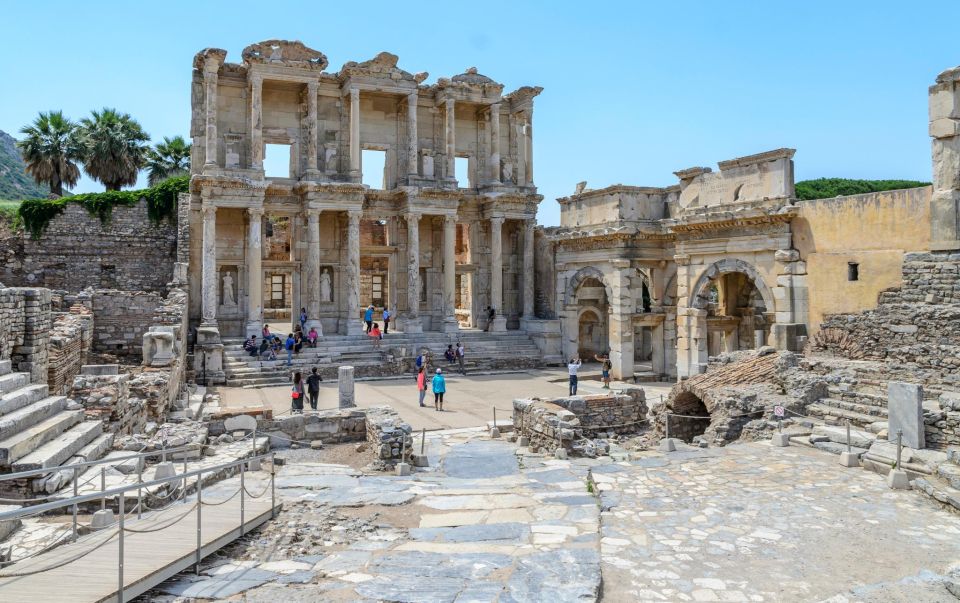
Ephesus is massive, so it helps when the stops are grouped around the city’s key “signature” structures.
Odeum: Ephesus’s Music and Performance Side
You’ll pass the Odeum early in the walk. Even if you don’t know the exact purpose of every stone, a guide can make the space feel purposeful—where performances and gatherings would have taken place. It’s a reminder that ancient cities weren’t only about temples and politics. They also built for art and public life.



Library of Celsus: The Stop That Changes Your Photos
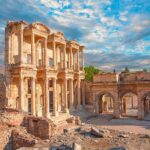
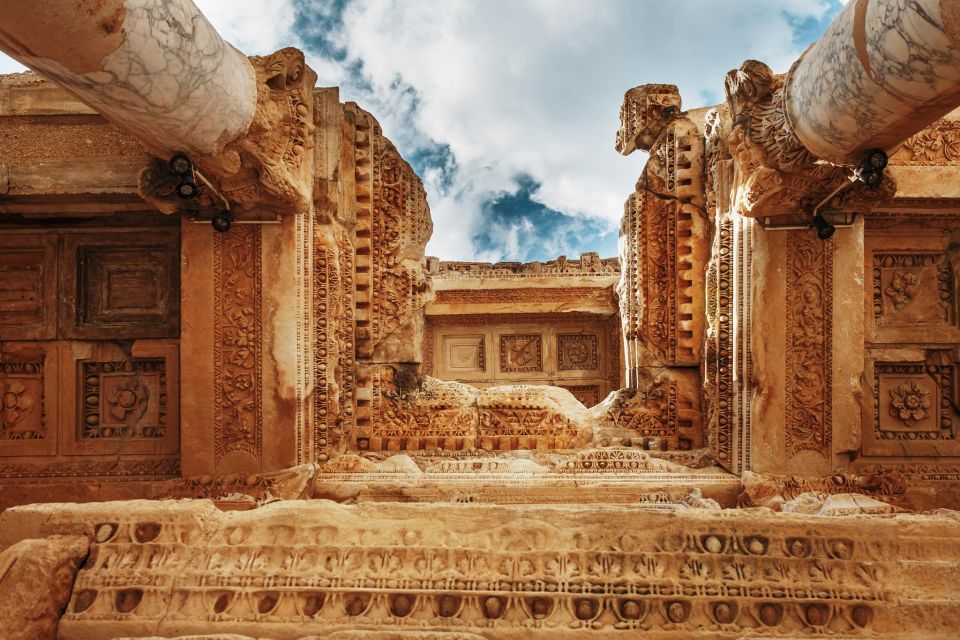
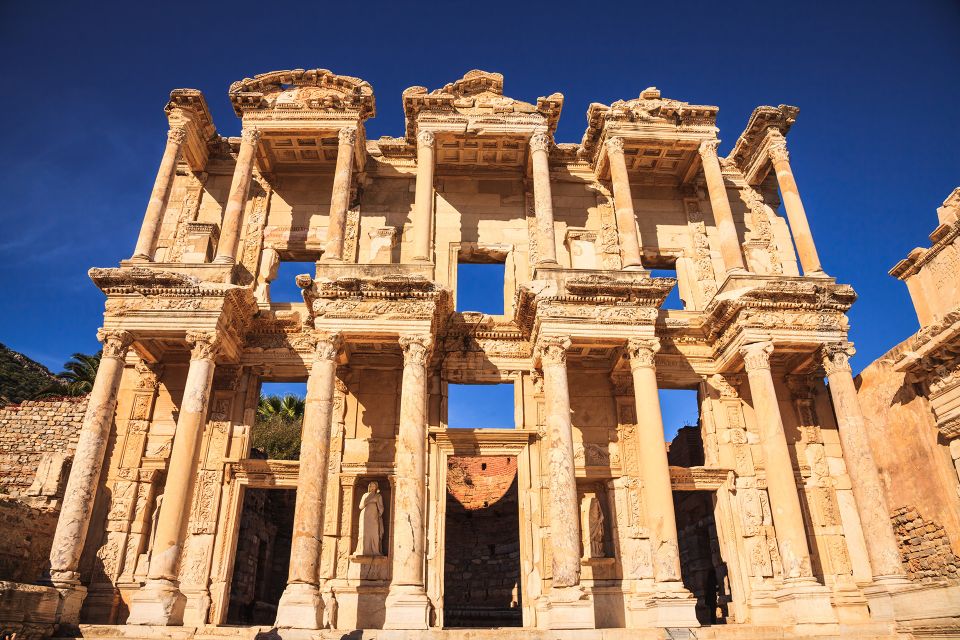
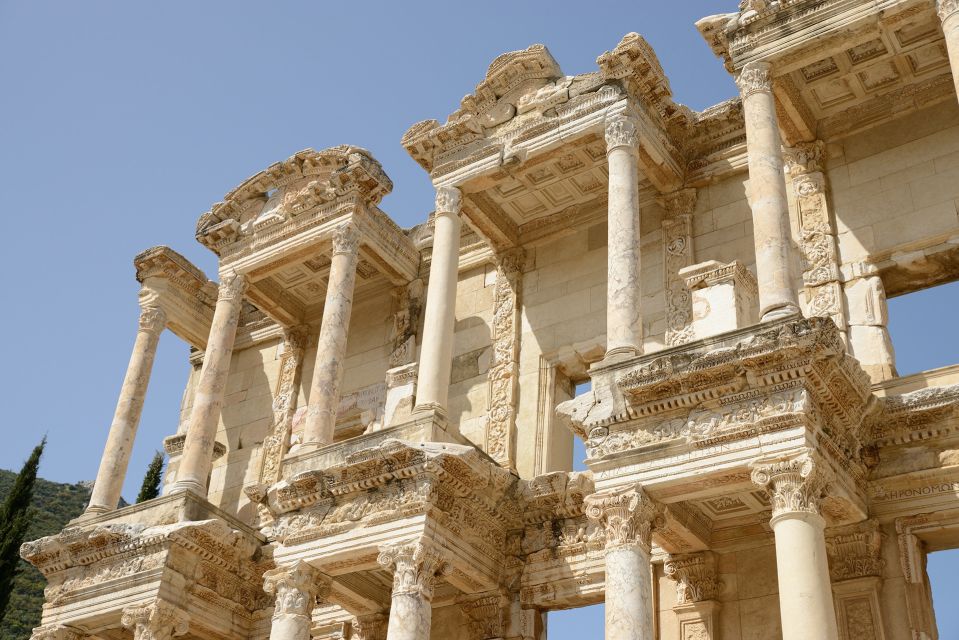
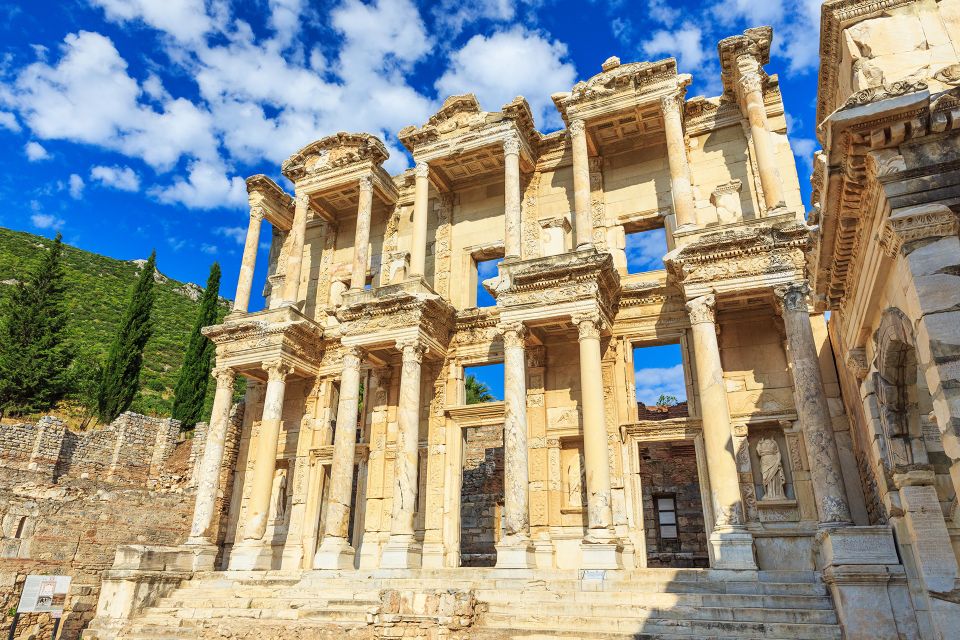
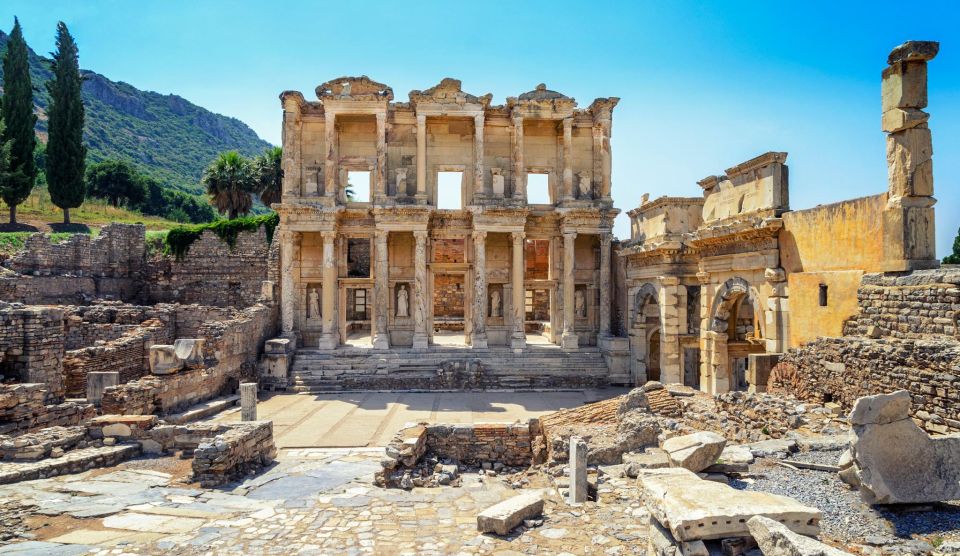
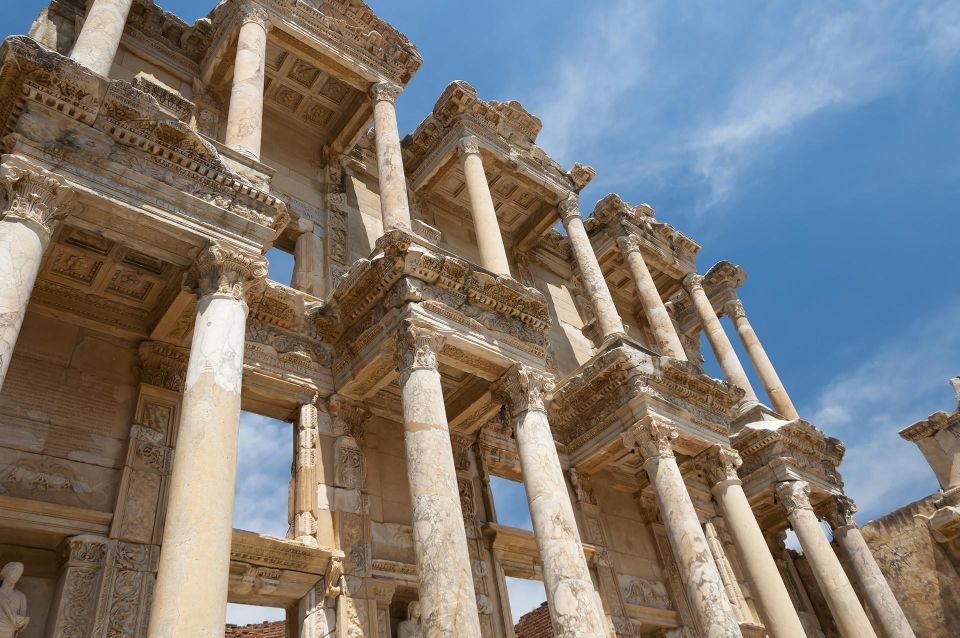
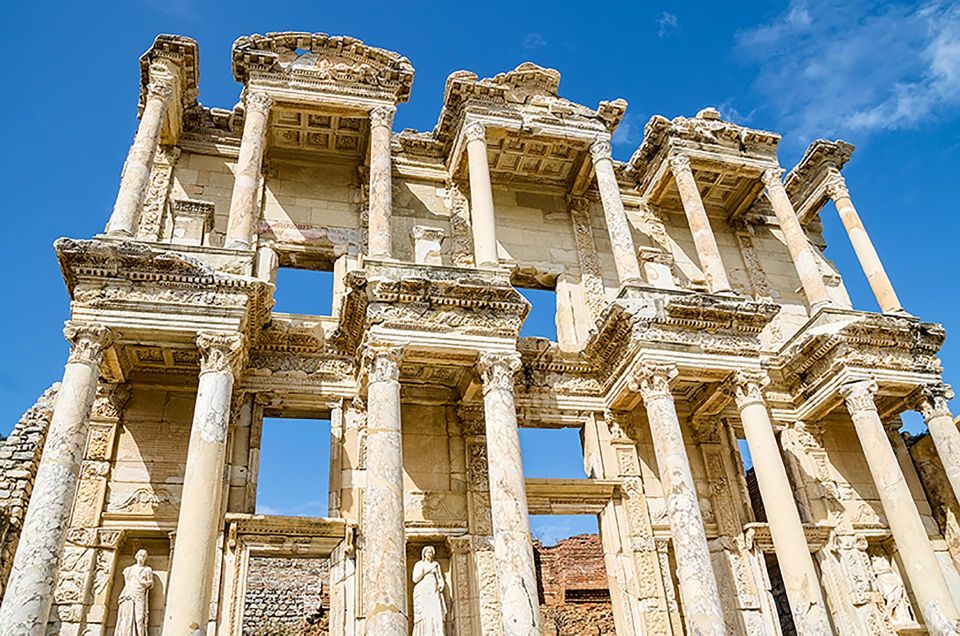
The Library of Celsus is one of those places where you can’t help but look closely. You get a guided visit there for about 20 minutes. That’s a good amount of time for something visually complex, including the way the structure was designed to impress.
In Ephesus, the Library of Celsus often becomes the “this is real” moment. It’s a reminder of the city’s wealth and its focus on knowledge, display, and civic pride.
Temple of Hadrian and Fountain of Trajan: The Civic Power Blend
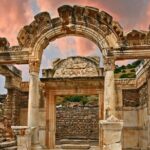
The Temple of Hadrian and the Fountain of Trajan are both about how empires show legitimacy. Your route takes you past these landmarks as the city shifts from pure spectacle toward a more official, political vibe.
This is where a guide helps you slow down mentally. If you walk in thinking only “ancient ruins,” you miss the message behind the stonework. If you walk in prepared to notice the civic statements, you’ll come away seeing more than rubble.
Great Theater: The Big Finale Moment
The Great Theater is included in the main Ephesus route. It’s the kind of structure that makes you instantly think about scale. Even without sitting inside, you can feel the design meant for gatherings—people, sound, and ceremony.
This is also a good place to pause and look back up at the city behind you. Ephesus’s layout can make more sense when you understand how the structures relate to each other.
Lunch in Ephesus: A Needed Reset Between Ruins
You’ll have lunch for about an hour in the Ephesus area. This is not just a meal break. It’s a timing tool.
After hours on stone surfaces and shifting between viewpoints, you want the chance to hydrate and reset your feet. An hour is long enough to eat without feeling rushed, but short enough to keep the day on track for the House of the Virgin Mary and the Temple of Artemis site.
If you’re sensitive to heat, bring water habits into your lunch. Even if lunch is provided separately, you’ll still feel better with consistent sips during the morning ruins section.
House of the Virgin Mary Outside Ephesus: Meaningful, Quiet, and Easy to Miss
After Ephesus, you’ll take a short trip outside the ancient city to see the House of the Virgin Mary. The tour describes it as the final resting place of the Virgin Mary, and notes that this small house near Mount Koressos has been recognized by the Vatican.
This stop works because it shifts the mood. Ephesus is grand and civic. The House is smaller and more personal in its feeling, even though it’s still a major draw.
Your visit time is about an hour with a guided component. That’s enough time to understand the tradition behind the site without feeling like you’re rushing through something that many people experience as spiritual.
Practical note: this stop also includes skip-the-line priority, which matters because religious sites can still create delays around entry. If you’ve had your share of ticket lines on cruise days, you’ll appreciate the separate entrance.
Temple of Artemis Site: The Seven Wonders Connection in a Short Visit
The last major attraction is the site of the Temple of Artemis, one of the Seven Wonders of the Ancient World. Your guided visit is about 45 minutes.
Here’s the honest expectation: you may not see a fully intact temple like you would at some reconstructed sites. What you’ll see is the famous legacy and the footprint of something once spectacular. Your guide’s job is to help you picture it—why it was remarkable, and what made it special in its time.
This stop is shorter than Ephesus because it’s tied to the end of the day and cruise timing. Still, it’s a strong closing chapter. It connects Ephesus’s Roman-era story to a deeper layer of ancient fame.
Price and What You’ll Pay On Arrival (So It Doesn’t Surprise You)
The tour price is listed at $39 per person, and the big value piece is what’s included: transportation in a luxury vehicle, professional driver and guide, skip-the-ticket-line priority at Ephesus and the House of the Virgin Mary, plus local taxes and services charges.
What’s not included is the entrance fee to:
- Ephesus Ancient Site: 40 € (paid in cash to the tour guide to avoid long lines)
- House of the Virgin Mary: 15 € (paid in cash to the tour guide to avoid long lines)
So your realistic total depends on those two fees. Even with them added, the cost can still feel reasonable because you’re not only touring two attractions—you’re doing a guided route through one of Turkey’s most famous ancient sites, plus the religious site next door, all within a cruise-day schedule.
My advice: plan on bringing cash just for those entrances. That small prep avoids delays and helps the skip-the-line process actually work smoothly.
Who This Tour Suits Best (and Who Might Want Another Plan)
This tour is designed specially for cruise ship passengers. If you’re sailing into Kuşadası and want the highlights of Ephesus without doing logistics on your own, this is a strong match.
It’s also a good fit if you like structure. Ephesus is too big to understand well without help. A guided route makes it easier to see the Odeum, the Celsus Library, Hadrian and Trajan-related landmarks, and the Great Theater in a coherent order.
Private group option can be helpful, especially if you want a slower pace. Reviews have leaned into that idea: being able to take your time and getting more background from the guide can make the day feel less like a race.
Not suitable: the tour states it’s not suitable for pregnant women. Also, you’ll be doing a walk through uneven ancient terrain, so if mobility is a concern, consider a less walking-heavy option.
Should You Book This Kusadasi Ephesus & Virgin Mary Tour?
Book it if you want a cruise-friendly day that hits the big monuments of Ephesus, adds the House of the Virgin Mary, and still includes Temple of Artemis before heading back to your ship. You’ll likely enjoy it most if you appreciate guided context and a planned route over total freedom.
Skip it (or look for alternatives) if you know you want long unstructured wandering, or if entrance-fee cash logistics would stress you out. Also, if you don’t handle walking on ancient stone terrain well, you may find the “slow downhill” still a bit demanding.
If you’re balancing value with not losing hours to lines, this tour is one of the more practical ways to get your Ephesus fix in a single day.
FAQ
How long is the Kusadasi Ephesus & House of Virgin Mary fully guided tour?
The total duration is 8 hours.
Where do I get picked up for this tour?
Pickup is available from the cruise ship port at Kusadası Port (Port Kusadas Turkey / Kusadasi Port).
Is there a guided component at Ephesus and the House of Virgin Mary?
Yes. It includes a live guided tour with a professional English-speaking guide (and other available languages).
How long do I spend at Ephesus?
You’ll have a guided visit at Ephesus for about 2 hours.
Is lunch included?
Lunch is not listed as included, but there is a lunch period scheduled for about 1 hour.
Are entrance fees included in the tour price?
No. Entrance fees to the Ephesus Ancient Site and the House of Virgin Mary are not included.
How much are the entrance fees?
Ephesus Ancient Site is listed at 40 € and the House of Virgin Mary is listed at 15 €.
Do I need to pay the entrance fees in cash?
Yes. The tour information says entrance fees should be paid in cash to the tour guide to avoid long lines.
Does the tour include skip-the-line access?
Yes. You get skip-the-ticket-line priority at Ephesus and the House of Virgin Mary.
Is this tour suitable for everyone?
The tour states it is not suitable for pregnant women.