REVIEW · ISTANBUL
Istanbul: Turkish Coffee Brewing on Sand + Gift Set
Book on GetYourGuide →Operated by Highlights Turkiye Workshops · Bookable on GetYourGuide
Turkish coffee turns into a full ritual here. In a bright atelier near Galataport and the Galata Tower, you grind your own beans, brew on sand, and learn why this UNESCO-listed tradition has stuck for centuries. I love getting hands-on control over the foam and timing, and I really like the “slow, social” pace that makes the workshop feel like a conversation rather than a class. One possible drawback: this is not a quick caffeine pit stop, so it’s best if you can enjoy the 90 minutes without rushing your schedule.
The gift set is a big part of the value. You take home a copper cezve, a cup, premium beans, and a recipe booklet, so the experience doesn’t end when you leave the studio. You’ll also taste traditional Turkish coffee and menengiç coffee as part of the ritual, plus Turkish delights/snacks while you wait for your brew to come together.
In This Review
- Key Things I’d Pay Attention To Before You Go
- Where This Istanbul Coffee Workshop Fits in Your Day
- Enter the Atelier: Your Start With Beans, Grinder, and Calm
- Brewing on Sand: The Skill Behind That Famous Foam
- Turkish Coffee Meets UNESCO Intangible Heritage
- Taste the Classics: Traditional Turkish Coffee + Menengiç
- Fortune Reading Ceremony: Symbols in Your Cup
- The Take-Home Gift Set: Why This Isn’t a One-Time Show
- Logistics That Actually Matter: Timing, Languages, and Group Feel
- Who This Workshop Best Suits
- A Balanced Take: What Could Feel Like Too Much?
- Price and Value: Is $33 Worth It?
- How to Get the Most Out of It
- Should You Book This Istanbul Turkish Coffee Workshop?
- FAQ
- Is this a quick coffee stop or a full workshop?
- Where is the meeting point in Istanbul?
- What languages are offered during the workshop?
- What coffee do I taste during the session?
- What gift set do I receive to take home?
- How much does it cost?
- Is it refundable if my plans change?
Key Things I’d Pay Attention To Before You Go
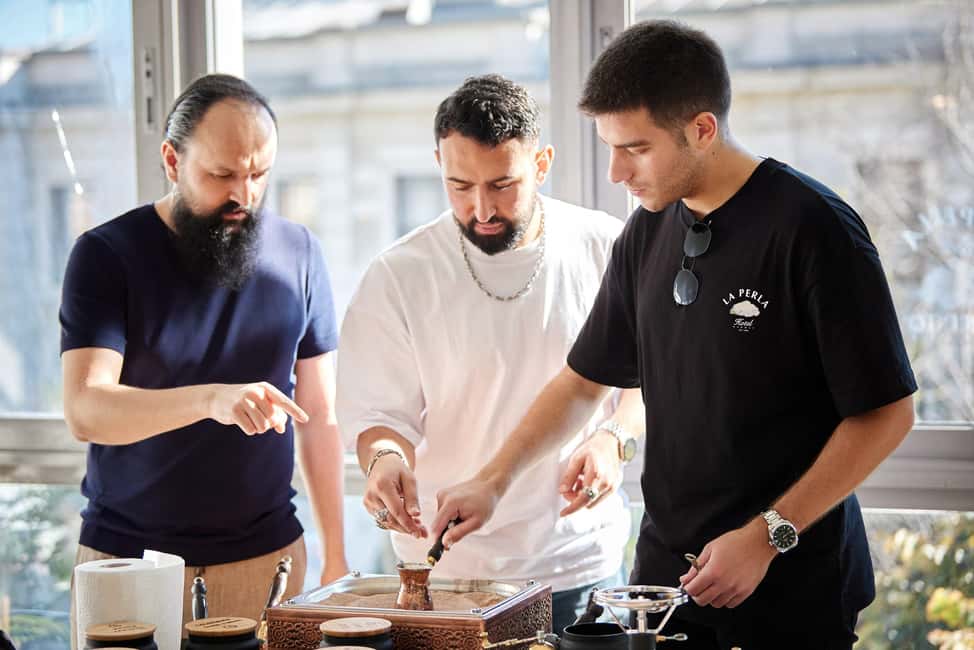
- Foam control on heated sand: this is the skill you’ll practice, not just watch.
- Hand grinding, step-by-step: you’ll choose beans and grind them yourself for the right texture.
- Ottoman-style fortune reading: you’ll decode patterns in your coffee grounds with the group.
- Menengiç coffee tasting: you’ll try a nutty, caffeine-free regional coffee alongside the classic.
- Take-home copper cezve gift set: the workshop includes tools you can actually use later.
- Small, welcoming studio vibe: many sessions feel cozy, with plenty of time for questions.
Where This Istanbul Coffee Workshop Fits in Your Day
This workshop is built for people who want more than a souvenir photo. It runs in a spacious, high-ceiling studio between Galataport and the historic Galata Tower area, so it’s easy to pair with a walking loop through the neighborhood. You don’t need to plan some big transit adventure to get here; you can slot it in while you’re already out exploring the waterfront and Galata streets.
If your Istanbul day is packed, this one is still doable because it’s only 90 minutes. But it does demand a different mindset. You’ll be working at a slower pace on purpose: grinding, brewing, watching the foam develop on heated sand, then tasting. When you go in expecting “coffee made fast,” you’ll feel a little impatient. When you go in expecting a ritual, you’ll have a much better time.
A few more Istanbul tours and experiences worth a look
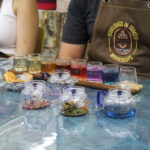
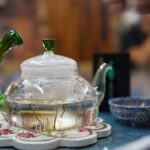
Enter the Atelier: Your Start With Beans, Grinder, and Calm
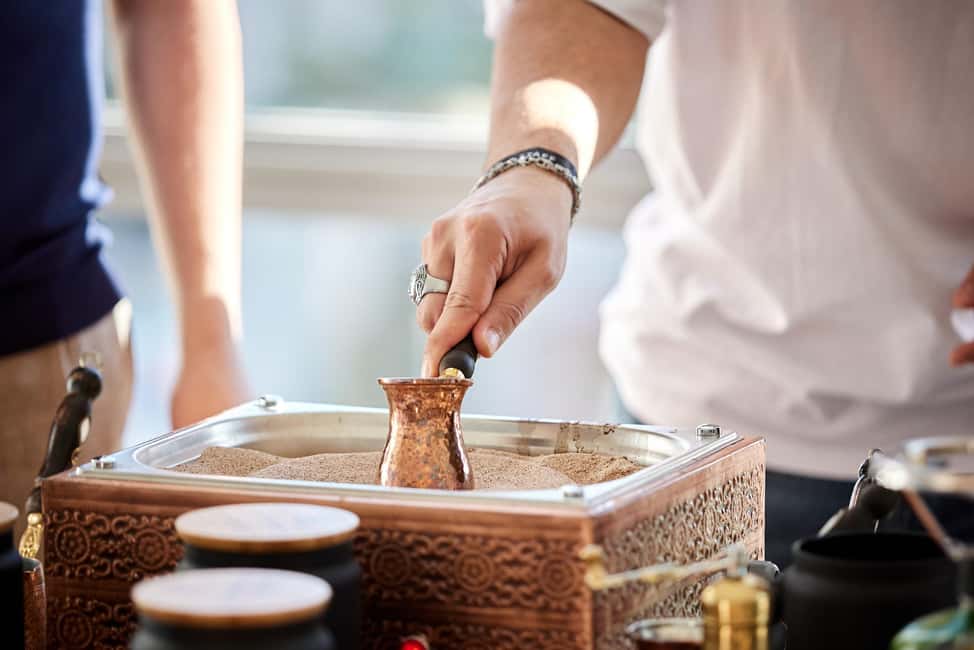
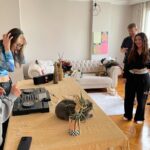
The experience begins in the studio itself—bright, airy, and set up for hands-on learning. Before the hot part starts, you’ll get oriented to the tools and process. The room also has that workshop atmosphere where you’re not isolated; you’re in a working space with other creative activity around you, which keeps it lively without turning it into a loud show.
Then you get your first real job: selecting aromatic beans and hand-grinding them. This matters more than you might think. Turkish coffee style depends on fine grounds, and the texture you create affects how the coffee behaves when it hits the sand. You’re guided while you turn the grinder by hand, and you can ask questions in English, Turkish, or Russian depending on your instructor.
One thing I like about this setup is that you aren’t stuck waiting for someone else to do everything. Even if you’ve never brewed Turkish coffee before, you’re actively shaping the inputs right from the start.
Brewing on Sand: The Skill Behind That Famous Foam
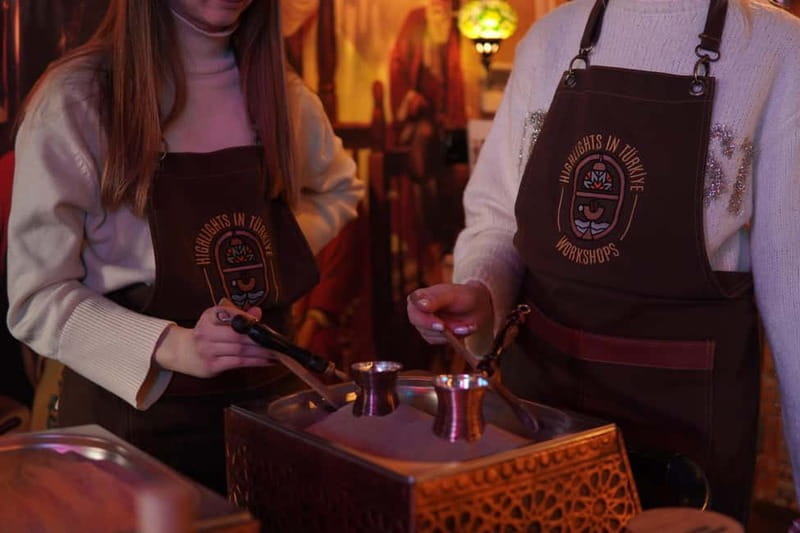
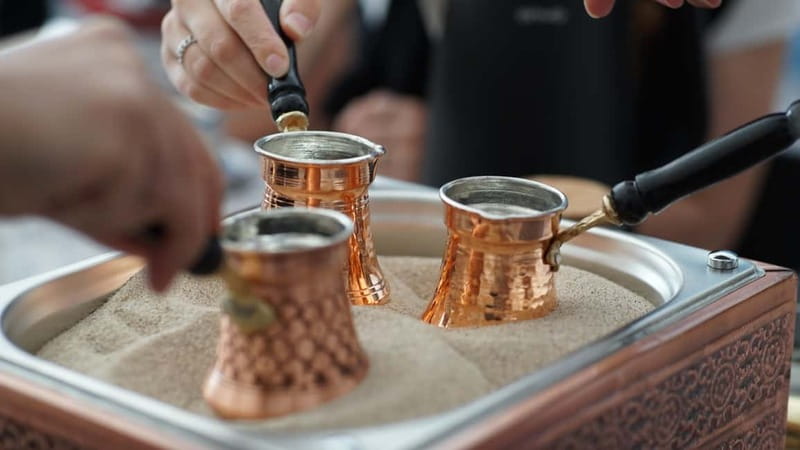
Now comes the signature step: brewing Turkish coffee on heated sand. You’ll watch your instructor explain the flow—then it becomes your turn to manage the process. The key theme is foam. Not just “get foam,” but learn how foam forms, how it rises, and how you time the pour and heat so it doesn’t overshoot.
You control the crucial moments, with guidance as needed. In practical terms, you’ll learn to:
- heat and brew carefully so the texture stays right
- manage the foam as the coffee reacts to the heat
- understand why Turkish coffee isn’t made like drip coffee or espresso
Why this is valuable: sand brewing is tactile. You can’t pretend it’s magic. You can feel the pace of the process and the difference between a good brew and a rough one.
If you like cooking lessons where the technique is the payoff (not just the taste), this part will feel worth every minute.
Turkish Coffee Meets UNESCO Intangible Heritage
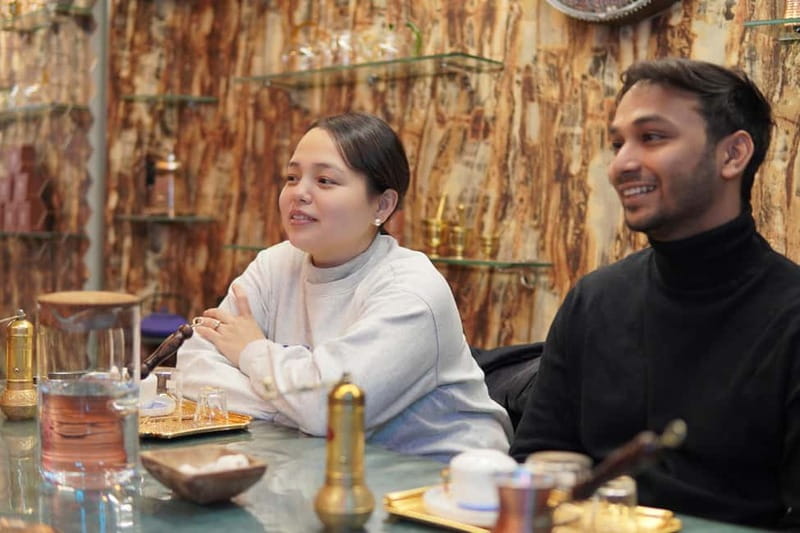
Between the hands-on steps, you’ll get context for why Turkish coffee is treated like cultural heritage, not just caffeine. You’ll learn that Turkish coffee earned UNESCO Intangible Cultural Heritage status, and the workshop connects the brew method to older social customs—especially the way coffee is used to spark conversation and storytelling.
You also get the Ottoman-flavored side of the tradition: coffee as a signal of hospitality and a way to turn downtime into shared meaning. This is where the workshop becomes more than “how to make coffee.” It helps you understand why symbols matter and why the ritual still holds people’s attention today.
For me, this sort of cultural framing is what separates a themed tasting from a real experience. You leave understanding the tradition’s why, not only the how.
Taste the Classics: Traditional Turkish Coffee + Menengiç
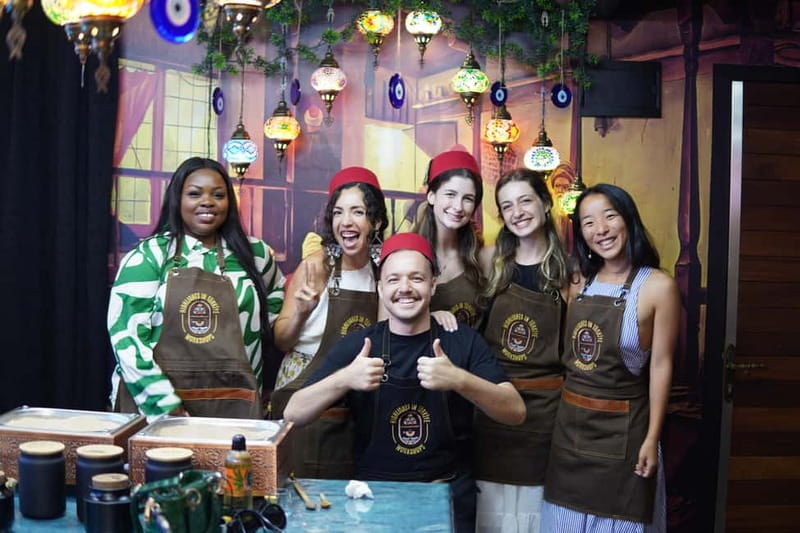
Once your coffee is ready, the workshop moves from technique to tasting. You’ll have a chance to drink your Turkish coffee in the ritual setting that makes it feel like part of the cultural experience rather than a random sample.
Then you add a second coffee that you might not have on your Istanbul list: menengiç coffee. This is described as caffeine-free with a nutty flavor profile, and it’s cherished across Anatolia. It’s a great contrast to Turkish coffee because it lets you experience a different taste mood while still staying in the same cultural lane.
If you’re sensitive to caffeine, or you just like variety, this pairing is a smart touch. It also makes the session feel less repetitive: you’re not only repeating one flavor, you’re comparing two traditional styles.
A few more Istanbul tours and experiences worth a look

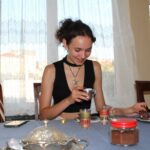
Fortune Reading Ceremony: Symbols in Your Cup

One of the most memorable parts is the fortune reading ceremony. You close your cup, let the grounds settle, then you’ll watch and discuss the patterns that appear in the coffee grounds. The instructor leads the symbolism, and the group often turns it into a playful moment of interpretation.
It’s not just entertainment. It’s tied to the tradition of coffee culture as storytelling—where drinking coffee becomes a shared way to think about what comes next.
Instructors in recent sessions have included people like Esin, Zeynep, Ilham, Rinad, Rostum, and Ali, and the vibe tends to be warm and interactive. You’ll notice a consistent theme: they explain clearly, answer questions, and keep the ceremony fun without making it feel awkward.
If you’re the type who doesn’t like mystic rituals, you might treat this like an interactive cultural card reading rather than something serious. Either way, it’s part of the workshop structure, so you’ll want to go in with at least mild openness.
The Take-Home Gift Set: Why This Isn’t a One-Time Show
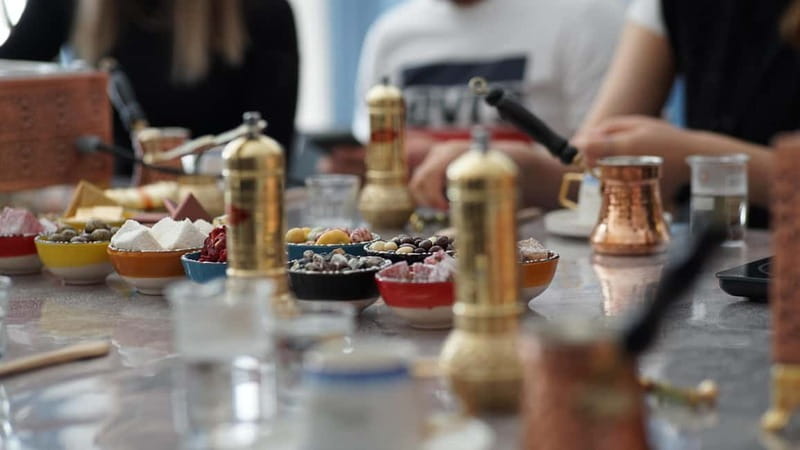
Here’s where this workshop wins on value. Your ticket isn’t only for the class moment; it includes the tools so you can recreate the ritual later.
You take home:
- a traditional copper cezve (coffee pot)
- a cup
- premium coffee beans
- a recipe booklet (so you have brewing guidance outside the studio)
- plus the set is described as including ground coffee as part of what you receive to take away
That’s practical. In many food experiences, you leave with photos and a vague memory. Here, you leave with equipment and instructions, which means you can actually try it at home and remember what “good foam” felt like.
It’s also a nice way to share. If you’ve got friends who always want a Turkish coffee demonstration, this workshop gives you a real story and a real method, not just a trendy souvenir.
Logistics That Actually Matter: Timing, Languages, and Group Feel
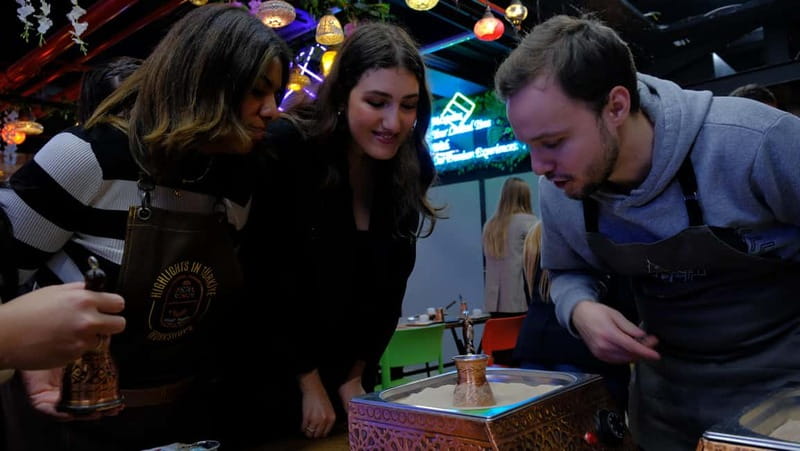
This runs for 90 minutes, which is long enough to learn a technique and do the tasting and fortune reading, but short enough that it won’t derail a city day. You’ll likely move through a flow like: introduction and bean selection, grinding, sand brewing with guidance, tasting, then fortune reading.
Language support is built in. The instructor can guide you in English, Turkish, or Russian. That matters because Turkish coffee technique has details, and the faster you understand those details, the better your brew experience will be.
Meeting point detail is precise: the studio is described as diagonally to the right of Arada Beyrut Cafe and directly across from Lavander Cafe. If you like showing up on time, save the nearby cafe names and use them as your quick reference.
Who This Workshop Best Suits

This is a strong fit if you:
- love hands-on food activities where technique is the main event
- want cultural context tied to a living tradition, not just a product tasting
- enjoy playful moments like fortune reading in a low-pressure way
- want something you can recreate at home with the take-home cezve set
It’s also a good choice if you’re traveling with someone who might not care about coffee in general. The workshop gives both sides: coffee technique and a cultural ritual you can share.
A Balanced Take: What Could Feel Like Too Much?
The biggest “consideration” is pacing. This is intentionally slow. If your plan is built around stacking attractions with no slack time, you may feel the workshop doesn’t fit your rhythm. Plan your day so you’re not sprinting in, tasting under stress, and sprinting out.
The second consideration is the fortune reading element. For some people it’s the highlight; for others it can feel like a bonus ritual they didn’t ask for. If you’d rather keep things strictly culinary, you might not love that the ceremony is central. But it does tend to be friendly and conversational, not heavy-handed.
Price and Value: Is $33 Worth It?
At $33 per person for a 90-minute, hands-on workshop, I think the value is tied to two things: the technique practice and the take-home set.
You’re not paying just for a drink. You’re paying for:
- guided practice in grinding and sand brewing
- tasting traditional Turkish coffee plus menengiç coffee
- a facilitated fortune reading moment
- Turkish delights/snacks during the session
- and a real gift set that includes the copper cezve and tools to repeat the ritual
If you compare this to buying a single coffee experience and hoping you’ll remember the method later, the take-home equipment and booklet tilt the math in your favor. It’s a “learn now, repeat later” type of deal.
How to Get the Most Out of It
If you want this to feel special, do three things:
- Ask questions while you’re grinding and brewing. That’s when the technique locks in.
- Watch foam closely during the sand stage. That skill is the whole point.
- Enjoy the fortune reading as part of the cultural practice, even if you treat it lightly.
Also, wear clothes you’re fine with sitting in and working around the sand brewing setup. You’re not doing anything extreme, but it’s an atelier environment with real handling.
Should You Book This Istanbul Turkish Coffee Workshop?
If you’re choosing between “another coffee stop” and “a real coffee ritual lesson,” I’d book this. The hands-on sand brewing, the foam control focus, and the menengiç tasting make it feel different from casual tastings. The biggest deciding factor for me is the take-home copper cezve kit. You’re not just consuming the experience; you’re leaving with what you need to reproduce it.
Book it if you’re in the Galataport/Galata area and you want a calm, guided activity that feels authentically Turkish without being stiff. Pass if your schedule is too tight to slow down, or if you know you dislike fortune-reading style rituals.
FAQ
Is this a quick coffee stop or a full workshop?
It’s a 90-minute experience built around hands-on brewing. You’ll grind your own beans, brew on sand with foam control, taste coffees, and join the fortune reading ceremony.
Where is the meeting point in Istanbul?
The studio is described as diagonally to the right of Arada Beyrut Cafe and directly across from Lavander Cafe.
What languages are offered during the workshop?
Guidance is available in English, Turkish, and Russian.
What coffee do I taste during the session?
You’ll taste traditional Turkish coffee and menengiç coffee as part of the ritual, along with Turkish delights/snacks.
What gift set do I receive to take home?
You get a copper cezve, a cup, premium coffee beans, and a Turkish coffee booklet. The set is also described as including ground coffee as part of what you take away.
How much does it cost?
The price is listed as $33 per person.
Is it refundable if my plans change?
Free cancellation is offered up to 24 hours in advance for a full refund.