REVIEW · ANTALYA
From Antalya: Roman Ancient Sites & Manavgat Waterfall Tour
Book on GetYourGuide →Operated by Payless Turizm · Bookable on GetYourGuide
Ancient ruins plus a waterfall in one day. This full-day tour strings together Perge, Aspendos, and Side with a real guide in the driver’s seat, so you don’t just walk through stone—you get context. It’s a 9-hour hit of Roman-and-Beyond sights with hotel pick-up, a buffet lunch, and a final stop at Kursunlu Waterfall in a national-park setting.
I especially like the way the day is built around big, high-impact sites: Perge, where many statues later found their way into the Antalya Museum, and Aspendos’ theatre, which is still used for shows and concerts. I also like the human side of it. Guides such as Kerem, Fatma, and Cengiz are praised for making history clear and fun, with commentary that keeps the group moving without feeling rushed.
One thing to plan for: entrance fees and drinks are not included, so your final cost can creep up once you’re on-site. Also, the day is long and involves walking on uneven ancient ground, so it’s not the easiest option if you have mobility limits or you’re traveling with limited stamina.
In This Review
- Key highlights worth your time
- Roman ruins near Antalya: what this day really delivers
- Morning pick-up and the long drive rhythm (9 hours total)
- Perge: the Roman city behind the Antalya Museum finds
- Aspendos theatre: how ancient architecture still performs
- Buffet lunch: refuel without losing the day
- Side old town and the Temple of Apollo viewpoint
- Kursunlu Waterfall: the 18-meter break from stone
- Price and value: is $77 a smart deal?
- What to bring for comfort (and better photos)
- Who should book this Antalya Roman sites tour
- Should you book this tour from Antalya?
- FAQ
- FAQ
- What sites are included in the Roman Ancient Sites & Manavgat Waterfall Tour?
- How long is the tour from Antalya?
- Is hotel pick-up and drop-off included?
- What about lunch, and is it included in the price?
- Are drinks and entrance fees included?
- What languages is the live tour guide offered in?
- Is the tour cancellable for free, and how far in advance?
- Is the tour suitable for people with mobility impairments or older travelers?
Key highlights worth your time
- Perge’s museum-story connection: you’ll see a city whose finds helped shape what you can study today at the Antalya Museum.
- Aspendos theatre in use: this isn’t a ruin that just sits there; it’s still staged for events.
- Side’s Mediterranean viewpoint: expect marble columns, an Apollo temple setting, and sea views that make the architecture feel larger than life.
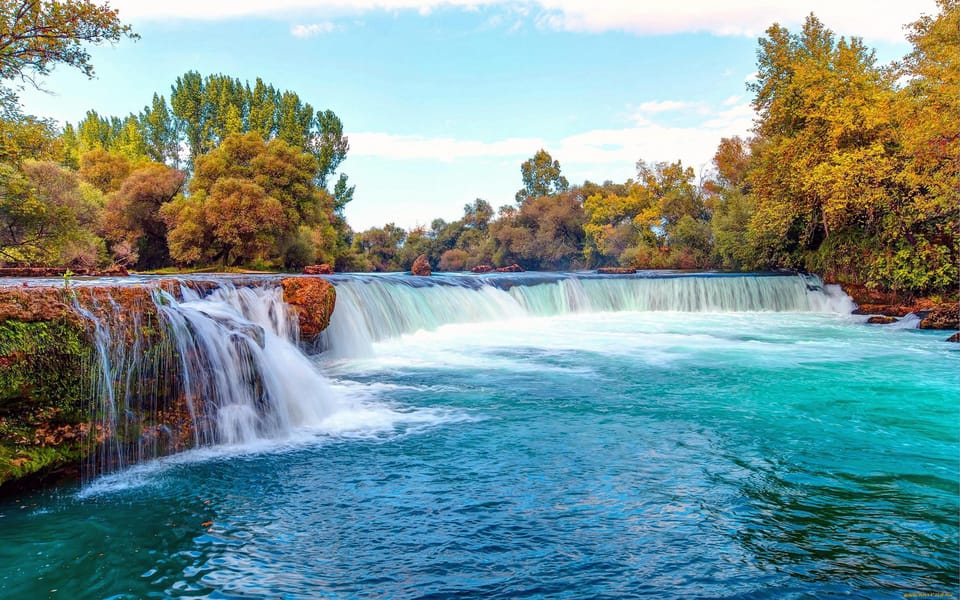
- Kursunlu Waterfall photo break: emerald-toned water drops about 18 meters, giving you a strong contrast to dry stone ruins.
- A guided pace that still allows breathing room: most stops are timed so you can actually look, not only pose and shuffle.
Roman ruins near Antalya: what this day really delivers
This tour works because it keeps the focus on places that feel important even if you don’t have a textbook in your bag. Perge brings the Roman/ancient grid, Aspendos shows top-tier engineering, and Side gives you a seaside slice of classical life. Then you get the payoff of water at the end, so the day doesn’t feel like one long museum-hall walk.
If you like ruins, but you also like understanding how they fit together, you’ll probably enjoy the flow. A guided approach matters here because the sites are broad. Without explanations, Perge and Side can blur into “more stones.” With a good guide, you start noticing what was where and why it mattered.
The tone is also practical. You’re not sent out on a free-for-all. Instead, the guide sets the story, then you get time to wander the key areas and take photos at your own speed.
You can also read our reviews of more tours and experiences in Antalya.

Morning pick-up and the long drive rhythm (9 hours total)
The day starts with hotel pick-up in the morning, and it returns you to your hotel in the afternoon. You’ll be on a bus with full A/C, which is a big deal in Antalya Province when the sun is already doing its thing.
Expect a rhythm that goes like this: drive, guided walk-through, time to explore, then the next transfer. That’s the core “tradeoff” of a multi-site tour: you’re stacking sights, so you’re also stacking road time. One person noted the return drive back to the area of Konyaalti felt long, and that’s a fair heads-up. Plan to bring patience and keep your energy for the stops.
This format is ideal when you want maximum sightseeing with minimal planning. It’s less ideal if you hate bus time or you prefer to linger for hours in only one place.
Perge: the Roman city behind the Antalya Museum finds
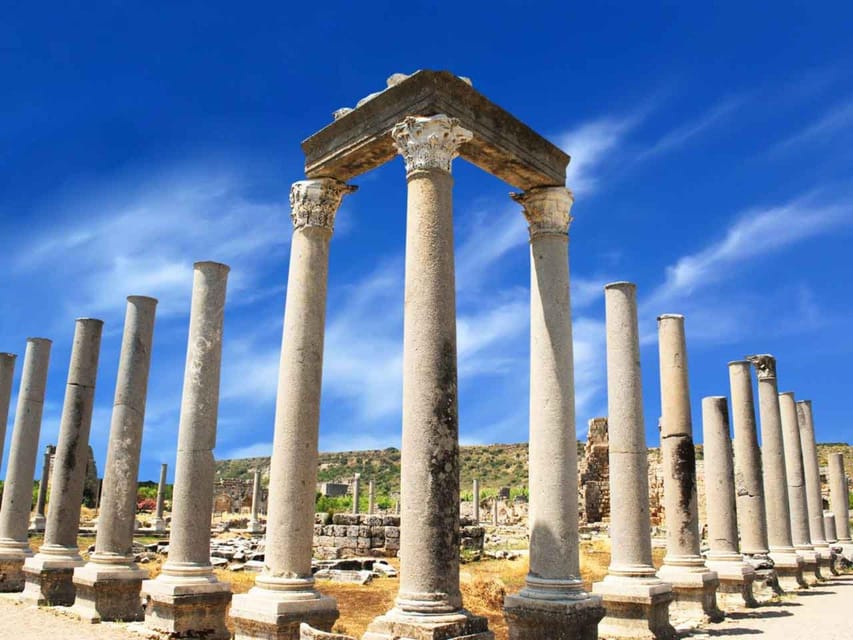
Perge is your first major stop, and it’s an excellent opener. The ancient settlement dates back to the Roman period, and the guide ties it directly to what you can learn today from museum collections. The standout detail is that many of the statues later discovered there are associated with what ended up at the Antalya Museum.
What makes Perge special is how clearly it shows a city plan. You can walk and feel like you’re seeing a lived-in layout, not just scattered fragments. With a guide, the city’s story becomes easier to hold in your head—especially the idea that the settlement was founded after the Trojan War. Even if you don’t care about the myth, it gives you a hook for the bigger question: why this place, why this period, and how the region’s power shifted over time.
Practical tip: Perge is big. If you love photos, arrive ready to take your time at the best angles, not just in the first 10 minutes. If your legs are only okay, you’ll still enjoy it, but you may want to slow your pace and let the guide’s main points do the heavy lifting.
One more small suggestion: keep an eye out for the details your guide points to. Perge rewards attention. A short explanation can turn an ordinary wall segment into something you recognize later.
Aspendos theatre: how ancient architecture still performs
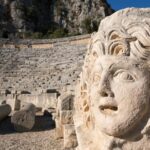
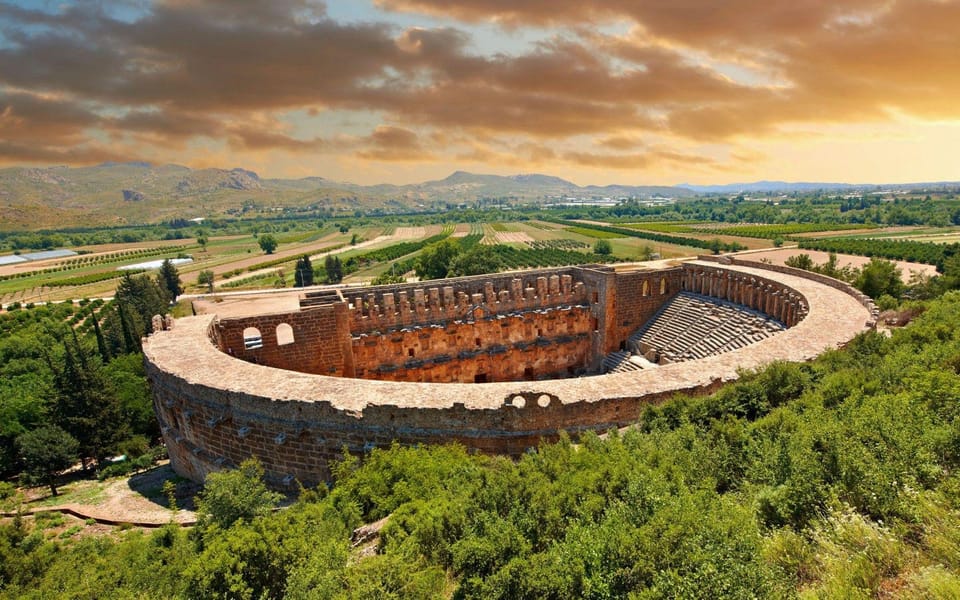
Aspendos is the stop you’ll likely tell people about later. It’s home to one of Anatolia’s best-preserved ancient theatres, and it’s still used for shows and concerts. That single fact changes the way you experience the place.
When a theatre is still active, you can feel the design logic. Even if you’re only walking the grounds, you start thinking about sightlines, acoustics, and crowd movement. It stops being “old building” and becomes “still-working machine.”
If you’re the type who likes architecture, Aspendos is a great match. If you’re less into it, it still works because the theatre is visually dramatic and easy to grasp. The guide’s job here is key: good commentary helps you understand what you’re looking at beyond the obvious scale.
Timing matters too. This is one of the stops where you’ll want enough time to stand back, look up, and then move closer. Try not to rush straight from entrance to the first photo spot. Take 2 minutes to find the best viewpoint first, then shoot.
Buffet lunch: refuel without losing the day
After Perge and Aspendos, you’ll eat lunch at a local restaurant with an open buffet. This is one of the practical benefits of the tour: you’re not stuck searching for a place to eat while hungry and tired.
The buffet setup usually makes it easier to adjust to what you like. If you want something simple, you can. If you want to try a few Turkish classics, you can do that too. Also, several people liked lunch quality, with one comment praising it as decent and another mentioning it had a great view. So this isn’t just a rushed stop where food is an afterthought.
Here’s how I’d handle lunch strategically: eat well, then don’t overdo it with heavy choices if you want energy for Side and the waterfall. Antalya heat can drain you faster than you expect.

Side old town and the Temple of Apollo viewpoint
After lunch comes Side, an ancient town with a mix of ruins and seaside atmosphere. This is where the day shifts from theatre-first and city-grid feeling toward a more scenic, coastal experience.
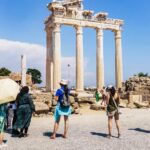
At Side, you can expect an ancient temple area (including the Temple of Apollo), a theatre, marble columns, and sweeping views over the Mediterranean. Those views aren’t just a nice backdrop; they help you understand why Side mattered. Coastal cities had trade routes, power displays, and a steady flow of visitors. You can feel that logic when you’re standing where sea and stone meet.
I also like that Side gives you room to wander beyond the most obvious spots. One useful tip: ask your guide about the quieter corners, like the old baths found a bit off the main paths. It’s the kind of moment where you catch something less stage-managed, still surrounded by newer development—so you see how ancient places keep living inside modern cities.
If you want photos, plan to spend a little time near the views rather than only inside ruin spaces. The light near the Mediterranean can make columns and stone edges look sharper.
Kursunlu Waterfall: the 18-meter break from stone
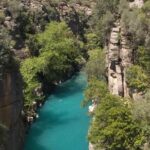
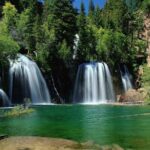
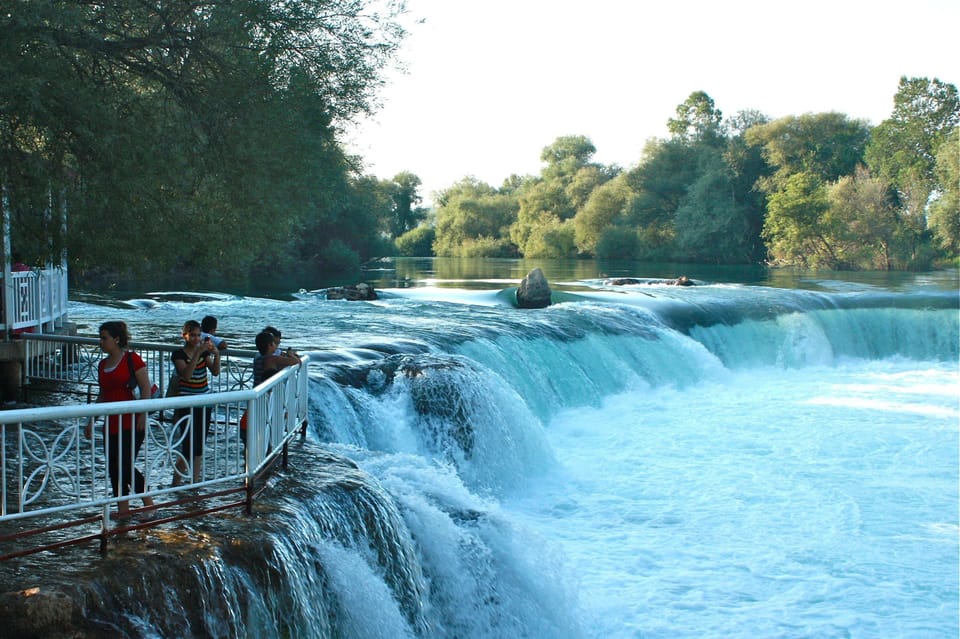
The final stop is Kursunlu Waterfall, located in a national park. It’s about an 18-meter drop, and the water is described as emerald-toned, creating an eye-catching contrast after Roman stone.
This is your breathing moment. You’re not just looking at ruins now—you’re hearing water, feeling cooler air near the spray, and resetting your mood for the ride back. If you bring a camera, you’ll want to get shots where the water texture is visible, not just where the waterfall silhouette is the only feature.
Bring a waterproof camera if you have one. The tour also encourages a waterproof camera option, which tells you the operator expects you’ll want to get close. Sunscreen and a hat matter here too, because even the best waterfall stop can still be surrounded by bright sun.
One thought to consider: the waterfall stop is great, but it might feel less satisfying if you’re craving more ruins instead. Still, the day needs a contrast, and this is the kind of contrast that makes the full-day format feel complete rather than exhausting.
Price and value: is $77 a smart deal?
At $77 per person, this tour prices in as a middle-ground day: not a budget-only option, not a luxury private guide. The value comes from what’s included:
- Hotel pick-up and drop-off
- Open buffet lunch
- A bus with full A/C
- Guided touring throughout the day
That’s a lot of the annoying parts handled for you. You don’t have to sort transportation between distant sites, and you don’t have to “guess” what to look at once you arrive.
The catch is also clear: drinks and entrance fees are not included. That means you should mentally budget extra. Some people report add-on entrance fees that can total around 26 euros per major site when they’re paid on-site, which can add up fast if you’re not expecting it. Also, the tour recommends bringing cash, which is your clue that you may be dealing with payment on the day.
So my value take is simple: this is a strong deal if you show up ready to budget for entrances and you plan to enjoy guided commentary. If you’re trying to keep a super tight daily spending cap, you might compare this to a self-planned route—then weigh your time and stress.
What to bring for comfort (and better photos)
This is one of those tours where “small prep” changes the day.
Bring:
- Sunglasses and sunscreen
- A sun hat
- A camera (and ideally waterproof for waterfall time)
- Cash for any fees or purchases
- Comfortable shoes for walking
Also note what’s not allowed: baby strollers. If you’re traveling with an infant, you’ll need an alternative plan.
The day is mostly outdoors and mostly walking, so it’s worth dressing for sun and heat even if the bus ride feels cool at first. With the sites scattered across Antalya Province, you’ll be spending real time outside between transfers.
Who should book this Antalya Roman sites tour
I think this tour fits best if you:
- Want several big-name ancient sites without driving yourself
- Like guided storytelling that turns stone into a timeline
- Enjoy contrast, meaning ruins by day and a waterfall finish
- Prefer an organized day where lunch is handled
It may not be the best match if you:
- Have mobility challenges. The tour is not suitable for people with mobility impairments.
- Are older than 70. The activity notes it isn’t suitable for people over 70.
- Want a slow, deep pace in just one site. This schedule is designed to cover multiple highlights in one long day.
If you’re a solo traveler, this can also be a good choice because the group structure keeps you from feeling lost. If you’re traveling with friends, you can split the work of finding the best photo angles while the guide handles the “what am I looking at” part.
Should you book this tour from Antalya?
Yes, with one planning mindset: treat it as a high-sightings day, not a slow wander. If you come prepared for entrance fees and bring sunscreen plus waterproof photo gear, it’s a smart way to see Perge, Aspendos, and Side with real guidance—and end with a waterfall payoff that refreshes your energy before the ride back.
If you want to prioritize just one site deeply, or you’re sensitive to long days and walking, you may feel better choosing a shorter, single-region plan instead. But if your idea of a great Antalya day is stacked highlights, guided context, and a final splash of nature, this is an easy choice.
FAQ
FAQ
What sites are included in the Roman Ancient Sites & Manavgat Waterfall Tour?
You’ll visit Perge, Aspendos, and Side, then finish with a visit to Kursunlu Waterfall.
How long is the tour from Antalya?
The duration is 9 hours.
Is hotel pick-up and drop-off included?
Yes. The tour includes hotel pick-up and drop-off.
What about lunch, and is it included in the price?
Lunch is included and served as an open buffet at a local restaurant.
Are drinks and entrance fees included?
No. Drinks and entrance fees are not included.
What languages is the live tour guide offered in?
The live tour guide is available in English, German, Russian, and Italian.
Is the tour cancellable for free, and how far in advance?
Yes, you can cancel up to 24 hours in advance for a full refund.
Is the tour suitable for people with mobility impairments or older travelers?
The tour is not suitable for people with mobility impairments and not suitable for people over 70.