REVIEW · ANTALYA
From Antalya: Day Tour of Ancient Roman Sites
Book on GetYourGuide →Operated by solymos travel · Bookable on GetYourGuide
Roman ruins in one day? Yes. This 9-hour trip strings together Perge’s huge Pamphylia ruins, the still-active Aspendos theater, and the coastal Roman remains of Side, all with hotel pickup and an English guide who keeps the story flowing. I love that you get context first, then time to wander, and I also like how the stops feel balanced instead of nonstop rushing. The main drawback: it’s a full day on the move, and you’ll want to plan for crowds and heat in the open sites.
Between history stops you’ll get lunch at a local restaurant by a river and around an hour of breathing room in Side to enjoy the sea air. I also like that drinks are the only clear add-on, so it’s easier to budget—just don’t forget water for the sun.
In This Review
- Key things I’d clock before you go
- Perge’s Roman Baths, Agora, Colonnaded Street, and Nympharium
- Aspendos Amphitheater: A 2nd-Century Stage That Still Works
- Side: Theater, Roman Baths, and the Temple of Apollo by the Sea
- Lunch by the River: What You’ll Eat and How to Use That Break
- Manavgat Waterfall: When the Scene Changes
- Price and logistics: how $89 holds up for a 9-hour day
- Guides and what to expect from the narration
- Who should book this tour (and who might not)
- Should you book this Roman sites day tour?
- FAQ
- How long is the Antalya Roman sites day tour?
- What stops are included?
- Is lunch included?
- Are entry tickets included?
- Is hotel pickup and drop-off included?
- Do I get free time in Side?
- Are drinks included with lunch?
- What should I bring?
- Is the tour wheelchair accessible?
Key things I’d clock before you go
- Perge’s monumental ruins: Walk between the Roman Baths, Agora, Colonnaded Street, Nympharium, and stadium area.
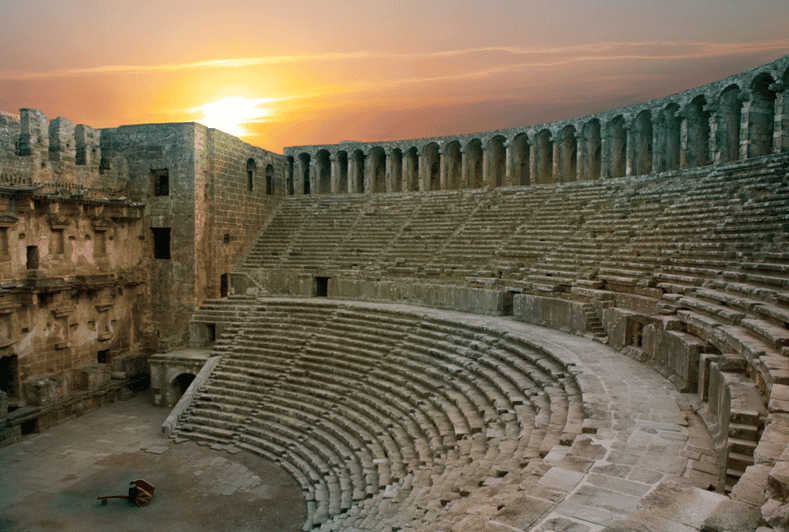
- Aspendos still performing today: A 2nd-century AD amphitheater that holds about 15,000 people and hosts festivals and concerts.
- Side gives you a real break: You get one hour free time to explore at your own pace and enjoy the waterfront.
- Lunch plus entry tickets are included: You’re paying for a complete day, not a pick-and-choose shopping tour.
- Waterfall stop can change: If Manavgat is affected by conditions like flooding, you may see a nearby viewpoint instead.
Perge’s Roman Baths, Agora, Colonnaded Street, and Nympharium
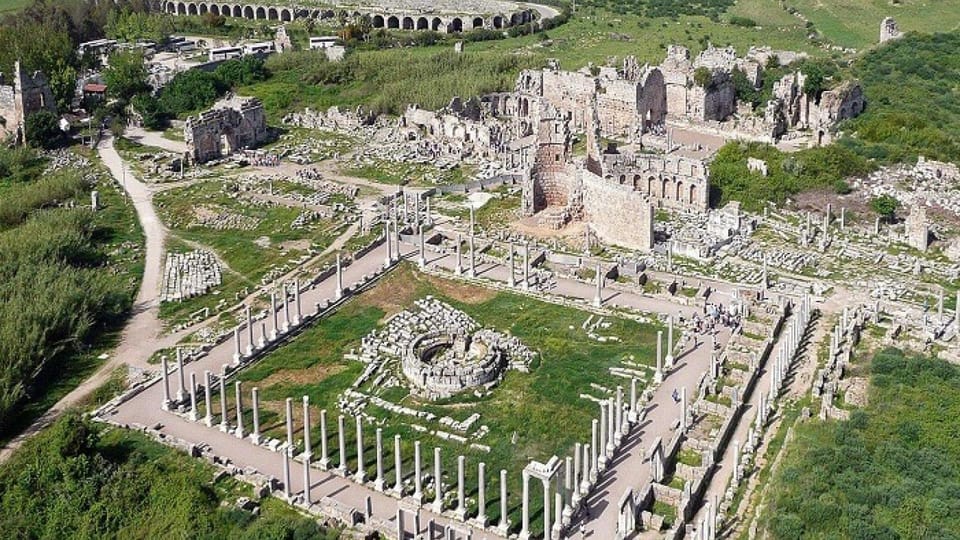
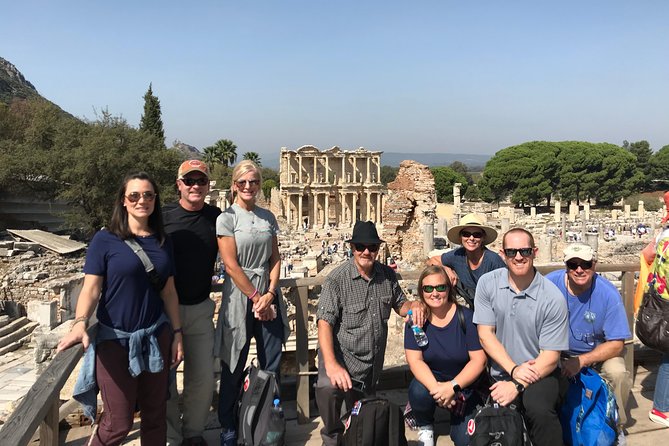
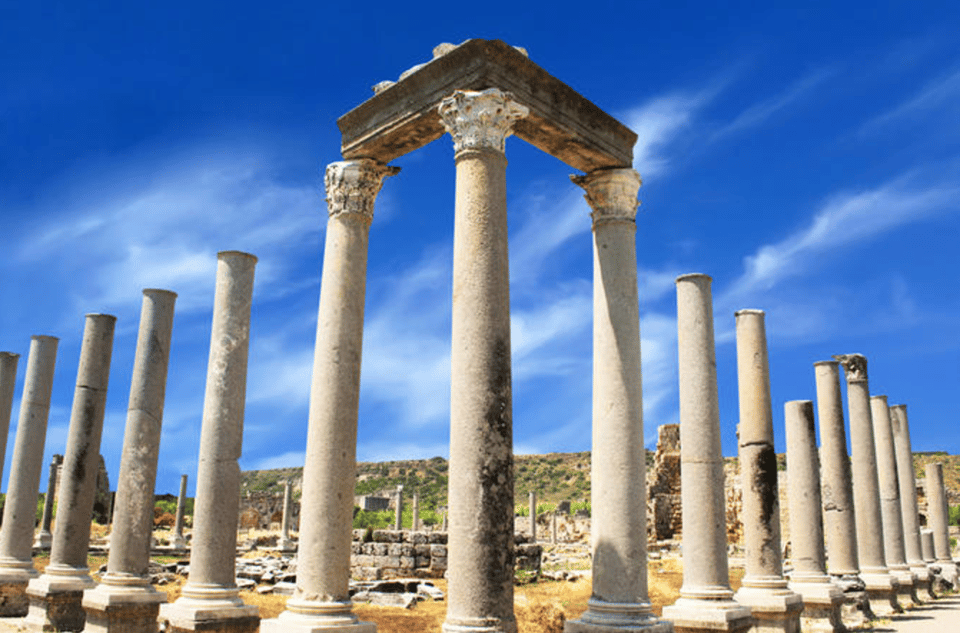
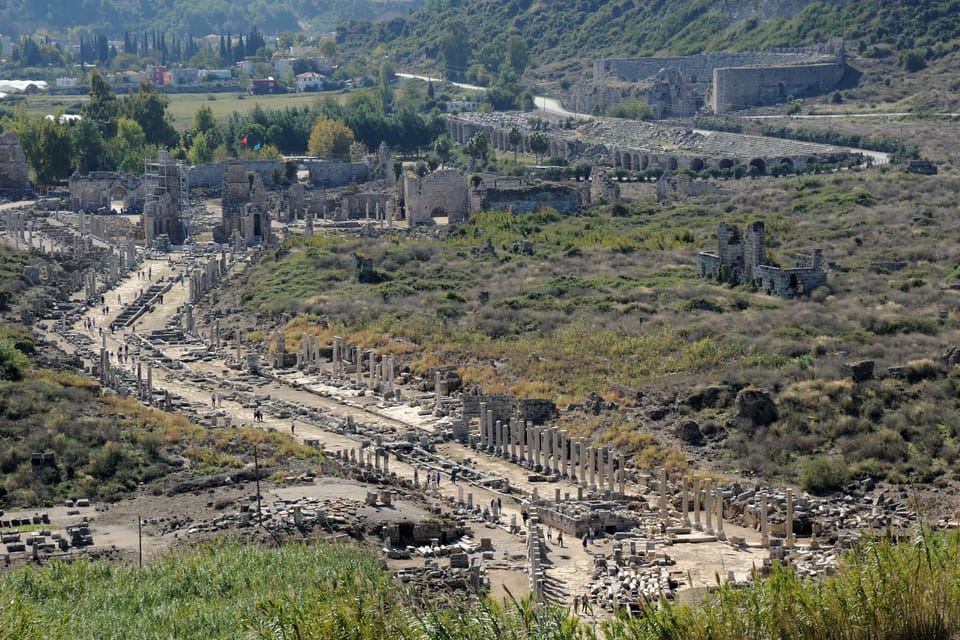
Perge is the kind of site that makes you slow down fast. The ruins stretch over an enormous area—about 15 km of ancient remains—so even if you only cover part of it, you still get that “wow, this city was built to last” feeling. Your guide sets the stage for what you’re looking at, which matters here. Without the story, you mostly see stones. With the story, you start seeing how people actually lived, marched, and met in public spaces.
You’ll spend time at major Perge highlights tied to the city’s everyday rhythm: the Roman Baths (where daily life and social time overlapped), the Agora (the public heart for commerce and gathering), and the Colonnaded Street, a long stretch designed for movement and status. Then you move toward the Nympharium—an important decorative and cultural landmark tied to water and public display—and the stadium area, which gives you a sense of how big organized events were.
One practical point: Perge isn’t all smooth, flat strolling. You’ll do better if you treat comfortable shoes as non-negotiable, not optional. A lot of the ground is uneven and you’ll want secure footing for the gaps, slopes, and stone textures.
And yes, Perge is often the “first big anchor” of the day—so it’s where your guide’s pacing sets the tone for everything after. If your group runs with an energetic host like Fatima, Cengis, Çığıl, or Omar (all names that have shown up leading these tours), you’ll feel it right away: questions get answered, the facts connect, and the time doesn’t feel wasted.
You can also read our reviews of more tours and experiences in Antalya.

Aspendos Amphitheater: A 2nd-Century Stage That Still Works
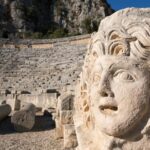
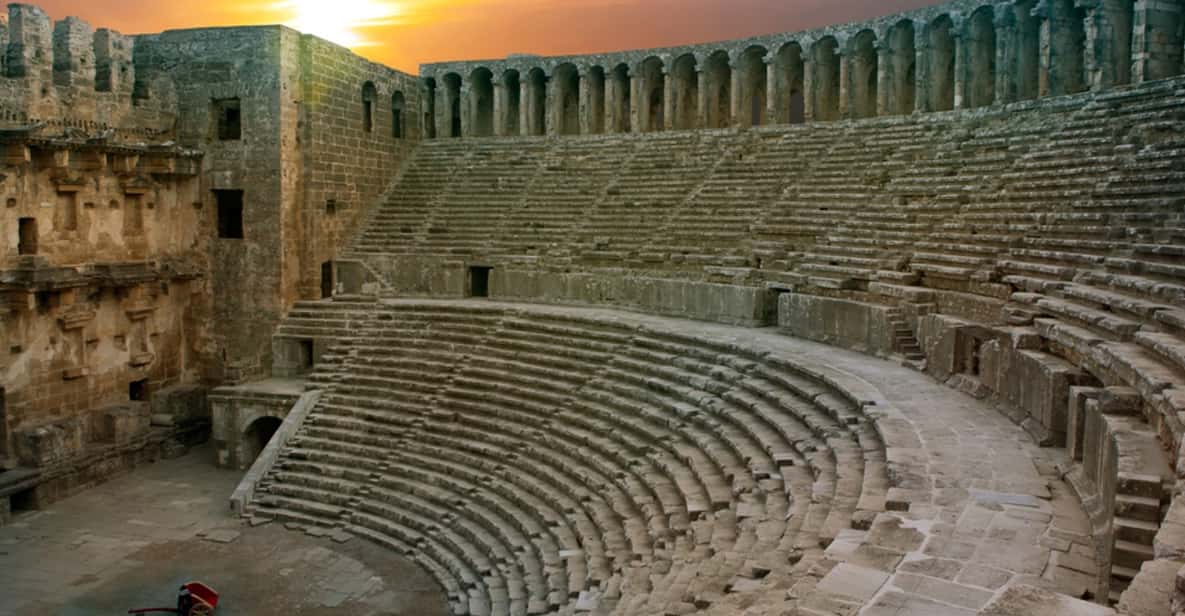
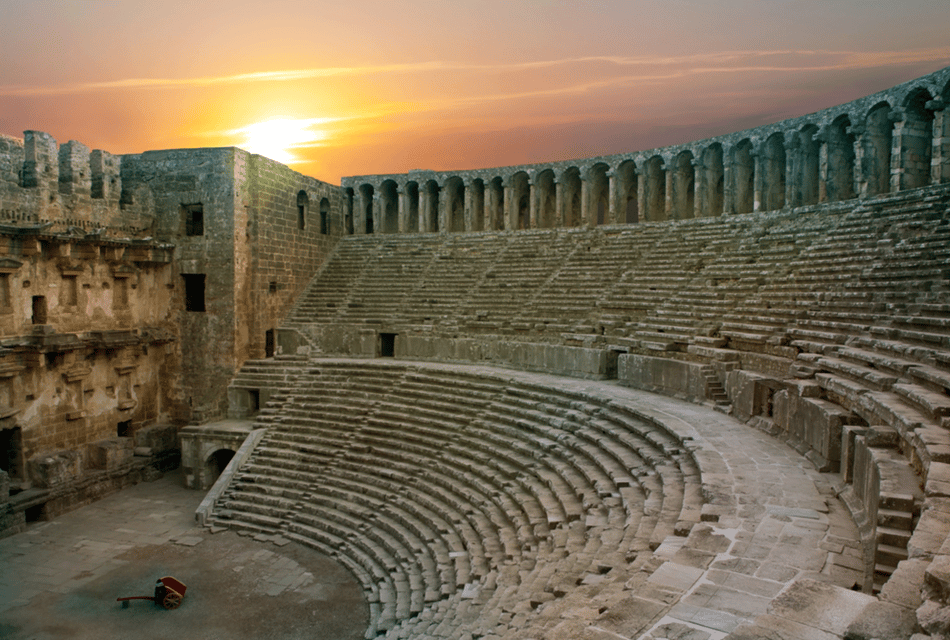
Aspendos is the headline stop, and it earns the attention. This is a Roman amphitheater built in the 2nd century AD with a capacity of about 15,000 people. What makes it special isn’t only the scale—it’s that it’s still used for festivals and concerts. That means you’re not just looking at a ruin. You’re looking at a performance venue that kept its purpose through centuries.
Even in a short visit, you can feel the design. The shape and sightlines are built for an audience experience, and the stonework helps the whole place feel solid and alive. Your guide usually explains how Roman theater culture worked and why amphitheaters like this were such a big deal across the region. The more the guide can connect structure to real human use (crowds, events, and entertainment), the more your photos turn into more than just pictures.
Aspendos is also where timing matters. You’ll likely have enough time to walk the key areas, take photos, and listen without needing to sprint. Still, if you’re a theater-nerd like me, you might want more than the allotted window. Many people finish Aspendos wanting to linger, which is usually a good sign—just know you’re doing a multi-stop day, not an all-day deep study.
Side: Theater, Roman Baths, and the Temple of Apollo by the Sea
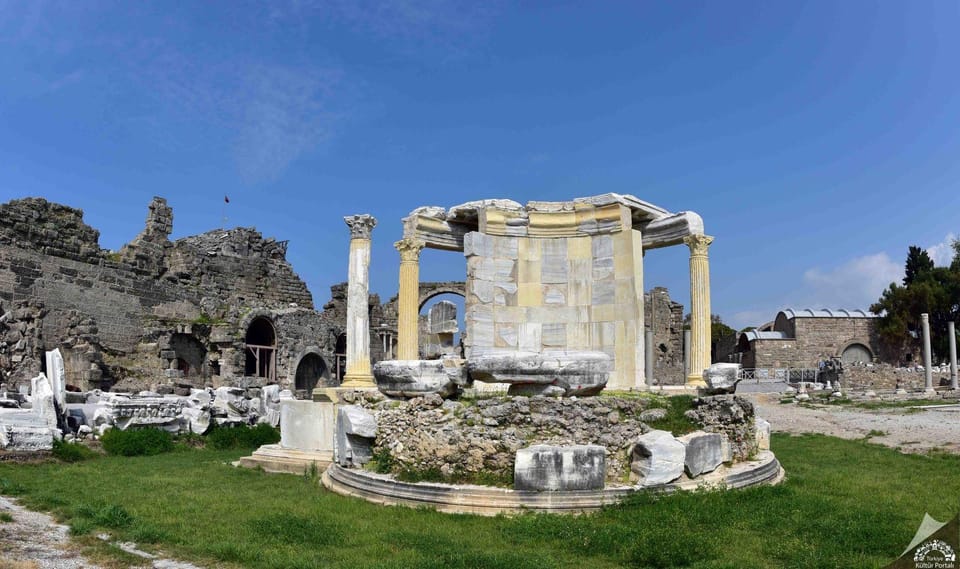
After Aspendos, the day shifts from “ancient big city” to “coastal port ruins.” Side is pronounced Seeday, and it has that seaside atmosphere where you can actually feel the trade and travel that once flowed through this place.
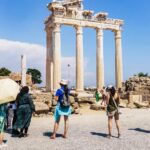
Your guided stop in Side focuses on key Roman structures, including a large theater, Roman Baths, and the Temple of Apollo. The Temple of Apollo is a standout because it ties the architecture to the spiritual and cultural identity of the area. And the theater adds that familiar thread from Aspendos: public entertainment wasn’t a side hobby. It was part of civic life.
Side’s backstory is also heavy. During Roman times, it served as the largest slave market in the region. That’s not a comfortable detail, but it’s an important one, and a good guide won’t hide from it. Knowing that context changes how you view the spaces—people weren’t just strolling for fun; many were moving through systems of power.
Then comes the part I like most: free time. You get about one hour to explore independently. This is where Side works best, because you can step away from the timeline and just enjoy the seafront, the light, and the mix of ruins with modern tourist life. If your goal is photos plus breathing room, this is your moment.
One tip for Side: it can feel like a tourist zone quickly, so decide in advance what you want. If you want ruins and views, prioritize the waterfront and main archaeological areas first, then wander.
Lunch by the River: What You’ll Eat and How to Use That Break
Lunch is included, served at a local restaurant on a nearby river. In practice, lunch is your reset button—shade (if you’re lucky), a sit-down break, and a chance to refuel before the final leg.
Meals are typically a buffet-style lunch with a main course option (often described as choices like chicken, beef, a mix, or fish). Drinks are not included, so if you drink coffee, tea, or juice, that’s where your budget can shift. A few people have also mentioned the lunch being simple rather than fancy, but still filling and reasonable for a tour day.
I’d treat lunch like a strategy break:
- Eat sooner rather than later if you’re sensitive to heat.
- Use the time to top off energy, then plan your next photos while you still have momentum.
- If you’re traveling with dietary needs, ask early through your guide when possible, since some groups reported guidance with vegan lunch choices.
Manavgat Waterfall: When the Scene Changes
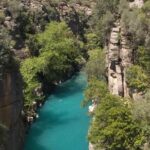
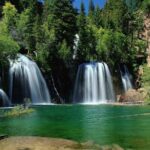
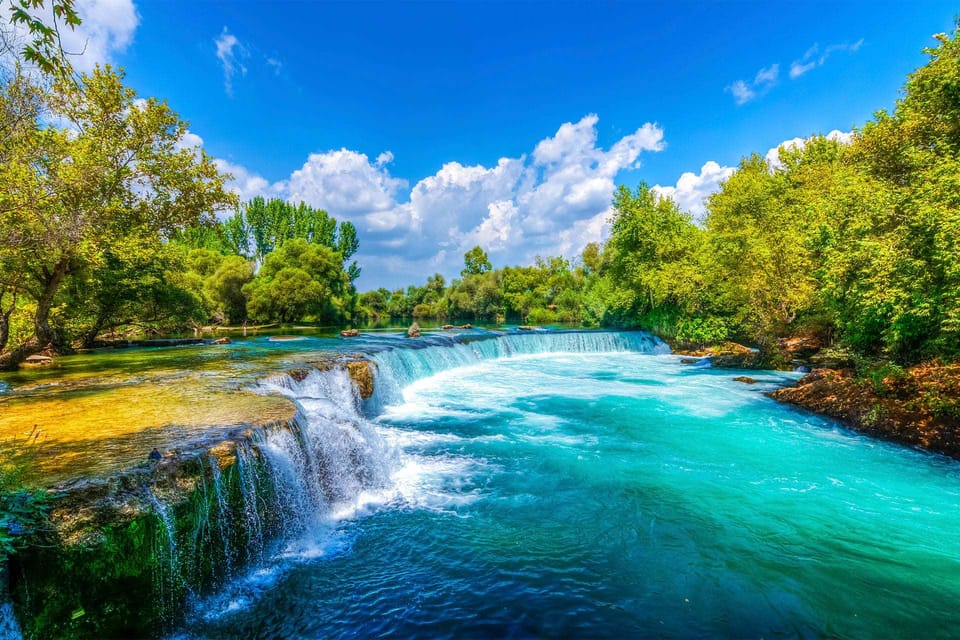
On the return to Antalya, you’ll stop at the Manavgat waterfall. This is a scenic, nature-powered end to a day otherwise focused on stone and history. The river’s force makes it feel dramatic, and the surrounding area can be a relaxing change of pace.
Here’s the important consideration: the waterfall stop can be affected. One departure was changed after flooding, and instead of viewing the waterfall directly, the group stopped nearby to see what they could. That’s not a deal-breaker, but it’s a reason to keep expectations flexible. If conditions are rough, you’ll still get a chance to stretch and look at the area—just don’t plan your whole day around one perfect shot of the falls.
If you’re trying to avoid crowds, go in with the mindset of enjoying the atmosphere, not hunting for an empty waterfall pool. The stop can be quick, more about the moment and the view than a long nature hike.

Price and logistics: how $89 holds up for a 9-hour day
At $89 per person for a 9-hour day tour, the value depends on what you’d otherwise do on your own. This price includes the big “time killers”: hotel pickup and drop-off in Antalya, an air-conditioned vehicle, entry tickets, lunch, and an English-speaking guide.
That’s the core trade-off. You’re paying for convenience and for a guide to connect the dots between Perge’s urban layout, Aspendos’ theater design, and Side’s coastal ruins and port past. If you’re comfortable driving yourself and can handle planning multiple sites, doing it independently might feel cheaper. But if you want the stress removed—plus the history explained while you walk—this price starts to make sense fast.
The included lunch helps too. A lot of independent day plans forget how much time and effort it takes to find something reasonable between archaeological stops.
Two small downsides to keep in mind:
- It’s a long day. You’re moving between sites and doing plenty of walking in sun and stone.
- Comfort can vary. Some people noted cramped bus seating or air-conditioning issues in certain vehicles on hotter days. If you’re sensitive to heat, wear lighter layers and drink water.
Guides and what to expect from the narration
One reason people rate this tour so highly is the human factor: the guides. Names that show up include Khan, Fatima, Kerem, Cengis, Çığıl, Hasan, Aziz, Omar, Phyllis, and Jokey. Across these examples, the consistent themes are clear communication, energy during long stretches, and a style that keeps the group engaged.
You’ll usually get narration through a microphone, which helps the whole bus hear the explanations without leaning or craning your neck. That matters because half the value here is what you learn while you’re between sites.
The guide also affects timing in subtle ways. A couple of groups mentioned the itinerary shifting slightly based on weather—like adding or swapping stops when conditions changed. So if you’re going on a rainy or unpredictable day, don’t assume the plan will be identical minute-to-minute. Expect adjustments that keep the day useful.
Who should book this tour (and who might not)
This is a great fit if:
- You want Perge + Aspendos + Side in one efficient day.
- You like Roman sites but don’t want to research them all yourself.
- You’re the type who enjoys a guide’s explanations while you walk, then uses free time to enjoy the views.
It may be less ideal if:
- You hate long van rides and tight seating.
- You want to spend half a day doing only one site. Perge, in particular, can feel bigger than the time slot allows if you love slow, detailed exploring.
- You’re extremely heat-sensitive. The open ruins take sun seriously.
A practical way to decide: if you’re only in Antalya for a short window, this tour is one of the easiest ways to hit the region’s “big three” without turning your holiday into a logistics project.
Should you book this Roman sites day tour?
I’d book it if your top priority is seeing the region’s major Roman landmarks with minimal hassle. Aspendos alone is worth the trip, and Perge and Side add depth so your photos look like more than random ruins. The price feels fair for what you get—entry tickets, lunch, hotel pickup, and an English guide who helps you understand what you’re standing in front of.
I’d hesitate if you’re picky about comfort in vehicles or if your ideal day is slow and quiet with no schedule pressure. Also, if you’re dead set on the waterfall as your final highlight, remember that conditions can change the viewing.
If your goal is one strong day that gives you a clear sense of Pamphylia’s Roman footprint, this tour is a solid choice.
FAQ
How long is the Antalya Roman sites day tour?
It runs for 9 hours.
What stops are included?
You’ll visit Perge, Aspendos amphitheater, Side, and you’ll stop at Manavgat waterfall on the way back.
Is lunch included?
Yes, lunch is included.
Are entry tickets included?
Yes, all entry tickets are included.
Is hotel pickup and drop-off included?
Yes, pickup from your accommodation in Antalya and drop-off are included.
Do I get free time in Side?
Yes, you get 1 hour of free time in Side.
Are drinks included with lunch?
No, drinks are not included.
What should I bring?
Bring comfortable shoes.
Is the tour wheelchair accessible?
Yes, the tour is wheelchair accessible.