REVIEW · TRABZON
Eastern Turkey 12-Day Sightseeing Tour from Trabzon
Book on Viator →Operated by ALKANS TOUR · Bookable on Viator
Turkey’s far east feels like time travel.
I like the way this trip handles the hard parts for you: airport pickup, two domestic flights, air-conditioned driving, breakfasts and dinners, and museum entries all bundled in. I also love the “one day you’re here, next day you’re somewhere ancient” rhythm, with standouts like Sumela Monastery hanging above the Black Sea. One drawback to plan for: it’s a long, energy-heavy route with a lot of time on the road, and you’ll want a decent fitness baseline for sites with stairs and uneven ground.
You’ll also get a private-guide feel. The tour is capped at 8 travelers, and small-group days can make the pace feel less crowded. Many guests praise guides such as Ahmet Gülmez, Ören, Sabahattin, Adem Kocaman, and Hasan for turning monuments into stories, not just photo stops.
Finally, you should know the logistics are not “lazy travel.” Expect frequent hotel changes (with only brief recovery time), long drive days between regions, and summer heat in places like Diyarbakır. If you like slow mornings and minimal driving, this route may feel like a challenge rather than a vacation.
In This Review
- Key highlights worth caring about
- A big route from Trabzon to Gaziantep, with logistics handled
- Day 1: Hagia Sophia Museum, then Sumela’s cliffside monastery
- Day 2: Erzurum madrasas, Tortum Waterfall, and Ishan Church ruins
- Day 3–4: Kars and Ani’s churches, then Ararat-country at Ishak Pasha Palace
- Day 5–6: Akdamar on the lake, then Hosap and Van’s Urartian forts
- Day 7–8: Hasankeyf caves, Mardin’s limestone streets, and Diyarbakır’s walls
- Day 9–10: Nemrut sunset with Commagene giants, then Göbekli Tepe and Urfa
- Day 11–12: Zeugma mosaics and Gaziantep’s food-led culture
- Price and value for a 12-day history marathon
- What to pack, and how to pace yourself on the road
- Who should book, and who should skip
- Should you book this Eastern Turkey tour?
- FAQ
- Where does the tour start and where do you end?
- Is the tour guided in English?
- How big is the group?
- What’s included in the price for meals and visits?
- What physical demands should I expect?
- Is there free cancellation?
Key highlights worth caring about
- Sumela Monastery above the valley: a dramatic cliffside setting that makes the day feel special even before you start walking.
- Ani ruins in Kars: a former Armenian capital where churches, citadel walls, and the Cathedral of Ani give you big-time scale.
- Ishak Pasha Palace near Ararat: a rare mix of styles and a palace complex that feels ambitious even in ruin.
- Van region Urartian fortresses: Fortress of Van and Cavustepe/Sardurihinilli add an older layer before you move into later empires.
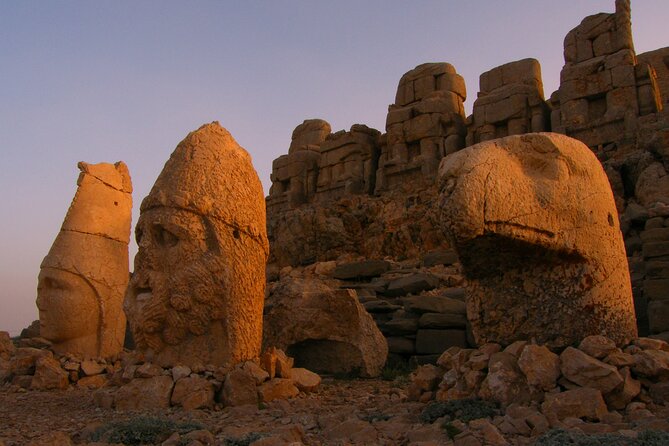
- Nemrut at sunset: the climb up and the sun drop from the summit is the kind of moment you’ll remember for years.
- Göbekli Tepe’s early religious architecture: you’ll be looking at some of the earliest known monumental religious structures.
A big route from Trabzon to Gaziantep, with logistics handled
This is a point-to-point tour across Eastern Turkey, starting in Trabzon and ending with a transfer to Gaziantep Airport on Day 12. The headline promise is simple: you show up, and the tour takes care of the moving parts—pickup, domestic flights, transportation, and major costs like museum entries.
That matters because Eastern Turkey isn’t the kind of place where you “wing it” comfortably. Distances are real, and sites are spread across regions that each have their own feel—Black Sea monasteries, mountain villages, then the Mesopotamia corridor (Urfa, Mardin, Diyarbakır), and finally Gaziantep.
Group size is small (up to 8), and that tends to make a difference when you’re juggling timing and getting in and out of sites. More than once in the past, small headcounts turned the experience into something closer to a private itinerary—exactly what you’d want when you care about photos and understanding what you’re seeing.
You can also read our reviews of more tours and experiences in Trabzon.
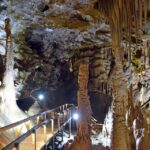
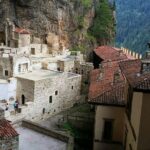
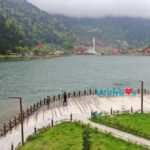
Day 1: Hagia Sophia Museum, then Sumela’s cliffside monastery
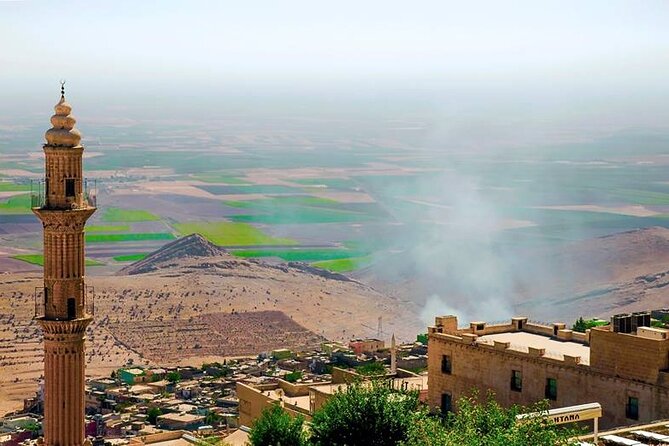
Day 1 starts with a flight into Trabzon (or you can arrive a day early). Your guide meets you at the airport and kicks off with Trabzon Hagia Sophia Museum—a major 14th-century Byzantine church overlooking the Black Sea. Even if you’re not the type to memorize dates, the setting and surviving religious art (including important frescoes) give you a strong opening picture of the region’s layered past.
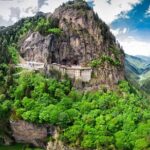
Then comes one of the classic moments: Sumela Monastery in Altındere National Park. This place is famous for a reason. The monastery clings to the side of a steep cliff above a deep river valley, and the approach makes it feel like you’ve stepped into a different world before you even reach the main structures.
Practical note: plan for a fair bit of walking and steps. It’s not extreme hiking, but you don’t want to be caught unprepared—comfortable shoes matter.
If your guide is someone like Ahmet Gülmez, you’ll likely get extra context that helps you “read” the monastery rather than just view it. In the same first day stretch, it’s common to add Altındere Vadisi National Park for scenery and a breather.
Day 2: Erzurum madrasas, Tortum Waterfall, and Ishan Church ruins
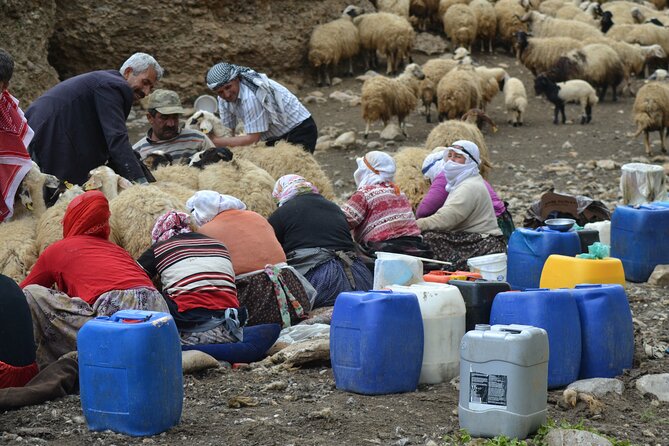
Day 2 swings from the Black Sea mountains toward Erzurum’s historical center.
First stop is Ishan Church via Artvin. The route takes you through the Coruh Valley with wild scenery and Georgian valleys, including castles and churches along the way. Ishan itself is about ruins and layered identity: the village has been Armenian and later tied to Georgian religious life, and you can still see the shell of an 8th–9th century cathedral and a church dedicated to the Virgin Mary (dated to 1006).
Next, you’ll reach the Tortum Waterfall (the tallest waterfall in Turkey). You walk down to the lower area so you see it up close, and it’s also a sensible picnic break spot. This is the day’s “body reset” compared with ruin-heavy stops—less explaining, more fresh air and a strong sensory payoff.
Finally, you arrive in Erzurum and visit Yakutiye Medresesi, a 14th-century madrasa now used as a museum. You also get a walk through the Yakutiye area and a look at local city life. The medrese stop is valuable because it changes the story from “monuments in nature” to “learning institutions” in the urban fabric.
Day 3–4: Kars and Ani’s churches, then Ararat-country at Ishak Pasha Palace
Day 3 begins with Erzurum’s central sites—things like the Great Mosque and the Double Minaret, plus medreses and Ulu Camii—then a walk through the historical core and bazaar life. This is a good warm-up for the next big leap east.
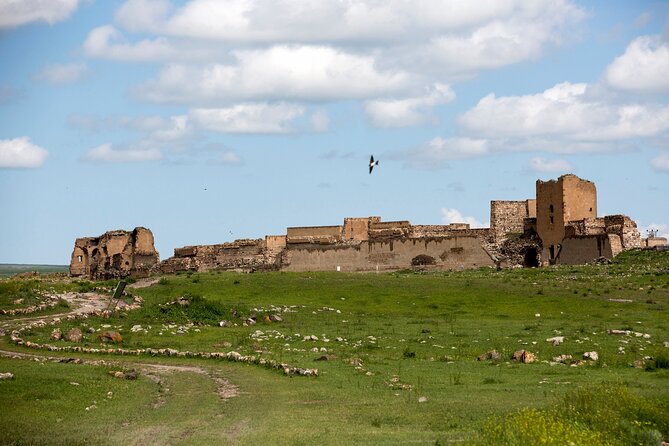
Then it’s Ani Ruins in Kars, the former capital of a medieval Armenian kingdom. Ani is big in a way that’s hard to fake in photos: you’ll see multiple church remains, the Cathedral of Ani shell, the citadel, a mosque, and a defensive wall system with impressive preserved sections. If you’re into art history, the Church of St Gregory (Tigran Honentz) is particularly compelling, with surviving fresco remains despite centuries of exposure.
The same day’s Ani Cathedral visit gets more specific about the build timeline and who commissioned it. Even if you don’t care about inscription-level detail, it gives you a sense of how monumental the project was for that time.
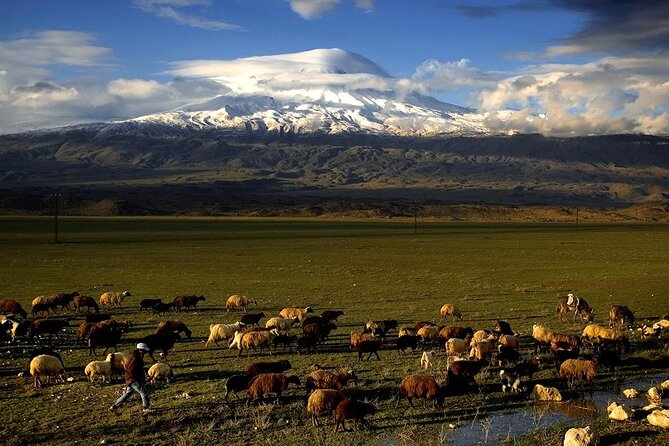
Day 4 shifts the focus toward Ararat-country. You skirt the western edge of Mount Ararat and stop at viewpoints (plus some time to appreciate the scale: 5,137 meters is not something you forget).
Then you reach Ishak Pasha Palace in Doğubeyazıt. The palace is famous for its architecture blending Seljuk and Ottoman influence with Georgian and Armenian/Persian elements. Even ruined, the ambition shows—you can feel why it was built so far from Istanbul’s reach. Expect to wander and stare a bit.
You’ll also stop at Muradiye Selalesi for refreshments near the waterfall area. It’s a nice pacing moment: you’ve had serious architecture and major ruins; this offers a gentler reset.
Day 5–6: Akdamar on the lake, then Hosap and Van’s Urartian forts
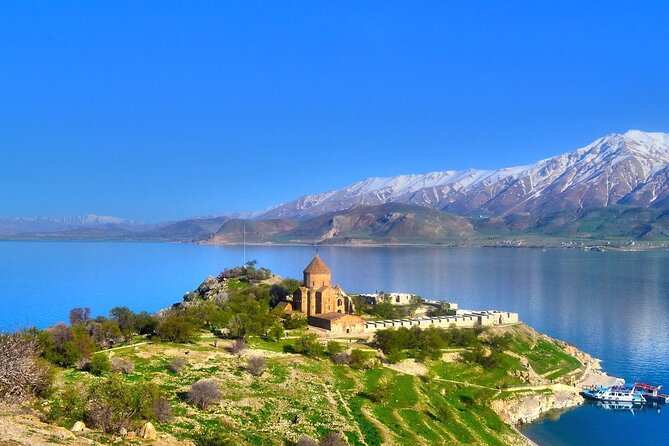
Day 5 starts with travel toward Lake Van and the Akdamar Island area. Here you visit the restored 10th-century Armenian Church of the Holy Cross (Sourp Khach). This church is especially known for its decorative exterior reliefs and carved ornamentation, and it’s one of the best examples of Armenian architecture in the region. The church’s setting also helps: you’re not just looking at a building; you’re looking at a building in a specific cultural landscape.
Next comes Hosap Castle (Hosap Kalesi). It’s strategically positioned on a rocky outcrop by the Hosap River. The structure you see today mainly dates to the 1600s, but you’ll hear it has earlier roots too, reaching back toward Urartu-era possibilities. The “why it mattered” theme is clear here: the fortress functioned as both protection and a toll/route control point on the Silk Road era.
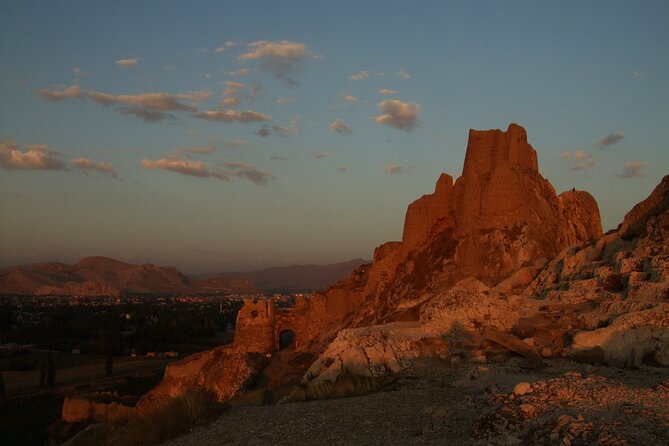
Then it’s Van Kalesi, the Fortress of Van—an ancient Urartian fortification dating to the 9th–7th century BC. It overlooks Tushpa, the ancient Urartian capital. This is a big shift backward in time, and it works because you’ve just spent days moving through Byzantine and medieval layers.
You also visit Cavustepe (Sardurihinilli), an Urartian royal palace and fortress. It’s shorter (about 40 minutes), but it keeps the theme consistent: Urartu isn’t just “mentioned,” it’s physically present in the sites.
Day 6 includes Nemrut Golu (Crater Lakes). You drive along the southern shore of Lake Van, then to Tatvan, and head up toward Mount Nemrut crater. You’ll picnic by the crater lakes. This stop is free of admission fees, and that’s a nice value add when you’re stacking paid entries across the tour.
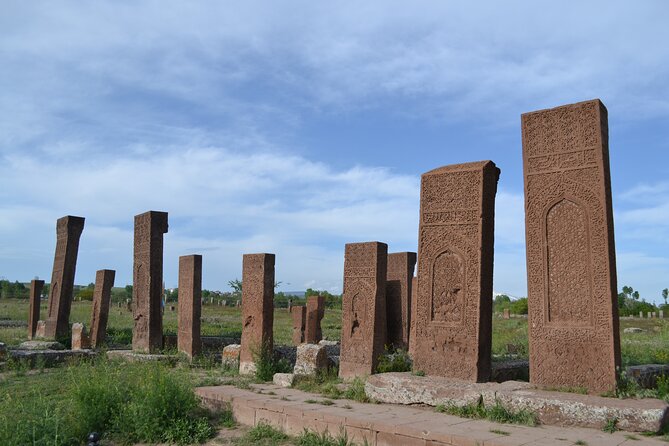
You’ll also stop at Ahlat, known for historic tombstones tied to the Ahlatshah dynasty. These kinds of sites can feel quiet compared with the famous museums, but they reward slow observation.

Day 7–8: Hasankeyf caves, Mardin’s limestone streets, and Diyarbakır’s walls
Day 7 is all about the Tigris corridor and the old world south of the mountains.
You’ll reach Hasankeyf via Bitlis and the Bitlis Gorge (passing through Batman area). Here you visit caves and ruins of the medieval Byzantine city along the Tigris. Hasankeyf often hits differently in person because the setting is rugged—history is woven into the stone rather than sitting in a tidy display.
Then you move to Mardin Province. Mardin’s reputation as an open-air museum is understandable: many buildings are carved from beige limestone, mined in the surrounding quarries for centuries. You get context on how the region moved through Assyrian Christian monastic influence, Roman-era naming, and later cultural layers.
After that you visit Deyrulzafaran (Saffron) Monastery, historically central to the Syriac Christian Patriarchy. The monastery is built over an ancient temple with foundations tied to a sun worship setting, and the idea of the “flat arch” roof over that older structure can be a standout for architecture lovers.
Day 8 lands in Diyarbakır, starting with the city walls of Sur/Amida. These are some of the widest and longest complete defensive walls after the Great Wall of China. You’ll pass by major gates (Dağ, Urfa, Mardin, and Yeni/New gates) so you get a fuller sense of the city’s structure, not just a single viewpoint.
Then you see the Grand Mosque of Diyarbakır, built by Seljuk sultan Malik-Shah I over an older mosque. It’s famous for accommodating up to 5,000 worshippers and for hosting multiple Islamic traditions in one complex.
Finally, the day continues with Meryem Ana Church, the 10 Arches Bridge over the Tigris, and the Hasan Pasha Han Ottoman caravansary. It’s a great pairing: walls and sacred spaces plus trade-era infrastructure.
Day 9–10: Nemrut sunset with Commagene giants, then Göbekli Tepe and Urfa
Day 9 is the big “wow” for many people: Mount Nemrut.
You travel by ferry across the Euphrates and arrive near Nemrut National Park, then make the climb to the top. The stop includes the tumulus of Antiochos and the colossal statues of gods from the Commagene Kingdom. The key moment is watching the sun set from the summit. This is one of those experiences where the timing really matters. If you’re the type who hates being rushed at sunrise/sunset, take it easy with expectations and treat it as a special planned day rather than just another stop.
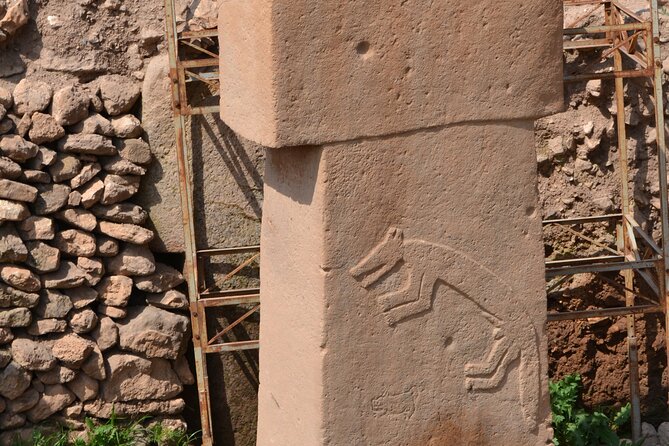
Day 10 shifts into early history and religious beginnings: Göbekli Tepe. The tour includes the ongoing archaeological dig, and this is a major shift in understanding early religious structures. You’ll learn why this site—about 11,000–13,000 years old and predating pottery and writing—changed the conversation about when and how people built major ritual spaces.
Then comes Şanlıurfa (Urfa). You visit the Holy Pools of Abraham and the cave where tradition places Abraham’s birth. You also get bazaar time and Gumruk Han.
Finally, you visit Şanlıurfa Archaeology and Mosaic Museum for artifacts from the surrounding region and finds connected to Göbekli Tepe and Harran-related material. It helps tie the “early religion” theme to the broader archaeological context in southeastern Anatolia.
Day 11–12: Zeugma mosaics and Gaziantep’s food-led culture
Day 11 goes to Gaziantep and begins with Zeugma Mosaic Museum. This museum houses mosaics taken from the ancient city of Zeugma after it was submerged under the waters of the Atatürk Dam. The mosaics are known for the skill of the craftsmen and the wealth and taste of the citizens who commissioned them. For art lovers, it’s one of the most “dense” museum stops in the whole route.
After that, you get leisure time in Gaziantep’s citadel district and old town—then the city’s best feature shows up fast: food. The tour’s framing is accurate. Gaziantep cuisine runs hot and spicy, with influences from the Oguz Turks and Aleppo across the border. Expect kebab varieties (like minced meat kiyma kebab, kusbasi kebab, and others), along with favorites like lahmacun and regional specialties you won’t see the same way elsewhere.
Day 12 is simpler: after breakfast, you transfer to Gaziantep Airport.
Price and value for a 12-day history marathon
At $3,850 per person, this is not cheap. But it’s also not a “cheap and missing stuff” deal. The package includes two domestic flights, hotel pickup, air-conditioned vehicle transport, breakfasts and dinners, and museum/site entries. That’s a big part of Eastern Turkey costs, because so many sites charge admission and the logistics add up fast when you do it on your own.
What you should treat as a real value-check:
- If you were planning this yourself, you’d pay for flights, drivers, guides, and entries separately. This route bundles those costs into one price.
- Group size is small, which helps you justify the guide expense.
One minor caution from the details provided: “Lunch” appears in the included list and also in the not-included list. When you book, confirm exactly what’s covered for lunches on the days where the itinerary doesn’t clearly list them.
What to pack, and how to pace yourself on the road
This tour earns its reputation as a “portal” trip because you’re stacking major eras: Byzantine, medieval Armenian, Seljuk/Ottoman, Syriac Christianity, Urartian, and early human prehistory. That kind of scope can feel exhilarating… and exhausting.
Pack for mixed terrain and long days:
- Comfortable walking shoes (Sumela and Ani both involve uneven ground and steps).
- A layer for Nemrut conditions; you’re going to higher elevation and spending time outdoors around sunset.
- Water and small snacks for long drives, even if breakfast/dinner are covered.
Also, plan your body like an athlete, not a tourist:
- This isn’t constant hiking, but it is constant movement.
- In hot months, the south-east can feel intense. One reason you’ll want to go with a guide who can keep schedules realistic.
A small practical note from a past experience: earlier in the trip, bathroom options may be more basic than hotel bathrooms. If you’re picky about facilities, do what locals do—choose carefully and move on.
Who should book, and who should skip
This tour is a good fit if you:
- Want major, world-class sites in one continuous run, without hunting down schedules.
- Like history you can touch—ruins, forts, monasteries, and carved stone art.
- Prefer a guide who can explain why each place matters to the bigger story of Eastern Turkey.
You might want to reconsider if you:
- Hate long drives and frequent hotel changes.
- Need lots of downtime each day.
- Have mobility limits that make stairs/uneven surfaces difficult.
One more decision tip: ask your booking contact how many people will be in your group right before departure. Some past vehicles have been tight for bigger groups and luggage, and the experience can feel smoother with more comfortable transport choices.
Should you book this Eastern Turkey tour?
Yes, if you want the full sweep—from Trabzon’s Black Sea monasteries to Nemrut’s statue giants and Göbekli Tepe’s early religion—without doing the planning math yourself. The value comes from bundled flights, transport, site entry fees, and a small-group setup that gives your guide room to talk.
No, if you’re aiming for slow travel. This itinerary moves. You’ll get tired at the end, and that’s normal.
If you book, I’d do two things right away: confirm lunch coverage clearly, and take the physical side seriously—good shoes and a steady pace will make this trip feel like a dream instead of a grind.
FAQ
Where does the tour start and where do you end?
The tour includes pickup from Trabzon Airport. On Day 12, you’ll be transferred to Gaziantep Airport after breakfast.
Is the tour guided in English?
Yes. The tour is offered in English.
How big is the group?
The tour has a maximum of 8 travelers.
What’s included in the price for meals and visits?
The tour includes breakfasts and dinners, plus all museum site entries and state/local taxes. Air-conditioned vehicle transport and pickup are also included. Lunch is listed inconsistently, so it’s smart to confirm what’s covered for your exact dates.
What physical demands should I expect?
The tour asks for moderate physical fitness. Expect walking on uneven ground and climbing stairs at several major sites.
Is there free cancellation?
Yes. You can cancel up to 24 hours in advance for a full refund, and cancellations are tied to the experience’s local time. The tour may also be canceled if the minimum number of travelers isn’t met, with an alternative date or a full refund offered.