REVIEW · AVANOS
Cappadocia: Private Shopping
Book on GetYourGuide →Operated by Moira Travel Agency · Bookable on GetYourGuide
Shopping in Cappadocia needs a local compass. This private shopping tour is built around real craft stops and a friendly, history-aware driver who helps you shop without feeling lost. You’ll get a focused hit of what to buy in Cappadocia, from Avanos pottery to Uçhisar’s traditional goods, with a simple pace that fits a morning or afternoon plan.
Two standouts I like: you’re not just dropped in a market—you’re guided through what each craft is and what’s worth looking for; and lunch is included, so you can browse without turning it into a full-day food hunt. One thing to keep in mind: you’ll want to be ready to negotiate, because prices can swing fast in popular shopping areas.
In This Review
- Key highlights to look for in this Cappadocia shopping tour
- How a private driver turns Cappadocia shopping into an easy plan
- Avanos pottery workshops: where the clay craft has real staying power
- Carpet and rug shops: understanding knots, dyes, and pattern meaning
- Onyx and jewelry stores: spotting handmade stonework you can actually recognize
- Local markets and cave-town boutiques in Uçhisar
- Wine tasting and shopping: sampling before you commit
- Time, pacing, and what 3 hours really means for shopping
- Price and value: what $8 per group up to 15 covers (and what to watch)
- Best fit: who should book this Cappadocia shopping tour
- Should you book it? My honest take
- FAQ
- How long is the Cappadocia private shopping tour?
- What is included in the price?
- Is lunch included?
- What shopping stops are included?
- What can I buy on this tour?
- Do I need to bargain?
- What languages are available for the driver?
- Do I need tickets or entry fees?
- Is it okay for wheelchair users or people with mobility impairments?
- Are pets allowed?
Key highlights to look for in this Cappadocia shopping tour
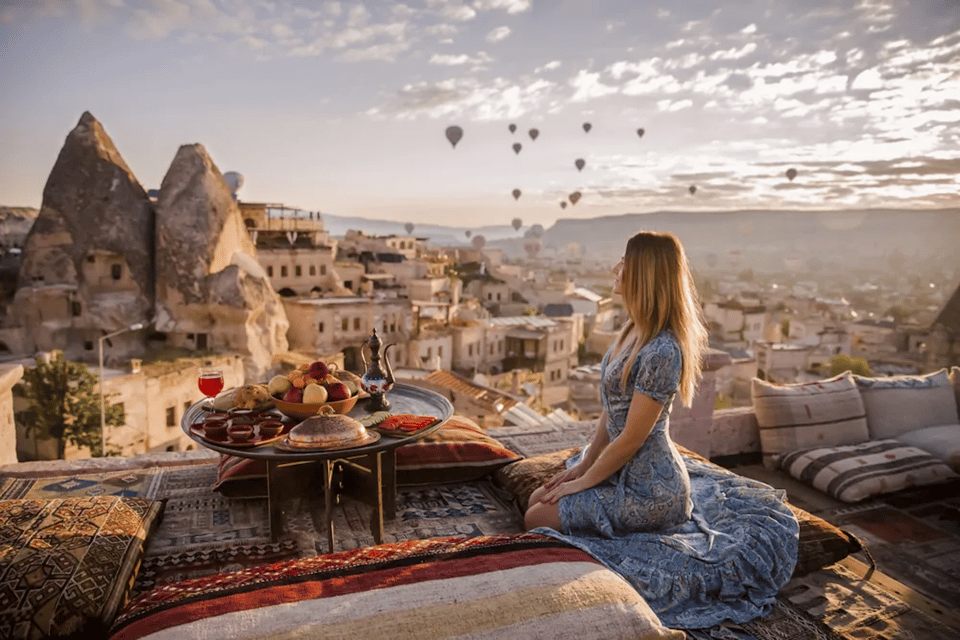
- Private shopping with hotel pickup: you start and end with transport arranged for you.
- Craft-focused stops: pottery in Avanos, carpets/rugs, onyx and jewelry, and local boutiques.
- Bargaining know-how: the tour includes tips on how to shop the right way.
- Lunch included: plan around browsing, not searching for a meal.
- Uçhisar time for shopping: a charming town stop for Turkish goods.
How a private driver turns Cappadocia shopping into an easy plan

Cappadocia can be shop-and-stumble, or it can be smart. This experience leans smart. You get a professional driver (English, Spanish, Portuguese, Japanese are available) and transportation by air-conditioned van or bus, plus hotel pickup and drop-off. That matters more than it sounds, because many craft areas are spread out and you don’t want your “shopping time” swallowed by logistics.
The tour is also designed as a private group, so you’re not stuck in a line of people getting rushed along the same route. The goal is a relaxed shopping rhythm with enough context to help you spend with confidence—especially when you’re looking at handmade items like ceramics, carpets, and jewelry.
That said, this is still shopping. You’ll be walking and browsing, so wear comfortable shoes and keep water handy. And if you tend to hate bargaining, don’t ignore that part—this tour specifically encourages it.
You can also read our reviews of more private tours in Avanos

Avanos pottery workshops: where the clay craft has real staying power

Avanos is widely associated with pottery in Cappadocia, and this stop is where the tour earns its keep. You’ll see local artisans working clay using wheel techniques passed down over generations, and there’s even the chance to try making pottery if you want a hands-on souvenir moment.
What to look for is not just “pretty ceramic.” The tour helps you understand the categories collectors care about. You might see hand-painted ceramics, pieces inspired by Hittite style (the area’s long association with pottery goes back to the Hittite era), and forms like wine jugs. Even if you don’t buy, it’s a great stop for figuring out what you’re actually seeing when a shopkeeper labels something as a style or tradition.
A practical tip: pottery shops can be heavy with small items that add up fast. If you’re bringing gifts back, decide early whether you’re buying one showpiece (a jug or a larger decorative piece) or several smaller items. That choice keeps you from doubling your budget by accident.
Carpet and rug shops: understanding knots, dyes, and pattern meaning

Next up is the carpet and rug side of Cappadocia shopping, and this is where the tour’s “what to look for” guidance really matters. You’ll visit traditional ateliers where you can learn how hand-knotting works, how natural dyes are used, and what Anatolian patterns can mean.
The shopping payoff here is clear:
- What to buy: wool, silk, or cotton Turkish carpets, plus kilims.
- What’s special: the pieces are handmade, and you may even see women weaving in real-time.
Here’s why I think this stop is valuable even if you don’t plan to buy a carpet. Carpets and kilims can look similar in photos, but quality and materials change the price and the feel. When you understand the knotting and dye approach, you’re less likely to overpay for something that’s more decorative than authentic—or to buy a “bargain” that isn’t what you thought it was.
Also, carpets are bulky. If you’re flying home, think about weight and packaging before you fall in love. If you do buy, ask how it will be handled so you’re not stuck improvising on your travel day.
Onyx and jewelry stores: spotting handmade stonework you can actually recognize
Cappadocia’s jewelry scene includes onyx and semi-precious stones, and this tour makes it easier to shop with eyes open. You’ll learn about stone-cutting and see how jewelry is made in local workshops, with many pieces described as handmade rather than mass-produced.
What to shop for:
- jewelry made with onyx
- stones like turquoise and other regional options
What to consider: if you’ve never shopped for stone jewelry before, it’s easy to get distracted by sparkle. Use the guide’s framing. Ask what kind of stone it is, how it’s cut, and what makes that piece different from similar-looking items in other shops. Even a quick comparison between shops can teach you a lot about craftsmanship versus marketing.
If you’re buying for yourself, onyx can be a great choice because it tends to stand out even in simple settings. And if you’re buying as a gift, it’s often easier than choosing a carpet pattern that might clash with someone’s home decor.
Local markets and cave-town boutiques in Uçhisar
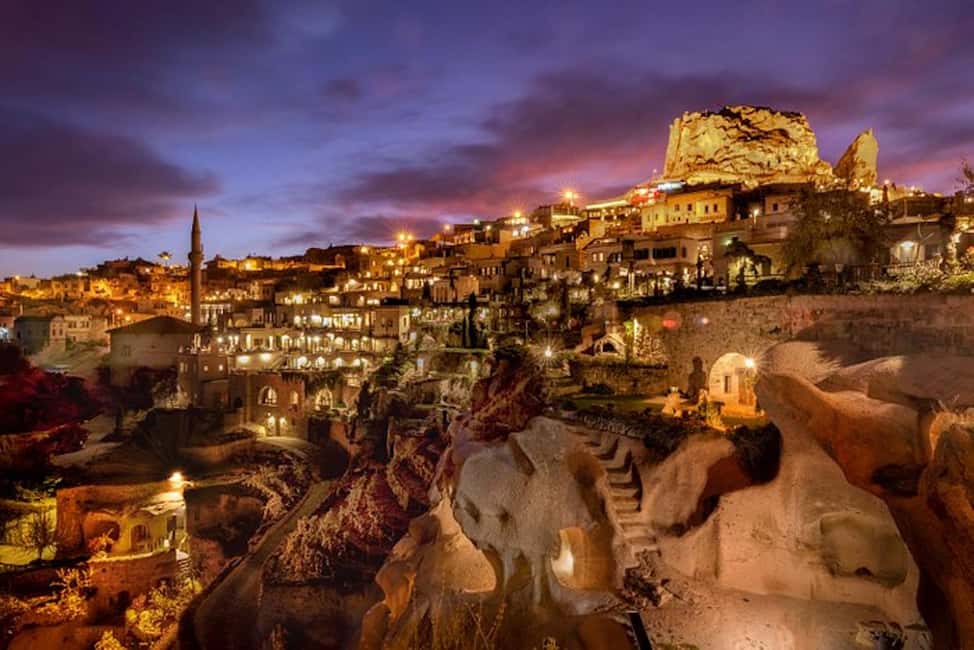
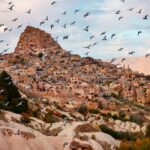
This is the part that feels most “Cappadocia,” because you often shop where architecture is part of the experience. You’ll explore markets and boutiques in areas tied to Uçhisar’s traditional Turkish goods, and some shops are carved into fairy chimneys or cave buildings.
This stop is built for small, practical, and highly giftable items:
- handmade soaps
- spices
- local wines
- evil eye charms
- lamps
- textiles
I like that the tour frames these as everyday local products rather than tourist-only trinkets. That makes it easier to buy things you’ll actually use at home, like soaps, spices, or a small textile instead of only decorative items that won’t fit your luggage.
One careful note: markets can be price-chaotic. If you want to avoid paying too much, don’t rush your first offer. Take a moment, compare, and use the bargaining tips you’re given. One of the best pieces of advice I can offer here is to treat your first price-check as data, not a deal.

Wine tasting and shopping: sampling before you commit
Cappadocia has a strong wine-making tradition, especially around Ürgüp, and this tour includes wine tasting and wine shopping. The idea is simple: sample first, then decide what to buy.
What you can expect to buy includes locally produced red and white wines. Sampling can save you from buying a bottle that looks good but tastes wrong for your preferences, especially if you’re traveling with only a little luggage space for liquids.
Practical move: if you’re planning to take wine home, be realistic about how you’ll pack it. You might find that a smaller format or careful packing helps you avoid the stress of trying to fit breakable bottles into your suitcase at the last minute.
Time, pacing, and what 3 hours really means for shopping
Three hours sounds short because it is short. That’s exactly why this private tour approach can be a smart value—your time is protected, and you’re guided to multiple types of shops without wasting half the day getting from one end of Cappadocia to the other.
The pacing usually works like this: pickup, a concentrated run of craft-related stops, time for Uçhisar-style shopping, and lunch included before you head back. Since lunch is included, plan around it. Don’t spend the morning snacking like you’re expecting to skip meals; the tour gives you a built-in reset point.
Also, this is walking and browsing. Bring camera, sunscreen, and water. Comfortable shoes matter because you’ll want to move without thinking about your feet every five minutes.
Price and value: what $8 per group up to 15 covers (and what to watch)

The listed price is $8 per group (up to 15). That’s low enough that you’ll want to think about what makes it feel worthwhile. The value isn’t just “the van.” It’s the structure: hotel pickup and drop-off, a professional driver, and a shopping route that covers multiple craft categories in a tight time window.
What’s included and what isn’t:
- Included: transportation by air-conditioned van or bus, pickup and drop-off.
- Not included: food and drinks as a general category, though lunch is specifically stated as included.
- Not included: entry to attractions (so you’re not buying a ticket bundle as part of this).
So how do you judge value? Ask yourself:
- Do you want crafts explained so you shop smarter?
- Do you want a route that prevents wasted time?
- Do you plan to buy anything? If yes, the guidance around bargaining and product types can easily save more than the cost.
One more caution based on real experience: if you don’t do any price homework, you can overspend fast. The tour encourages negotiation, and one guide rapport point matters here too. When you feel comfortable asking questions, you’re less likely to feel pressured into a bad price.
Best fit: who should book this Cappadocia shopping tour
I’d put this tour at the top of the list if you want:
- a guided shopping experience rather than a self-driven market sprint
- craft-focused stops (pottery, carpets, onyx jewelry, boutique goods)
- a friendly driver who can explain what you’re looking at and help you bargain
It’s also a good fit if you’re visiting Cappadocia for a short stay and you want to cover several shopping styles in one go, including a town stop in Uçhisar.
If you’re not into negotiating at all, you may find the process a bit uncomfortable. And if mobility is a challenge, check carefully—this activity lists wheelchair access, yet it also notes it may not be suitable for wheelchair users and people with mobility impairments. Don’t assume both statements cancel each other out.
Should you book it? My honest take
If you like shopping but hate guessing, I think this tour is worth booking. The biggest strength is practical: it bundles transport, lunch, and multiple craft stops into one 3-hour block, and it helps you shop with context instead of impulse.
I’d skip it if you want a hands-off tour with fixed prices and zero negotiation. You’re also more likely to overpay if you walk in without a plan—one shopping afternoon can turn into a souvenir marathon if you’re not watching your budget.
For the right person, this is the kind of experience that makes Cappadocia feel personal. You’re not only buying objects; you’re learning how the craft world here is built.
FAQ
How long is the Cappadocia private shopping tour?
It lasts 3 hours.
What is included in the price?
Hotel pickup and drop-off, plus transportation by air-conditioned van or bus.
Is lunch included?
Lunch is included, so you don’t need to bring your own food.
What shopping stops are included?
You’ll visit places associated with pottery (Avanos), carpet and rug shops, onyx and jewelry stores, local markets and boutiques, and a wine tasting and shopping stop.
What can I buy on this tour?
Common finds include hand-painted ceramics, Hittite-style pottery items, carpets and kilims, onyx and semi-precious jewelry, handmade soaps, spices, local wines, evil eye charms, lamps, and textiles.
Do I need to bargain?
Yes. You’ll be encouraged to negotiate prices.
What languages are available for the driver?
English, Spanish, Portuguese, and Japanese.
Do I need tickets or entry fees?
Entry to attractions is not included.
Is it okay for wheelchair users or people with mobility impairments?
Accessibility information is mixed: it lists wheelchair accessibility, but it also says it’s not suitable for wheelchair users and people with mobility impairments. You should confirm fit before booking.
Are pets allowed?
No, pets are not allowed.
If you want, tell me your travel month and whether you’re more into pottery, carpets, or jewelry—and I’ll suggest what to prioritize within a 3-hour shopping window.