REVIEW · GOREME
Cappadocia Dervish Ceremony
Book on GetYourGuide →Operated by Paphlagonia Tour Travel Agency · Bookable on GetYourGuide
A cave-house Sema feels oddly close up. You’re picked up, driven into Cappadocia’s underground world, and you watch real dervishes perform a daily-style ritual that’s meant to be prayer, not a stage act. I especially like the whirling dervishes element because it’s part dance, part devotion.
In addition, I like how the experience ends with cinnamon tea and the sound of the ney flute, followed by a gentle, quiet close. One consideration: this isn’t a fun dance show with belly dance or dinner, and photography is restricted during the ceremony.
In This Review
- Key highlights worth your attention
- Cappadocia Dervish Ceremony: What Makes the Cave-House Ritual Work
- Hotel Pickup and the 15–20 Minute Ride to the Cave House
- Motif Cultural Center in Ortahisar: Tea Ceremony and Market Break
- Inside the Ceremony: How the Whirling Dervishes Sema Unfolds
- Photo Rules, Quiet Focus, and the Last 5 Minutes for Video
- Ney Flute, Cinnamon Tea, and the Sherbet Finish
- Price and Value at Around $43 for Two Hours
- Who This Fits Best (and who should skip the ticket)
- Should You Book This Cappadocia Dervish Ceremony Ticket?
- FAQ
- Where does pickup happen?
- How long is the experience?
- Does the price include hotel transfer?
- Is photography and video allowed during the ceremony?
- What languages are supported?
- What’s included in the ticket?
- Are there any extra costs?
Key highlights worth your attention
- Real dervish ritual in a cave house: You don’t just hear about Sema; you witness the ceremony setting.
- Cinnamon tea + Ney flute sound: That flute moment is a standout for the calm it creates.
- Camera rules are strict: No photos or videos during the main ceremony.
- Hotel pickup and drop-off in key towns: Göreme, Ürgüp, Çavuşin, Ortahisar, Uçhisar, Avanos are covered.
- Quick, focused time commitment: Plan for about 2 hours total, so it’s easy to fit into a busy Cappadocia itinerary.
- Ticket line skip included: One less thing to manage once you arrive.
Cappadocia Dervish Ceremony: What Makes the Cave-House Ritual Work
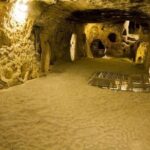
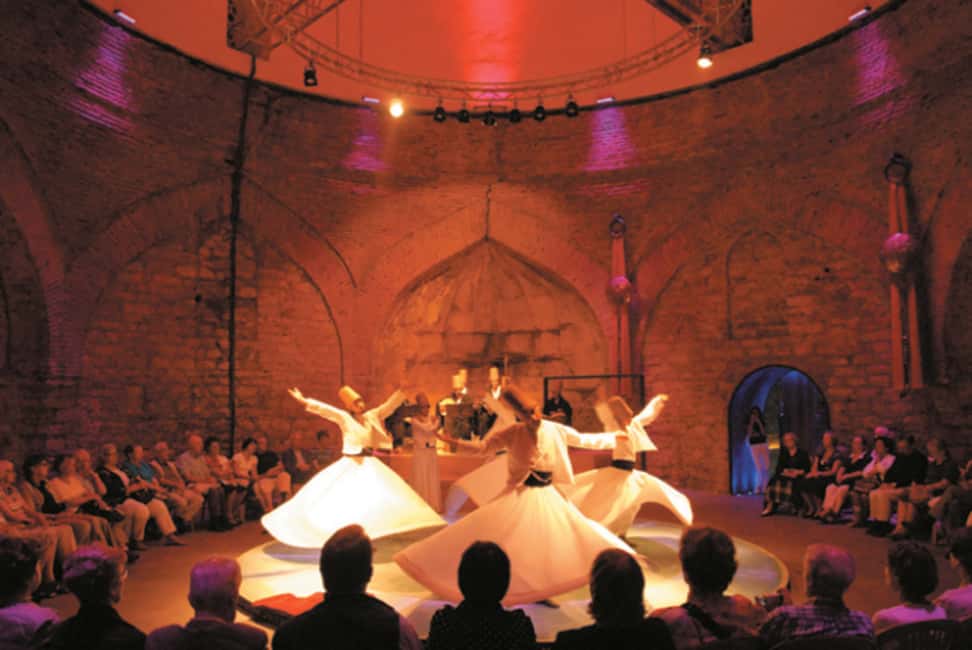
Cappadocia already has a built-in sense of otherworldly calm—so putting the Sema ceremony inside a cave house makes the whole thing feel more grounded. The ritual isn’t presented as entertainment. It’s framed as a spiritual ceremony, with the goal of allowing you to watch and reflect rather than participate like you would at a concert.
What I like most is that the format matches the intention of the ceremony. The whirling part isn’t treated like a performance gimmick. It’s part of the structure of the ritual, and the setting supports that: stone, low ceilings, and the kind of hush that makes it easier to pay attention. You’ll also feel how this ties into the wider cultural story of the region, including Cappadocia’s place along the Silk Road routes, where traditions travelled and changed over time.
The overall vibe works best if you arrive ready to be quiet and observant. If you’re looking for loud audience energy—big show effects, heavy dancing, or a dinner-style attraction—this will feel too sincere for that.
You can also read our reviews of more tours and experiences in Goreme.
Hotel Pickup and the 15–20 Minute Ride to the Cave House
This is an easy one to organize because it starts with pickup. You’ll wait in the lobby about 5 minutes before the scheduled time, then you’re transferred to the ceremony area. The ride from your hotel base takes roughly 15–20 minutes, which keeps the day from dragging.
The driver is listed as English and Russian speaking, and that matters more than you might think in Cappadocia. When schedules are tight and you’re moving between towns like Göreme, Ürgüp, Uçhisar, and Ortahisar, clear communication makes the experience smoother. The service is also designed to reduce friction: your ticket is handled as part of the package, and you can skip the ticket line.
Pickup is available across six areas: Göreme, Ürgüp, Çavuşin, Ortahisar, Uçhisar, and Avanos. Drop-off covers the same towns, so you shouldn’t have to figure out a second transport problem after the ceremony.
One practical note: the activity includes transfers only with the option that says WITH transfer. If you’re staying outside the listed pickup zones—like Mustafapasa, Ibrahimpasha, or Nar—you’ll need to arrange your own way in.
Motif Cultural Center in Ortahisar: Tea Ceremony and Market Break
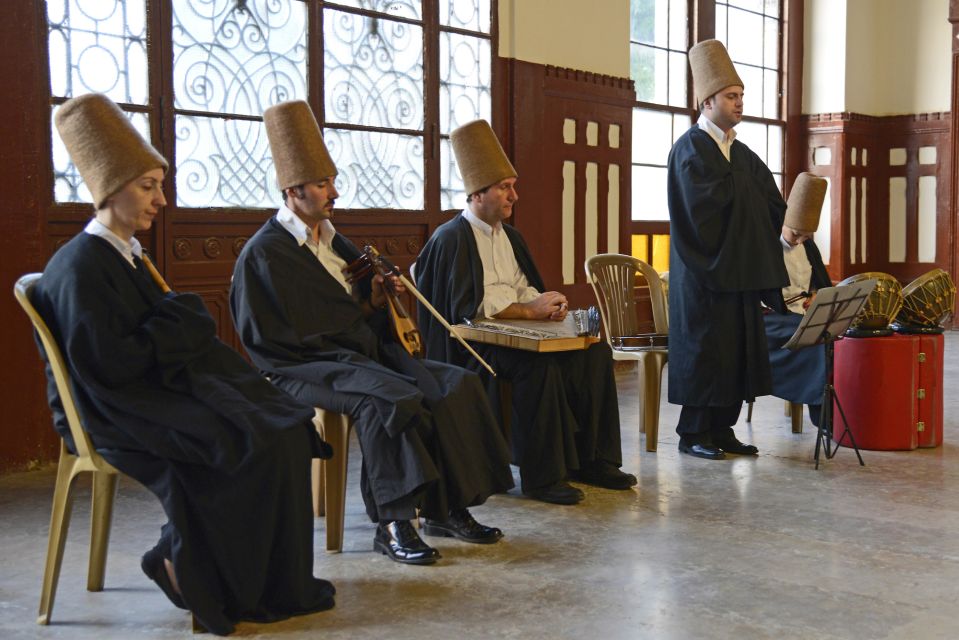
Before (or around) the ceremony experience, you may stop at Motif Cultural Center in Ortahisar. This is where the outing adds a bit of cultural context around the ritual—think of it as a calm warm-up rather than a second main attraction.
You can expect:
- a photo stop and some free time
- a tea ceremony moment
- a short concert element
- an arts & crafts market visit
- a traditional dance show
Here’s the balanced way to think about this stop: it’s part of the total flow, and it gives you something to do that isn’t just waiting. At the same time, don’t confuse this with the main event. The true centerpiece is still the Sema ceremony itself—spiritual worship, with rules about silence and conduct.
If your goal is to see the ritual respectfully and efficiently, you’ll probably appreciate having a short, structured cultural block before the ceremony. If you hate markets or prefer downtime, treat this portion as optional in your mindset. Use the free time for walking, photos at the designated spot, or simply observing the space.
Inside the Ceremony: How the Whirling Dervishes Sema Unfolds
The ceremony takes place at the dervish cave house, and you’ll be guided from the pickup moment through to the start. Once you arrive, you’re handed over to the real dervishes leading the ritual. This part is key: the ceremony is performed by dervishes of the region, and the intention is spiritual practice.
What to expect during the Sema is not a free-form show where everyone does whatever they want. The ritual has a flow, and you’ll feel that structure in how people move and how attention is focused. The audience role is mostly to watch quietly and let the moment unfold. That’s also why it works in a cave house setting—there’s less room for “performance energy,” more room for reverent attention.
One of the strongest clues you get from the overall description is that the event is paired with thoughtful sensory moments. The ney flute sound (the reed flute, often central in Sufi-influenced ceremonies) adds a layer of atmosphere that changes how you perceive the room. Even if you don’t know the details of Sema, the sound helps you read the mood.
Also, the ending matters. The ceremony is followed by a close that feels gentle rather than abrupt—meaning you don’t get a hard stop right after the whirling. People are given a peaceful way to leave.
Photo Rules, Quiet Focus, and the Last 5 Minutes for Video
Let’s talk about the rules, because they directly affect your enjoyment.
During the main ceremony, taking videos or photos is forbidden. That’s not a minor detail—it’s part of how the ceremony is protected from turning into a filming session. If you’re someone who needs lots of shots for your social feed, plan to either resist the urge or at least prepare mentally for limits.
Then comes the exception: there are only 5 minutes at the end reserved for photos and videos. That’s your window. If you know you’ll want a clear shot, decide in advance where you’ll stand or sit so you’re not scrambling when the rules change.
Quiet focus is also part of the deal. If you’re expecting crowd-style entertainment—heckling, shouting, constant narration—this isn’t designed for that. The ceremony is meant for reverence. I’d treat it like a sacred performance in a small hall: respect the mood, and you’ll likely enjoy it more.
There’s another practical reason to follow the rules: when everyone’s filming at once, it can create noise and distraction. The structure here avoids that. So even if you’re not an expert on Sufi ritual, you’ll benefit from the calmer audience environment.

Ney Flute, Cinnamon Tea, and the Sherbet Finish
One of the most praised parts of the experience is the way it ends.
You’re offered cinnamon tea (often described as herbal), and it’s paired with the amazing sound of the ney flute. That combination does two things:
1) it gives you something warm and comforting after watching a ritual
2) it seals the mood—turning the ceremony into a full sensory arc rather than a sudden stop
And then you get sherbet as a final touch. It’s not flashy, but it’s a nice human detail—like being gently sent off rather than kicked out.
I also like that the tone stays respectful through the finish. A lot of religious-themed tours rush you away. This one aims for a peaceful exit. When you’re in a cave setting, that matters: the room holds the memory longer when the ending feels calm.
Price and Value at Around $43 for Two Hours
At about $43 per person for a roughly 2-hour experience, this is a mid-cost activity in Cappadocia. Whether it feels like a bargain or not depends on your expectations.
Here’s the value logic:
- You’re paying for real ceremony access, with tickets included.
- You get hotel pickup and drop-off in the listed towns.
- You get a booklet in multiple languages.
- You don’t have to line up for tickets.
If you’re someone who hates logistics and prefers pre-booked cultural access, the price starts to look fair fast. If you’re searching for a high-energy show with lots of staged entertainment, then $43 can feel too much—because the key promise is spiritual worship, not a party.
So think of it as a focused, culturally meaningful ticket. You’re not buying a half-day tour. You’re buying a time window where you can witness the Sema ceremony with minimal effort on your end.
Who This Fits Best (and who should skip the ticket)
This fits best if you:
- want a short Cappadocia activity you can schedule without stress
- enjoy respectful cultural experiences where the point is to observe
- like the idea of Sema as prayer and listening, not just choreography
It can be a mismatch if you’re hoping for:
- belly dance as a main feature
- a dinner experience
- constant entertainment throughout the whole program
- lots of photos and video beyond the final 5 minutes
There’s also a simple mental checklist I recommend: If you can enjoy a quiet, spiritual ceremony without turning it into your personal filming project, you’re in the right place. If not, book something else in Cappadocia that’s designed for louder, more flexible audience participation.
Should You Book This Cappadocia Dervish Ceremony Ticket?
Book it if you want a respectful look at a whirling dervish Sema in a cave-house setting, with hotel pickup and a calm ending that includes cinnamon tea, Ney flute sound, and sherbet. It’s also a good choice when you only have a couple hours and want culture that doesn’t require extra planning.
Skip it if your main goal is entertainment like you’d find at a typical dinner show, or if you can’t handle photography restrictions. This ceremony has rules because it’s spiritual—not a casual sightseeing performance.
If you’re flexible, quiet, and curious, this is one of those Cappadocia experiences that feels like it has a real pulse, not just a schedule.
FAQ
Where does pickup happen?
Pickup is available from Göreme, Ürgüp, Çavuşin, Ortahisar, Uçhisar, and Avanos.
How long is the experience?
The duration is listed as about 2 hours.
Does the price include hotel transfer?
Hotel pick-up and drop-off are included. Transfer is included only if you choose the option that includes transfer.
Is photography and video allowed during the ceremony?
No photos or videos are allowed during the ceremony. At the end, there are 5 minutes reserved for photos and videos.
What languages are supported?
The driver is listed as English and Russian, and there is a booklet available in any languages.
What’s included in the ticket?
You get hotel pick-up and drop-off, a booklet, ceremony tickets, and (with the transfer option) the transfer itself. Ticket-line entry is also skipped.
Are there any extra costs?
Souvenirs at the shop are not included, and transfer from Mustafapasa, Ibrahimpasha, and Nar is not included.