REVIEW · ANTALYA
Antalya: Kunefe Cooking Class with Local Chef in Old Town
Book on GetYourGuide →Operated by Antalya Workshops Experiences · Bookable on GetYourGuide
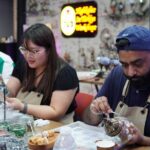
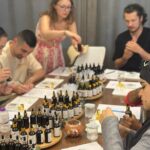
Kunefe becomes personal when you cook it yourself. In central old town Antalya, a local chef guides you through a hands-on dessert class, starting with Turkish tea and ending with a plate of your own kunefe. I especially like the small-group format, where you can actually watch, ask, and correct as you go.
What I like just as much is the focus on technique: you learn how to build the kadayıf, control the heat, and aim for a crispy-on-the-outside texture without losing that melty center. One drawback to plan for is that transport is not included, so you’ll want to be ready to reach the cozy kitchen in central old town on your own.
In This Review
- Key things you’ll notice in this Antalya kunefe class
- Why kunefe feels different when you make it yourself
- Entering the cozy old town Antalya kitchen with tea
- The ingredients you’ll learn to handle: kadayıf, cheese, butter, syrup
- Cooking kunefe on a traditional round tray over low flame
- Syrup, pistachios, and the moment it all comes together
- Kunefe origins and regional differences, explained the practical way
- Value and pricing: what $65 buys you in real terms
- Time and pacing: who will love the 1.5-hour format
- Practical tips before you go to the old town kitchen
- Who should book this kunefe class in Antalya
- Should you book the Antalya kunefe cooking class?
- FAQ
- How long is the kunefe cooking class?
- Is the experience hands-on?
- What’s included in the price?
- Is transportation included from your hotel?
- What language is the instructor?
- Is it suitable for children?
Key things you’ll notice in this Antalya kunefe class
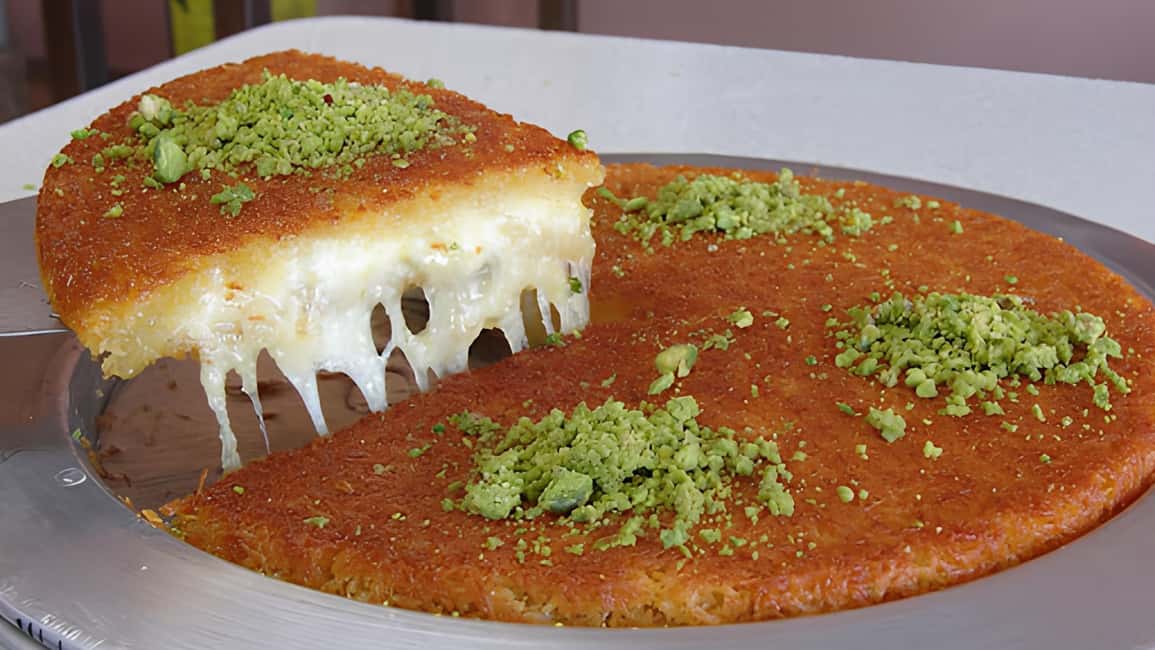
- A local chef teaching in a real kitchen in central old town Antalya, not a showroom
- Hands-on steps for buttering, layering kadayıf, and cooking on a traditional round tray
- Ingredient choices that change the result, including cheese and clarified butter
- Syrup timing and temperature, so your kunefe soaks correctly and stays delicious
- Warm tea plus conversation, which is a big part of the cultural exchange
- Small group size (up to 6), so you get more attention during cooking
Why kunefe feels different when you make it yourself
Kunefe sounds simple until you’re holding the ingredients. The magic is in the balance: crisp, cheesy softness, and syrup that soaks through at the right moment. In this class, you don’t just watch. You build the dessert and learn what to adjust when things cook faster or slower.
I like that the experience is very practical. You’ll be guided through each step, from prepping the kadayıf to cooking over low flame. And because it’s only 1.5 hours, you stay focused on the process that actually creates the final bite.
You can also read our reviews of more cooking classes in Antalya
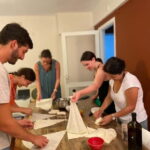
Entering the cozy old town Antalya kitchen with tea
The session starts in a cozy, welcoming kitchen in central Antalya’s old town area. Expect a traditional Turkish tea right away, plus a short introduction from your local host. They’ll set the tone quickly, with years of experience teaching Turkish sweets and helping people understand the basics before the stove starts doing its work.
This matters more than you might think. If you show up cold to a technique-heavy dessert like kunefe, you end up distracted. The tea and introduction get you relaxed and ready to learn the why behind each step.
Also, the class is in English and Turkish. So even if your Turkish is limited, you’ll still have a clear path through the instructions.
The ingredients you’ll learn to handle: kadayıf, cheese, butter, syrup
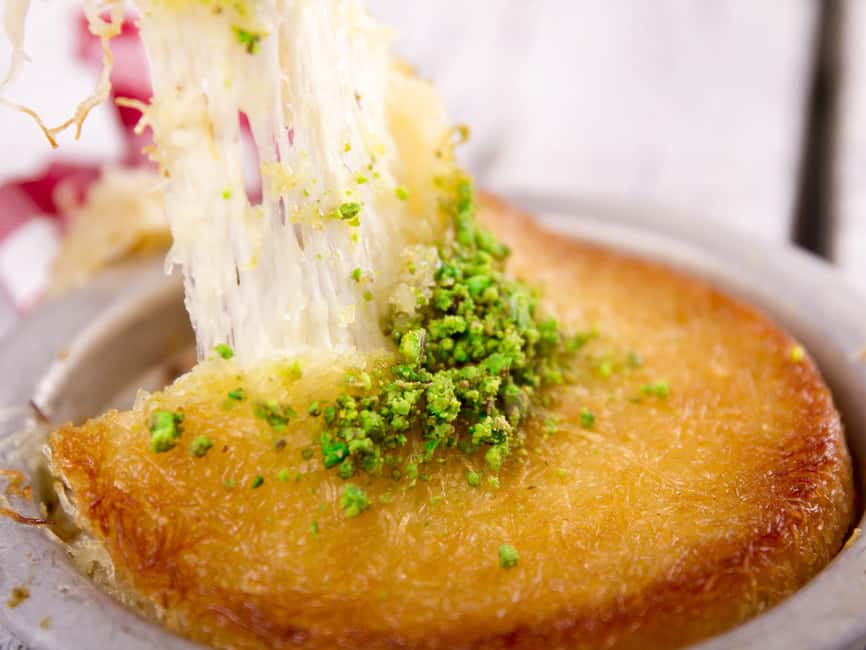
Kunefe is built on a few essentials, and this class makes those essentials feel concrete.
Here’s what you’ll work with:
- High-quality kadayıf (the shredded pastry base)
- The right type of cheese, plus guidance on substitutions if you’re outside Turkey
- Clarified butter (tereyağı) for flavor and browning
- Homemade syrup for soaking and sweetness
I like that they don’t just list ingredients. You get taught what each one is doing. For example, clarified butter isn’t only richness. It helps create that crisp outer texture you want on the tray.
And the cheese piece is especially important if you’ve never made kunefe before. You’ll learn what to use in Turkey, and what to do if you can’t source the exact same thing elsewhere. That tip alone is useful if you ever want to recreate it later.
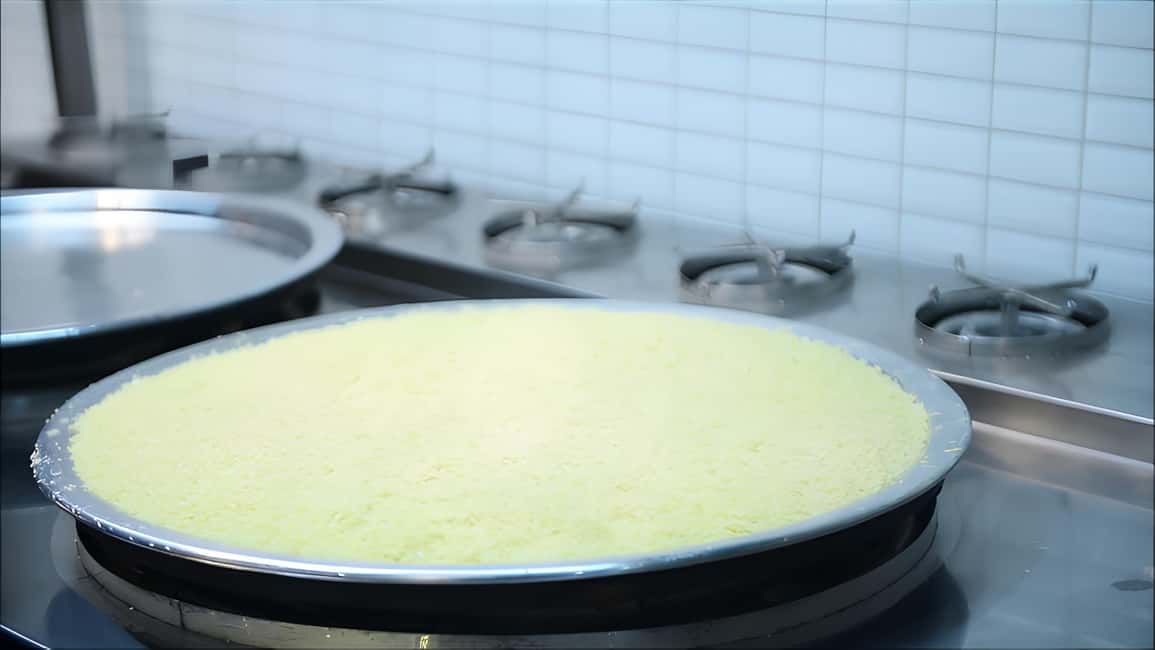
Cooking kunefe on a traditional round tray over low flame
The heart of the class is cooking. Your kunefe goes on a traditional round tray over a low flame, which is the kind of setup that rewards patience and attention.
During cooking, you’ll be guided through:
- How to properly butter and layer the kadayıf
- How to cook the base so it browns without burning
- How to rotate and control the heat for even cooking
- How to keep the texture balanced so the inside stays soft and cheesy
This is where the small group size really pays off. When there are only up to 6 participants, your chef can correct what you’re doing in real time. If your layer looks too thick, if the buttering is uneven, or if the heat is running stronger than expected, you have a chance to adjust instead of guessing.
Low-flame cooking also teaches you something transferable. Even after you leave, you’ll remember that kunefe is more technique than luck.
Syrup, pistachios, and the moment it all comes together
Once your kunefe is cooked, it gets soaked with warm syrup. This step is quick, but it’s not random. Warm syrup helps the dessert absorb properly so you get that classic sweet finish without turning the texture soggy.
After soaking, you’ll top it with pistachios. That gives you color and crunch against the soft cheesy center.
Then you sit down together to enjoy what you made, served with tea and conversation. This is one of the best parts of any cooking class: the food doesn’t become a “project” you regret. You actually get to eat the result right away.
I also like the social rhythm here. You’re not just waiting for your turn. You’re learning, cooking, and then enjoying the dessert in the same session with the same chef who walked you through it.
A few more Antalya tours and experiences worth a look
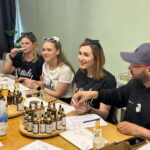
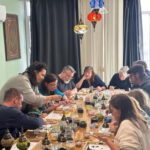
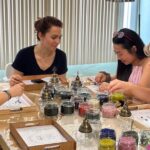

Kunefe origins and regional differences, explained the practical way
You’ll get a short background on kunefe’s origins, plus how it can vary between regions. The chef also explains why kunefe matters in Turkish culinary culture.
What I found useful is that the “history” isn’t treated like a lecture. It’s tied to the ingredients and cooking styles you’re practicing. When someone explains that variations exist, it helps you understand why your technique might differ depending on what you’re making and what you’re using.
And since the experience includes tea and cultural exchange, the explanation tends to feel more like a conversation than a script. You can ask questions, and it stays focused on the meaning behind what you’re doing.
Value and pricing: what $65 buys you in real terms
At $65 per person for about 1.5 hours, this class isn’t trying to be the cheapest option. But it also isn’t priced like a fancy restaurant dinner.
What you’re paying for is:
- Hands-on instruction from a local chef
- A small group limited to 6 participants
- Cooking on a traditional round tray
- Tea service plus the kunefe you make and eat
If you compare this to buying a kunefe somewhere and hoping you figure out the technique later, the value is clear. Here, you’re not just eating dessert. You’re learning how to make the critical pieces: kadayıf texture, buttering, heat control, syrup soaking, and topping.
Also, the instructor speaks English and Turkish, which makes the experience smoother if you’re visiting without a language background.
Time and pacing: who will love the 1.5-hour format
The pacing is ideal if you want a focused food activity without burning half a day. In 1.5 hours, you go from welcome tea to cooking to eating your finished kunefe. It’s compact, but it still gives you enough time to learn the method.
This is also a good choice if you like classes where you can participate, not just take photos. You’ll get guided steps throughout, and the small group setup keeps it interactive.
Practical tips before you go to the old town kitchen
A few things to keep in mind so the class goes smoothly.
- Plan to be in central old town Antalya on time, since transport to the workshop isn’t included.
- Come with an appetite and a realistic expectation: this is a dessert class, so you’ll end up with something you want to savor fully.
- The class is not suitable for children under 10, so bring only kids who can comfortably participate at that age.
- Alcohol and drugs are not allowed, which keeps things straightforward and family-friendly in tone.
If you’re planning your day, treat this as your food-focused block. Pair it with a walk and a meal plan before or after, but don’t stack it with anything that requires you to rush out halfway through.
Who should book this kunefe class in Antalya
This is a great fit for:
- Food lovers who enjoy cooking with guidance
- People who want a hands-on cultural experience, not a passive meal
- Couples or small groups who prefer a calmer setting with up to 6 participants
- Travelers who want to learn ingredient swaps, especially cheese substitutions outside Turkey
It might be less ideal if:
- You want a long sightseeing-heavy program
- You dislike kitchens or active cooking
- You’re traveling with young kids who are under 10
If you like adding “one memorable local thing” to your itinerary, this works well. You’ll leave with a warm dessert and practical technique you can carry forward.
Should you book the Antalya kunefe cooking class?
I think you should book this if you want a real cooking lesson in old town Antalya, with small-group attention and a dessert you eat while it’s still fresh from the tray. The best part isn’t only the final kunefe. It’s learning how to get the texture right through heat control, buttering, layering, and syrup timing.
If you’re the type who enjoys mastering one local dish properly, this class delivers. And the tea-and-conversation format makes it feel like cultural exchange, not just a workshop where you follow steps and leave.
If you’re unsure, ask yourself one question: do you want to understand how kunefe is made, or do you only want to taste it? This experience is built for the first group.
FAQ
How long is the kunefe cooking class?
The class runs for about 1.5 hours.
Is the experience hands-on?
Yes. You’ll learn and participate in preparing and cooking kunefe, including assembling it and cooking it on a traditional round tray.
What’s included in the price?
It includes traditional Turkish tea, an introduction about kunefe origins, hands-on kunefe preparation, and eating the kunefe served with tea.
Is transportation included from your hotel?
No. Transportation to the workshop is not included.
What language is the instructor?
The instructor teaches in English and Turkish.
Is it suitable for children?
It is not suitable for children under 10.